


- Home
- >
News
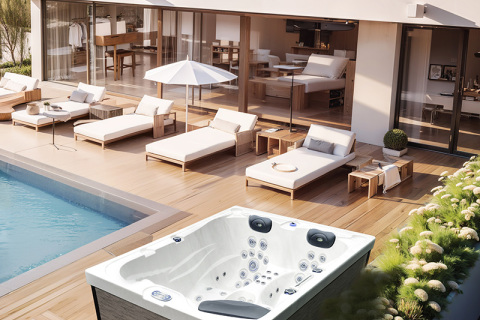
Recent research into hydrotherapy has grown significantly; many medical institutions and rehabilitation centers now use water therapy as an adjunct treatment to relieve muscle fatigue, improve joint mobility, boost blood circulation, and reduce mental stress.
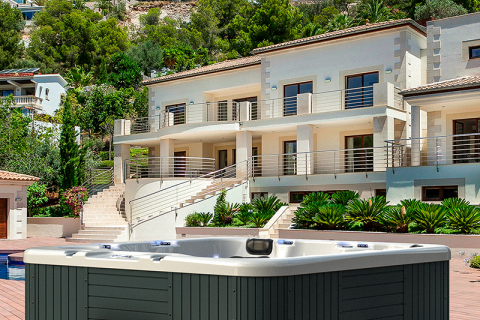
Uncompacted backfill soil is the type of foundation most prone to settlement. Many courtyards install outdoor hot tubs directly after landscaping is completed. If the soil layer isn't properly compacted, natural settlement over several years can affect the stability of the equipment.
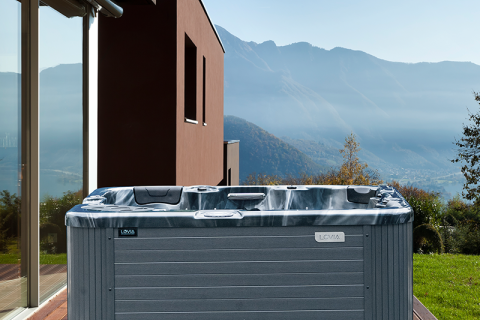
Signal 1: The color of the plastic begins to become noticeably lighter or yellow Signal 2: The surface loses its luster and appears powdery. Signal 3: Small cracks appear Signal 4: The plastic becomes brittle and lacks toughness when pressed Signal 5: The nozzle or control component begins to loosen Sign 6: Water seepage around plastic joints Sign 7: Plastic parts are prone to scratches
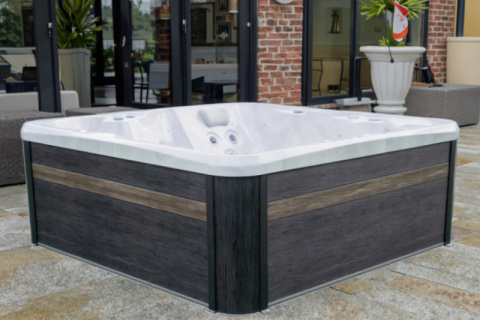
The key factor here, however, is the duration—"short periods." Running high-power jets with the cover closed for extended periods can lead to several issues, including increased internal pressure, moisture accumulation, cover damage, and reduced equipment efficiency.

If one had to choose the single most important category of chemicals, the answer would undoubtedly be sanitizers. For outdoor spa hot tubs, sanitizers not only kill bacteria and microorganisms but—more importantly—break down organic contaminants in the water, preventing turbidity at the source.
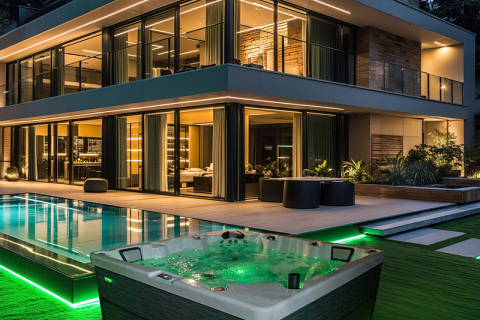
Most Balboa control systems do not have native, built-in Wi-Fi functionality. In other words, purchasing a standard Balboa control board alone does not automatically provide support for remote control via smartphone or cloud connectivity.
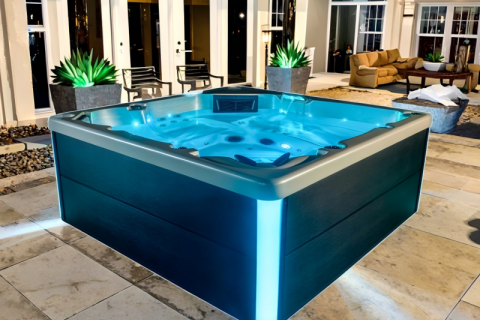
Soaking in vinegar is the core cleaning step This is the most critical part of the entire cleaning process. Prepare a bucket or container large enough to fully submerge the spa hot tub filter. Then, mix the vinegar solution. Common recommended ratios are: •White vinegar: 1 part •Warm water: 1 to 3 parts
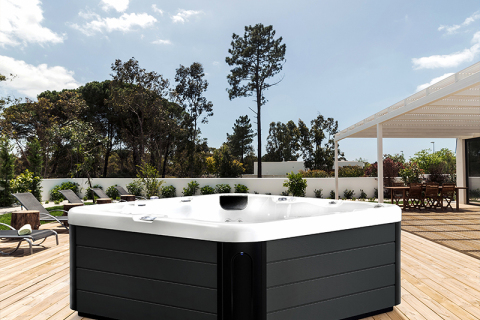
Yes, automatic shut-off for jets is a standard feature in most modern outdoor spa hot tubs. Most brands configure a default automatic shut-off time for the jets—typically 15, 20, or 30 minutes.

Primary Function of the Hot Tub's Own Weight: Enhancing Overall Structural Stability For any large vessel, greater weight generally translates to a more stable center of gravity. Outdoor spa hot tubs are no exception.

One of the most common reasons is excessive jet intensity. In other words, if you turn the jets to maximum power and continuously target the same area of your lower or upper back, the muscles may perceive this as excessive external force and become even more tense.

In some instances, adding just a few dozen milliliters of ordinary bath gel causes foam to cover the entire surface of the tub—and even spill over the edges—within minutes of activating the massage system. This not only detracts from the user experience but also complicates cleaning and maintenance.
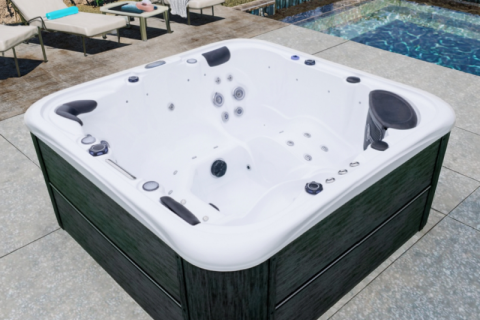
In reality, however, the jets failing to operate during the filling process rarely indicates hardware damage. Instead, the issue is usually related to the system's design logic, startup requirements, water level, an "air lock," or control settings.