


Why do jacuzzi outdoor spa hot tubs feel so comfortable?
2026-07-14 15:35In recent years, as living standards have risen, more and more households are installing jacuzzi outdoor spa hot tubs in their courtyards, on terraces, in villa gardens, and at vacation rentals. For many, a jacuzzi outdoor spa hot tub is far more than just a piece of bathroom equipment; it represents a lifestyle, a space for relaxation, and a key component of modern family wellness and leisure. Whether you are gazing at the stars while soaking in warm water on a cold winter night or enjoying a half-hour hydro-massage after a busy day at work, a jacuzzi hot tub outdoor offers a level of comfort that a standard bathtub simply cannot match.
First-time users often share a common experience: simply soaking in the hot water causes the entire body to relax, eases muscle tension, alleviates mental stress, and even improves sleep quality.
So, why do jacuzzi outdoor spa hot tubs feel so comfortable? Where does this sense of comfort come from? Is it merely due to the hot water, or is it the result of a combination of factors—such as massage jet systems, hydrotherapy principles, physiological responses, and the surrounding environment?
In fact, the comfort provided by a jacuzzi outdoor spa hot tub is not the result of a single factor but the combined effect of temperature, water flow, buoyancy, massage, ambiance, and the body's nervous system. Recent research into hydrotherapy has grown significantly; many medical institutions and rehabilitation centers now use water therapy as an adjunct treatment to relieve muscle fatigue, improve joint mobility, boost blood circulation, and reduce mental stress. While outdoor hot tubs cannot replace medical treatment, when used safely and properly, they certainly contribute positively to daily wellness and an improved quality of life.
This article explores the reasons behind the exceptional comfort of jacuzzi outdoor spa hot tubs from various perspectives—including scientific principles, physiological responses, hydro-massage mechanisms, psychological factors, and actual user experiences—to help you gain a comprehensive understanding of their value.
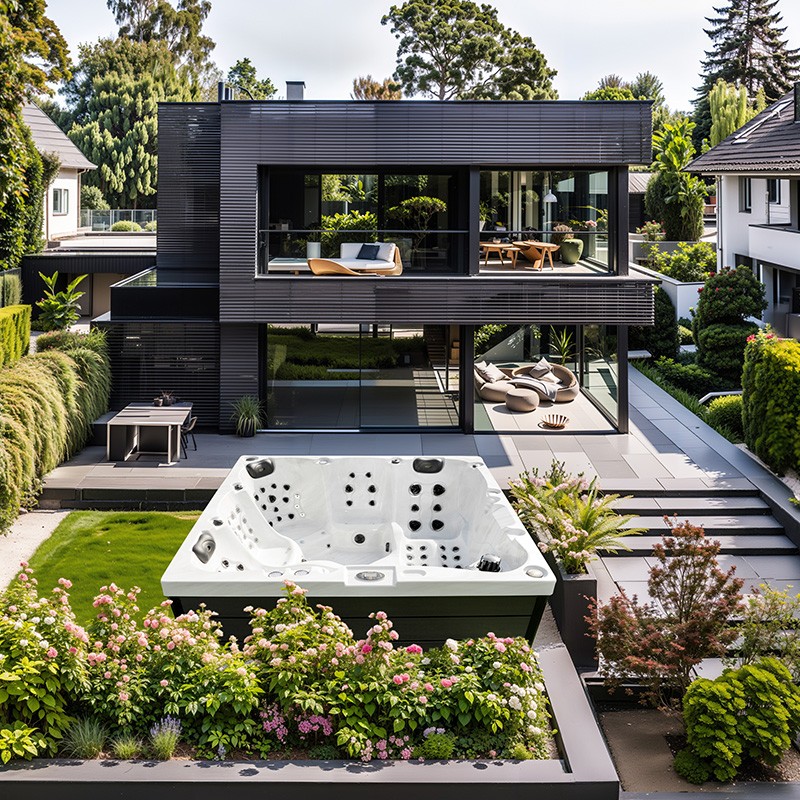
The comfort of a jacuzzi hot tub outdoor stems primarily from the physical relaxation induced by the constant-temperature hot water
If we were to rank the primary sources of comfort provided by a jacuzzi outdoor spa hot tub, the constant-temperature hot water would undoubtedly take the top spot. Most outdoor hot tubs maintain water temperatures between 36°C and 40°C. This range closely matches human body temperature, ensuring that entering the water causes no jarring sensation of hot or cold; instead, the body quickly adapts and begins to relax.
When the body comes into contact with warm water, capillaries near the skin's surface dilate and local blood circulation accelerates, allowing muscle tissue to receive a more abundant supply of oxygen and nutrients. Simultaneously, the heat helps alleviate muscle tension, loosening muscles that have become stiff from prolonged sitting, exercise-induced fatigue, or maintaining a fixed posture for extended periods. Many users report a noticeable reduction in tightness in their shoulders, lower back, and legs after just ten to fifteen minutes in a jacuzzi hot tub outdoor—a natural response to the benefits of heat therapy.
Furthermore, the warm environment reduces the body's sensitivity to cold. This is particularly noticeable during autumn and winter; when the outside air is chilly, the contrast between the cool air and the warm water enhances the overall sense of comfort. Many users find that soaking in a jacuzzi hot tub outdoor during winter offers a unique relaxation experience—combining physical warmth with fresh air and garden views—that an indoor bathtub simply cannot match.
Water buoyancy relieves physical strain, allowing joints and muscles to relax
Beyond the heat itself, water buoyancy is a key factor contributing to the comfort of jacuzzi outdoor spa hot tubs. According to Archimedes' principle, the body experiences an upward buoyant force when submerged, effectively reducing the weight it must bear.
Studies show that immersing the body up to chest level can reduce the weight borne by the body by approximately 60% to 70%; immersion up to shoulder level further decreases the pressure on joints and the spine. This means that in a jacuzzi hot tub outdoor, the body is not required to support its full weight as it would when standing or sitting on a chair, allowing the knees, ankles, hips, and spine to enter a state of relative ease.
This pressure-relieving effect is particularly beneficial for those with sedentary jobs. After a long day of work, the lower back, neck, and shoulders are often under constant tension; however, the buoyancy provided by the hot tub alleviates this physical burden, allowing muscles to relax naturally—often leaving users feeling as though their bodies have become significantly "lighter." For middle-aged and elderly individuals or fitness enthusiasts, buoyancy helps reduce joint strain; consequently, many rehabilitation centers utilize hydrotherapy to help improve physical mobility. While outdoor hot tubs are primarily designed for leisure and relaxation—and cannot replace professional rehabilitation therapy—the comfort derived from buoyancy remains one of their key advantages.
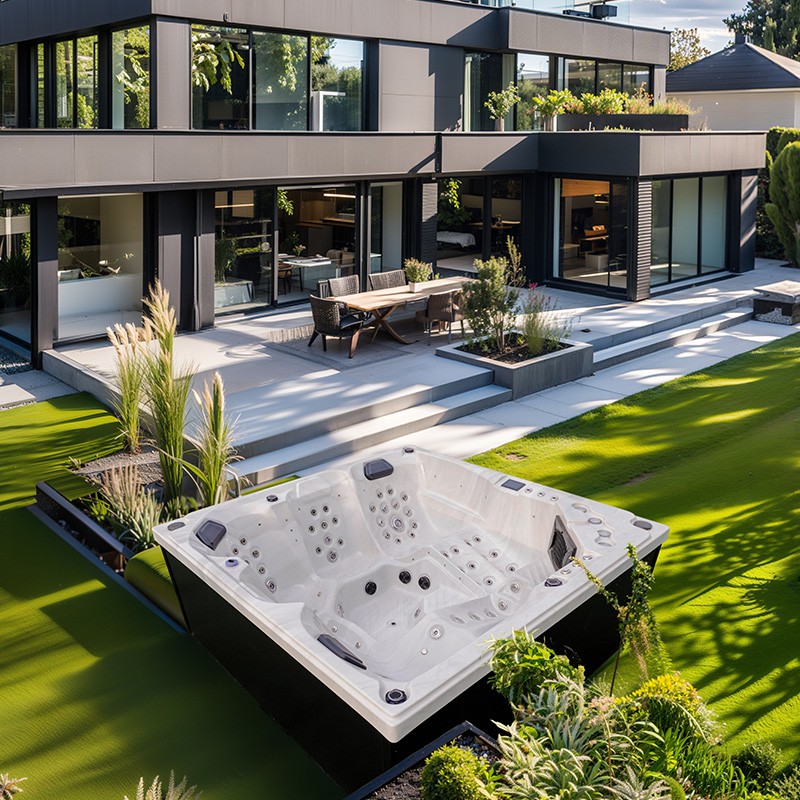
Hydro-massage systems offer an experience unmatched by standard bathtubs
If constant warm water provides the foundation for comfort, the massage jet system elevates the overall experience of a jacuzzi hot tub outdoor to the next level.
Modern jacuzzi outdoor spa hot tubs are typically equipped with multiple massage jets—ranging from a dozen to over fifty, depending on the specific model. These jets mix high-pressure water with air to deliver targeted streams against various parts of the body, including the neck and shoulders, back, lower back, glutes, calves, and feet.
Although the mechanism differs from manual massage, this method stimulates muscle tissue, promoting relaxation in specific muscle groups. Many high-end models feature rotating, pulsating, and directional jets that allow users to adjust massage intensity for different body areas, creating a truly personalized experience.
For office workers who sit for long periods, the neck, shoulders, and lower back are often the areas most prone to fatigue. The continuous water flow from the jets targets these specific zones, transforming the soak from a simple bath into a comprehensive hydro-massage session. As a result, users often feel a noticeable sense of physical relief and reduced fatigue after stepping out of the hot tub.
Warm water promotes blood circulation and enhances physical comfort
The body's blood circulation is closely linked to the speed of recovery from fatigue. When the body maintains a static posture for extended periods or undergoes strenuous exercise, local blood circulation can slow down, leading to an accumulation of metabolic waste products that cause sensations of soreness, aching, and stiffness.
The constant warmth provided by a jacuzzi hot tub outdoor stimulates blood circulation in the skin and superficial tissues. As blood vessels gently dilate, increased blood flow to the limbs and muscles creates a pleasant, warming sensation. Simultaneously, the warm environment helps the body gradually relax, easing tension and stress. While individual experiences vary, many users report feeling their bodies gradually "warm up" and "relax" after spending 15 to 30 minutes in a jacuzzi hot tub outdoor—sensations closely linked to improved blood circulation.
The outdoor setting further enhances the relaxation experience
Compared to indoor bathtubs, one of the defining features of a jacuzzi outdoor spa hot tub is its seamless integration with the natural environment.
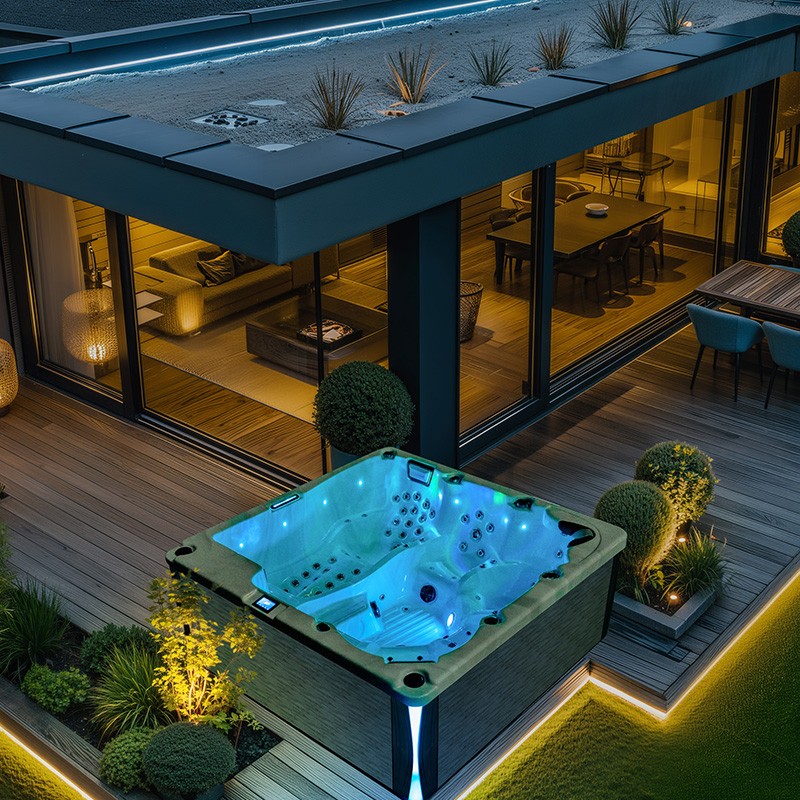
Imagine soaking in a warm jacuzzi hot tub outdoor at dusk, surrounded by a quiet garden, soft lighting, the gentle rustle of leaves in the breeze, and the stars in the night sky. This setting alone helps people temporarily disconnect from mobile phones, computers, and work-related stress, allowing them to refocus on the present moment.
Modern psychology suggests that natural environments play a positive role in alleviating mental stress. Studies have shown that exposure to greenery, natural landscapes, or open spaces often boosts subjective well-being and relaxation levels. While individual experiences differ, combining a jacuzzi outdoor spa hot tub with a garden landscape undoubtedly amplifies this sense of comfort.
Consequently, many high-end residences, boutique guesthouses, and resort hotels position their jacuzzi outdoor spa hot tubs to take full advantage of the best views, aiming to offer users a dual experience: the physical relief of a hot water massage combined with the visual pleasure of nature, fostering relaxation for both body and mind.
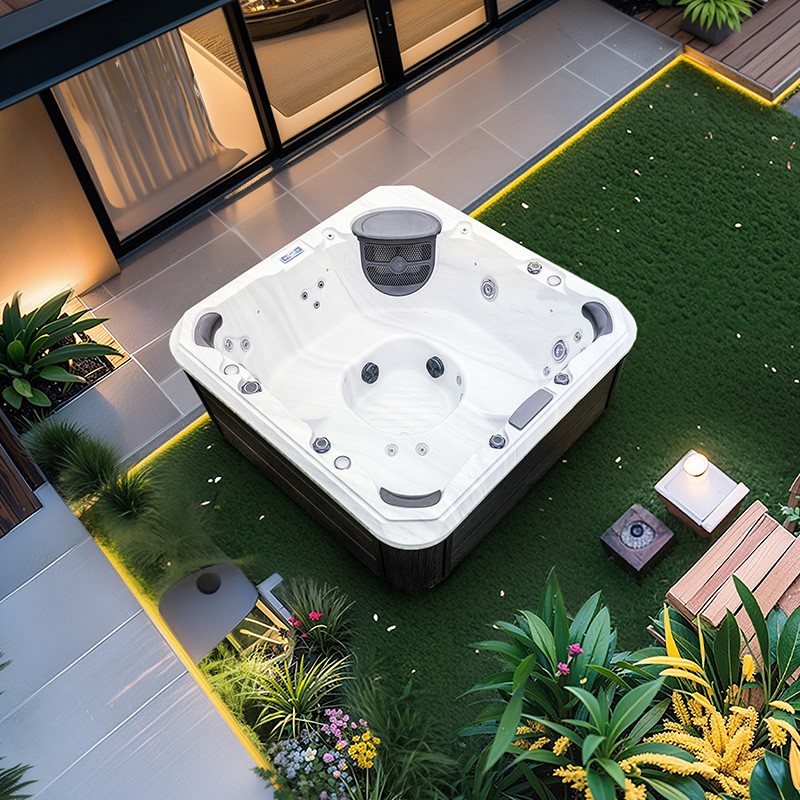
Outdoor hot tubs can also help establish a more consistent daily rhythm
Modern life moves at an increasingly rapid pace; overtime work, electronic devices, and a constant stream of fragmented information consume our daily time, making it difficult for many to truly unwind even after returning home. Establishing a routine of using an outdoor hot tub at a set time can create a personal ritual of relaxation.
For instance, a nightly 20-minute soak not only allows the body to settle into a relaxed rhythm but also signals to the brain that the workday is over and it is time to rest. Maintaining this habit over the long term often contributes to a better quality of life.
Of course, this does not imply that outdoor hot tubs cure insomnia or anxiety; however, for many, a quiet, comfortable, and undisturbed soak is often the most relaxing part of the day and a key factor in enhancing overall well-being.
Why are more and more households choosing to install outdoor hot tubs?
In recent years, the global home spa market has continued to grow. Industry data indicates that as lifestyles shift toward spending more time at home, consumers are increasingly prioritizing the creation of healthy, relaxing home spaces; consequently, jacuzzi outdoor spa hot tubs have become a popular choice for upgrading backyard environments.
Unlike visiting a spa, an outdoor hot tub offers the distinct advantages of on-demand availability, greater privacy, and more predictable long-term costs. Whether for a quick unwind after work, a weekend family gathering, or a chat with friends, the outdoor hot tub serves as a wonderful setting for social interaction.
For families with children, an outdoor hot tub—provided safety and water quality standards are met—can facilitate parent-child bonding; for couples, it creates a relaxed, intimate atmosphere for conversation. As a result, more consumers view outdoor hot tubs not merely as luxuries, but as essential home amenities that enhance their quality of life.
How can you get the best experience from a jacuzzi outdoor spa hot tub?
While an outdoor hot tub naturally provides comfort, proper usage is key. It is generally recommended to keep the water temperature between 36°C and 40°C and to adjust the duration of your soak based on your physical condition. For most healthy adults, a session lasting 15 to 30 minutes is ideal; however, you should shorten this time if the weather is hot or if you are sensitive to high temperatures.
It is also crucial to maintain good water quality by regularly checking pH levels, sanitizer concentrations, total alkalinity, and calcium hardness, as well as promptly cleaning filters and circulation systems to prevent water quality issues from detracting from the experience. Additionally, taking a quick shower before entering the tub helps minimize the introduction of sweat, oils, and skincare products into the water, ensuring a cleaner soaking environment.
Pregnant women, individuals with cardiovascular conditions, and those with specific health concerns should consult a doctor to determine if using an outdoor hot tub is appropriate and should avoid prolonged exposure to high temperatures.
FAQ
Why does an outdoor hot tub feel more comfortable than a standard bathtub?
While a standard bathtub primarily offers a hot water soak, a jacuzzi outdoor spa hot tub provides constant-temperature water along with massage jets, hydrotherapy features, and a continuous filtration system. When combined with the natural outdoor setting, these elements create a richer, more enjoyable experience, which is why many people find them significantly more comfortable.
What is the ideal duration for a soak in a jacuzzi hot tub outdoor?
For most healthy adults, a session of approximately 15 to 30 minutes in a jacuzzi hot tub outdoor is appropriate. If the water temperature is high or the weather is hot, consider shortening the duration and ensure you stay hydrated.
Can a jacuzzi hot tub outdoor really help the body relax?
When used safely and properly, the combination of constant warm water, buoyancy, and massage jets helps relax muscles and enhances overall comfort. Many users feel more relaxed after a soak, though a jacuzzi outdoor spa hot tub is not a substitute for medical treatment or professional rehabilitation.
Why is using a jacuzzi outdoor spa hot tub a better experience in winter?
The contrast between the cold outdoor air and the tub's comfortable, constant warmth creates a unique sensation; many users feel physically warmer and experience a deeper sense of relaxation. Additionally, the winter garden scenery and the evening atmosphere further enhance the soaking experience.
How can I maintain the best experience with my outdoor hot tub over the long term?
Consistent water quality management is recommended; this includes regularly testing water parameters, cleaning filters, changing the water as needed, maintaining the massage jet system, and cleaning the circulation lines. Furthermore, properly managing soaking times and water temperatures helps ensure a consistently comfortable and safe experience.