


- Home
- >
- News
- >
- Industry News
- >
News
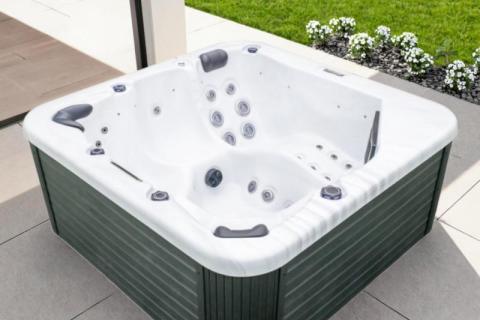
Users often encounter similar issues after purchasing an outdoor hot tub: cloudy water, excessive foaming, slow heating, high energy consumption, concerns about freezing in winter, frequent circuit breaker trips, clogged filters, and poor heat retention by the cover.
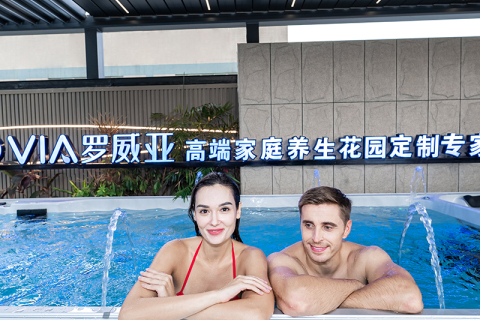
Establishing a Simple Hygiene Management Process for Outdoor Swim Spas Home users can summarize the daily management of an outdoor swim spa into four steps: First, pre-use inspection. Second, controlling the number of users and duration of use. Third, prompt cleaning after use. Fourth, regular maintenance.
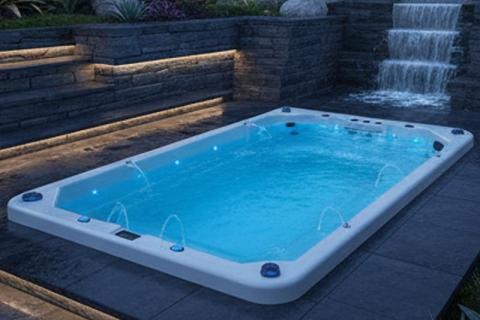
Data from the North American spa industry indicates that the residential swim spa hot tub market has grown at an average annual rate of 11.2% over the past five years, with the growth rate of in-ground outdoor swim spas outpacing that of traditional portable models by approximately 35%.
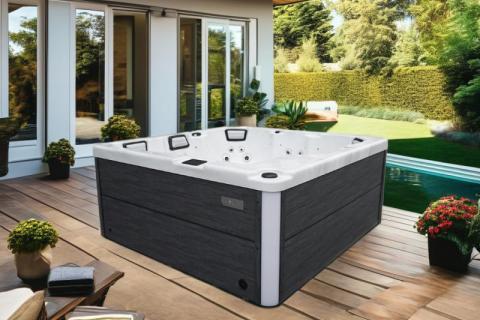
They are ideal for large families. For households with many members—such as multi-generational families who enjoy spending weekends relaxing together—a 9-person hot tub easily accommodates everyone at once. This eliminates the need to take turns soaking and significantly enhances the family's shared experience.
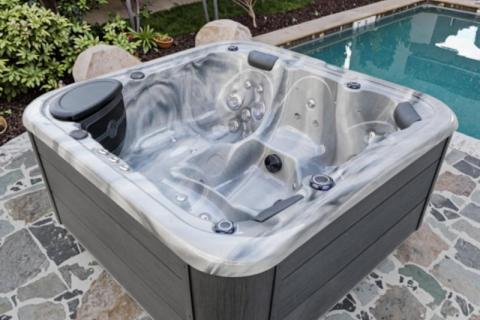
From a lifecycle perspective, acrylic outdoor hot tubs are generally more eco-friendly due to their longer lifespan, superior insulation, and lower long-term resource consumption.
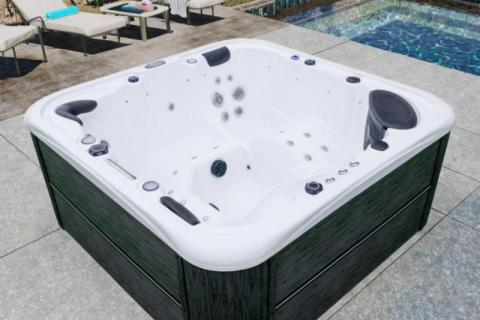
In many cases, it is highly suitable. Many consumers fall into the misconception that "the number of seats should match the number of users." In reality, the "five-person" rating on an outdoor hot tub indicates the maximum recommended capacity, not the optimal number of users.
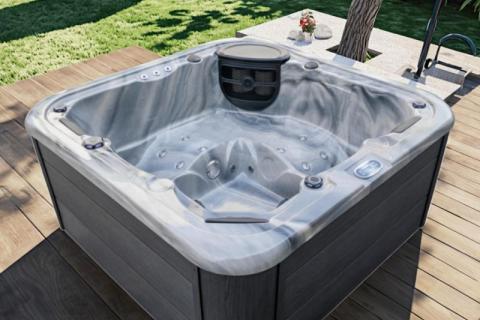
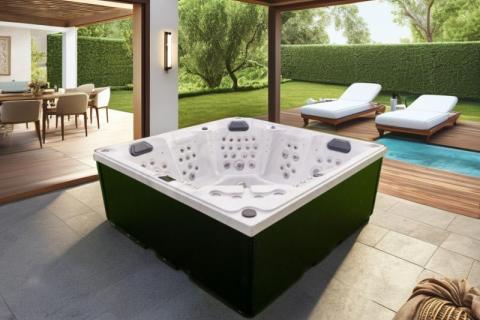
Before purchasing an outdoor hot tub featuring a lounge seat, it is crucial to understand its core specifications and key selection criteria. This article provides a comprehensive analysis covering product positioning, materials, ergonomic design, massage systems, thermal insulation, and energy efficiency.
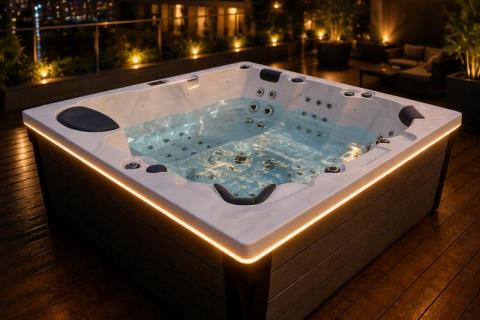
If the tub will primarily be used by one or two people on a daily basis, a two-person model is a good choice; if it will frequently be used by four to six people simultaneously, a six-person model is preferable.
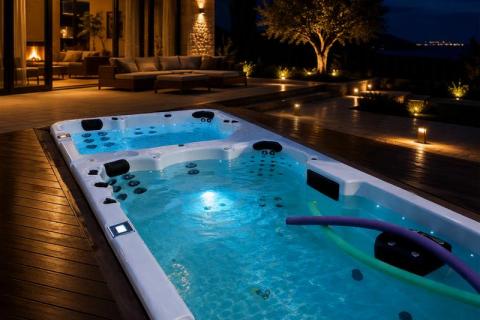
For families and businesses planning to use outdoor swim spas long-term, energy efficiency is not only related to monthly electricity bills, but also to equipment lifespan, environmental benefits, and overall return on investment.
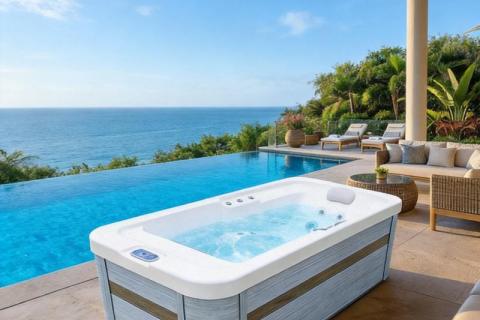
Modern outdoor swim spas come equipped with essential functions such as circulation filtration, constant-temperature heating, hydrotherapy massage, and smart controls. However, selecting the right accessories remains crucial for enhancing safety, comfort, energy efficiency, the exercise experience, and the ease of daily maintenance.
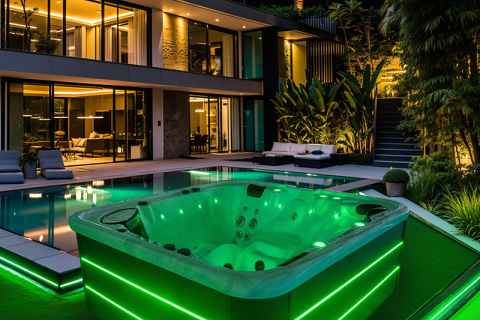
High-end outdoor hot tubs typically employ a combination of filtration methods rather than a single approach. Common configurations include cartridge filtration, micro-filtration, sand filtration, ozone purification, UV sterilization, and smart water quality management systems.
From a water treatment perspective, high chlorine levels do not directly generate large amounts of turbidity. However, chronic overuse of chlorine disrupts the spa hot tub's overall water chemistry balance.