


- Home
- >
News
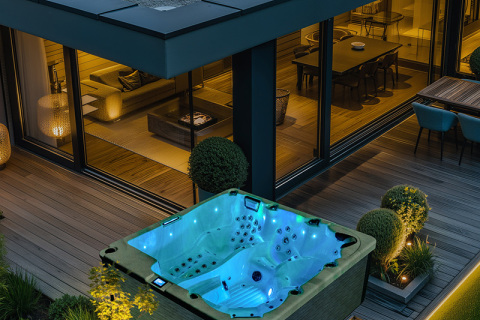
The most obvious difference between wholesale and retail purchases of outdoor hot tubs is the purchase quantity. Retail purchases are generally single-item purchases. Wholesale purchases, on the other hand, are typically characterized by large-scale operations. Purchase quantities can range from a few units, a dozen units, to dozens or even more.
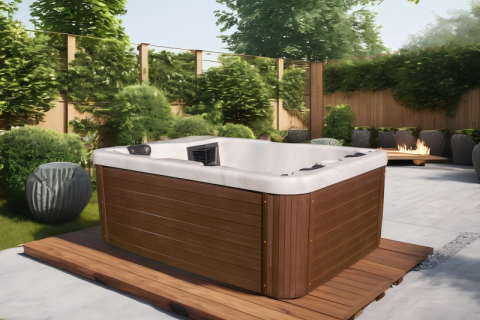
Actually, a well- made outdoor spa hot tub when installed, maintained, and used properly will usually be in a working condition for 10-15 years or more. With the use of high-grade components and an up-to-date and mature manufacturing process a hot tub can even last for more than 20 years.
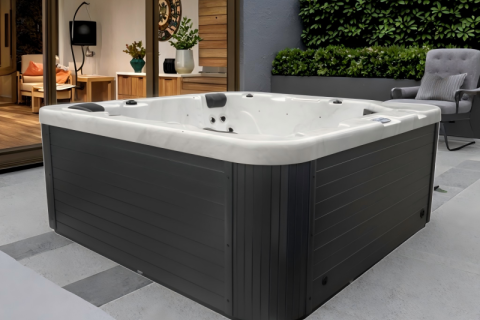
Since its establishment as the leader in R&D and manufacturing of outdoor spa hot tubs LOVIA® has been offering OEM/ODM solutions to clients abroad, helping clients in different countries building competitive brand of outdoor spa hot tub.
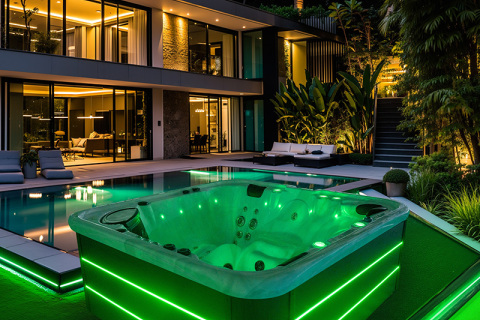
How to store an outdoor hot tub depends first on the "duration of non-use." If it's only a few days or weeks of non-use, there's no need to completely drain the equipment; if it's not used for more than a few months or even the entire winter, more thorough protection is required.
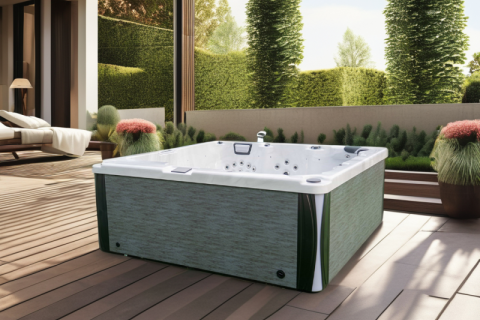
Generally, the production cycle for a standard outdoor spa hot tub is approximately 20-45 working days. Of course, the specific time will still be affected by order quantity, product configuration, production schedule, and raw material supply.
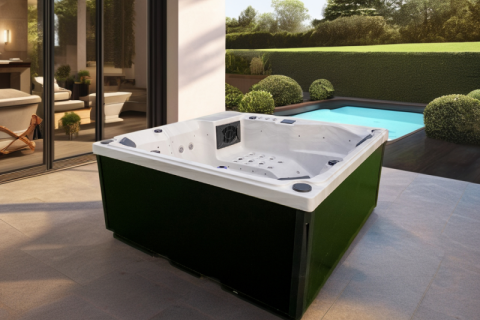
High Total Alkalinity Leading to Continuously Rising pH In outdoor hot bath water quality management, total alkalinity (TA) is one of the key factors affecting pH stability. Many users only focus on pH test results, neglecting the important role of TA.
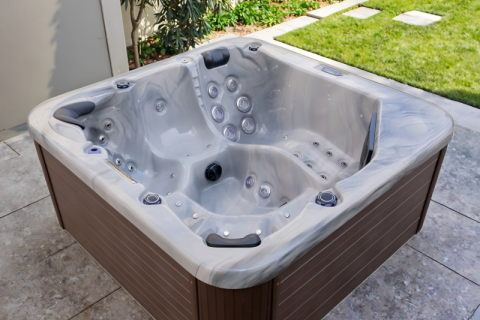
One of the main factors that set OEM and ODM apart is the ownership of the product design in the case of the outdoor spa hot tub products. In OEM, it is the branded product owner who specifies the product feature requirements with the manufacturer taking care of fabrication.
Eye Irritation Symptoms The eyes are among the parts of the body most sensitive to chlorine. When chlorine levels in an outdoor spa hot tub are high, or when irritating chlorine gas is present in the air, many users first experience eye discomfort.
Baking soda is mostly mentioned as one of the ways to take care of outdoor spa hot tub at home. But it should be noted that baking soda's major role is not to remove cloudiness or purify the water in any way but to control alkalinity and pH level.
LOVIA® has long put emphasis on making outdoor spa equipment, thus having the experience and capabilities to supply OEM solutions more effectively and reliably to its partner all over the world via large-scale production, comprehensive supply chain management and constant R&D investment, giving customers more options regarding cutting the overall purchasing costs.
One of the easiest ways to check if your spa hot tub filter is clogged is by feeling if your massage jets' pressure has dropped significantly or if the water flow is not as strong as it normally is when you are activating the hydrotherapy jets.
Scientifically speaking, chlorine does not adhere to the skin's surface for long periods. Once a person exits the whirlpool spa hot tub, moisture on the skin evaporates quickly, carrying away the vast majority of free chlorine through volatilization or rinsing.