


How to Change the Water in an Outdoor Spa Hot Tub in Winter?
2026-01-30 15:30In the cold winter months, many users wonder: can outdoor spa hot tubs still have their water changed normally in winter? Will the equipment freeze? Is the process much more complicated than in summer?
In fact, it's not that you can't change the water in a whirlpool spa hot tub in winter, but rather that it requires the correct method and thorough preparation. Improper operation can indeed lead to problems such as frozen pipes, equipment damage, and uncontrolled water quality.
This article will systematically explain how to change the water in an outdoor spa hot tub in winter, covering the necessity of changing the water, potential risks, the complete operation process, and key precautions, helping you safely and controllably change the water in your whirlpool spa hot tub in low-temperature environments.
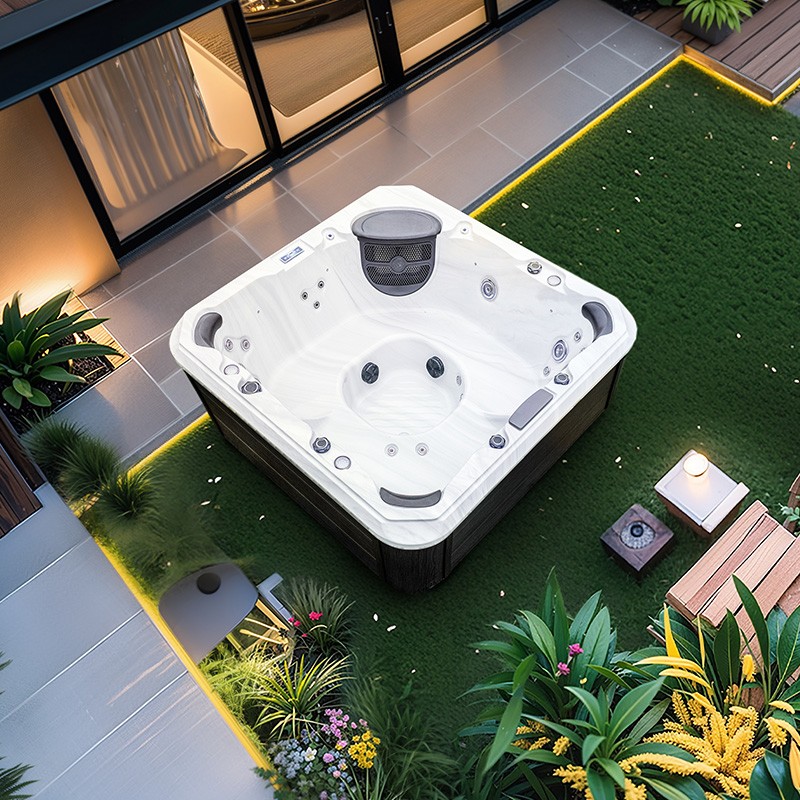
Why is it still necessary to change the water in a spa hot tub in winter?
Many people mistakenly believe that if the usage frequency is low in winter, they can go a long time without changing the water. However, spa hot tubs still need regular water changes in winter, mainly for the following reasons:
• Dissolved impurities in the water will continue to accumulate.
• Disinfection byproducts are more likely to remain in high-temperature environments.
• Human sebum and sweat still enter the water in winter.
• Not changing the water for a long time increases the burden on the pipes and internal equipment.
Even in winter, as long as the spa hot tub is still running or used intermittently, the water aging process will not stop. Therefore, whether to change the water depends on the water quality, not the season itself.
What are the biggest risks of changing the water in a spa hot tub in winter?
The biggest risks when changing the water in a spa hot tub in winter are mainly related to the "low temperature" itself:
• Pipes exposed to low temperatures during the draining process are prone to freezing.
• If the spa is shut down for too long after draining, residual water can freeze.
• Slow water filling speed means the equipment is in a waterless state for a long time.
• Hesitation during operation can lead to interruptions in the process.
Therefore, the core principle of changing water in winter is:
Minimize the time window of "no water, no heat."

What preparations are needed before changing the water in a spa hot tub in winter?
Thorough preparation is key to successful water changes before you begin. When changing the water in your whirlpool spa hot tub during winter, it's recommended to prepare the following conditions in advance:
• Choose a time when the temperature is relatively high and there is no strong wind.
• Ensure a readily available source of new water.
• Plan the drainage and refilling routes in advance.
• Ensure that drainage tools and hoses are intact and free of cracks.
• Ensure that the entire water change process can be completed in one go.
Changing water in winter is not suitable for a "step-by-step" approach; instead, aim for continuous operation.
Does the power need to be turned off when changing the water in a spa hot tub in winter?
This is a very crucial, yet often overlooked, question.
When changing water in winter, the spa hot tub's power must be turned off for the following reasons:
• To prevent the water pump from running dry.
• To avoid accidental activation of the heating system.
• To reduce electrical risks in low-temperature environments.
However, it's important to note:
Turning off the power does not mean prolonged downtime, but rather to safely complete the drainage and refilling process.
How to properly drain a spa hot tub in winter?
Drainage is the most problematic part of changing water in winter.
When draining a spa hot tub in winter, pay attention to the following:
• Use a drain valve or external hose to prevent water from flowing everywhere and freezing.
• Try to make the drainage process quick and continuous.
• Avoid exposing the equipment for extended periods after drainage.
• Observe whether the drainage is smooth and avoid localized residual water.
If conditions permit, draining the water while it still has some residual heat can effectively reduce the risk of freezing.

Does residual water in the spa hot tub need to be dealt with in winter?
The answer is: absolutely yes.
Even if the main body of water has been drained, residual water may still remain in the whirlpool spa hot tub:
• Water accumulated in low points of the pipes
• Water in the pump chamber
• Water in the nozzles and valves
In winter, if this residual water is exposed to low temperatures, it may freeze and expand, causing damage to the internal structure. Therefore, if conditions permit:
• Try to minimize the time between draining and refilling.
• Avoid prolonged "dry" periods.
What are the key points for refilling a spa hot tub in winter?
Refilling is the most critical step in changing water in winter. When filling a spa hot tub with water in winter, please note the following:
• Use tap water that is as cold as possible but not frozen.
• Keep the filling process continuous and avoid interruptions.
• The water level must reach the specified height before turning on the power.
• Avoid starting any system before the water filling is complete.
The goal of filling the water in winter is "quick and steady," not pursuing maximum speed.
How long does it take for a spa hot tub to reheat after changing the water in winter?
After filling the water, the whirlpool spa hot tub's heating system can be restarted as long as the following conditions are met:
• The water level reaches the safety line.
• There is no significant air in the pipes.
• The drain valve is completely closed.
In winter, the heating process may be slower than in other seasons, which is normal, and you should not frequently switch the equipment on and off.
Do I need to adjust the water quality parameters after changing the water in the spa hot tub in winter?
The answer is yes.
After new water enters the spa hot tub, the water quality parameters will almost certainly change, including:
• pH value
• Alkalinity
• Hardness
Due to the low water temperature and slow water stabilization in winter, water quality adjustment should be more patient and carried out in steps, avoiding adding excessive chemicals at once.
What should I pay attention to regarding the spa hot tub's filtration system when changing the water in winter?
The filtration system is equally crucial in winter.
During the water change process:
• The filter should be removed and inspected before draining the water.
• Reinstall it after the water filling is complete.
• Ensure the filtration system is working properly when it is first started.
Poor operation of the filtration system in winter may exacerbate localized freezing or abnormal water flow.
How long should the operation time be when changing the water in the spa hot tub in winter?
Compared to other seasons, it is not advisable to delay changing the water in the whirlpool spa hot tub in winter.
Ideally:
• Draining → Filling → Powering on → Heating should be completed in a short time.
• Avoid pausing for several hours or even overnight.
Changing the water itself is not dangerous; delays are the biggest source of risk in winter.

Is it possible to choose not to change the water and continue operating the spa hot tub in winter?
If the water quality is still good and disinfection and filtration are normal, you can indeed choose to postpone changing the water in winter. However, this does not mean you can go indefinitely without changing the water.
The following situations indicate that you should not delay any longer:
• Cloudy water or unusual odor
• Significant increase in chemical usage
• Increased burden on the filtration system
How to safely change the water in an outdoor spa hot tub in winter?
Changing the water in an outdoor spa hot tub in winter is not a technical challenge, but rather a test of process control and time management.
The core points can be summarized as follows:
• Thorough preparation before changing the water
• Minimize the time without water and heat
• Maintain continuous drainage and refilling
• Avoid prolonged exposure to low temperatures
• Restore normal operation promptly after changing the water
By following these principles, even in the cold winter, you can safely and smoothly complete the water change for your whirlpool spa hot tub, ensuring both healthy water quality and the stable operation of the equipment.
How does LOVIA SPA help Buyers plan for seasonal demand?
LOVIA SPA monitors global market cycles and advises Buyers on purchasing timelines, stock levels, and promotional opportunities. Wholesale clients can buy in advance at discounted prices during off-season periods. Our factory adjusts production schedules to support large peak-season orders.
With flexible quotes, stable prices, and long-term planning assistance, LOVIA SPA becomes a strategic partner—not just a manufacturer—helping you manage demand and maximize profit.