


- Home
- >
News

Sodium Thiosulfate: The most common bromine neutralizer In the pool and spa industry, sodium thiosulfate is widely used to neutralize both chlorine and bromine. It works through a reduction reaction, converting active bromine into bromide ions, which lack disinfecting capabilities.
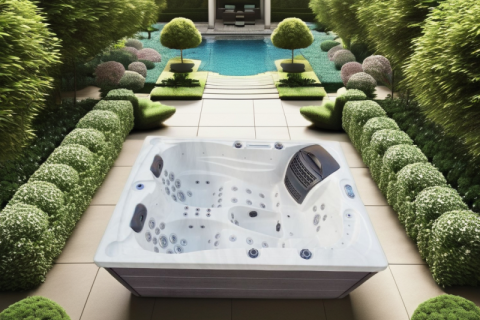
The most effective method for reducing cyanuric acid in outdoor hot tubs: Partial water replacement Unfortunately, there are currently no cost-effective, proven chemical agents capable of directly breaking down large amounts of cyanuric acid. Therefore, the dilution method remains the most effective approach.
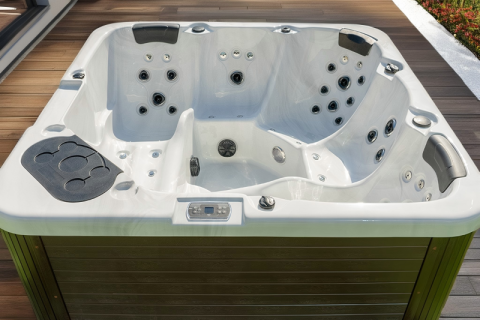
Replacing Aging Seals The rubber O-rings used in most outdoor spa hot tubs have a lifespan of approximately 3 to 5 years. Beyond this period, their elasticity and sealing performance deteriorate significantly, even if there is no visible damage.
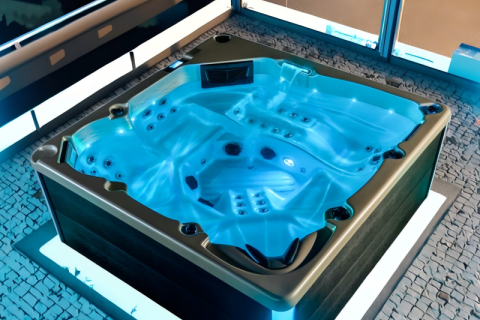
No. Outdoor spa hot tubs are not suitable for small stones. This is not merely a conservative recommendation intended to restrict user behavior; it is a conclusion drawn from numerous equipment failure cases, repair data, and engineering design principles.
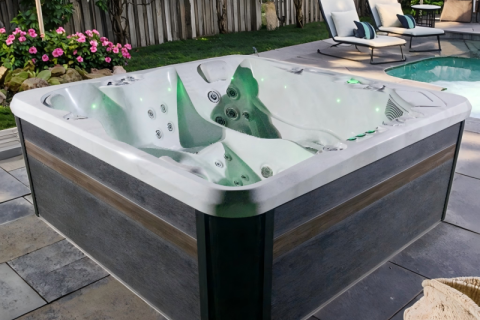
Rinse your body with fresh water as soon as possible. Many people rest immediately after using an outdoor hot tub, but a quick rinse helps remove residual disinfectants, minerals, and other impurities from the skin's surface, thereby reducing irritation.

In reality, the impact of mold in an outdoor hot tub on the human body depends on the type of mold, the quantity, and the method of exposure. For most healthy adults, occasional exposure to small amounts of environmental mold does not necessarily cause significant problems.
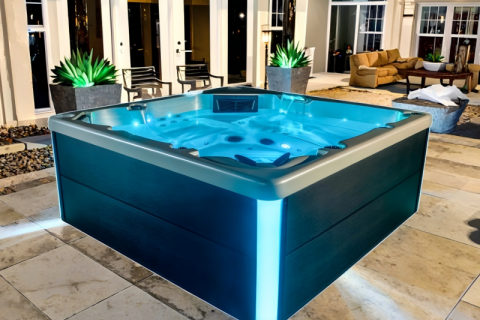
In many cases, a leaking jet in a spa hot tub does not result in water spraying directly outward; instead, the water slowly seeps inward into the insulation layer, making it difficult for users to detect the problem immediately. Eventually, the water will trickle down to the bottom of the unit.

In fact, the issue of limescale in spa hot tubs is not merely a simple matter of "cleanliness"; rather, it involves a complex interplay of factors such as water hardness, mineral content, temperature fluctuations, chemical balance, and equipment maintenance.
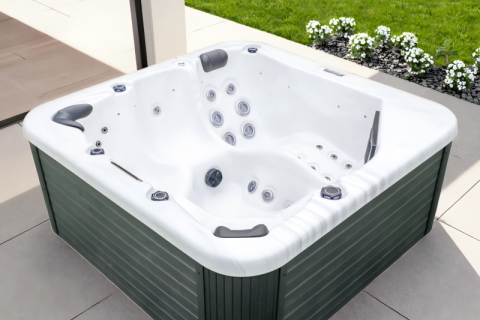
Sunlight contains multiple wavelengths, but UV radiation has the greatest impact on the chlorine content of hot tubs. UV radiation has sufficient energy to: • Break the chemical bonds of chlorine molecules • Convert effective disinfecting chlorine into chloride ions, which have no disinfecting ability
A spa hot tub filter is nearing the end of its lifespan, even if it can still be installed and used, when the following conditions occur: • Significantly obstructed water flow • Limited recovery of effect after cleaning • Slower rate of water quality improvement
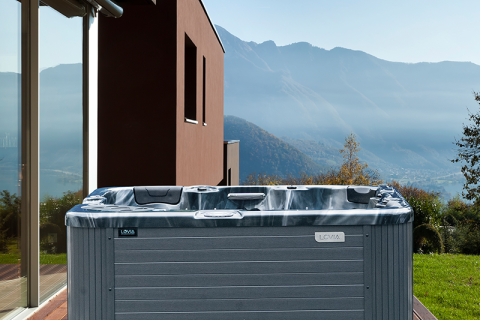
Many people's first reaction to seeing foam is "a problem with the disinfectant," but in reality, foam itself is not directly produced by disinfectants. In a spa hot tub is usually caused by the following substances: • Oily substances • Organic residues • Cleaning agent or toiletries residues • Dissolved organic contaminants
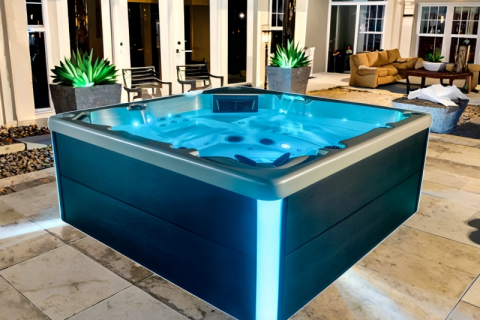
A garden site suitable for a spa hot tub typically exhibits the following logical characteristics: • A stable ground structure with reliable load-bearing capacity. • Excellent drainage conditions. • A location situated away from areas prone to prolonged dampness. • Ease of access for both use and maintenance.