


- Home
- >
News
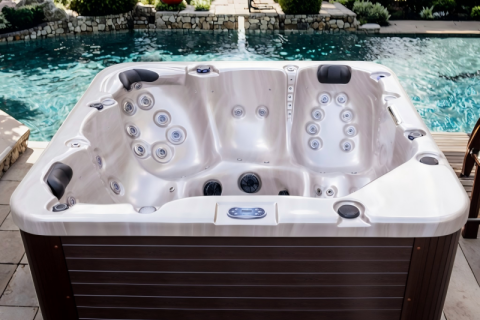
As a leading Chinese manufacturer of outdoor spa equipment, LOVIA® has long focused on the R&D, manufacturing, and export of wellness products such as hot tubs and swim spas. Recognized as one of China's top five spa brands in 2019, the company continues to serve numerous mature markets globally.
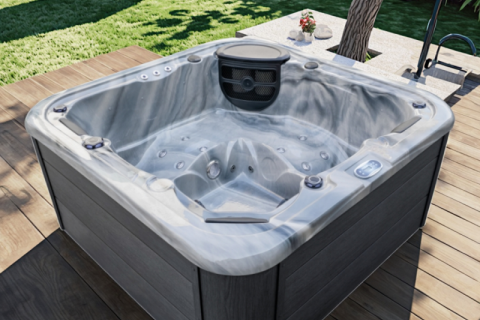
While yeast does thrive in warm, humid environments, modern outdoor hot tubs, if properly maintained, typically maintain a suitable concentration of disinfectants, such as chlorine or bromine, in the water. These disinfectants inhibit not only bacteria but also most microorganisms, including yeast.
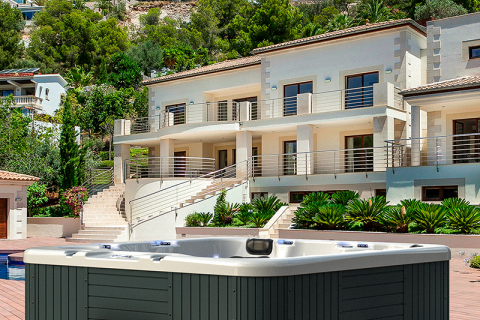
Uncompacted backfill soil is the type of foundation most prone to settlement. Many courtyards install outdoor hot tubs directly after landscaping is completed. If the soil layer isn't properly compacted, natural settlement over several years can affect the stability of the equipment.
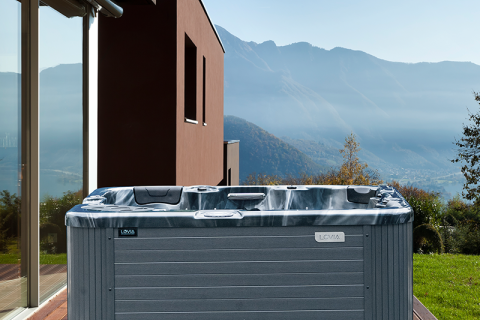
Signal 1: The color of the plastic begins to become noticeably lighter or yellow Signal 2: The surface loses its luster and appears powdery. Signal 3: Small cracks appear Signal 4: The plastic becomes brittle and lacks toughness when pressed Signal 5: The nozzle or control component begins to loosen Sign 6: Water seepage around plastic joints Sign 7: Plastic parts are prone to scratches
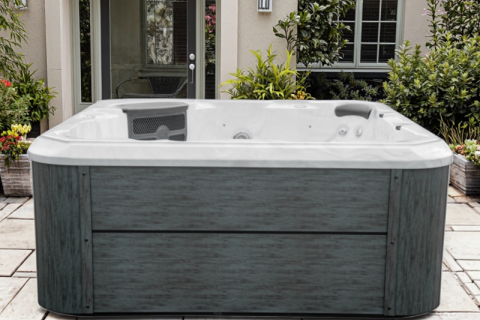
Yes. If a spa hot tub does not undergo a wet test, the following issues are often difficult to detect in time: •Minor leaks or seepage points •Fittings loosening under water pressure •Abnormal plumbing vibration •Uneven water flow distribution
Scientifically, shock treatment for spa hot tubs should not be determined by rigidly following a calendar; instead, it should be based on the actual condition of the water. However, since changes in water conditions follow predictable patterns, practical management usually employs a combined "time plus status" assessment method.
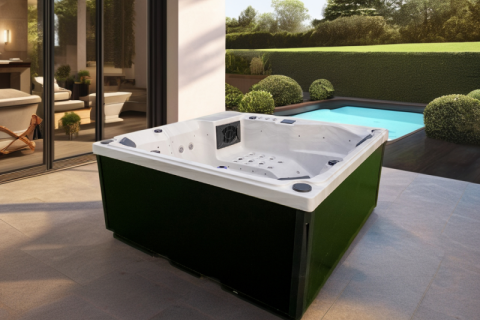
Removing sand from a spa hot tub requires following a clear, logical sequence: 1.Stop agitating the water to allow the sand to settle completely. 2.Focus cleaning efforts specifically on the areas where sand has accumulated. 3.Avoid stirring up the sand again during the cleaning process. 4.Follow up with appropriate water quality and filtration maintenance.
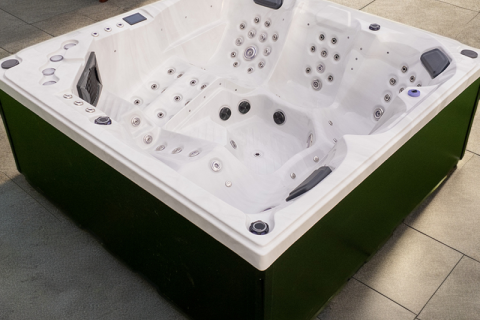
Discoloration Caused by Excessive Metal Content in the Water This is one of the most common reasons for water yellowing in whirlpool spa hot tubs. • Iron (Fe) • Manganese (Mn) These metals typically originate from: • Tap water pipes • Well water • Untreated water sources used for refilling
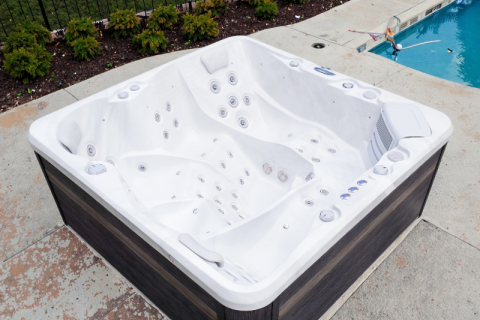
Saunas are typically experienced at higher temperatures, resulting in a more pronounced increase in heart rate and a more direct stimulus to the cardiovascular system. In contrast, the water temperature in a spa hot tub is generally more controllable, leading to a milder and more gradual cardiovascular response.
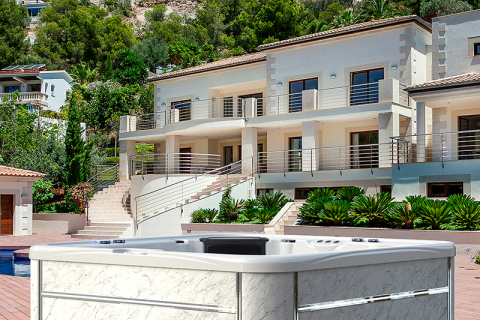
Spa hot tubs are typically set to temperatures between 37°C and 40°C (98°F and 104°F). While this temperature range is comfortable and relaxing for non-pregnant adults, it may pose risks to pregnant women. Consequently, the medical consensus is that one should avoid prolonged immersion in high-temperature spa hot tubs while pregnant.
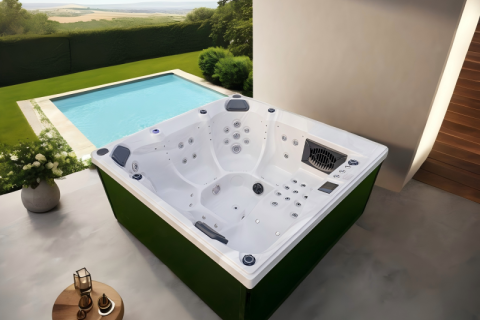
One of the core characteristics of a spa hot tub is that the water is above body temperature, typically around 37–40°C. While this temperature promotes blood circulation and relaxes muscles in normal skin, it has a dual effect on sunburned skin.
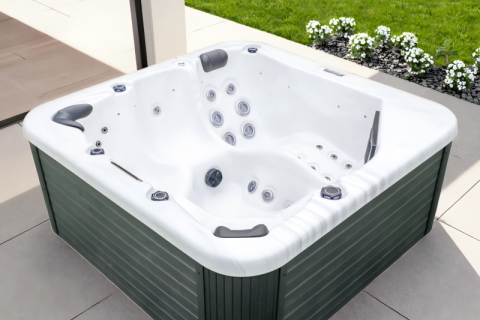
Sunlight contains multiple wavelengths, but UV radiation has the greatest impact on the chlorine content of hot tubs. UV radiation has sufficient energy to: • Break the chemical bonds of chlorine molecules • Convert effective disinfecting chlorine into chloride ions, which have no disinfecting ability