


Will I get a yeast infection from an outdoor whirlpool hot tub?
2026-07-18 15:30Whether relaxing in the cold winter or relieving muscle fatigue after exercise, outdoor whirlpool spa hot tubs offer a comfortable spa experience. However, with the increasing popularity of outdoor whirlpool hot tubs, health and hygiene concerns are receiving more and more attention from consumers. One of the most common questions is: "Will I get a yeast infection from an outdoor hot tub?" This is especially true for first-time outdoor hot tub buyers or those who frequently use public outdoor whirlpool hot tubs in hotels, guesthouses, and spas.
In fact, online discussions about infections from outdoor whirlpool hot tubs are rampant, with some articles even directly linking yeast infections to hot tubs, which can easily mislead consumers. From a medical perspective, yeast infections are indeed a relatively common problem, but whether it is truly directly caused by outdoor whirlpool spa hot tubs requires scientific analysis. The answer is not a simple "yes" or "no," but rather a comprehensive judgment based on multiple factors, including water quality management, equipment maintenance, personal hygiene habits, and the usage environment.
According to publicly available medical statistics, approximately 75% of women will experience at least one vaginal yeast infection in their lifetime, and about 40% to 45% may experience more than two recurrences. Meanwhile, human skin itself contains a large amount of normal flora, including a small amount of yeast. In other words, yeast itself is not entirely from the external environment, but is part of the normal human microbiome.
When the local environment changes, these normally balanced microorganisms may overgrow, leading to infection. Therefore, before discussing whether outdoor whirlpool hot tubs cause yeast infections, we first need to understand what yeast actually is and the true causes of infection.
This article will provide a detailed analysis of the relationship between outdoor whirlpool spa hot tubs and yeast infections, helping consumers correctly understand the sources of risk and master the scientific and safe methods of using outdoor whirlpool hot tubs.
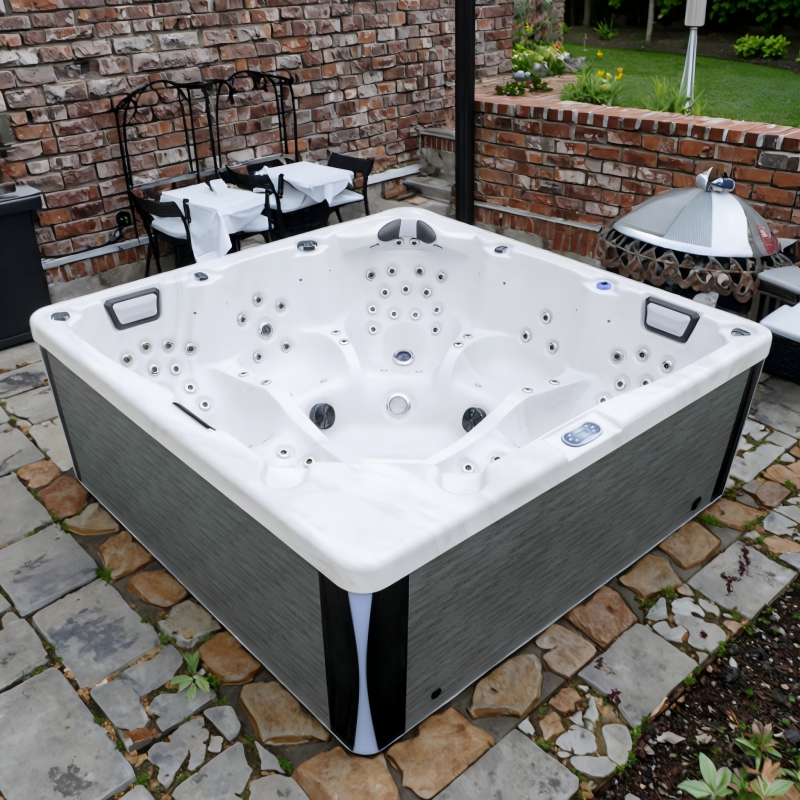
Why are many people worried about yeast infections from outdoor hot tubs?
Yeast infections are usually caused by the overgrowth of Candida albicans, a species of Candida. This type of microorganism is widely present on human skin, in the mouth, digestive tract, and female reproductive tract, and in most cases does not cause disease because the normal human flora maintains a microecological balance. Yeast can proliferate rapidly, leading to infection, when the immune system is weakened, the local environment is humid, antibiotics are used long-term, blood sugar is poorly controlled, or hormone levels change.
Many consumers worry about outdoor whirlpool spa hot tubs because they have several characteristics that easily evoke yeast growth: warmth, a watery environment, shared use, and high humidity. Intuitively, this seems to provide an ideal environment for fungi, leading many to mistakenly believe that simply entering an outdoor whirlpool hot tub will easily result in a yeast infection.
In reality, this understanding is not entirely accurate. While yeast does thrive in warm, humid environments, modern outdoor whirlpool hot tubs, if properly maintained, typically maintain a suitable concentration of disinfectants, such as chlorine or bromine, in the water. These disinfectants inhibit not only bacteria but also most microorganisms, including yeast. Therefore, a well-maintained outdoor whirlpool spa hot tub will not become a breeding ground for yeast.
The real problem usually lies in poorly maintained equipment. If the filtration system fails, the water quality is not tested for a long time, or the disinfectant concentration is insufficient, the number of microorganisms can increase rapidly, thereby increasing the risk of various infections. However, it's important to emphasize that even so, the risk of infection isn't limited to yeast; it also includes other bacteria, fungi, and microorganisms.
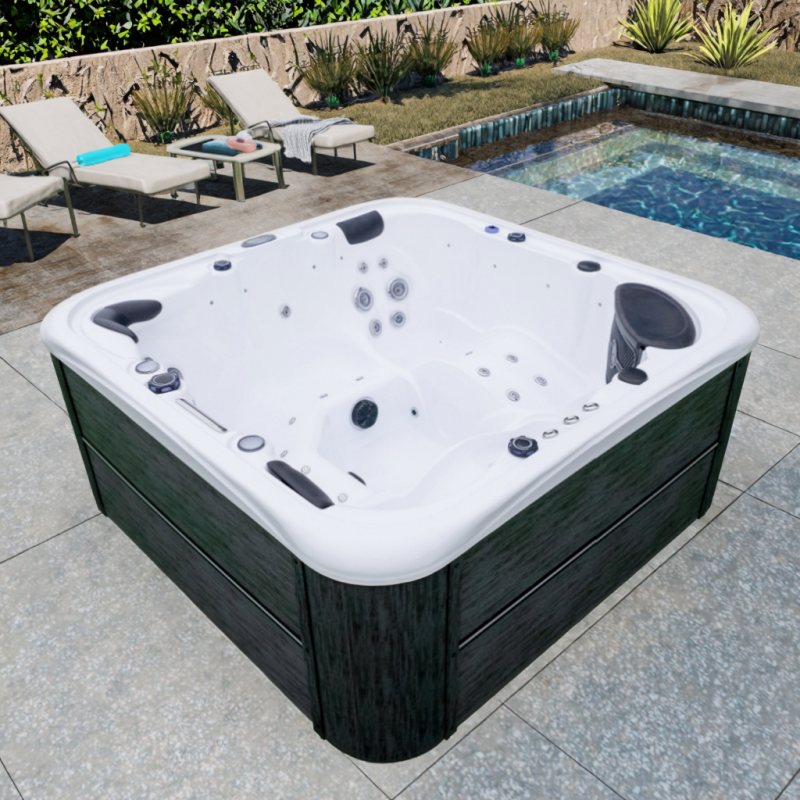
Does an outdoor whirlpool hot tub really directly cause yeast infections?
Current medical research doesn't provide sufficient evidence that an outdoor whirlpool hot tub itself directly causes yeast infections. More accurately, while outdoor hot tubs may create environments conducive to yeast growth, the actual cause of infection is often a combination of factors, not simply the use of the hot tub.
For example, prolonged soaking in warm water can make the skin and mucous membranes more moist, altering the local environment. If wet swimwear isn't changed or the body isn't cleaned promptly afterward, and if the individual has a weakened immune system, diabetes, or recent antibiotic use, the probability of excessive yeast growth may increase.
In other words, an outdoor whirlpool hot tub is more of a "triggering factor" than a "root cause." If the equipment is properly maintained, the water quality meets standards, and the individual maintains good hygiene habits, normal use of an outdoor whirlpool hot tub usually won't directly cause a yeast infection.
It's worth noting that the risk of infection from public outdoor whirlpool spa hot tubs is generally higher than from household facilities. Hotels, hot springs, fitness centers, and other public facilities receive a large number of users daily. If maintenance is insufficient or water quality testing is inadequate, the likelihood of contamination by various microorganisms increases. Therefore, public facilities require more attention to hygiene management than residential outdoor whirlpool spa hot tubs.
Why does a warm and humid environment easily lead people to mistakenly believe that outdoor hot tubs are more dangerous?
Warmth and humidity are indeed a favorable environment for fungal growth, that's undisputed. Outdoor hot tubs are typically maintained between 37°C and 40°C, and during use, people constantly introduce sweat, sebum, cosmetic residue, and other organic matter. Without effective filtration and disinfection, these substances can become a nutrient source for microbial proliferation.
However, modern outdoor hot tubs are designed not just as containers filled with hot water, but as complete water circulation systems. High-quality outdoor hot tubs typically include circulation pumps, filters, ozone or ultraviolet-assisted disinfection systems, and chemical disinfectant management systems. This means the water is constantly circulated and filtered, maintaining a stable disinfection capacity.
Industry data shows that under proper maintenance, outdoor whirlpool spa hot tub water typically completes a full cycle of filtration every 15 to 30 minutes. This filtration system removes a large number of suspended particles, and combined with disinfectants such as chlorine or bromine, significantly reduces microbial survival rates. Therefore, the key factor affecting hygiene and safety is not water temperature, but the quality of maintenance.
Many reports of "hot tub infections" ultimately point to the same cause: inadequate equipment maintenance, not the hot tub itself.
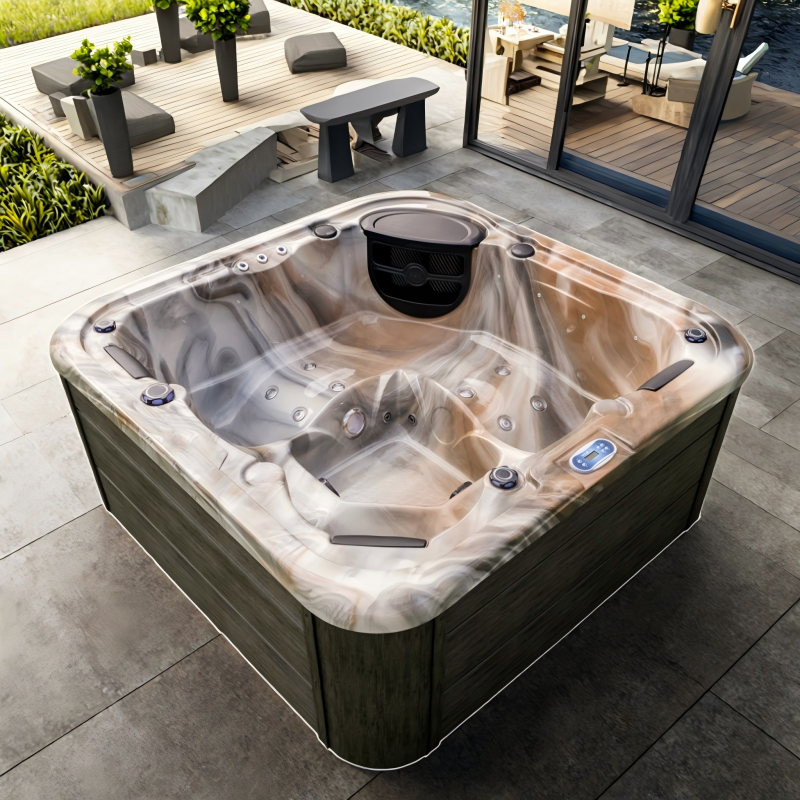
Under what circumstances might using an outdoor hot tub increase the risk of infection?
While properly maintained outdoor whirlpool spa hot tubs pose a low risk, the following situations can indeed increase the chances of infection and therefore require special attention:
First, improper water quality management. If the disinfectant concentration is consistently below the recommended range, or the pH level is severely imbalanced, microorganisms may multiply rapidly. It is generally recommended to maintain free chlorine in outdoor whirlpool spa hot tubs at 3 to 5 ppm, or maintain an appropriate bromine concentration as required by the equipment, while controlling the pH level between 7.2 and 7.8.
Second, the filter may not be cleaned or replaced for a long time. The filtration system removes dander, hair, and organic contaminants from the water. If the filter becomes clogged, circulation efficiency decreases, and microorganisms accumulate more easily. Therefore, it is recommended to check the filter weekly based on usage frequency, clean it approximately every two weeks, and replace it regularly as recommended by the manufacturer.
Secondly, continuous use by multiple people without timely water treatment is a risk. When multiple people share a jacuzzi outdoor spa hot tub, the amount of contaminants introduced by people increases significantly. Without timely replenishment of disinfectant or shock treatment, water quality can deteriorate rapidly.
Furthermore, if users have broken skin, open wounds, or obvious symptoms of infection, it is not recommended to enter a jacuzzi outdoor spa hot tub to avoid increasing the health risks to themselves and others.
How to safely use an outdoor hot tub and reduce the risk of yeast infection?
Using a jacuzzi outdoor spa hot tub safely is not complicated; simply developing some good habits can significantly reduce the risk of infection.
First, it is best to shower before entering a jacuzzi outdoor spa hot tub. This not only removes sweat, oil, and skincare product residue but also reduces the amount of contaminants entering the water. According to industry research, a simple shower can reduce organic contaminants entering the tub by approximately 30%.
Second, it is not recommended to wear wet swimwear for extended periods. After soaking, change into dry clothes as soon as possible and keep your body, especially the genital area, dry. Prolonged dampness disrupts the local bacterial balance more easily than short soaks.
Third, avoid prolonged, continuous soaking. It is generally recommended to limit each jacuzzi outdoor spa hot tub session to 15 to 30 minutes. This not only helps the body regulate itself but also reduces the skin's exposure to high temperature and humidity for extended periods.
In addition, water quality should be tested regularly, filters cleaned promptly, and water changed as required. For home outdoor hot tubs, it is generally recommended to completely replace all water every three to four months, with the specific timing adjusted based on usage frequency.
Home Outdoor Hot Tubs vs. Public Outdoor Hot Tubs: Which is Safer?
From a hygiene management perspective, home outdoor hot tubs are generally easier to control risks. This is because the number of users in a home is fixed, water quality management is controlled by the user, and testing and maintenance can be carried out according to a fixed schedule.
In contrast, public outdoor hot tubs may receive dozens or even hundreds of users daily, introducing far more contaminants than the home environment. If the operator's maintenance is not up to standard, the risk of infection naturally increases.
Of course, not all public jacuzzi outdoor spa hot tubs are unsafe. Reputable hotels, spas, and high-end resorts typically test water quality according to industry standards and maintain their circulation, filtration, and disinfection systems in good working order, ensuring high hygiene standards.
Therefore, the key to jacuzzi outdoor spa hot tubs, whether for homes or public spaces, lies in maintenance, not ownership.
Other Hygiene Issues to Consider with Outdoor Hot Tubs
Besides yeast infections, consumers should be more concerned about other water-related hygiene issues, such as bacterial folliculitis, ear infections, and certain opportunistic infections. These problems are more likely to occur in poorly maintained equipment.
However, this does not mean that jacuzzi outdoor spa hot tubs are inherently dangerous. On the contrary, modern high-quality outdoor hot tubs significantly reduce various hygiene risks through filtration systems, ozone and ultraviolet-assisted disinfection, and standardized chemical management.
For ordinary households, as long as they are maintained regularly according to the instructions, water quality is kept stable, and the equipment is used correctly, jacuzzi outdoor spa hot tubs remain a safe, comfortable, and healthy home leisure facility.
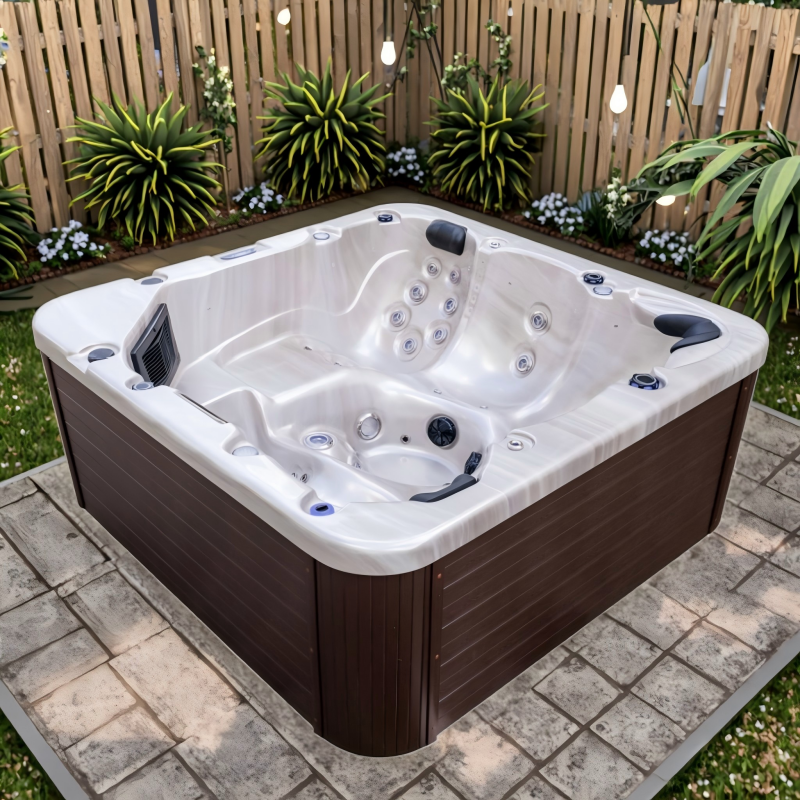
FAQ
Can outdoor hot tubs directly transmit yeast infections?
Currently, there is insufficient evidence to suggest that well-maintained outdoor hot tubs directly transmit yeast infections. The risk is more related to water quality management and individual health conditions.
How to determine if the water quality of a jacuzzi outdoor spa hot tub is safe?
Regularly test free chlorine or bromine concentration, pH level, and total alkalinity. Maintain the filtration system in proper working order and change the water and clean the filter as recommended.
Should I shower immediately after using a jacuzzi outdoor spa hot tub?
It is recommended to rinse your body briefly and change into dry clothes as soon as possible. This helps reduce residual disinfectant on the skin and keeps the area dry, thus reducing the risk of infection.
Is a public outdoor hot tub more likely to cause infection than a home outdoor hot tub?
If not properly maintained, the risk of infection from a public outdoor hot tub is generally higher than from a home facility. However, properly managed public places can maintain a high level of hygiene.
How to reduce the risk of infection after using a jacuzzi outdoor spa hot tub?
Maintaining good personal hygiene, controlling soaking time, regularly maintaining the jacuzzi outdoor spa hot tub, ensuring the water quality meets standards, and avoiding use when there are existing infections or open wounds are all effective ways to reduce the risk.