


Why Is the Water in My Spa Hot Tub Yellow?
2026-06-10 15:35During the use of a spa hot tub, many users encounter a perplexing issue: the water—originally crystal clear and transparent—gradually turns a pale yellow, light brown, or even a yellowish-green hue. This change often occurs imperceptibly, yet it immediately triggers concerns regarding water safety, equipment condition, and the overall user experience.
So, why does the water in a whirlpool spa hot tub turn yellow? Does this indicate that the water has become contaminated? Could it damage the equipment or pose a risk to human health? In reality, the yellowing of spa hot tub water is rarely caused by a single factor; rather, it is the result of the combined interplay of various water chemistry factors, equipment-related issues, and user habits.
From a professional perspective, this article will systematically analyze the primary causes of water yellowing in whirlpool spa hot tubs, methods for diagnosing the issue, and strategies for resolving it, helping you gain a comprehensive understanding of this phenomenon.
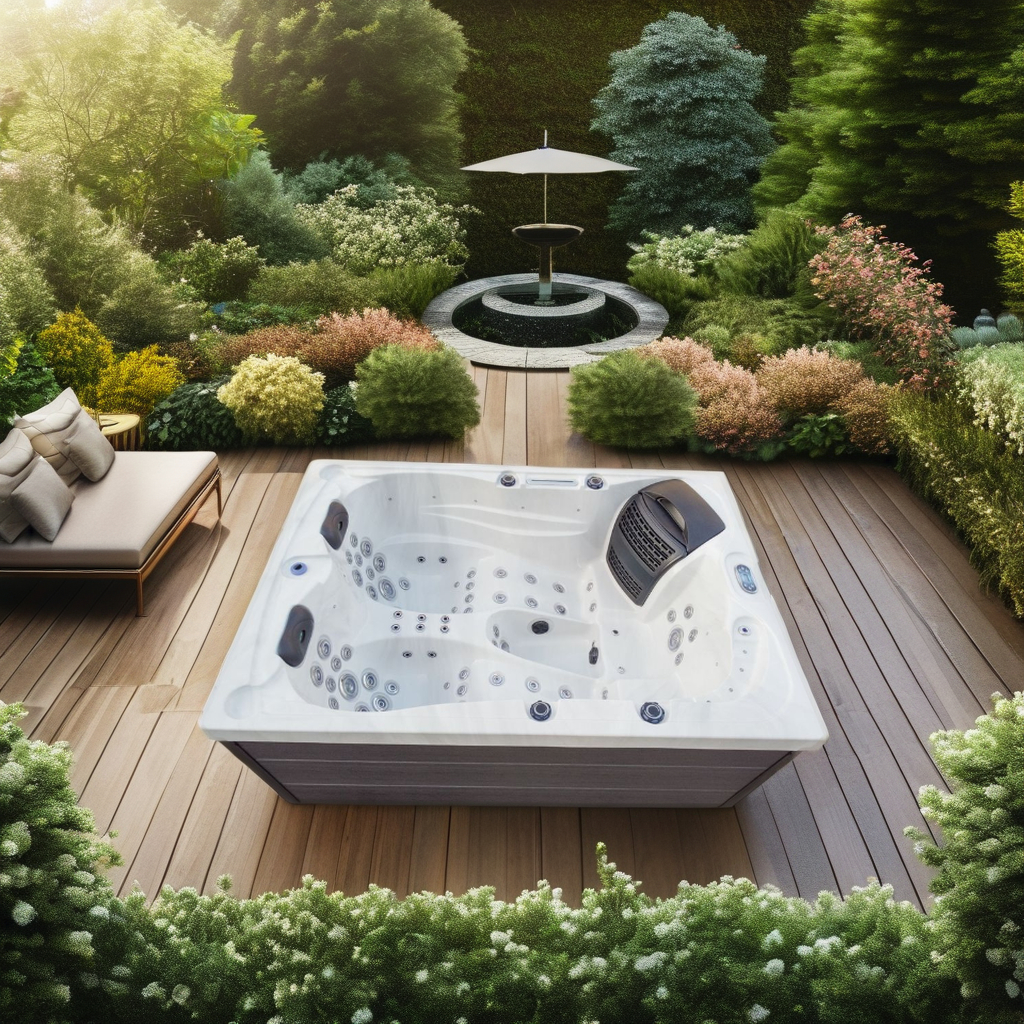
Is Yellowing Water in a Spa Hot Tub Normal?
Strictly speaking, the water in a spa hot tub should not appear distinctly yellow. When water chemistry is properly balanced, sanitization is adequate, and the filtration system is functioning correctly, the water in a spa hot tub should be clear, colorless, or possess a faint bluish tint.
If the water exhibits a noticeable yellow discoloration, it typically indicates that one of the following issues is occurring:
•Chemical reactions involving dissolved substances in the water
•Abnormally high levels of metallic elements
•Accumulation of organic contaminants
•Imbalances in water chemistry parameters
Therefore, yellowing water in a spa hot tub is not a "normal state," but rather a warning signal that requires identification and correction.
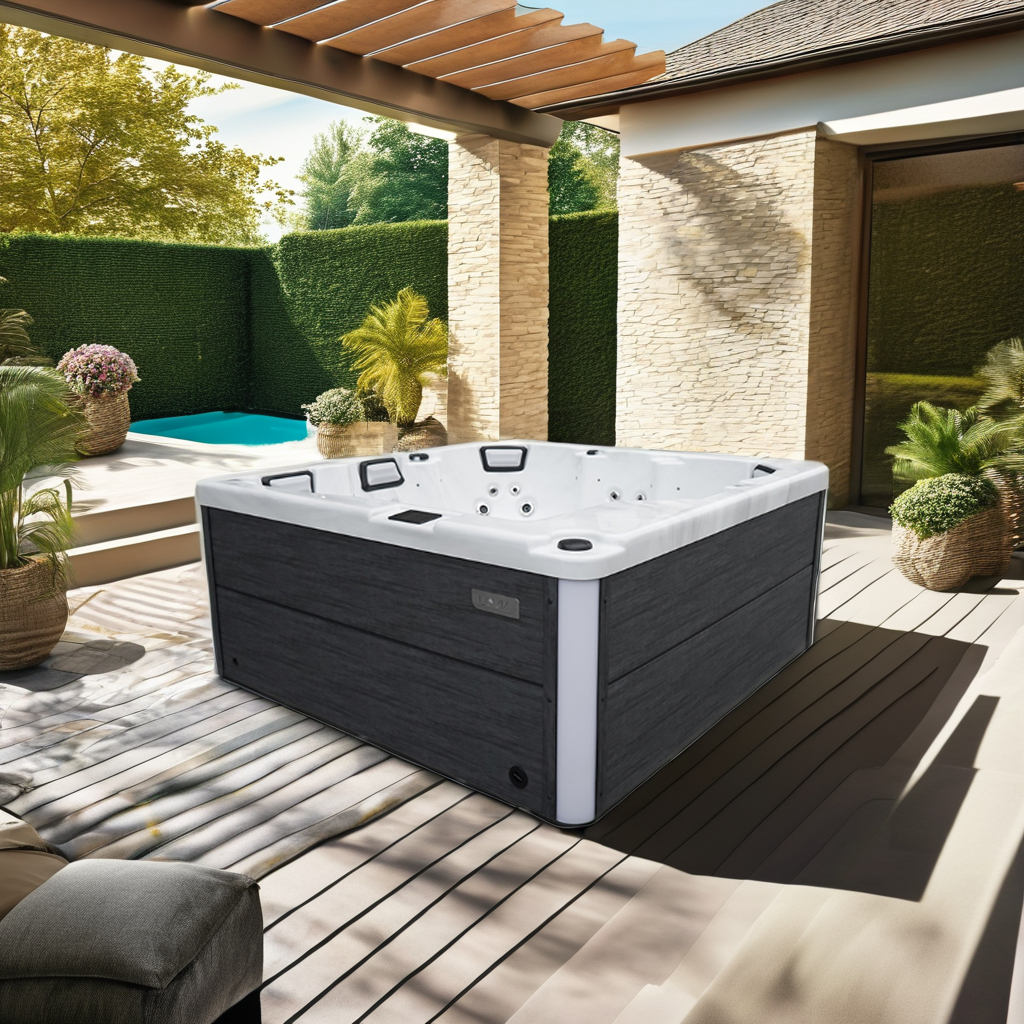
Why Does the Water in a Spa Hot Tub Turn Yellow?
The causes behind water yellowing in a whirlpool spa hot tub can be broadly categorized into the following groups, each of which is closely linked to proper water management.
1. Discoloration Caused by Excessive Metal Content in the Water
This is one of the most common reasons for water yellowing in whirlpool spa hot tubs.
•Iron (Fe)
When water contains dissolved iron ions, oxidation—or contact with sanitizing agents—can easily trigger the formation of yellow or brownish-yellow precipitates.
•Manganese (Mn)
When manganese present in the water undergoes oxidation, it causes the water to take on a yellowish-brown or dark yellow appearance.
These metals typically originate from:
•Tap water pipes
•Well water
•Untreated water sources used for refilling
In spa hot tubs, the combination of high temperatures and a highly oxidizing sanitizing environment accelerates the oxidation of metal ions, making color changes more likely to occur.
2. Reactions Between Sanitizers and Impurities
Sanitizers are essential for whirlpool spa hot tubs; however, when these sanitizers react with certain substances present in the water, they can cause the water to turn yellow.
Common scenarios include:
•Sanitizers reacting with metal ions
•Sanitizers oxidizing organic matter
•Uneven distribution of sanitizers
Particularly shortly after sanitizers have been added to a whirlpool spa hot tub—if the water itself contains impurities—the appearance of a yellow tint within a short period is a fairly typical occurrence.
3. Accumulation of Organic Contaminants in the Water
Spa hot tubs constitute a high-temperature environment shared by multiple users, leading to a relatively rapid accumulation of organic matter.
Common organic contaminants include:
•Sebum (skin oils)
•Perspiration
•Cosmetic residue
•Sunscreen
•Residues from personal care products
These substances undergo gradual oxidation within the whirlpool spa hot tub; the resulting oxidation byproducts often appear pale yellow or light brown, thereby altering the overall color of the water.
4. Imbalance in Spa Hot Tub Water Chemistry Parameters
An imbalance in water chemistry parameters is a fundamental underlying factor contributing to abnormal water coloration.
Key parameters include:
•pH level
•Total Alkalinity
•Calcium Hardness
When these indicators fall outside their optimal ranges:
•Metals are more prone to precipitating out of solution
•Organic matter becomes more difficult to break down effectively
•Sanitizer efficacy is reduced
The result is that the water in the whirlpool spa hot tub gradually turns yellow, or may even become cloudy.
Does Yellow Water Mean the Spa Hot Tub Is Unsafe?
Upon seeing the water turn yellow, the primary concern for many users is the potential health risks involved.
From a professional perspective:
•The yellowing of the water itself does not necessarily pose an immediate health risk.
•However, it often indicates underlying issues with water quality management.
Potential risks include:
•Reduced disinfection efficiency, making it easier for microorganisms to proliferate.
•Excessive metal content, which may cause skin irritation.
•The accumulation of organic pollutants, which can negatively impact user comfort.
Therefore, if the water in your whirlpool spa hot tub turns noticeably yellow, it is not advisable to continue using it for an extended period; instead, you should identify the root cause and adjust the water quality as soon as possible.
How can you pinpoint the specific reason why your spa hot tub water has turned yellow?
To accurately diagnose the cause, consider the following factors:
1. Observe the timing of the color change:
•Turns yellow immediately after adding water → Likely a metal-related issue.
•Turns yellow after adding sanitizer → Highly likely to be a chemical reaction.
•Turns yellow after a period of use → Indicates an accumulation of organic matter.
2. Test water quality parameters:
•Is the pH level too high or too low?
•Does the alkalinity deviate from the recommended range?
•Are the water hardness levels abnormal?
3. Check the status of the filtration system:
•Are the filter cartridges dirty or clogged?
•Is the water circulation adequate?
If the efficiency of the whirlpool spa hot tub's filtration system declines, it can accelerate changes in the water's color.
Are yellow water and cloudy water in a spa hot tub the same thing?
This is a common point of confusion.
•Yellow water: Primarily caused by dissolved substances or chemical reactions.
•Cloudy water: Typically associated with suspended particles, microorganisms, or inadequate filtration.
Of course, in practice, these two conditions may occur simultaneously, indicating that the overall water quality management of the spa hot tub has become significantly unbalanced.
What problems can arise from prolonged yellowing of spa hot tub water?
If the water in a whirlpool spa hot tub remains yellow for an extended period, it may lead to the following potential issues:
•Formation of deposits on the inner walls of pipes and jets.
•Increased risk of scale buildup or corrosion within the heating system.
•Reduced lifespan of filter cartridges.
•Increased costs for water maintenance.
From an equipment maintenance standpoint, ignoring the issue of yellowing water often leads to more serious problems down the line.
How can you prevent spa hot tub water from turning yellow by addressing the issue at the source?
From a fundamental standpoint, the following key areas can be clearly identified:
•Controlling the quality of the makeup water source
•Maintaining the stability of water chemistry parameters
•Judiciously applying disinfectants
•Ensuring the continuous and efficient operation of the filtration system
Collectively, these factors determine the long-term stability of the water within a whirlpool spa hot tub.
Yellow Water: A Warning Sign Regarding Your Spa Hot Tub’s Water Quality
When the water in a whirlpool spa hot tub turns yellow, it is not a minor issue that can be simply overlooked. Rather, it often serves as a composite indicator of the presence of metals or organic matter in the water, or of anomalies in key water quality parameters. By understanding the root causes behind this discoloration, you can approach the phenomenon more rationally, avoiding the pitfall of making erroneous judgments based solely on the water's color.
Maintaining crystal-clear water in your whirlpool spa hot tub is not merely a matter of enhancing the user experience; it also directly impacts the lifespan of the equipment and the associated maintenance costs. Consequently, paying prompt attention to—and conducting a thorough analysis of—any changes in the water's color is the key to the proper and scientific operation of your spa hot tub.