


Do Spa Hot Tubs and Saunas Offer the Same Health Benefits?
2026-06-10 15:30In the pursuit of health and relaxation, spa hot tubs and saunas are often mentioned in the same breath. Since both center on the use of "heat"—and are widely believed to aid in physical relaxation, stress relief, and overall comfort—many people are left wondering:
Do spa hot tubs and saunas offer the same health benefits?
The answer is not a simple "yes" or "no." While whirlpool spa hot tubs and saunas do share some overlapping health effects, they differ fundamentally in terms of their heat sources, mechanisms of action, physiological responses, and suitability for different individuals. Understanding these distinctions can help you make a more informed choice regarding which method best suits your personal needs.
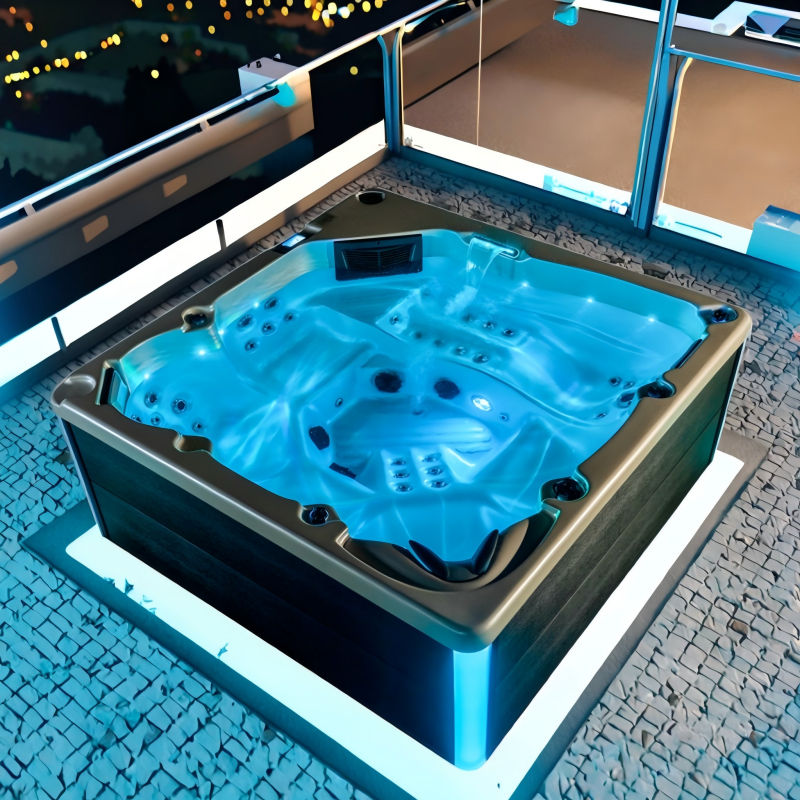
Do Spa Hot Tubs and Saunas Operate on the Same Core Principles?
Fundamentally, both spa hot tubs and saunas fall under the category of heat therapy; however, the form in which they apply heat differs significantly.
A spa hot tub creates a moist-heat environment where the body is immersed in temperature-controlled water, allowing heat to be conducted directly and uniformly through the water to the skin and deeper tissues. Conversely, a sauna typically creates a dry-heat or high-temperature steam environment, where heat is transferred to the body primarily through the surrounding air or steam.
It is precisely this difference that determines why the specific health benefits emphasized by whirlpool spa hot tubs and saunas do not align perfectly.
Are Spa Hot Tubs More Effective for Muscle Relaxation?
When it comes to muscle relaxation, whirlpool spa hot tubs typically offer a more direct advantage.
The reasons for this include:
•The enveloping nature of the hot water ensures that the body is heated more uniformly.
•Buoyancy helps alleviate the pressure that body weight places on muscles and joints.
•Water currents and jets provide continuous physical stimulation.
In a spa hot tub, muscles are not merely exposed to heat; they simultaneously receive support and gentle massage-like stimulation from the water. This multi-faceted approach makes it easier for muscles to enter a state of deep relaxation, rather than simply experiencing superficial warming.

Are Saunas More Effective for Sweating and Thermoregulation?
Compared to spa hot tubs, saunas are more effective at inducing profuse sweating. In a high-temperature, dry, or steam-filled environment, the human body regulates its internal temperature primarily by rapidly releasing heat through perspiration.
This sweating process helps to:
•Activate thermoregulatory mechanisms
•Accelerate blood circulation
•Enhance metabolic activity in the superficial layers of the skin
In contrast, because of the presence of water, a whirlpool spa hot tub limits the evaporation of sweat; consequently, it does not produce the same intense "sensation of sweating."
Do spa hot tubs offer unique advantages regarding joint and body support?
This constitutes one of the most significant differences between whirlpool spa hot tubs and saunas.
In a spa hot tub, the buoyancy of the water significantly reduces the load on the joints. When the body is immersed in water:
•Joint weight-bearing is markedly reduced
•Movement is met with gentle, uniform resistance
•Maintaining a comfortable range of joint motion becomes easier
In comparison, saunas typically require a seated or stationary posture and offer limited direct support for the joints.
Do both provide stress relief and psychological relaxation in the same way?
In terms of stress relief, both whirlpool spa hot tubs and saunas yield positive effects, though they achieve this through different pathways.
The relaxation derived from a spa hot tub stems primarily from:
•The enveloping sensation of the warm water environment
•The sense of security provided by physical body support
•The soothing effect of the rhythmic water flow on the nervous system
Conversely, the relaxation experience in a sauna leans more toward:
•Sensory stimulation triggered by high temperatures
•The sense of lightness and relief following perspiration
•The state of mental tranquility achieved through quiet contemplation
Thus, while both effectively alleviate stress, the nature of the experience differs.
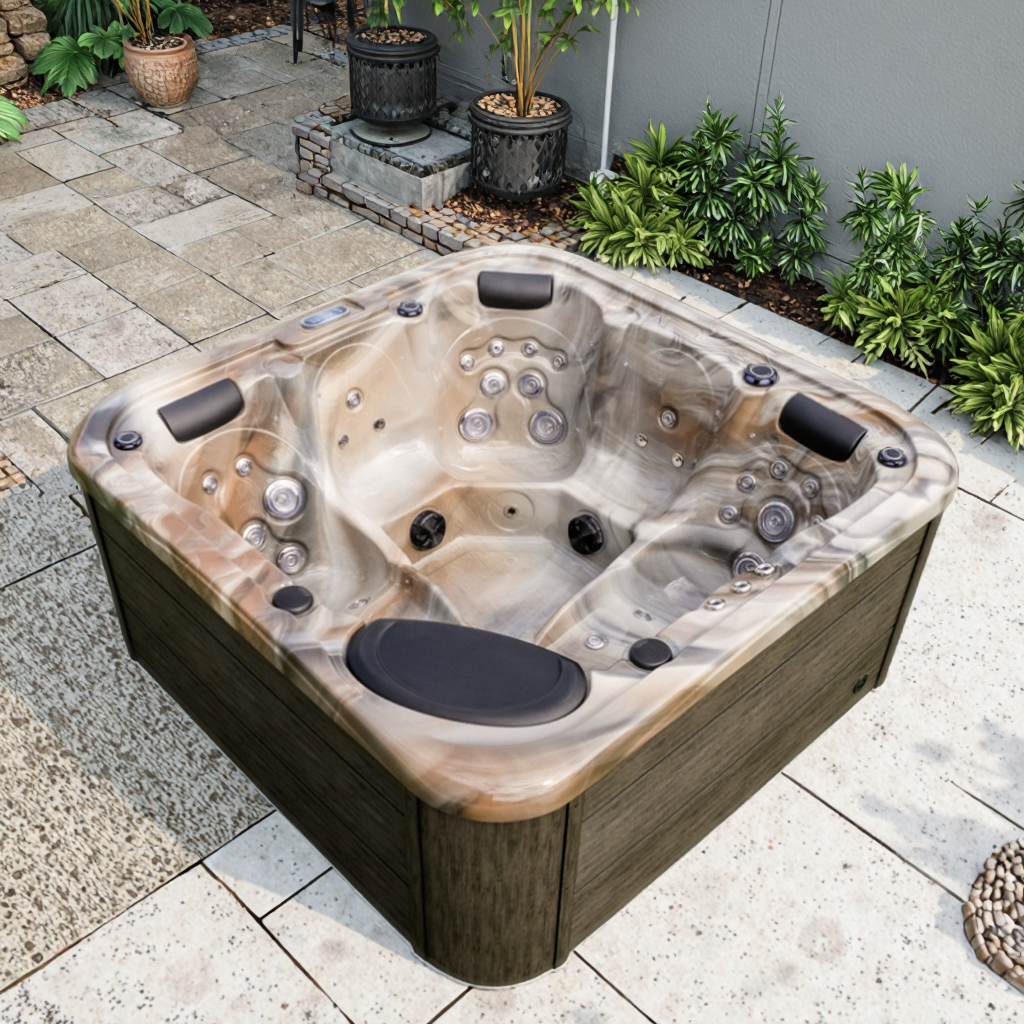
Do spa hot tubs and saunas have the same impact on the cardiovascular system?
From a physiological perspective, both cause an increase in heart rate and vasodilation; however, they differ in the intensity and manner of their effects.
Saunas are typically experienced at higher temperatures, resulting in a more pronounced increase in heart rate and a more direct stimulus to the cardiovascular system. In contrast, the water temperature in a whirlpool spa hot tub is generally more controllable, leading to a milder and more gradual cardiovascular response.
Consequently, regarding the ability to regulate the intensity of cardiovascular stimulation, a whirlpool spa hot tub allows for easier and smoother adjustment.
Do moist heat and dry heat affect physical comfort differently?
The difference in sensation between moist heat and dry heat is a key factor for many people when choosing between a spa hot tub and a sauna.
The moist, warm environment of a whirlpool spa hot tub:
•Is relatively gentle on the skin
•Is less likely to cause dry mouth or respiratory discomfort
•Is better suited for prolonged soaking
In contrast, a dry heat or steam sauna environment:
•Causes body temperature to rise rapidly
•Induces intense sweating
•May not be comfortable for individuals with heightened respiratory sensitivity
This explains why some people prefer whirlpool spa hot tubs, while others are more accustomed to saunas.
Are spa hot tubs better suited for frequent, daily use?
From the perspective of physical strain on the body,whirlpool spa hot tubs are generally more suitable as a daily method of relaxation.
The reasons for this include:
•The temperature is relatively controllable
•The physical stress on the body is lower
•It does not require enduring extreme heat
While saunas offer distinct benefits, their high-temperature environment places greater demands on the body's regulatory mechanisms; therefore, frequent use requires greater caution.
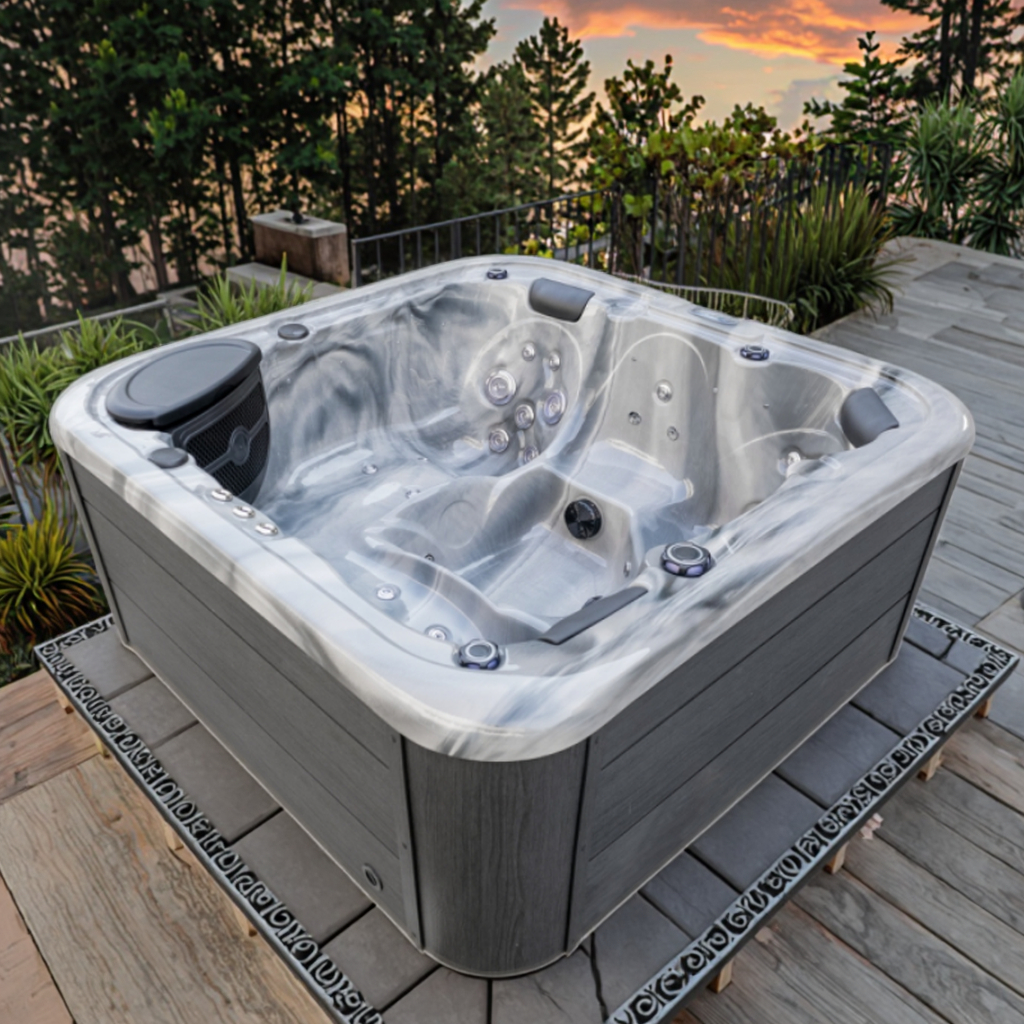
Can spa hot tubs and saunas be considered to offer identical health benefits?
Taken as a whole, the answer is no.
While both spa hot tubs and saunas undoubtedly provide significant health benefits, they emphasize different aspects of well-being.
•Spa hot tubs are better suited for relaxing muscles, alleviating joint discomfort, and enhancing overall physical comfort
•Saunas excel in promoting perspiration and stimulating cardiovascular response
The optimal choice is not a matter of "which one is better," but rather which specific health benefits an individual requires, and whether they prefer a moist-heat or dry-heat environment.