


- Home
- >
News
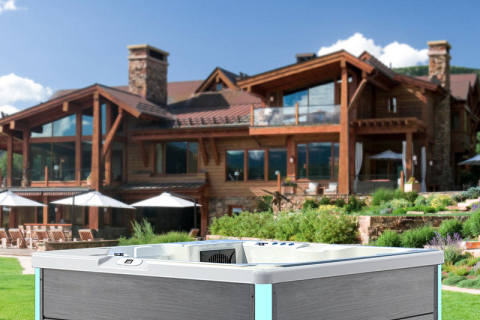
If you need an economical, lightweight bathtub for occasional use, a fiberglass bathtub is indeed a viable option. However, if you value the bathing experience, durability, aesthetics, and long-term energy efficiency, then an acrylic hot tub is more suitable for everyday use.
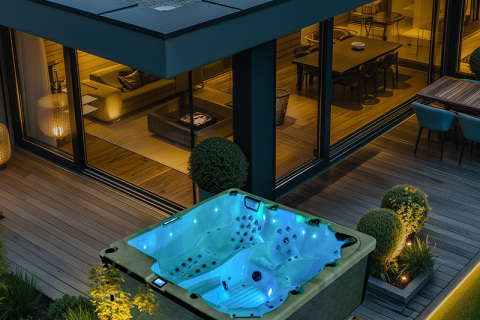
In actual manufacturing and testing practices, acrylic spa hot tubs typically reference the UL94 fire safety rating standard (which is widely applied to plastics and polymer materials).
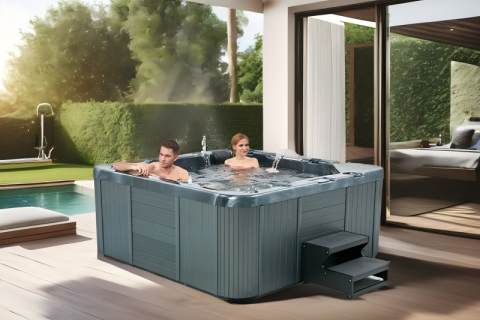
• Acrylic material is significantly lighter than traditional bathtub materials such as ceramic or cast iron. • Facilitates easier installation and transportation. • Places lower demands on floor load-bearing capacity. • Allows for easy placement in both indoor and outdoor settings.
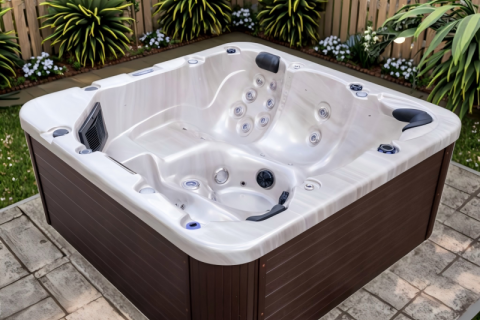
Acrylic is a high-molecular-weight plastic material with a naturally smooth surface structure. High-quality sanitary-grade acrylic sheets, after polishing, have a very high degree of surface flatness, without any roughness or graininess.

For example, a 2300 × 2300 × 900 mm hot tub: Dry weight approximately 400 kg Approximately 1800 kg with water Over 2000 kg when fully loaded This is the standard weight range for large outdoor acrylic hot tubs.
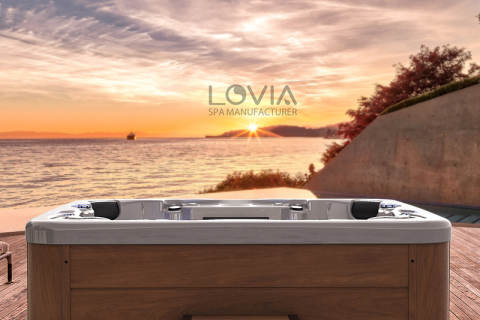
Most high-end acrylic hot tubs employ a structure consisting of: Acrylic surface layer + fiberglass/resin layer + bottom support structure This sandwich-like structure ensures the overall stability of the tub even after long-term use, preventing deformation from hot water or the weight of a person.
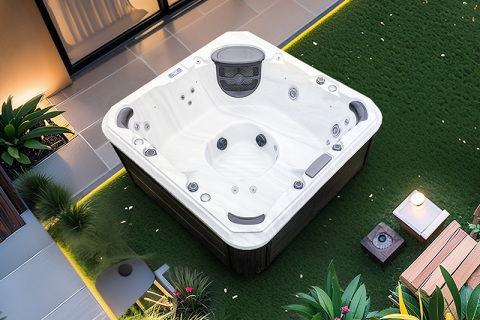
While painting is not recommended, it can be considered in the following situations: • The tub structure is intact, but the surface is completely aged. • You are willing to pay for professional refurbishment. • You have a limited renovation budget but don't want to replace the tub etc.
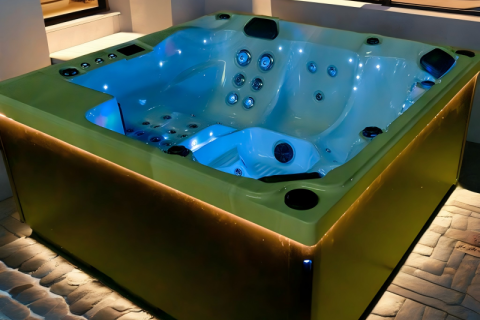
Epsom salt will not damage acrylic hot tubs when used correctly, but improper use can cause damage. Parts that will not be directly damaged: • Acrylic surface • Bathtub shell • Ordinary plastic parts
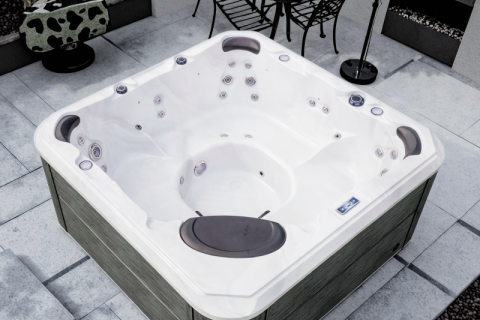
It is not recommended to use bleach to clean acrylic hot tubs. Although bleach has antibacterial properties, it is a strong oxidizing chemical that can easily damage the glossy coating and resin structure of the acrylic hot tub surface. Long-term use can lead to a rough surface, discoloration, fine lines, and accelerated aging.
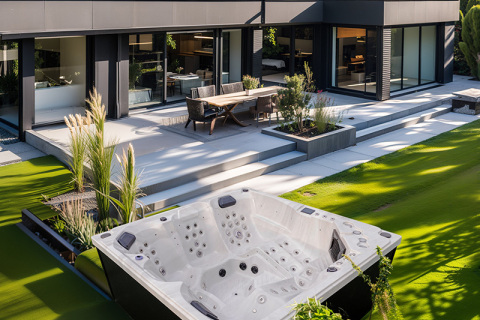
Yes, acrylic hot tubs generally have a longer lifespan than fiberglass bathtubs. Acrylic has significant advantages in maintaining gloss and structural stability, resulting in better long-term performance. Fiberglass, due to its natural material limitations, is prone to aging and roughening, thus shortening its lifespan.

An acrylic hot bathtub is an outdoor spa bathtub made primarily of acrylic sheets, constructed through heating, vacuum forming, and the addition of a fiberglass reinforcement layer. Acrylic boasts a smooth surface, high transparency, and excellent toughness, and is favored for its weather resistance and corrosion resistance.
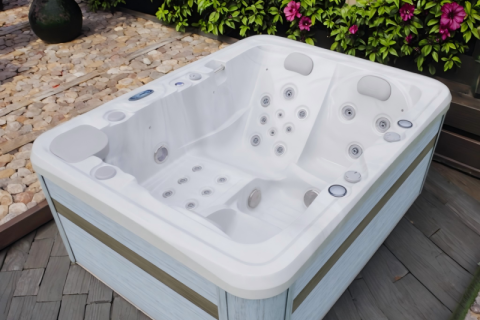
The outdoor environment does increase the challenges to color stability of acrylic hot tubs. However, "more yellowing" is not an inevitable result. Whether significant yellowing occurs depends on a combination of factors: • Acrylic material grade • Surface treatment quality • Whether it has a UV-stabilized design • Usage and cleaning habits • Degree of environmental exposure