


Are acrylic hot tubs better than fiberglass bathtubs?
2026-01-09 15:30In modern homes and spa environments, the choice of bathtub material greatly affects the user experience, lifespan, cleaning ease, and comfort. Common consumer choices include acrylic hot tubs and fiberglass bathtubs (also known as glass fiber bathtubs).
Both materials are widely used, but if you ask "Which is better?" — the answer is usually very clear: Acrylic spa hot tubs are superior.
Why? Because acrylic material is significantly better than fiberglass in many aspects, including durability, comfort, heat retention, weight management, appearance, ease of installation, and long-term maintenance costs.
This article will provide an in-depth analysis of this issue from a professional perspective, allowing you to fully understand why "acrylic spa hot tubs are better than fiberglass bathtubs."
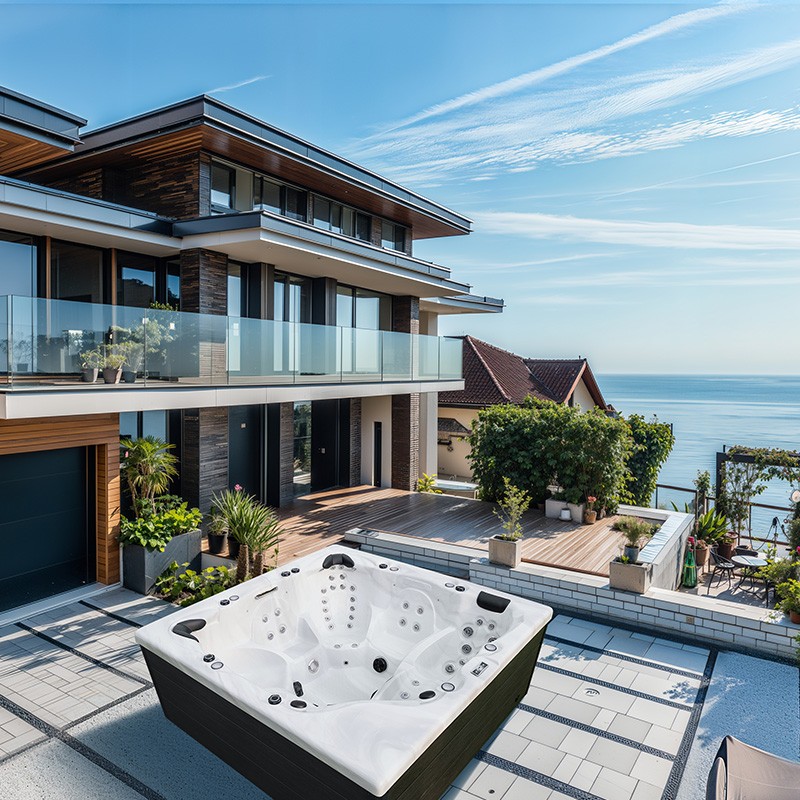
What are the essential differences between acrylic hot tubs and fiberglass bathtubs?
Before comparing them, let's understand the structure and characteristics of the two materials themselves.
What is an acrylic spa hot tub made of?
Acrylic hot tubs are typically made of PMMA (polymethyl methacrylate), a high-quality acrylic sheet.
Its characteristics include:
• Smooth and glossy surface
• Lightweight yet strong
• Excellent heat retention
• Strong weather resistance
• Resistant to discoloration
• High plasticity
High-end brands often use multi-layered reinforced structures to give acrylic spa hot tubs better pressure resistance.

What are fiberglass bathtubs made of?
Fiberglass bathtubs (Glass Fiber Reinforced Plastic, GFRP) are made of resin and glass fiber through spraying or molding.
Its characteristics include:
• Low cost
• Lightweight
• Acceptable initial gloss
However, this material also has significant disadvantages, such as being easily scratched, prone to staining, easy to fade, and lacking durability.
Why are acrylic hot tubs better than fiberglass bathtubs?
Let's compare them in specific areas and explain why the answer is "yes". Is an acrylic hot tub more durable than a fiberglass one?
The answer is—yes, significantly better.
The durability advantages of acrylic spa hot tubs include:
• Higher surface hardness, less prone to scratches
• Doesn't develop a rough surface over time like fiberglass
• Doesn't develop exposed fibers with long-term use
• Stronger crack resistance
Acrylic's high density eliminates the delamination problem of fiberglass structures, maintaining a stable structure over many years.
The durability drawbacks of fiberglass bathtubs:
• Easily scratched
• Oxidizes and yellows
• Surface becomes rough easily
• Fiber exposure may occur after long-term use
This is why many users notice their fiberglass bathtubs "getting older" after a few years.
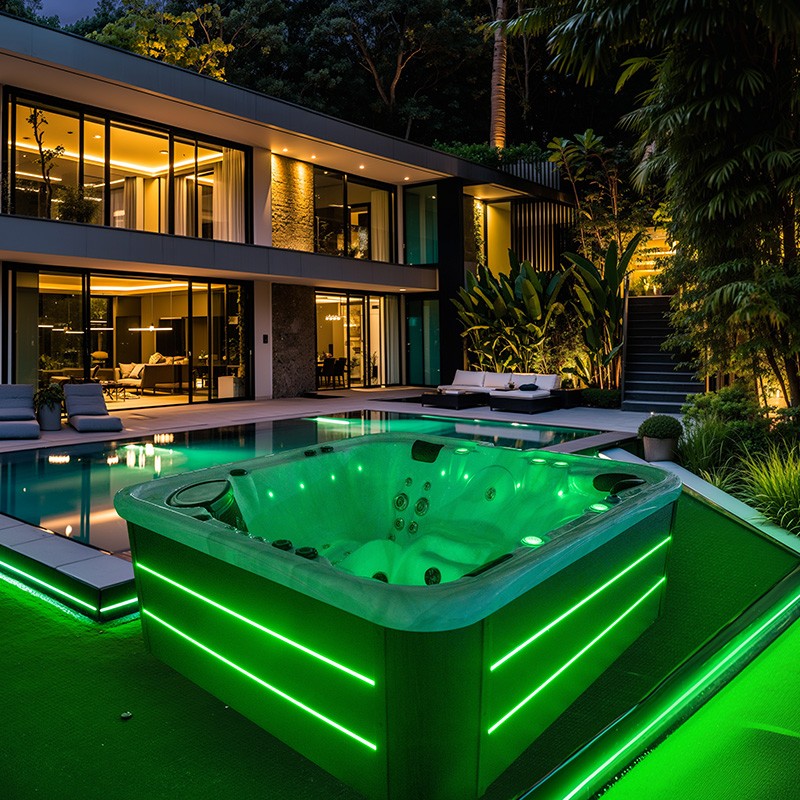
Is an acrylic hot tub better at retaining heat?
Undoubtedly, yes.
Acrylic itself has excellent heat retention, effectively maintaining water temperature, making it more suitable for:
• Long baths
• Spa settings
• Winter use
• Energy savings
Fiberglass has relatively weak heat retention, causing water temperature to drop faster, directly impacting the user experience.
Is an acrylic hot tub more comfortable than a fiberglass bathtub?
Yes, the difference in comfort is significant.
Acrylic spa hot tub surface experience:
• Warm and smooth to the touch
• No roughness
• Surface temperature closer to body temperature
• Less likely to cause skin discomfort due to friction
Fiberglass bathtubs:
• Slightly rough surface texture
• Surface gloss decreases after a period of use
• Surface temperature tends to be colder
• Prone to scratches, further affecting the user experience
In a spa environment, acrylic's comfort advantage is particularly pronounced.
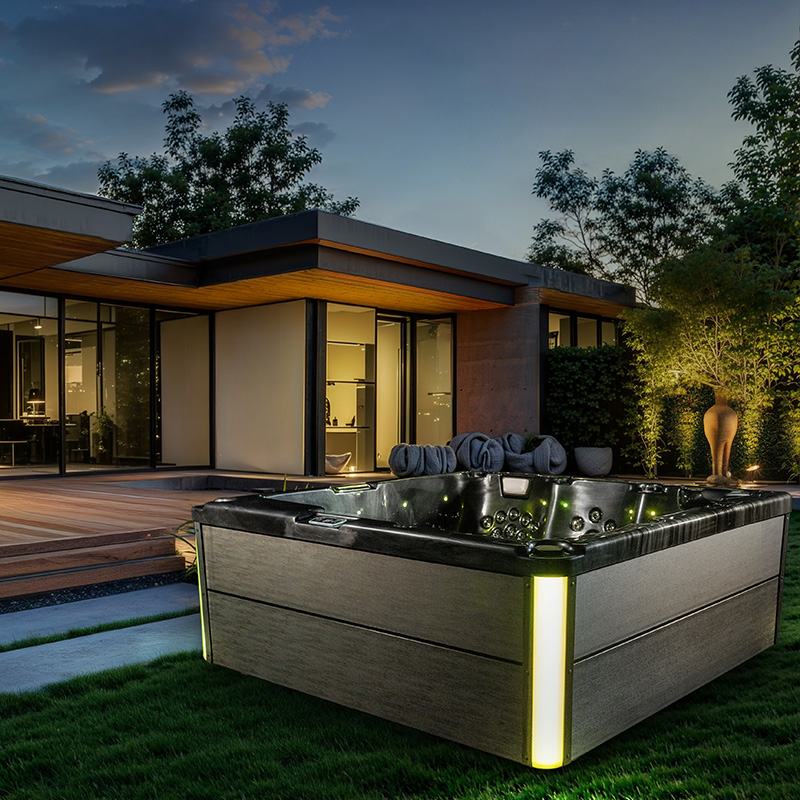
Is an acrylic hot tub easier to clean?
Yes, acrylic is easier to maintain.
Acrylic has a dense, smooth surface that doesn't easily trap stains, therefore:
• Easier to clean limescale
• Less prone to bacterial growth
• Avoids the problem of becoming rough and difficult to clean
• Avoids the peeling phenomenon seen in fiberglass.
Fiberglass, on the other hand, is prone to:
• Surface corrosion by soap scum
• Stains penetrating micropores and becoming difficult to remove
• Accumulation of more impurities due to increased scratches.
Therefore, from a maintenance perspective, acrylic is more worry-free.
Are acrylic hot tubs lighter than fiberglass?
Yes, generally lighter.
Acrylic sheets are lightweight and have a compact structure, requiring fewer thicker layers, therefore:
• Easier to move
• Simpler installation
• Lower requirements for floor load-bearing capacity
While fiberglass is lightweight, it often requires additional structural layers to compensate for its lower strength, making some products heavier.
For outdoor installations and residential installations, acrylic spa hot tubs have a weight advantage.
Do acrylic hot tubs offer a superior aesthetic appeal?
Yes, it has a higher overall aesthetic appeal.
Acrylic Appearance:
• High gloss
• Uniform color
• Not prone to discoloration
• Maintains its luster even after long-term use
Fiberglass Bathtubs:
• Limited brightness
• Prone to yellowing and dulling
• Spots appear after the surface resin ages.
If you value visual appeal, acrylic is a more suitable choice.
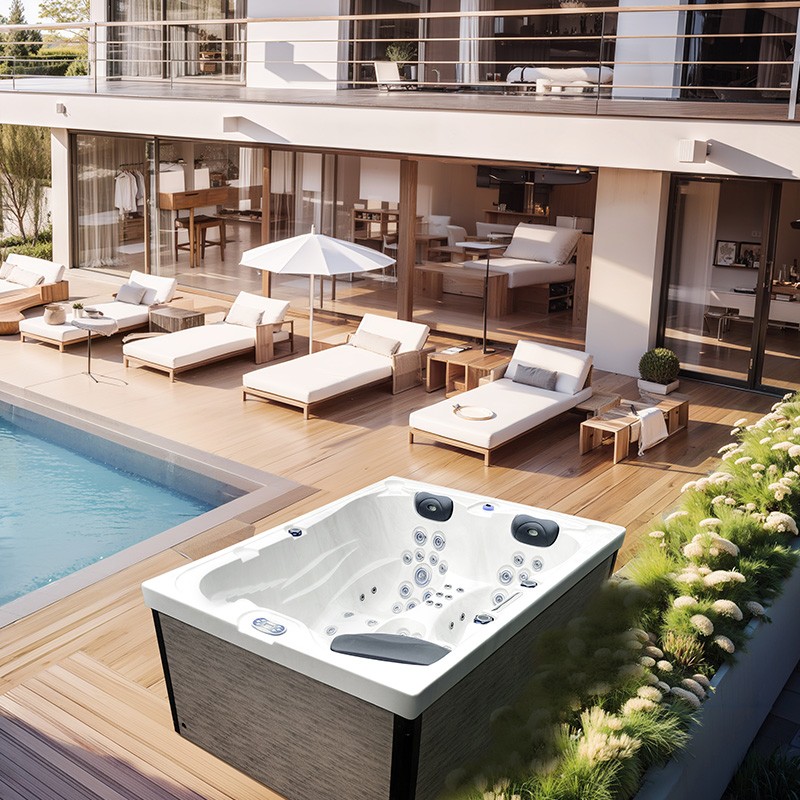
Is an acrylic hot tub safer for the human body?
Yes.
Reasons include:
1. Acrylic material is non-toxic
It is a bathroom-grade material, widely used in medical, baby products, and high-end hotel bathtubs.
2. Does not release irritating odors like fiberglass
Fiberglass is made of resin, and some types may release trace amounts of volatile substances as they age.
3. Smoother surface
More skin-friendly, reducing the risk of friction and scratches.
Does an acrylic spa hot tub have a longer lifespan?
Yes, generally longer than fiberglass.
Acrylic has significant advantages in maintaining gloss and structural stability, resulting in better long-term performance.
Fiberglass, due to its natural material limitations, is prone to aging and roughening, thus shortening its lifespan.
Can Customers Visit the LOVIA SPA Factory?
Yes, LOVIA SPA welcomes customers to visit our 45,000-square-meter factory in Guangzhou. During visits, buyers can observe production lines, quality inspections, showroom displays, and assembly processes. Factory tours help clients understand our capabilities and manufacturing strength before purchasing. We also support virtual tours for international customers.
Visiting our facility allows partners to confirm product quality, negotiate wholesale prices, and discuss OEM projects face-to-face.