


- Home
- >
News
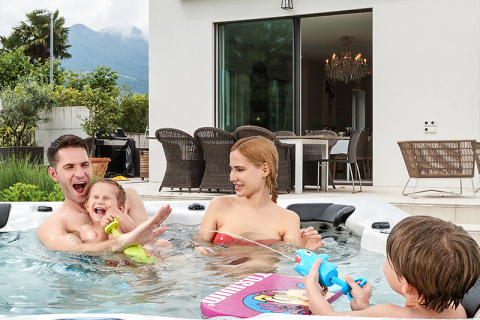
Hemorrhoid sufferers are not strictly prohibited from using a spa hot tub; the key lies in managing water temperature, water flow, soaking duration, and individual tolerance levels. The fundamental principles are gentleness, brevity, and the avoidance of irritation; should any discomfort arise, use should be discontinued immediately.
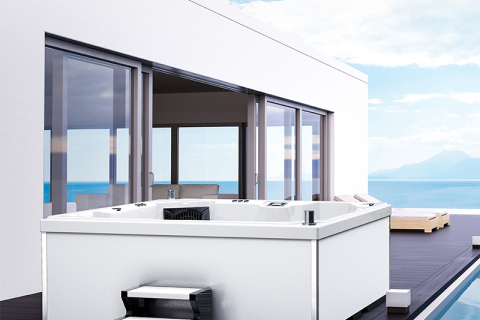
When a spa hot tub pump receives power but merely emits a buzzing sound—failing to pump water or rotate normally—the buzzing is, in essence, an electromagnetic resonance generated by the motor coils receiving current, rather than the mechanical sound produced by normal rotational movement.
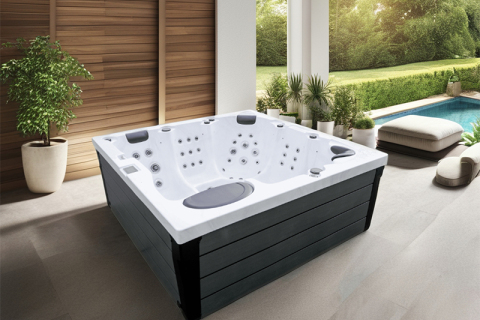
Strictly speaking, an undersized circuit breaker typically won't directly "burn out" a spa hot tub, as the very purpose of a circuit breaker is to "cut off power before a hazard occurs." However, the problem lies in the following issues: •Frequent tripping •Unstable power supply etc.
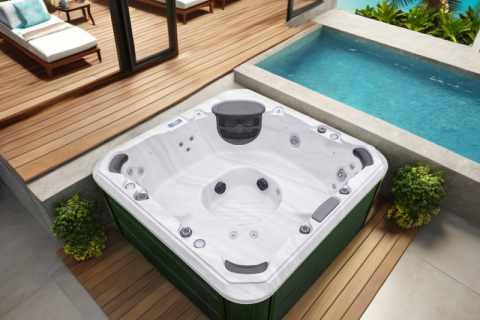
In practice, increasing the alkalinity of a hot tub is not complicated; the key is to use the correct method, follow clear steps, and adjust at a reasonable pace. Common approaches include: • Using specialized alkalinity enhancers • Increasing buffering capacity through specific chemical components • Adjusting in stages to avoid over-adjustment
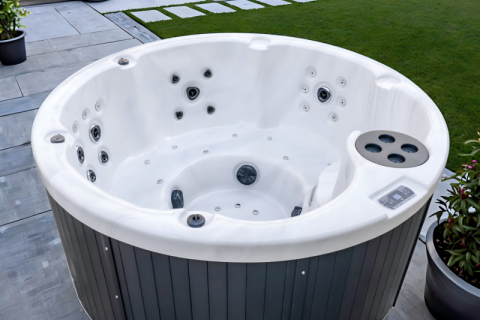
Under these conditions, pregnant women are more likely to experience a sustained increase in body temperature. Even when the ambient temperature is not high, a spa hot tub can hinder the body's ability to effectively dissipate heat. For an unborn baby, a sustained increase in the mother's body temperature is not ideal.
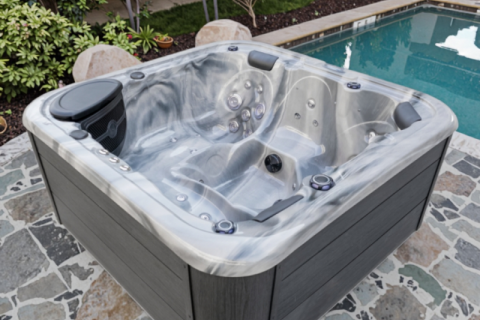
In a spa hot tub, the jet system can: • Accelerate water-air contact • Break up localized areas of high chlorine concentration in the water • Promote the release of chlorine gas from the water Continuously running the jet system for a period of time can significantly reduce the chlorine concentration in the spa hot tub.
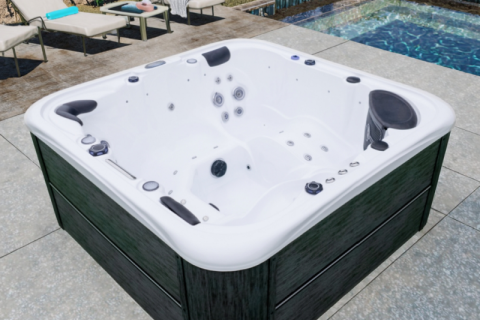
Although a person is surrounded by water in a spa hot tub, the body still excretes water to the skin surface through sweat glands; however, this sweat is immediately washed away by the water, making it difficult to notice. This means that you can lose a significant amount of water in a spa hot tub.

If a spa hot tub is not adequately disinfected, has poor water quality management, or is used improperly, it can indeed increase the risk of bladder infections. The warm water environment, jets of water, and prolonged soaking of a spa hot tub create conditions conducive to bacteria entering the urinary tract.

Yes, both high and low alkalinity in outdoor spa hot tubs are dangerous. This danger is not necessarily immediately visible, but it will gradually manifest itself in the following ways: • Disruption of water quality stability • Reduced disinfection effectiveness • Increased equipment wear and tear • Increased maintenance costs
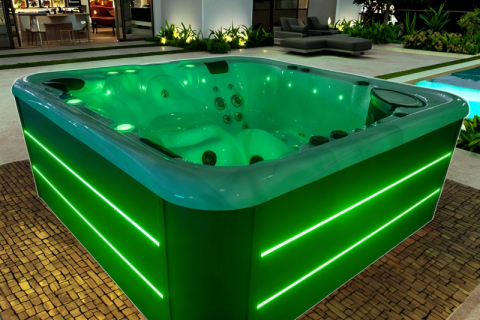
In spa hot tub maintenance, proper chemical cleaning can significantly improve the appearance of the jets, making them look cleaner and brighter. Physical methods are suitable for mild to moderate surface deposition yellowing.
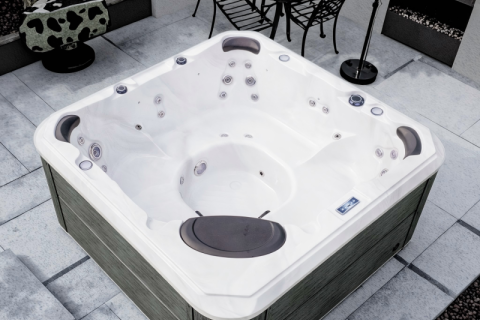
A spa hot tub cannot cure a cold or eliminate viruses, but in some cases, it can relieve the discomfort caused by a cold. Specifically, a spa hot tub may: • Relieve muscle aches and tension • Temporarily improve breathing discomfort • Reduce fatigue and psychological stress
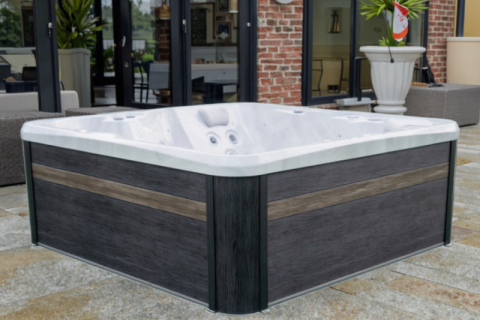
Increasing spa hot tub water hardness essentially means: Increasing the calcium ion content in the water. In a spa hot tub, hardness is primarily determined by calcium hardness; therefore, all methods of increasing hardness ultimately revolve around the core principle of "supplementing calcium."