


How to Increase the Alkalinity of a Spa Hot Bathtub?
2026-05-15 15:30Water quality management is an unavoidable topic in the daily use of a spa hot tub. Among the key water quality indicators, "alkalinity" is often overlooked by users, yet it is extremely crucial. Low alkalinity often triggers a series of chain reactions, affecting not only the user experience but also potentially accelerating equipment wear and tear.
So, what is the alkalinity of a spa hot tub? Why is it necessary to increase it? And how can alkalinity be increased scientifically and stably?
This article will provide a systematic and professional explanation of these core questions, helping you fully understand and correctly adjust the alkalinity of your whirlpool spa hot tub.
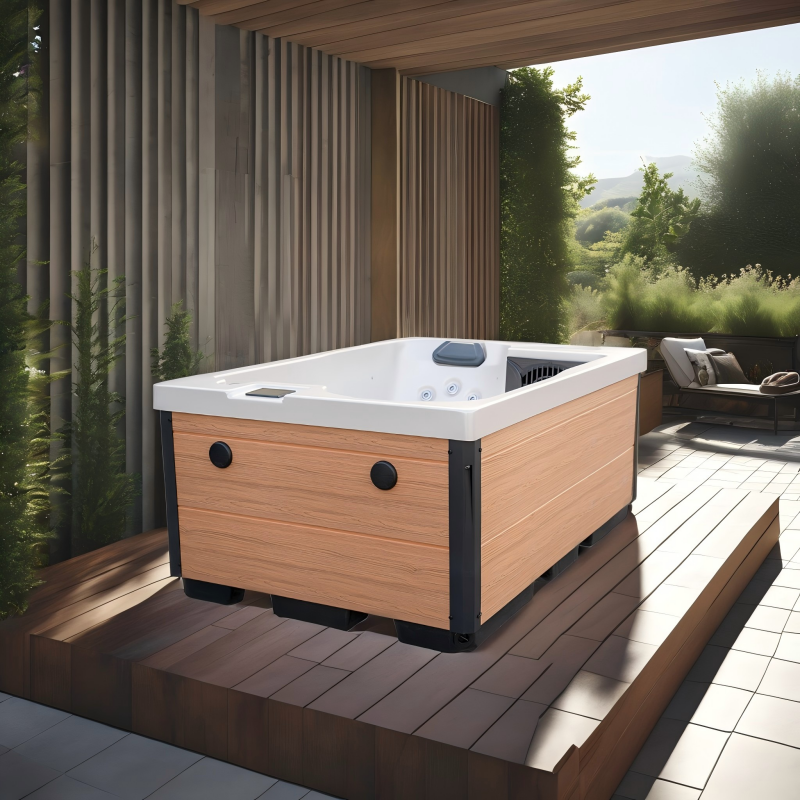
What is the Alkalinity of a Spa Hot Tub?
In whirlpool spa hot tub water quality management, alkalinity usually refers to Total Alkalinity (TA). It is not the "alkalinity" of the water, but rather the total amount of substances in the water that can neutralize acids, mainly composed of bicarbonates, carbonates, and hydroxides.
Simply put, alkalinity acts like a "buffer system" for water; it determines the stability of water quality, especially playing a fundamental role in stabilizing the pH value.
For hot tubs used in spas, a proper alkalinity range is crucial because the high water temperature, frequent circulation, and relatively small water volume mean water quality changes more rapidly than in swimming pools.
What problems arise from excessively low alkalinity in a hot tub?
Common effects of low alkalinity in a hot tub include, but are not limited to, the following:
• Drastic pH fluctuations
• Unstable water quality, difficult to maintain balance
• Increased corrosiveness of the water to equipment materials
• Potentially irritating and uncomfortable water feel
Insufficient alkalinity causes the water in a hot tub to lose its "buffering capacity," meaning even minor external factors can cause rapid imbalances in water quality parameters.
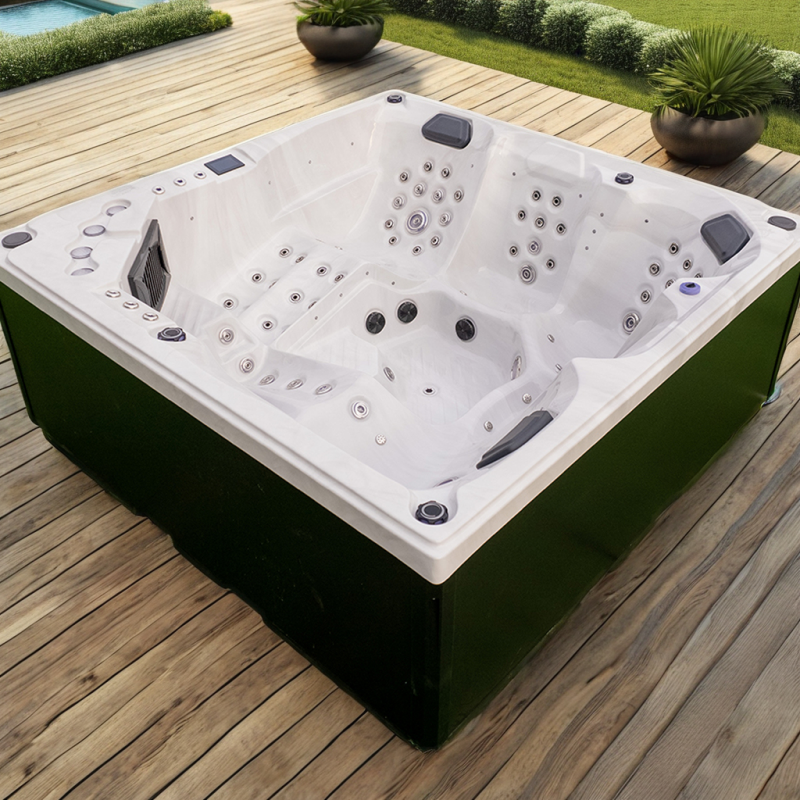
What is the relationship between alkalinity and pH in a hot tub?
This is a question many users easily confuse.
• pH value: Reflects the acidity or alkalinity of water
• Alkalinity: Reflects the water's ability to resist pH fluctuations
In a hot tub, alkalinity is like the foundation, and pH is like the house.
If the alkalinity is too low, even if you temporarily adjust the pH to the ideal range, it will be difficult to maintain in the long term.
Therefore, when discussing how to increase the alkalinity of a whirlpool spa hot tub, the core goal is not to directly change the pH, but to enhance water quality stability.
What is the ideal alkalinity range for a spa hot tub?
While there are slight variations depending on the equipment and usage conditions, it is generally recommended that:
• The total alkalinity of the whirlpool spa hot tub should be maintained between 80–120 ppm.
This range ensures water quality stability while avoiding negative impacts on the equipment and user experience.
When test results are significantly lower than this range, it is necessary to consider increasing the alkalinity of the whirlpool spa hot tub.
Why does the alkalinity of a spa hot tub decrease?
Understanding the reasons is crucial for addressing the problem more effectively. A decrease in spa hot tub alkalinity is usually related to the following factors:
• Frequent replenishment of water
• Water evaporation during use
• Chemical consumption
• Higher water temperatures accelerate reactions
• Increased water load due to frequent use
Because whirlpool spa hot tubs have a relatively small water volume, the effects of these factors are often more pronounced.
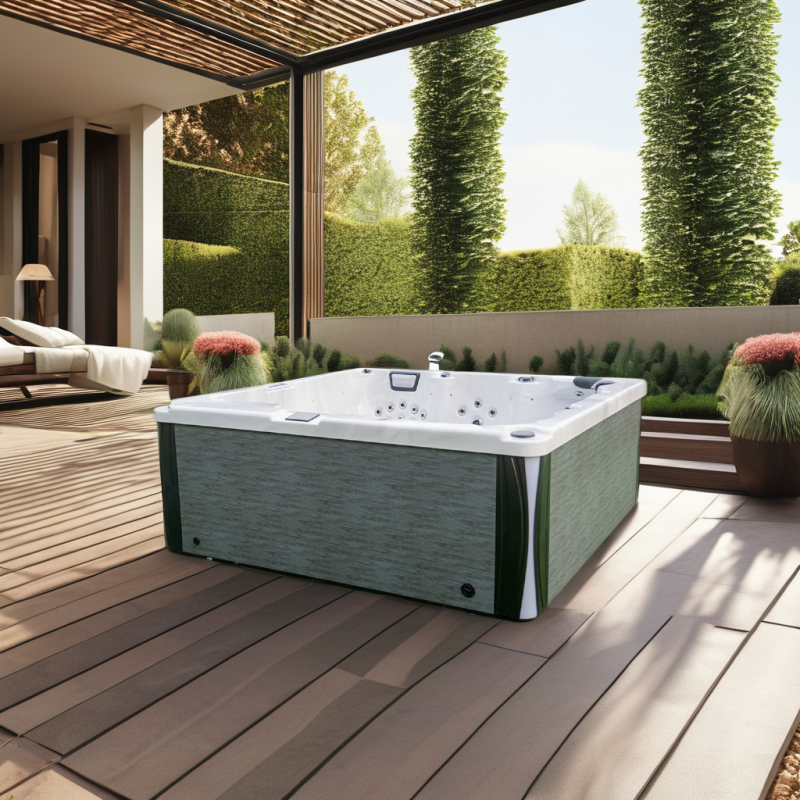
What are some common methods for increasing the alkalinity of a spa hot tub?
In practice, increasing the alkalinity of a hot tub is not complicated; the key is to use the correct method, follow clear steps, and adjust at a reasonable pace.
Common approaches include:
• Using specialized alkalinity enhancers
• Increasing buffering capacity through specific chemical components
• Adjusting in stages to avoid over-adjustment
Regardless of the method used, the goal is to steadily and controllably increase alkalinity, not to drastically change the water quality all at once.
Why is it not recommended to drastically increase the alkalinity of a hot tub all at once?
Many people, upon discovering low alkalinity, tend to have a "quick fix" mentality, but this is not ideal for a hot tub.
Reasons include:
• Rapidly increasing alkalinity can affect pH
• Short-term water quality imbalance
• Increased difficulty of subsequent adjustments
• Potentially a temporary deterioration in the user experience
Increasing the alkalinity of a hot tub gradually is a more professional and safer approach.
Why test the water quality of a hot tub before adjusting alkalinity?
Water quality testing is a prerequisite for all adjustment operations.
By testing, you can determine:
• Whether the current alkalinity is truly too low
• How low it is
• Whether there are simultaneous pH anomalies
Adjustments without accurate data support often backfire. For whirlpool spa hot tubs, managing water quality "by feel" is highly unreliable.
What changes should you observe after increasing alkalinity in a spa hot tub?
Adjusting alkalinity doesn't mean the job is done. You need to continuously monitor:
• Whether the pH stabilizes
• Whether the water quality is easier to maintain
• Whether the water feels smoother
• Whether subsequent test results remain within the ideal range
These changes will help you determine if the alkalinity adjustment has truly had its intended effect.
Will increasing the alkalinity of a spa hot tub affect other water quality parameters?
The answer is: possibly, but it's controllable.
Increasing alkalinity within a reasonable range:
• Helps stabilize pH
• Will not have a significant negative impact on disinfection efficiency
• Helps maintain overall water quality balance
However, if done improperly, excessively high alkalinity can also cause new problems. Therefore, "increasing" does not mean "the higher the better."
How to Avoid Repeatedly Low Alkalinity in Spa Hot Tubs?
Besides learning how to increase the alkalinity of your whirlpool spa hot tub, it's even more important to reduce the frequency of repeated adjustments.
Effective practices include:
• Regularly testing water quality
• Developing the habit of recording water quality parameters
• Retesting promptly after adding water
• Maintaining a relatively stable usage frequency
The essence of alkalinity management is long-term maintenance, not a one-time operation.
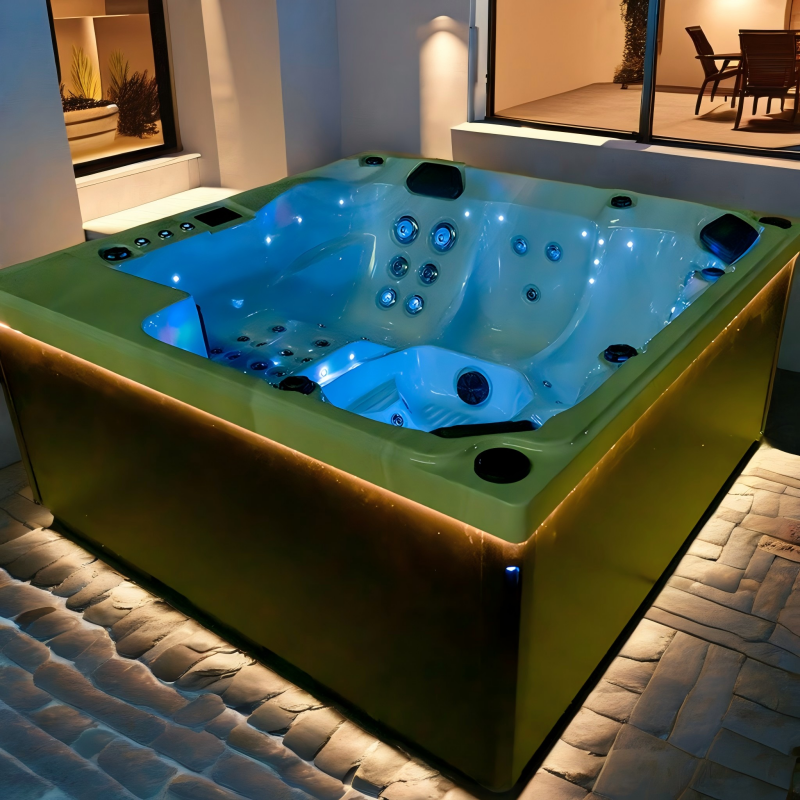
Why is alkalinity management the foundation of spa hot tub maintenance?
Among all water quality parameters, alkalinity often plays a "behind-the-scenes" role, yet it plays a core one.
• It determines water quality stability
• It affects pH controllability
• It indirectly affects the lifespan of the equipment
• It affects the overall user experience
In short, a whirlpool spa hot tub that neglects alkalinity management will find it difficult to maintain good condition in the long run.
What kind of design options does Lovia Spa provide?
Lovia Spa offers a variety of design options for whirlpool spa hot tub and swim spa tub products. As a flexible manufacturer, our company allows customers to choose from different styles, sizes, and features. This variety helps buyers meet diverse market demands.