


Can a spa hot tub cause dehydration?
2026-05-04 15:35Many people experience a warming sensation and significant sweating when using a spa hot tub, and may even experience thirst and fatigue after soaking. Therefore, a very common question is: Can a spa hot tub cause dehydration?
This question seems simple, but it involves the body's temperature regulation, water metabolism, thermal stress, and the inherent characteristics of the spa hot tub itself. To truly understand this, a systematic analysis from both physiological mechanisms and environmental factors is necessary.
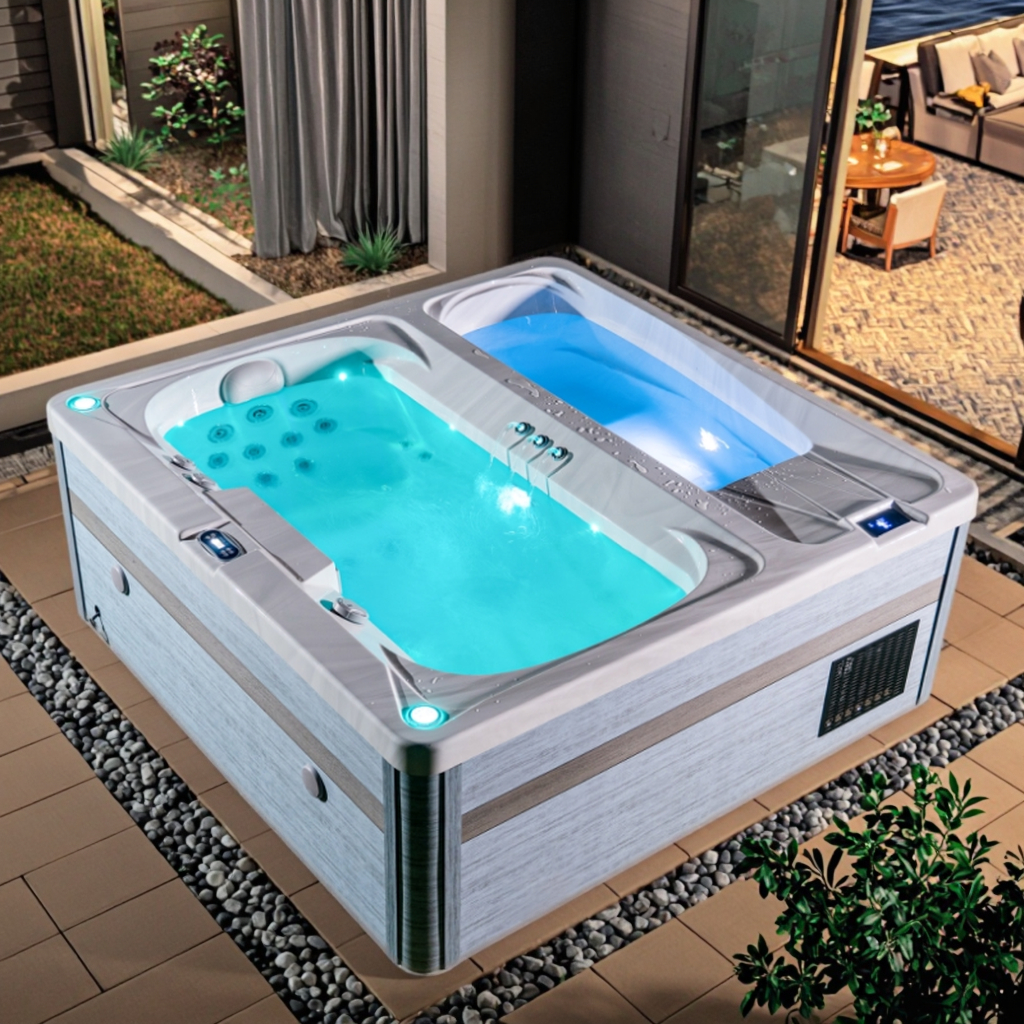
How does the human body regulate its temperature in a spa hot tub?
The water temperature in a whirlpool spa hot tub is usually significantly higher than normal human body temperature. When a person enters a whirlpool spa hot tub, the body initiates a series of heat dissipation mechanisms to prevent excessive temperature increases:
• Skin blood vessels dilate
• Heart rate increases
• Sweat glands begin to secrete sweat
• Respiratory rate may increase slightly
The most crucial of these is sweating. Although a person is surrounded by water in a spa hot tub, the body still excretes water to the skin surface through sweat glands; however, this sweat is immediately washed away by the water, making it difficult to notice.
This means that you can lose a significant amount of water in a spa hot tub.
Why does the "invisible sweating" in a spa hot tub easily lead to dehydration?
Unlike in a dry environment, in a whirlpool spa hot tub, sweat doesn't adhere to the skin like it does in the air; instead, it's directly diluted by water. This phenomenon can create the misconception: "I'm not sweating, so I'm not losing water."
In reality:
• Sweat glands are still continuously releasing water.
• Water enters the tub through the skin.
• The body cannot detect this in time.
This is why the spa hot tub environment makes it easier to underestimate your water loss.
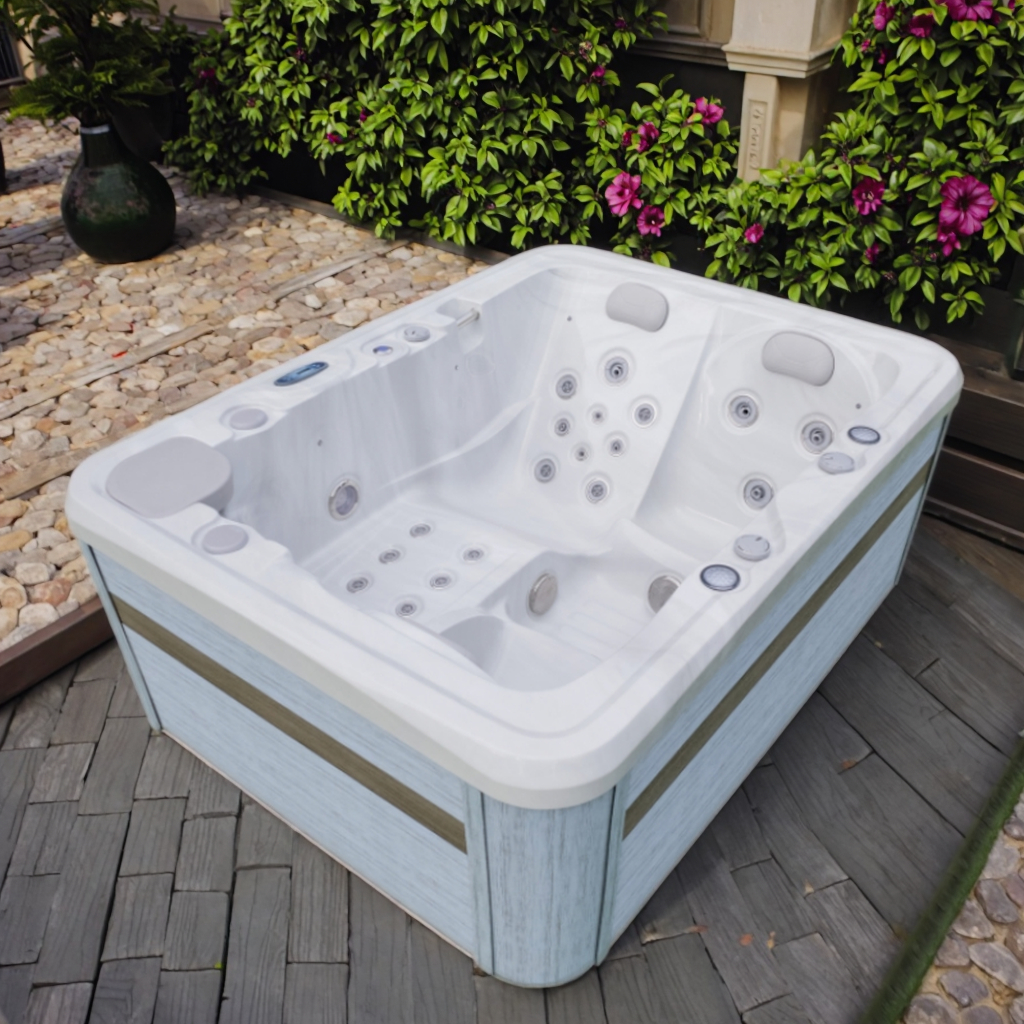
Why do you feel thirsty after soaking in a spa hot tub?
Thirst is the body's most direct signal of dehydration. When a person stays in a whirlpool spa hot tub for an extended period, the body loses water through:
• Skin perspiration
• Breathing removes water vapor
• Blood shifts to the skin, causing circulatory changes
When this water isn't replenished in time, the brain's osmoreceptors trigger the sensation of thirst. This is why many people suddenly feel a strong urge to drink water after leaving a spa hot tub.
Is a spa hot tub more likely to cause dehydration than a sauna?
While both spa hot tubs and saunas are hot environments, they affect dehydration in different ways.
Saunas primarily induce profuse, visible sweating through dry or humid air, while spa hot tubs directly surround the body with hot water, causing:
• Reduced heat dissipation efficiency
• More insidious sweating
• Easier to raise body temperature
In a whirlpool spa hot tub, the body has less time to dissipate heat through evaporation, thus requiring more sweating to maintain body temperature balance, increasing the risk of dehydration.
How much does the water temperature in a spa hot tub affect the risk of dehydration?
Water temperature is one of the key factors determining the risk of dehydration. Higher spa hot tub water temperatures:
• More pronounced vasodilation
• Faster increase in heart rate
• Greater sweating
• Higher rate of water loss
When the water temperature approaches or exceeds the body's core temperature, the body relies almost entirely on sweating to regulate temperature, which is the primary mechanism of dehydration.
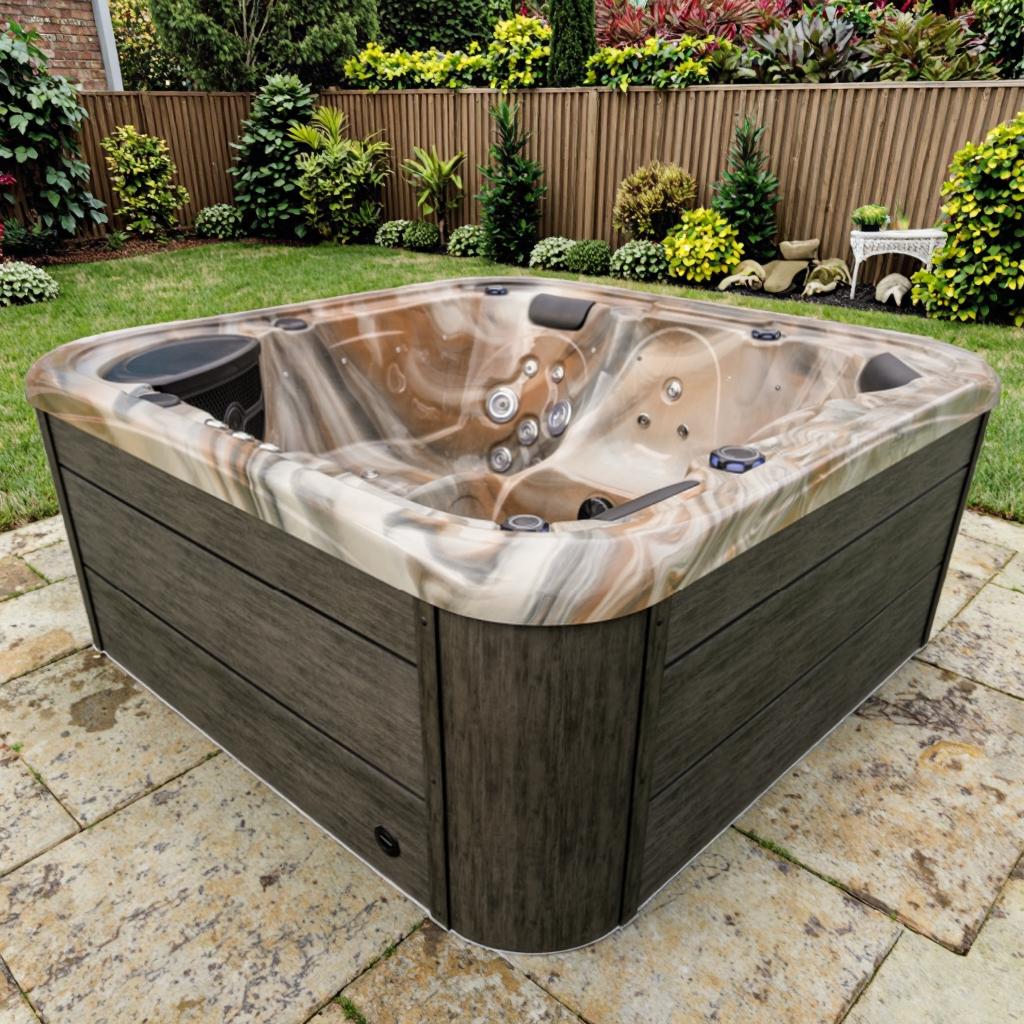
Why does high humidity in a spa hot tub exacerbate dehydration?
Spa hot tubs are typically very humid, which has a significant impact: reduced sweat evaporation efficiency.
When sweat cannot evaporate effectively:
• The body doesn't feel "cooler"
• Body temperature doesn't drop significantly
• Sweat glands continue to secrete sweat
As a result, the body loses more water than necessary, increasing the risk of dehydration.
Does a spa hot tub affect the body's electrolyte balance?
Dehydration isn't just about water loss; it also includes the loss of electrolytes like sodium and potassium. Prolonged use of a whirlpool spa hot tub leading to excessive sweating can deplete these important minerals, potentially causing:
• Dizziness
• Fatigue
• Muscle weakness
• Heart palpitations
This is why dehydration isn't just about thirst, but a systemic change in condition.
Why do some people feel tired after a spa hot tub session?
Dehydration reduces blood volume, requiring the heart to pump harder to maintain circulation. In a spa hot tub, this burden is compounded by the heat stress, resulting in noticeable fatigue.
This fatigue isn't the "comfortable fatigue" of relaxation, but rather a physiological burden related to dehydration.
Is it suitable to use a spa hot tub for extended periods without rehydration?
From a physiological perspective, this is not recommended.
Because whirlpool spa hot tubs continuously stimulate sweating and vasodilation, the risk of dehydration increases rapidly over time if you don't replenish fluids. Even if you feel comfortable, it doesn't mean your body isn't under stress.
Can spa hot tubs cause hidden dehydration?
Yes, this is a common but easily overlooked phenomenon. Hidden dehydration refers to:
• No obvious thirst
• No feeling of dryness
• But body water levels have already decreased.
Because the whirlpool spa hot tub environment masks sweat, this type of dehydration is more easily missed.
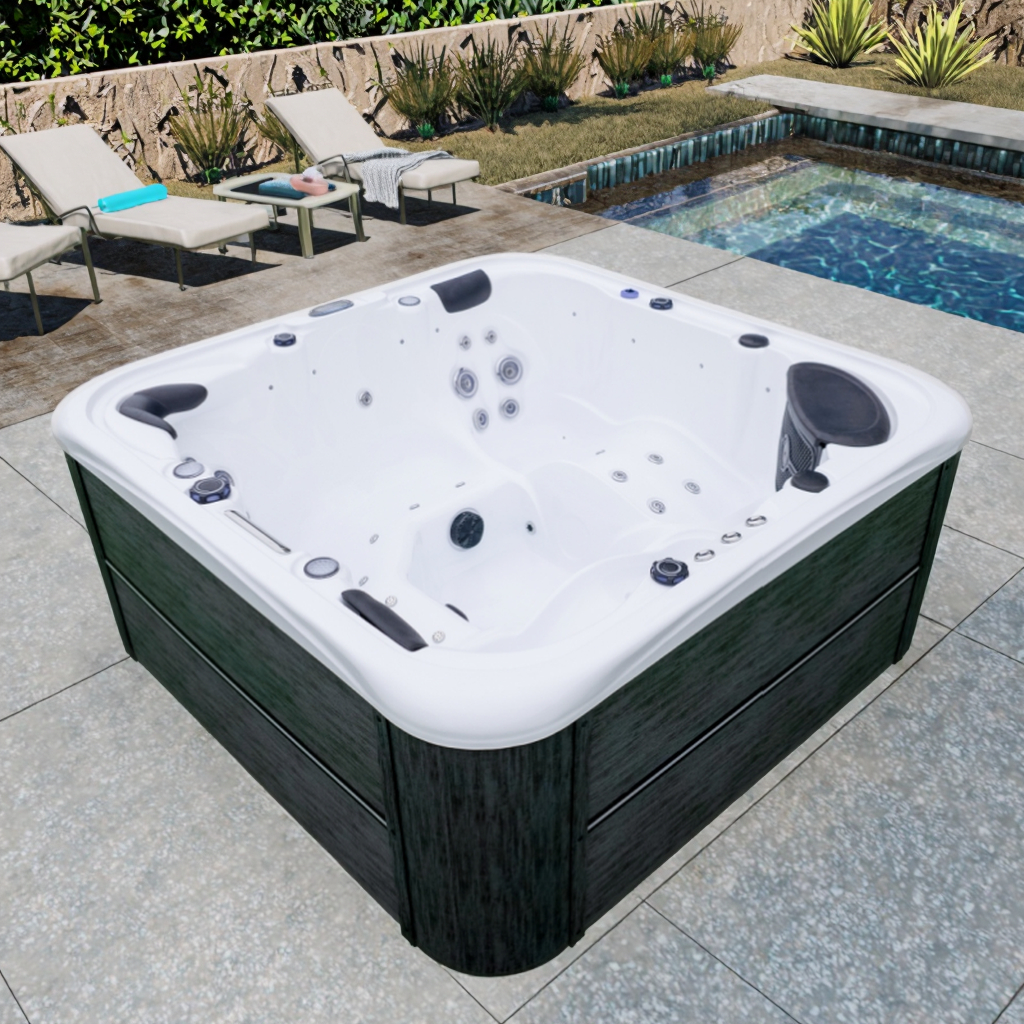
Can spa hot tubs dehydrate you?
Spa hot tubs can indeed cause dehydration.
This is because whirlpool spa hot tubs can:
• Promote profuse, insidious sweating
• Increase the burden on thermoregulation
• Increase water and electrolyte loss
• Reduce people's subjective perception of dehydration
Therefore, whirlpool spa hot tubs themselves are not dangerous, but they do significantly increase the risk of dehydration through thermal mechanisms. Understanding this is crucial for the safe and comfortable use of whirlpool spa hot tubs.
Can Lovia Spa help develop private label spa brands?
Yes, Lovia Spa offers private label solutions for customers looking to build their own spa brands. As a professional manufacturer, our company supports customized branding, design adjustments, and packaging options. This allows buyers to create unique whirlpool spa hot tub and swim spa tub products tailored to their market, while benefiting from our factory’s production expertise.