


- Home
- >
News
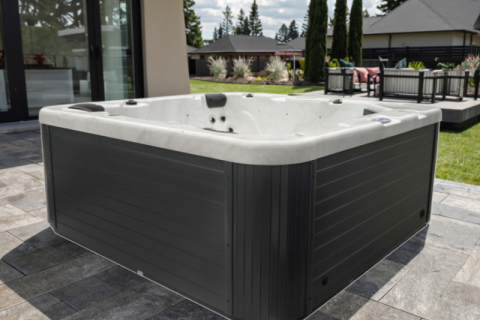
With years of experience in the R&D and manufacturing of outdoor spa equipment, LOVIA® provides global partners with one-stop OEM/ODM services, including Outdoor Spa Hot Tub and Outdoor Swim Spa, helping businesses create product portfolios tailored to their market positioning for different business scenarios.
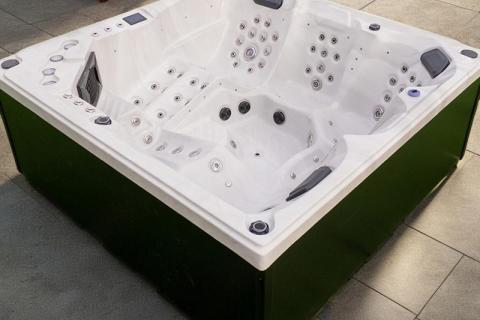
Professional manufacturers possess comprehensive R&D and production capabilities. An outdoor spa hot tub is not simply a fiberglass product or a large bathtub; it integrates hydrodynamic engineering, electrical controls, ergonomic design, and materials application technology.
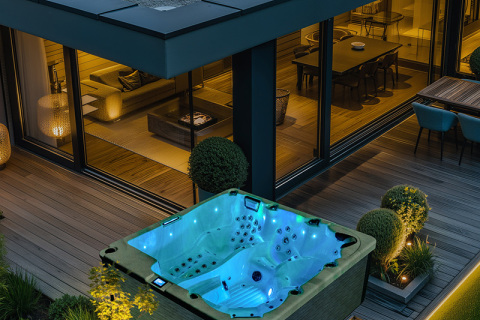
The most obvious difference between wholesale and retail purchases of outdoor hot tubs is the purchase quantity. Retail purchases are generally single-item purchases. Wholesale purchases, on the other hand, are typically characterized by large-scale operations. Purchase quantities can range from a few units, a dozen units, to dozens or even more.
"Shocking" is not simply a matter of dumping a large amount of sanitizer into the tub; it is a water treatment process designed to rapidly oxidize contaminants, boost sanitizing power, and eliminate organic pollutants and certain combined sanitizers.
Barring specific health issues and provided the product is used correctly according to the instructions, tampons are generally a suitable menstrual product for use in outdoor hot tubs. However, "safety" in this context involves two aspects: the correct use of the tampon itself and the safety of the hot tub water quality.
For instance, Jacuzzi’s publicly available maintenance guidelines for spa equipment recommend a calcium hardness range of 150–250 ppm to minimize the risk of corrosion and scaling, while some of its hot tub maintenance materials specify a range of 175–275 ppm.
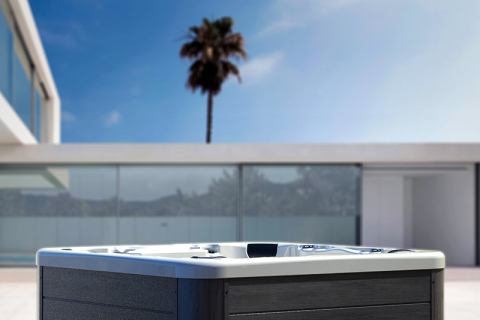
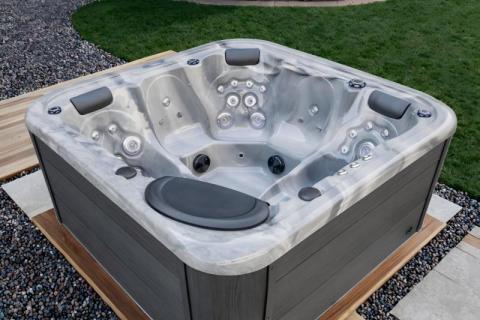
A high-quality outdoor hot tub requires not only a good design but also high standards in structure, materials, water circulation, massage systems, energy efficiency, safety standards, and after-sales service.
The direct-from-manufacturer model typically involves: Outdoor Swim Spa Manufacturer → Distributor/Project Client/End Purchaser. This model reduces intermediaries, allowing the purchaser to directly understand product technology, production capacity, and quality control systems.

Outdoor Swim Spas can help resorts create a more unique consumer experience. In the current tourism market, homogeneous competition is becoming increasingly severe. Many hotels share similar room designs, dining services, and basic entertainment facilities, making it difficult to attract repeat guests without a distinctive feature.
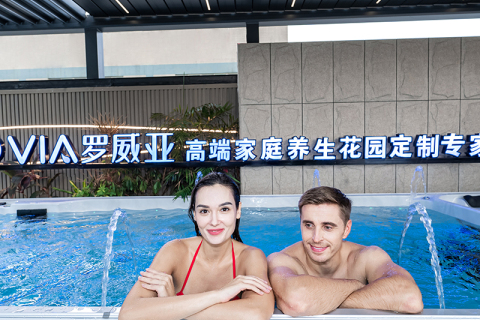
An excellent counter-current system requires a well-designed piping system to minimize pressure fluctuations, ensuring a continuous and stable water flow. This is also a key difference between professional outdoor swim spa manufacturers and ordinary equipment suppliers.

If the water hardness exceeds 300 ppm or even 400 ppm, minerals in the water are prone to precipitating and adhering to the surface of the spa tub equipment. If the hardness is below 100 ppm, it may lead to decreased water stability and increased corrosion risk.
The filtration system is a crucial part of treating pollutants in outdoor hot tubs. When an oil film appears, you can appropriately increase the circulation time to allow more water to pass through the filtration system. For example, a typical household system might circulate for several hours daily.