


- Home
- >
News

Based on after-sales maintenance experience, there are many reasons for nozzle pulsation in outdoor hot tubs, but the most common is still insufficient water supply. When the massage pump cannot continuously obtain enough water, a situation similar to "insufficient fuel supply" in a car engine occurs.
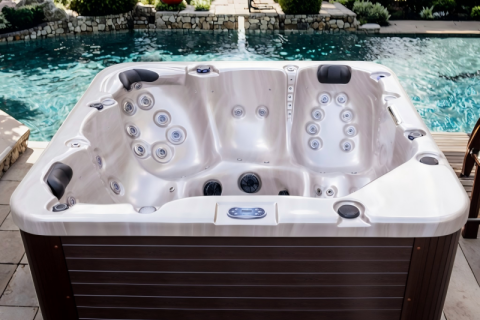
As a leading Chinese manufacturer of outdoor spa equipment, LOVIA® has long focused on the R&D, manufacturing, and export of wellness products such as hot tubs and swim spas. Recognized as one of China's top five spa brands in 2019, the company continues to serve numerous mature markets globally.
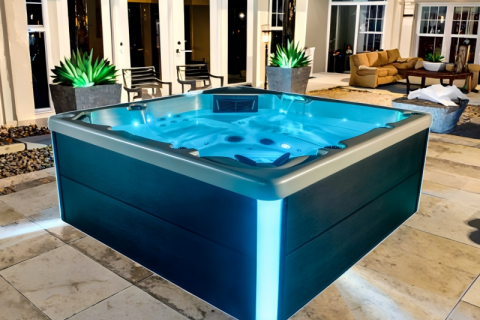
LOVIA® has long specialized in the R&D and manufacturing of outdoor hot tubs and Swim Spas. Our product range spans from compact single-person spas to large-scale family and commercial units, offering a wide variety of seating layouts, sizes, and functional configurations.
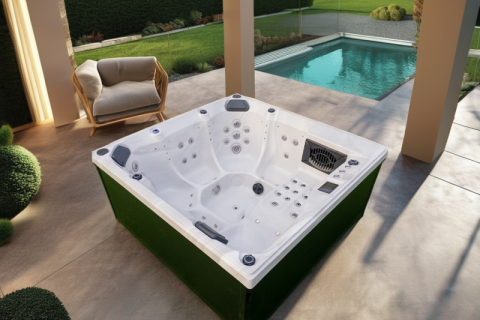
The Most Common Reason for Automatic Start-up: Hot Tub Filter Circulation Program This is the real reason why the vast majority of users encounter automatic start-up. To maintain the cleanliness of the water in an outdoor hot water bath, the equipment needs to circulate and filter daily.
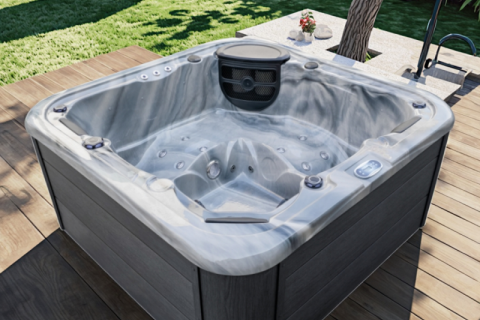
While yeast does thrive in warm, humid environments, modern outdoor hot tubs, if properly maintained, typically maintain a suitable concentration of disinfectants, such as chlorine or bromine, in the water. These disinfectants inhibit not only bacteria but also most microorganisms, including yeast.
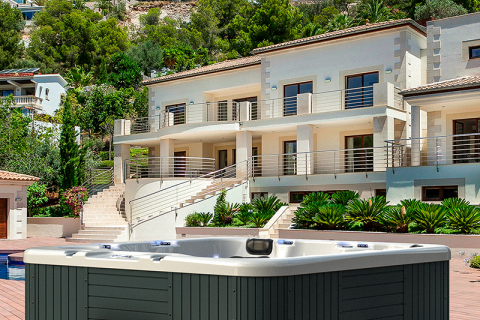
Uncompacted backfill soil is the type of foundation most prone to settlement. Many courtyards install outdoor hot tubs directly after landscaping is completed. If the soil layer isn't properly compacted, natural settlement over several years can affect the stability of the equipment.
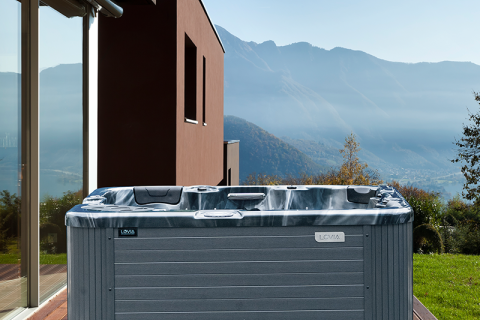
Signal 1: The color of the plastic begins to become noticeably lighter or yellow Signal 2: The surface loses its luster and appears powdery. Signal 3: Small cracks appear Signal 4: The plastic becomes brittle and lacks toughness when pressed Signal 5: The nozzle or control component begins to loosen Sign 6: Water seepage around plastic joints Sign 7: Plastic parts are prone to scratches
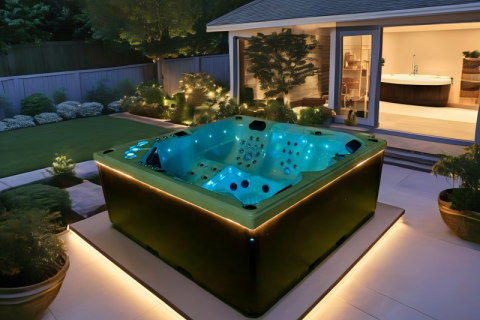
Upon encountering this, many users initially suspect a defect in the spa hot tub shell or assume the acrylic surface is aging, wearing down, or delaminating. In reality, this "sandpaper feel" is rarely caused by the tub material itself; instead, it is usually the result of accumulated calcium scale.
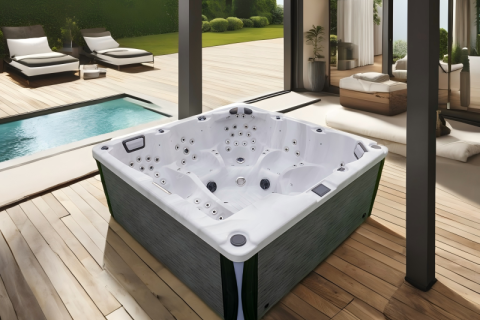
First, check if the water level in the whirlpool hot tub is within the normal range. If the level is low, immediately add clean water and restart the massage system to see if the jets resume operation.
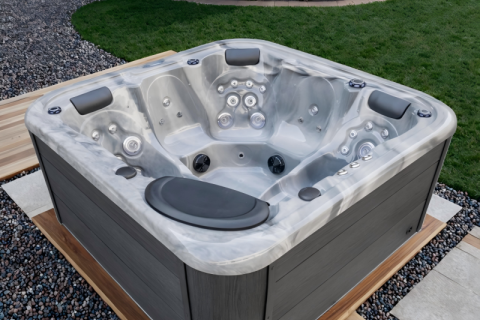
Circulation piping is the primary hiding place for biofilm. If one were to identify the location most prone to biofilm formation in an outdoor spa hot tub, circulation piping would undoubtedly rank first.
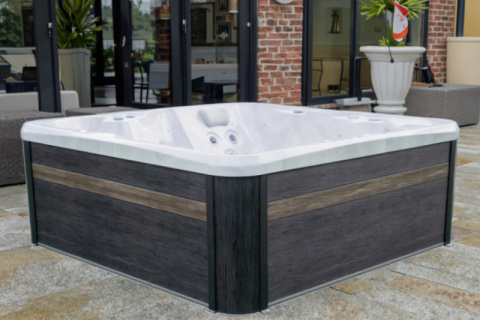
The key factor here, however, is the duration—"short periods." Running high-power jets with the cover closed for extended periods can lead to several issues, including increased internal pressure, moisture accumulation, cover damage, and reduced equipment efficiency.
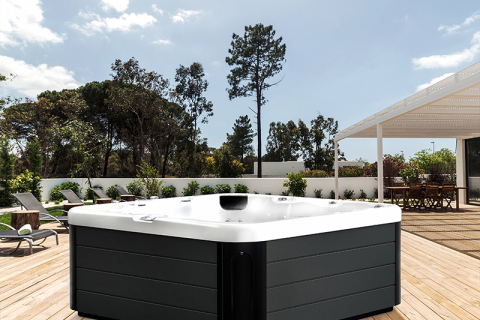
Cloudy water is one of the most common and obvious warning signs. Healthy spa hot tub water should generally be clear and transparent, allowing you to easily see the structure of the bottom and the outlines of the jets. If you notice the water turning slightly milky, hazy, or losing clarity—even without a noticeable odor—you should be alert.