


- Home
- >
News
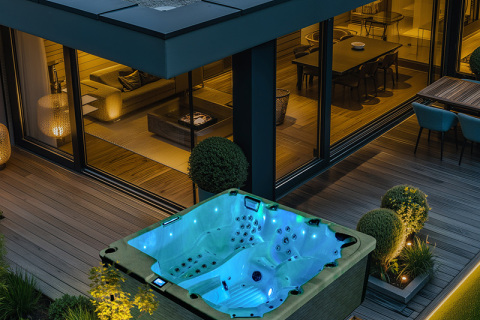
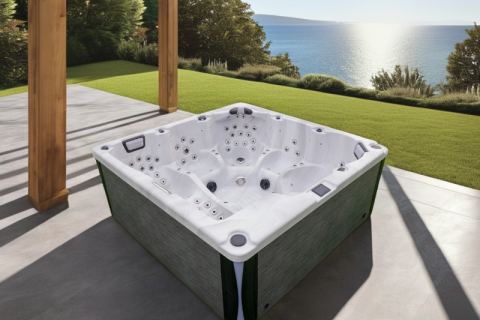
Take the L702 from LOVIA®, a Chinese manufacturer and supplier of outdoor spa equipment, as an example. This is a large outdoor spa hot tub that can accommodate nine people simultaneously. It features two lounges and seven seats, with overall dimensions of 3800×2250×920 mm.
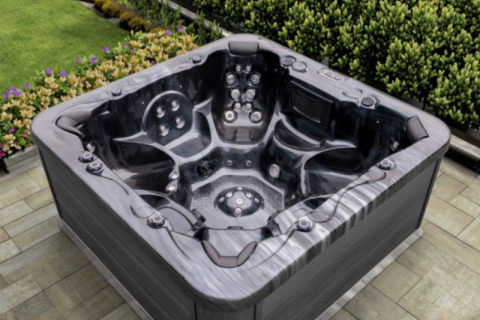
In fact, for a large outdoor hot bathtub, the frame structure is not simply an auxiliary structure, but rather the "skeleton" of the entire system. It undertakes many important tasks, including supporting the tub, distributing weight, securing equipment, protecting piping, reducing deformation, and extending the overall lifespan of the unit.
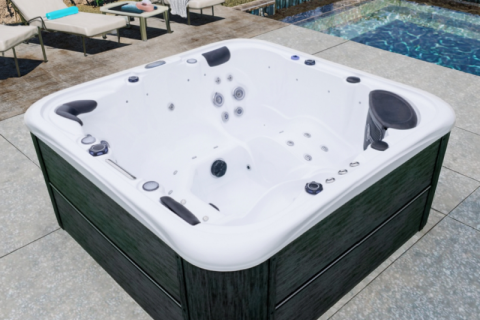
In reality, however, the jets failing to operate during the filling process rarely indicates hardware damage. Instead, the issue is usually related to the system's design logic, startup requirements, water level, an "air lock," or control settings.
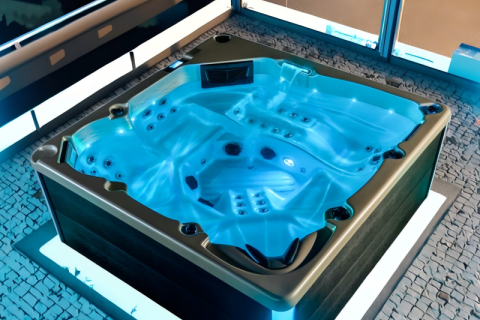
No. Outdoor spa hot tubs are not suitable for small stones. This is not merely a conservative recommendation intended to restrict user behavior; it is a conclusion drawn from numerous equipment failure cases, repair data, and engineering design principles.
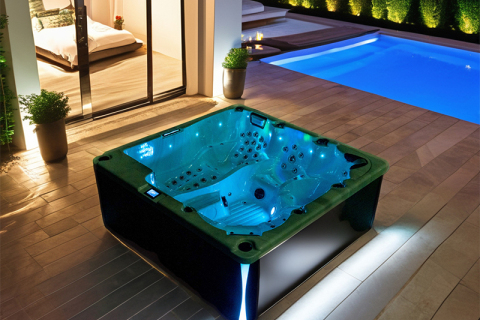
If the hot tub's capacity exceeds 1,000 liters, standard drainage outlets often fail to meet efficiency requirements. Rapidly discharging a large volume of water can impact the surrounding ground surface, necessitating larger-diameter piping or specialized drainage mechanisms.

Warm environments are ideal for biofilm growth. Spa jacuzzi tubs are typically kept at a constant temperature of around 37°C to 40°C—the perfect range for the active proliferation of many microorganisms.
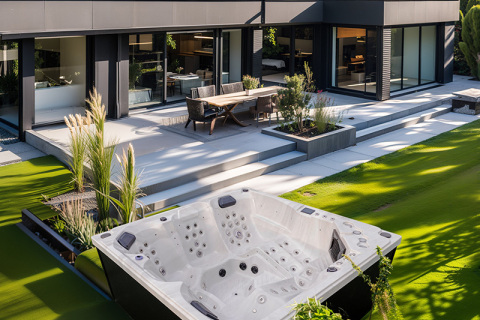
Many spa jacuzzi hot tub jets feature a built-in rotary adjustment function. By rotating the jet, users can: • Adjust the direction of the water flow • Change the spray coverage area • Control the volume of water output for a specific area • Regulate the jet intensity
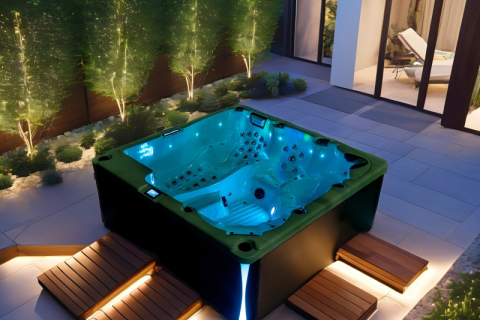
For a spa Jacuzzi tub, dry running is not simply a matter of "no water"; it is a hazardous operating condition that can rapidly damage internal components. Water pumps are designed to rely on water for cooling, lubrication, and stable operation. Without the support of water flow, the entire mechanical structure is placed at high risk.
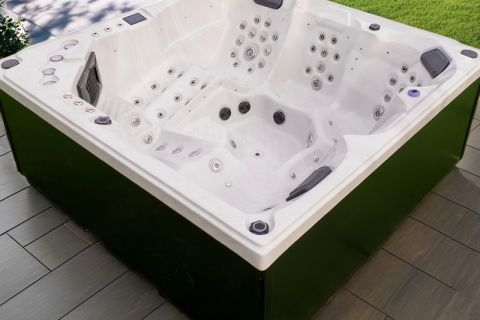
Yes, they do, and this is a normal phenomenon. From a physics and engineering perspective, a spa jacuzzi tub jet pump inevitably generates heat while running. This is a result of its operating mechanism and energy conversion process, not a design flaw.
From a professional standpoint, aside from chemical testing, the only truly reliable method for determining whether the bromine level in spa jacuzzi water is excessively high is to observe its effects on the human body.

In fact, the issue of limescale in spa hot tubs is not merely a simple matter of "cleanliness"; rather, it involves a complex interplay of factors such as water hardness, mineral content, temperature fluctuations, chemical balance, and equipment maintenance.
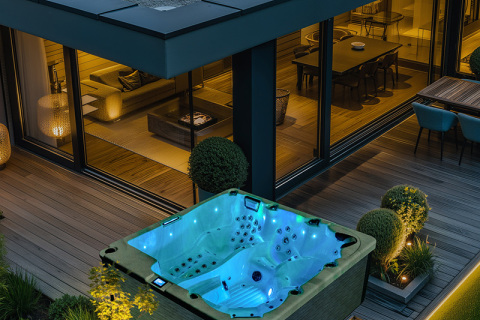
A clogged filter is one of the most common causes. Among all potential issues, a clogged filter in a spa jacuzzi tub is the easiest to overlook—yet it is also one of the most frequent culprits.