



- Home
- >
News
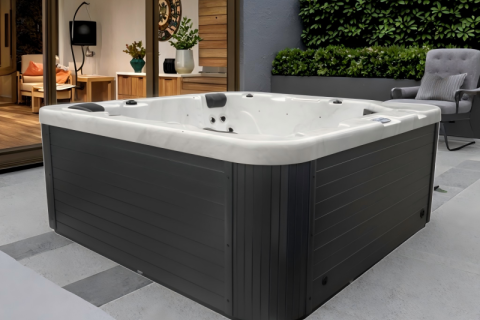
If you were to cut open the base of a high-quality acrylic hot tub, you would discover a structure far more complex than imagined. The base is not merely a single flat panel but an assembly of multiple systems, including the acrylic shell, fiberglass reinforcement layers, a load-bearing base plate, support structures, and an outer frame.
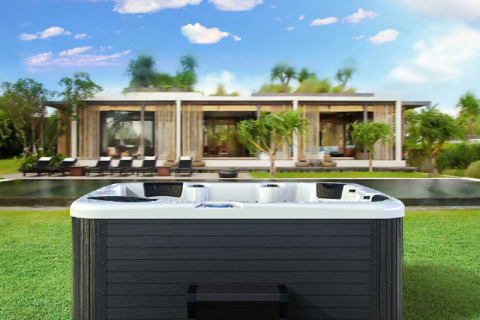
Holes with a diameter of less than 5 millimeters are typically classified as minor damage. These often result from screw holes, slight impacts, or small cracks. The success rate for repairing minor damage is very high. Professional repair data shows a success rate of over 90% for small holes, and the repair generally does not affect the hot tub's normal operation.
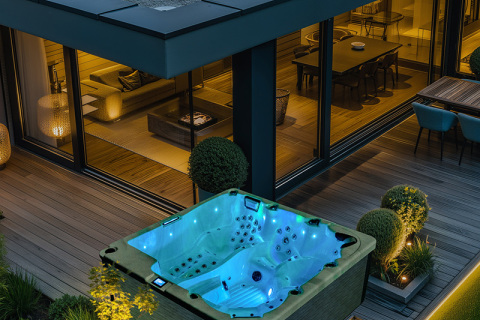
When an acrylic hot tub leaves the factory, all its pre-cut openings (such as jets, inlets/outlets, and overflows) have been precisely engineered and sealed to ensure long-term watertightness. Drilling into the unit yourself directly compromises this original structural integrity.
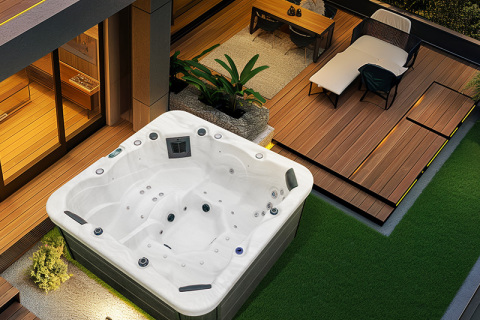
From a professional standpoint, scratches on an acrylic hot tub can generally be categorized into three types: 1. Fine surface scratches 2. Medium-depth scratches 3. Deep structural scratches Sanding is applicable only to the first two categories.
It is not recommended to cut acrylic hot tubs yourself. Because if cut incorrectly, potential problems with the acrylic hot tub may not appear immediately, but will gradually emerge during long-term use. The lifespan of an acrylic hot tub largely depends on the integrity of its surface.
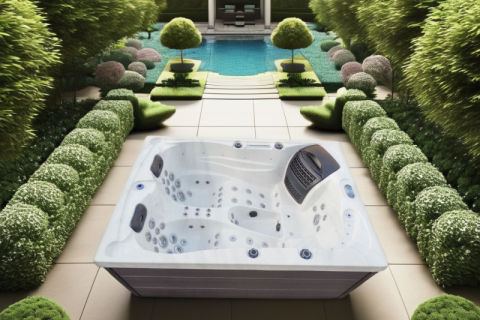
Acrylic hot tub lining: This refers to the inner molded layer that comes into direct contact with water and the user's body. Outer shell: This refers to the outermost protective component of the spa tub, enclosing the internal structure.
Under normal use, the water temperature in an acrylic hot water bath is usually controlled within: • A comfortable range • Suitable for human soaking • Significantly below the material's heat resistance limit Even in slightly higher temperatures, it's far from enough to alter the structure of the acrylic material.
Under normal use conditions: • Acrylic is not prone to permanent deformation • It has good adaptability to temperature changes • It will not soften or collapse due to hot water As long as the operating temperature is within the design range, the acrylic hot tub will not deform due to prolonged exposure to hot water.
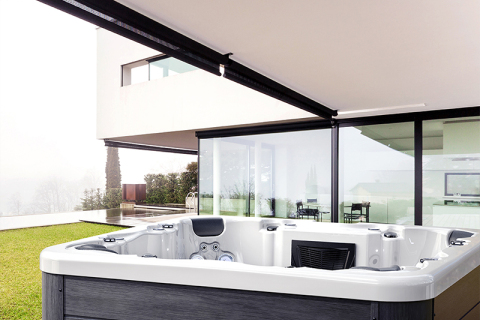
In actual production and testing, acrylic hot tubs typically refer to the UL94 fire rating standard (widely used for plastics and polymer materials). Common fire ratings include: • UL94 HB • UL94 V-2 • UL94 V-1 • UL94 V-0
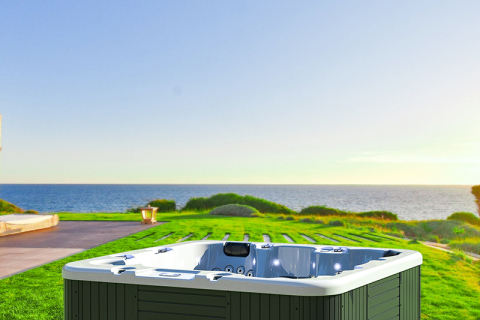
From a structural and material density perspective, acrylic hot tubs are indeed lighter than fiberglass bathtubs. This is mainly related to the manufacturing methods, inner layer thickness, and reinforcement structure of the two materials.
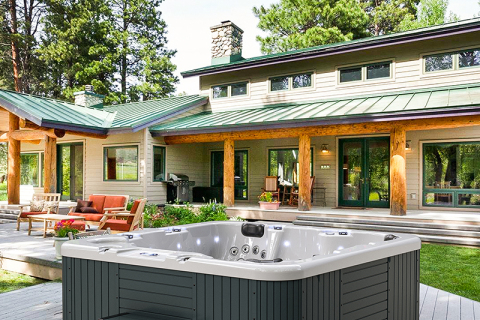
Acrylic hot tubs offer the following core advantages: 1. Material Advantages 2. Durability 3. Heat Retention 4. Easy Maintenance 5. Aesthetics and Flexibility 6. Comfort 7. Safety 8. High Adaptability 9. Health and Environmental Protection
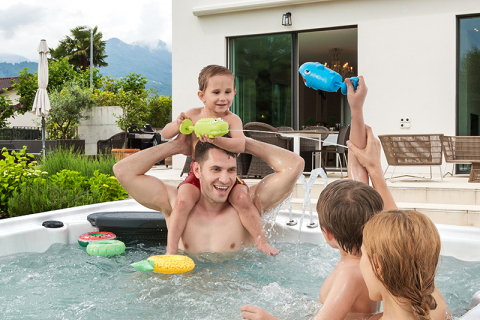
Acrylic hot tubs are not "irreparable" products. In most cases, acrylic hot tubs are repairable, and the repair methods have clear technical pathways. The impression of "unrepairable" hot tubs mainly stems from: Users' lack of understanding of the workability of acrylic material.