


- Home
- >
News
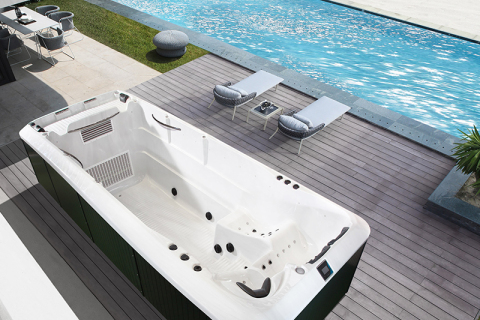
As a company specializing in the research and development and manufacturing of outdoor spa equipment, LOVIA® provides professional Outdoor Swim Spa solutions for applications such as private residences, villa communities, and high-end wellness projects.

This article will provide a detailed overview of key considerations before purchasing an Outdoor Swim Spa, covering aspects such as size selection, core configuration, energy efficiency, manufacturing process, installation environment, and after-sales service.
Single-zone swim spas typically feature a unified water temperature and an integrated layout, emphasizing compactness, efficiency, and space optimization. Dual-zone swim spas, conversely, utilize a partitioned design that separates the swimming area from the hydrotherapy zone, allowing for simultaneous exercise and relaxation.
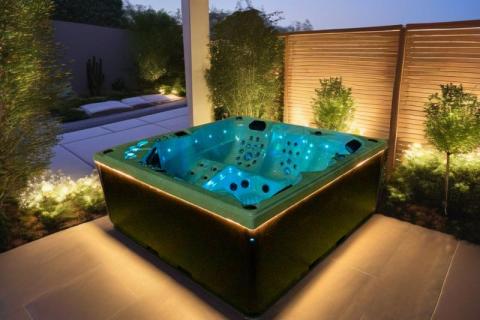
From outdoor hot tubs and massage spas to swim spas that combine swimming training with rehabilitation functions, outdoor spa equipment is increasingly being integrated into hotel master plans. These facilities not only transform the design of traditional leisure areas but also generate new revenue streams and enhance brand value.
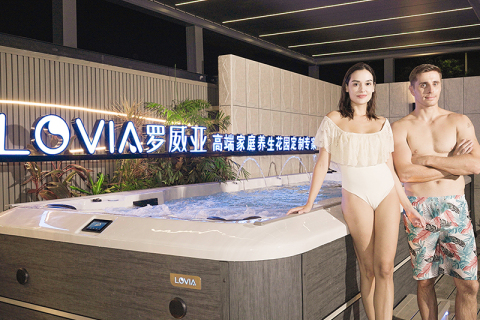
The primary exercise function of an outdoor swim spa is the use of a counter-current—a flow of water moving against the swimmer—to enable stationary swim training. While standard pools rely on length to accommodate swimming strokes.
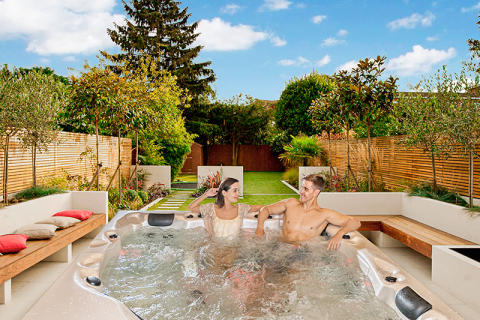
The direct-from-manufacturer model typically involves: Outdoor Swim Spa Manufacturer → Distributor/Project Client/End Purchaser. This model reduces intermediaries, allowing the purchaser to directly understand product technology, production capacity, and quality control systems.
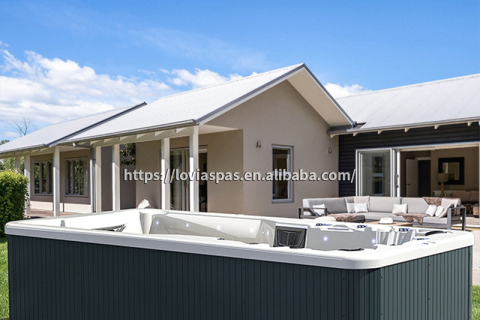
Outdoor Swim Spas can help resorts create a more unique consumer experience. In the current tourism market, homogeneous competition is becoming increasingly severe. Many hotels share similar room designs, dining services, and basic entertainment facilities, making it difficult to attract repeat guests without a distinctive feature.
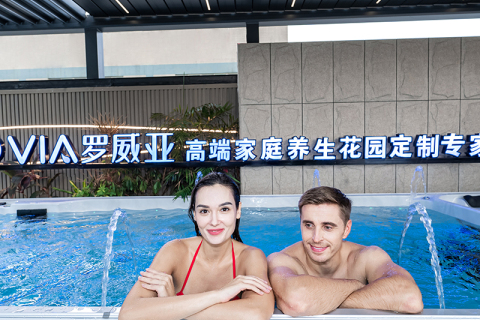
An excellent counter-current system requires a well-designed piping system to minimize pressure fluctuations, ensuring a continuous and stable water flow. This is also a key difference between professional outdoor swim spa manufacturers and ordinary equipment suppliers.
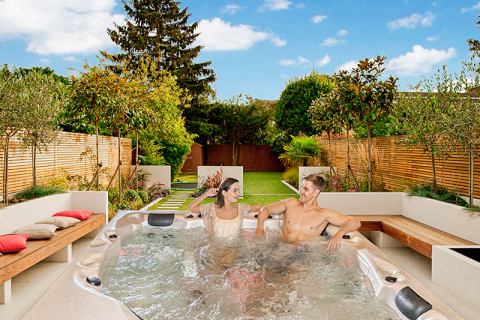
Compared to traditional outdoor hot tubs, the biggest feature of outdoor swim spas is the integration of "swimming training" and "spa massage" functions. Users can use the front pool area for continuous swimming training, or relax their bodies on the other side using massage nozzles, water flow systems, and a warm water environment.
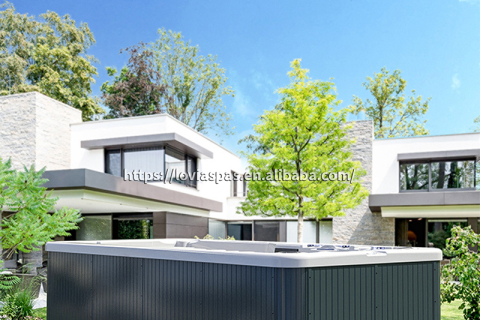
The main reason for developing yellow algae in outdoor swim spas is the lack of a minimum disinfectant level. Be it chlorine, bromine, or other water treating chemical methods, in all cases, keeping the sanitizer levels sufficient to kill germs and the pathogens is vital to the prevention of algae and bacteria growth.
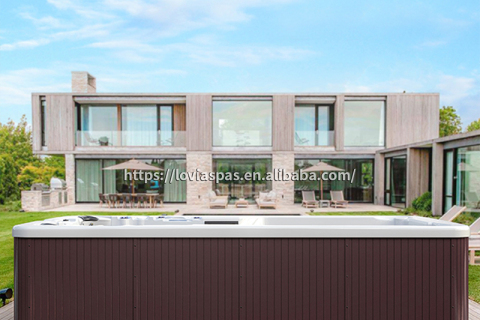
Air movement is a key factor influencing evaporation in swim spa tubs. Outdoor air is constantly in motion; wind continuously strips away the humid air layer above the water, bringing fresh, drier air into contact with the surface. Generally, the faster the air exchange, the higher the rate of evaporation.
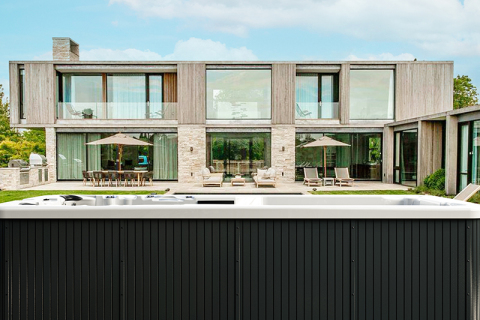
Outdoor swim spa tubs typically operate at a constant temperature; most households set the water between 30°C and 38°C. This temperature range is ideal for human relaxation but can also foster the growth of certain microorganisms.