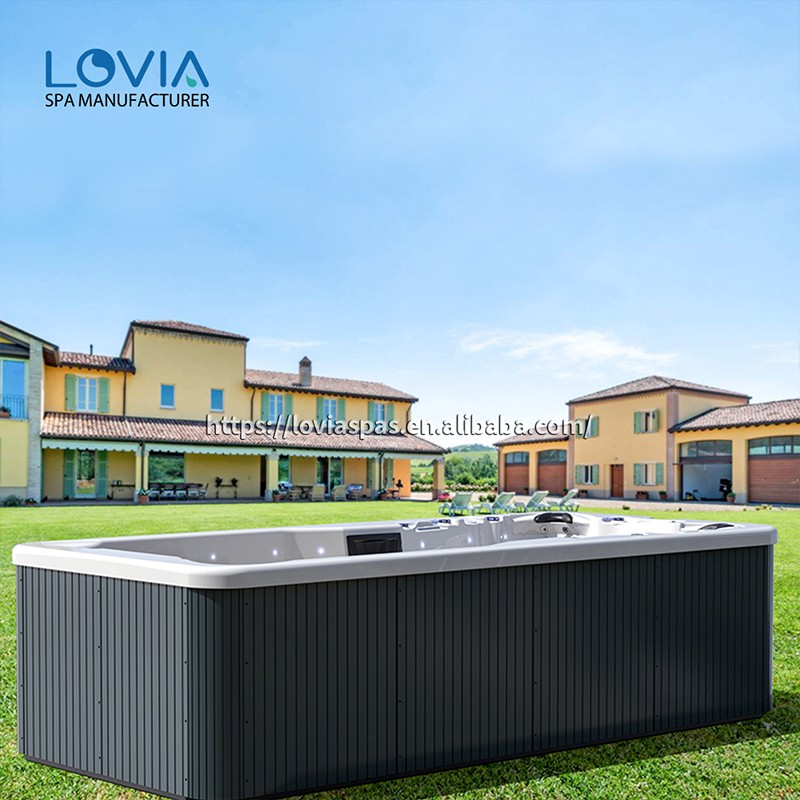


Why Is Microbial Management Crucial for Outdoor Swim Spa Tubs?
2026-07-27 15:30While enjoying the comfort of an outdoor swim spa tub, both the industry and users are increasingly focusing on a vital yet often overlooked issue: microbial management. Many consumers assume that simply installing a filtration system and regularly adding disinfectants is enough to prevent hygiene problems.
In reality, even though modern outdoor swim spa tubs are typically equipped with circulation filtration, ozone sterilization, UV disinfection, or automatic dosing systems, they can still become breeding grounds for certain microorganisms if daily maintenance is inadequate. This is due to factors such as high water temperatures, frequent water circulation, close user contact, and a relatively small total water volume. Microbial populations can multiply rapidly—especially with multiple users, high usage frequency, or improper maintenance—thereby compromising water quality, equipment performance, and the user experience.
According to pool hygiene guidelines published by the World Health Organization (WHO) and various national public health agencies, microbial control in spa equipment is a key aspect of public health management. While most residential users can effectively minimize risks by following standard maintenance procedures, understanding the types of microorganisms present in outdoor swim spa tubs, their causes, and scientific management methods is essential for maintaining high water quality and a safe environment over the long term.
So, why do outdoor swim spa tubs require greater attention regarding microbial issues compared to standard swimming pools? Which microorganisms warrant special focus? How can a more scientific daily maintenance routine be established? This article provides a comprehensive analysis covering the principles of microbial growth, water quality management, equipment maintenance, and future industry trends.
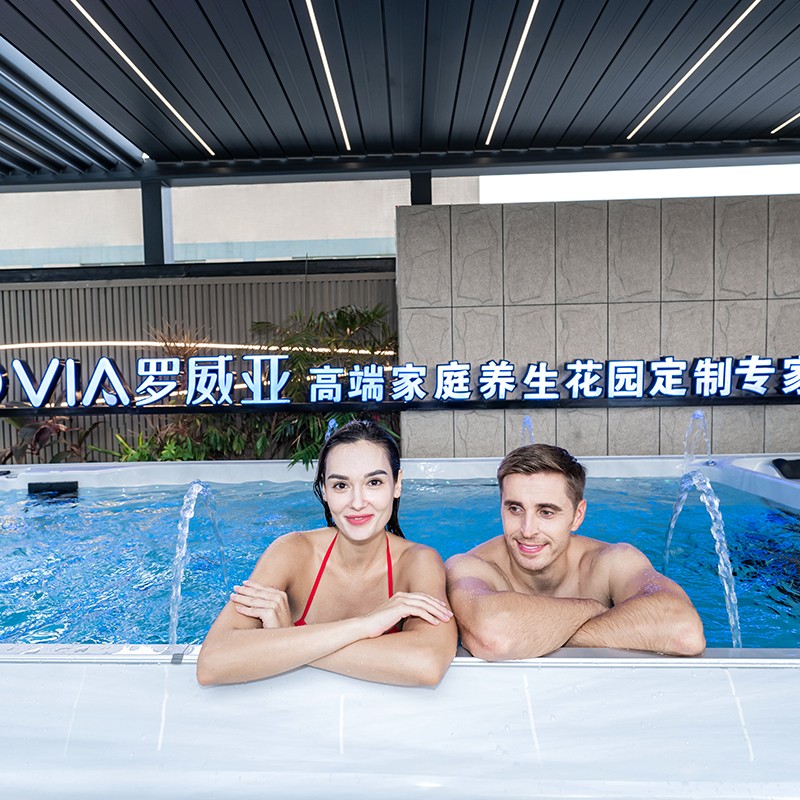
Why Do Outdoor Swim Spas Require Greater Attention Regarding Microbial Issues Compared to Standard Pools?
Many consumers wonder: since both involve bodies of water, why do outdoor swim spa tubs have stricter requirements for microbial management? The answer lies in the specific usage characteristics of outdoor swim spa tubs.
First, outdoor swim spa tubs typically operate at a constant temperature; most households set the water between 30°C and 38°C. This temperature range is ideal for human relaxation but can also foster the growth of certain microorganisms. Consequently, unlike standard swimming pools—which are often seasonal and kept at lower temperatures—outdoor swim spa tubs rely heavily on continuous filtration and standardized disinfection to maintain stable water quality. Secondly, the water volume of an outdoor spa pool is typically far smaller than that of a standard swimming pool. A typical residential outdoor spa pool holds between 5,000 and 10,000 liters of water, whereas a standard pool may contain tens or even hundreds of thousands of liters. When multiple people use the pool in succession, substances introduced by the human body—such as sweat, oils, skincare product residues, and other organic matter—accumulate more rapidly in the smaller volume of water, thereby increasing the likelihood of microbial proliferation.
Furthermore, outdoor spa pools feature numerous massage jets, circulation pipes, and filtration systems; while these components enhance the massage experience, they also make the maintenance of internal piping critical. Without regular deep cleaning, biofilms can form in certain areas, providing a surface for microorganisms to attach and grow. Consequently, proper maintenance is essential not only for the water itself but also for the hygiene of the entire circulation system.
Why is it important to address microorganisms in outdoor spa pools?
Microorganisms are tiny organisms invisible to the naked eye, including bacteria, fungi, algae, viruses, and certain protozoa. The vast majority of microorganisms exist widely in the natural environment—including in the air, soil, water, and on the human body—and many are part of a normal ecosystem that poses no harm to humans.
However, in warm, humid, and nutrient-rich environments, some microorganisms can multiply rapidly. If an outdoor spa pool lacks effective long-term maintenance, organic contaminants accumulate in the water; combined with reduced filtration efficiency or inadequate disinfection, this can create favorable growth conditions for certain microorganisms.
It is important to emphasize that not all microorganisms cause health issues. The primary concern lies with those that can compromise water quality, form biofilms, or pose hygiene risks under specific circumstances. Therefore, the goal of scientific maintenance is not to achieve a "completely sterile" state, but rather to keep microbial levels within a reasonable range through filtration, disinfection, and regular water changes, thereby maintaining a stable and safe aquatic environment.
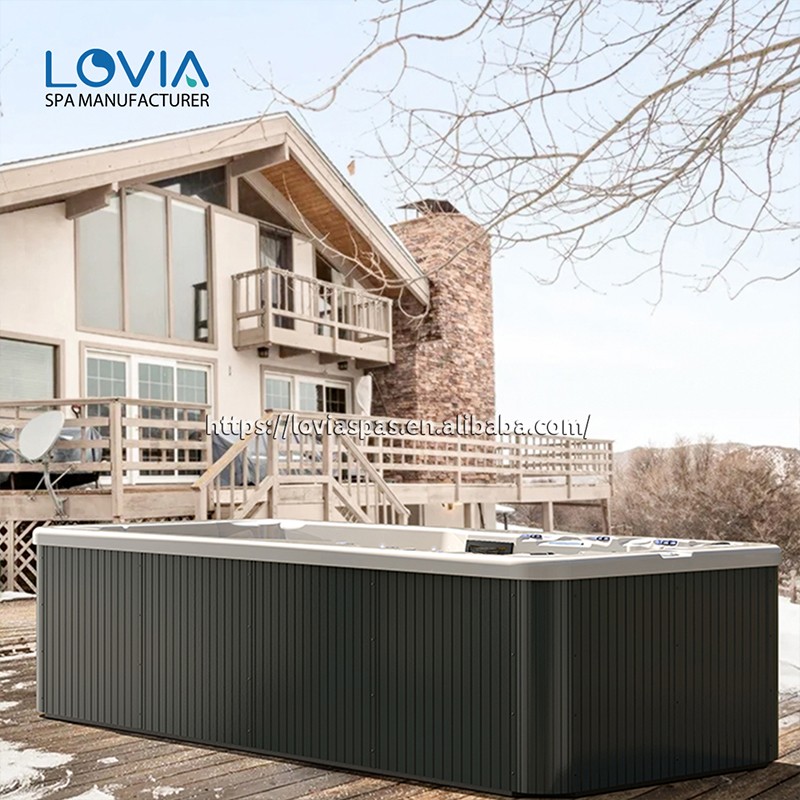
Which microbial issues in outdoor spa pools require particular attention?
1. Biofilm: The most frequently overlooked issue
During the maintenance of outdoor spa pools, biofilms often warrant more attention than simple water contamination. A biofilm is an adherent layer formed by microorganisms and the sticky substances they secrete; these layers commonly accumulate in circulation pipes, inside jets, and within filtration systems. Once a biofilm forms, standard disinfectants struggle to penetrate its interior completely; consequently, even if disinfectant levels in the water appear normal, some microorganisms may remain hidden within the biofilm. Long-term accumulation not only compromises water quality but can also reduce the efficiency of the circulation system and complicate equipment maintenance.
For this reason, an increasing number of outdoor spa pool manufacturers now recommend combining regular water changes with professional piping cleaning procedures to minimize the likelihood of biofilm formation.
2. Environmental bacteria such as Pseudomonas
Pseudomonas species are bacteria widely found in the natural environment, with some strains capable of thriving in warm, moist conditions. Populations of these environmental bacteria can rise if an outdoor spa pool suffers from prolonged inadequate disinfection, poor water quality maintenance, or filtration system malfunctions.
While healthy individuals are generally unaffected when using properly maintained outdoor spa pools, public health authorities often prioritize monitoring for these bacteria. Therefore, maintaining appropriate disinfection levels, regularly changing the water, and properly maintaining the filtration system are crucial measures for controlling such microorganisms.
3. Legionella: A concern, but no need for panic
Legionella is a type of environmental bacterium that has garnered significant public attention in recent years; it is primarily found in natural water environments and certain man-made water supply systems. Given the constant temperatures, water circulation, and spray features characteristic of outdoor spa pools, public health guidelines emphasize the importance of proper equipment management to mitigate risk.
However, it is important to view the situation objectively: properly operated residential outdoor spa pools are typically equipped with continuous filtration and disinfection systems. When maintained according to manufacturer specifications, the risk can be significantly reduced. The focus should therefore be on establishing a scientific and consistent water quality management mechanism rather than simply worrying about Legionella itself.
4. Algae: Not the greatest microbiological risk, but it impacts the user experience
Algae are often the first issue users notice. Although algae are not usually a primary focus of hygiene regulations—unlike certain bacteria—excessive growth can turn the water green, make pool walls slippery, and place an increased burden on the filtration system.
Algal growth is typically linked to sunlight exposure, increased nutrient levels in the water, and insufficient disinfection. Consequently, maintaining appropriate disinfectant concentrations, cleaning regularly, and using thermal covers to minimize direct sunlight can all help inhibit algal proliferation.
Why is biofilm a key focus in outdoor spa pool maintenance?
Biofilms are far more difficult to manage than free-floating microorganisms in the water. Not only do they protect the microorganisms within, but they can also serve as a persistent source of water contamination.
In outdoor spa pools, biofilms can form around massage jets, circulation piping, and heating systems. Once established, routine sanitizer application is often insufficient to eliminate them completely. Consequently, an increasing number of manufacturers recommend using specialized pipe-cleaning products to flush the system before every water change, ensuring the cleaning solution circulates thoroughly through the entire plumbing network before draining and refilling.
While this maintenance routine requires a small amount of extra effort, it significantly improves the hygiene of the entire outdoor spa pool system and helps extend the equipment's lifespan.
How can microbial issues in outdoor spa pools be effectively prevented?
In reality, most microbial problems can be effectively controlled through proper maintenance, rather than waiting until unpleasant odors, cloudy water, or equipment malfunctions occur.
First, establish a consistent water testing routine to monitor parameters such as sanitizer levels, pH, and total alkalinity, ensuring the water remains stable. Second, ensure the filtration system runs continuously according to the manufacturer's recommendations to avoid insufficient water circulation caused by prolonged shutdowns.
Additionally, users are encouraged to rinse off before entering the spa pool; this reduces the introduction of sweat, sunscreen, skincare products, and cosmetics into the water, thereby minimizing the accumulation of organic contaminants at the source.
Regularly cleaning and replacing filter cartridges, as well as periodically draining the pool and deep-cleaning the piping, are also essential components of a long-term microbial control strategy.
Smart technology is transforming water quality management for outdoor spa pools
In recent years, advancements in smart technology have ushered in an era of greater automation in outdoor spa pool maintenance.
High-end outdoor spa pools are increasingly utilizing smart water quality monitoring systems. These systems track parameters such as pH, sanitizer levels, and water temperature in real-time, sending alerts to users via mobile apps. When water quality anomalies are detected, the system prompts the user to perform timely maintenance, helping to prevent minor issues from escalating.
Meanwhile, automatic dosing systems, smart circulation controls, and remote equipment management platforms are simplifying maintenance for users, ensuring that outdoor spa pools continue to operate reliably over the long term. In the future, as artificial intelligence, the Internet of Things (IoT), and online monitoring technologies mature, microbial management for outdoor spa pools will become more precise and efficient, making them even more suitable for long-term home use.
Cultivating a mindset of long-term maintenance is more important than a single deep clean
Many consumers believe that an occasional thorough cleaning of their outdoor spa pool will solve all issues. In reality, water quality management relies more on consistency than on one-off deep treatments.
Proper maintenance should include daily observation, weekly testing, regular cleaning, scheduled water changes, and periodic maintenance of the plumbing system. This consistent, long-term approach not only effectively controls microorganisms but also ensures water clarity, stabilizes equipment performance, and reduces future repair costs.
For home users, establishing a scientific maintenance routine is far more important than simply stocking up on chemicals; ultimately, it is standardized, continuous, and sensible daily management that determines the hygiene level of an outdoor spa pool.
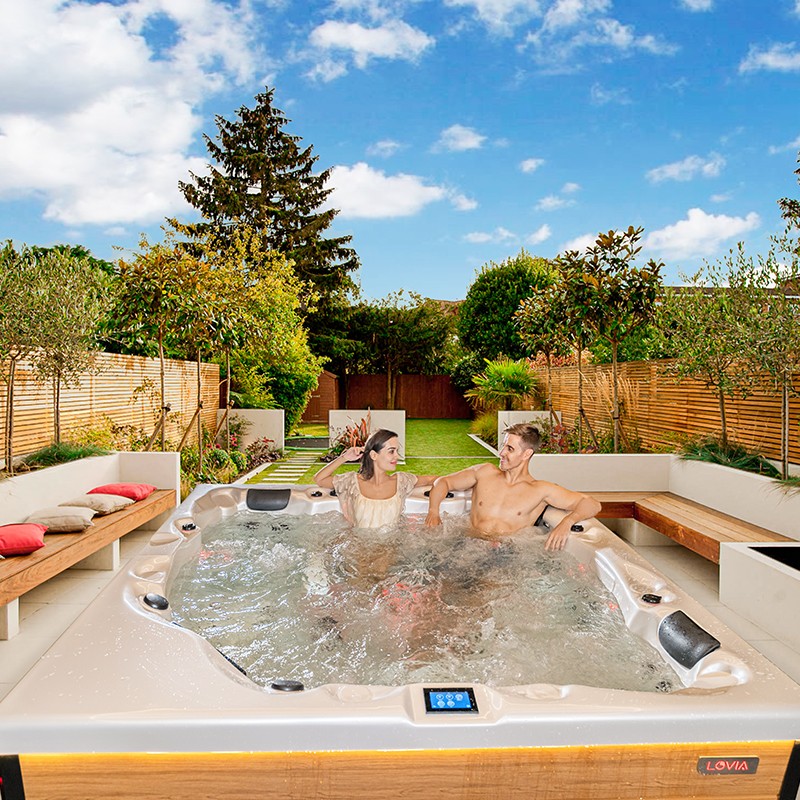
FAQ
Why are microbial issues a greater concern for outdoor spa pools compared to standard swimming pools?
Outdoor spa pools typically maintain higher water temperatures, have smaller water volumes, and involve more frequent user contact. They also feature complex circulation piping and massage jets; consequently, without proper maintenance, microorganisms can easily proliferate in these favorable conditions. Standardized maintenance effectively mitigates this risk.
What is biofilm in outdoor spa pools, and why is regular pipe cleaning necessary?
Biofilm is a sticky layer formed by microorganisms adhering to surfaces such as pipes and jets; it reduces the effectiveness of sanitizers and can have a persistent negative impact on water quality. Using professional pipe cleaning procedures regularly helps minimize biofilm accumulation and keeps the spa pool's circulation system clean.
How often should the water in an outdoor spa pool be changed?
The specific frequency depends on usage, water volume, and maintenance conditions. Home users should generally follow the manufacturer's recommendations while considering water test results and actual usage patterns to schedule draining, cleaning, and refilling, thereby maintaining optimal water quality.
Can the filtration system alone control microorganisms in an outdoor spa pool?
No. Filtration systems are primarily designed to remove suspended particles, whereas microbial management requires a combination of filtration, sanitization, water balance maintenance, and regular water changes. Only by establishing a comprehensive maintenance system can the water quality of an outdoor spa pool remain stable over the long term.
How can microbial risks in outdoor spa pools be reduced?
It is recommended to keep the circulation system running properly, regularly monitor water quality parameters, replenish disinfectants as required, promptly clean filter cartridges and piping, change the water periodically, and rinse off briefly before use to minimize the introduction of organic contaminants into the water. Together, these measures effectively maintain good hygiene in the outdoor spa pool.