


- Home
- >
News

Globally, the high operating voltages for swim spas typically fall into two main ranges: • 220V–240V • 380V–415V (Three-phase power) The specific voltage chosen depends on the swim spa's power configuration, the number of pumps, the heating system's capacity, and its design specifications.
If the disinfectant concentration in a swim spa tub is insufficient, it will directly lead to: • Rapid proliferation of bacteria and microorganisms • The water turning white or appearing milky/cloudy • The appearance of fine suspended particles on the water's surface
You should refrain from entering a swim spa whenever you have open wounds on your body, including: •Deep cuts or lacerations. •Wounds that have not yet fully healed. •Surgical incisions. •Large areas of damaged or broken skin.
From a chemical standpoint, when baking soda dissolves in water, it: •Increases the water's alkalinity. •Neutralizes certain acidic components. •Exerts an upward adjusting effect on water with a low pH level. Therefore, in instances where the water in a swim spa tub becomes acidic, baking soda possesses a certain capacity for regulation.
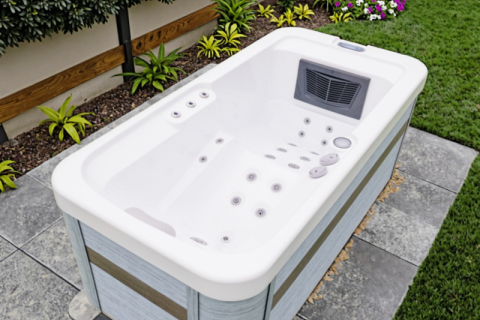
According to the Aquatic Exercise Association, for young children and the elderly, the water temperature in a swim spa tub typically needs to be warmer—ranging between 84°F and 94°F—whereas for adults, a comfortable pool temperature usually falls between 85°F and 89°F.
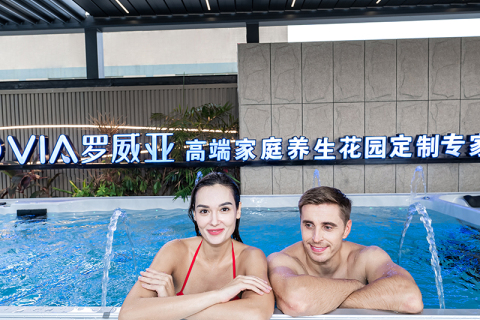
The paving stone itself is indeed hard, but the problem lies not in the stone itself, but in: The paving stone system is not a monolithic, cast-in-place load-bearing structure. In contrast, swim spa tubs are better suited for placement on: • Continuous, monolithic structures • Seamless load-bearing surfaces • Foundations with predictable load-bearing capacity
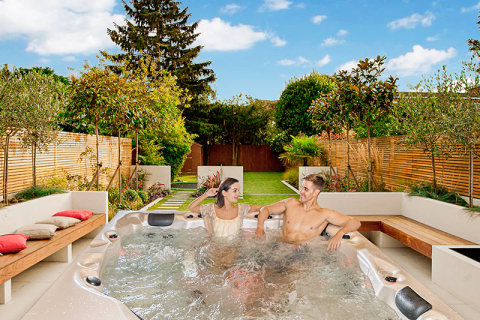
One of the most common triggers for nausea in a swim spa tub is the effect of microorganisms or irritants in the water on the human body. If a person swallows, comes into contact with, or inhales water or mist contaminated with bacteria in a swim spa tub, the body may experience adverse reactions, and nausea is one common early symptom.
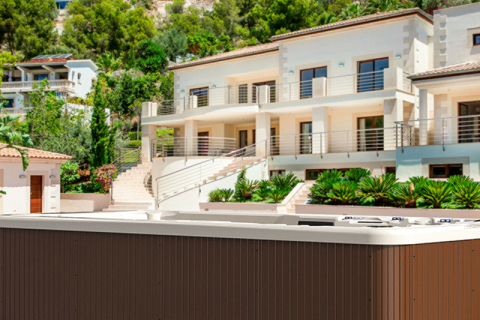
Feeling fatigue the day after swimming is a typical example of delayed onset muscle fatigue (DOMS). When exercising in a swim spa tub: • The water temperature is usually comfortable. • Buoyancy reduces pressure on joints and bones. • The enveloping feeling of the water reduces immediate pain signals.
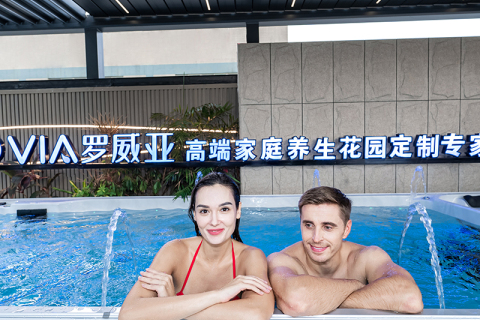
A swim spa tub is not a single device that can only use hot or cold water. Contrary to popular belief, one of the core features of a swim spa tub is its adjustable water temperature. In other words: • It can be used for hot water • It can also be used for cold water • It can be set to a temperature range between hot and cold
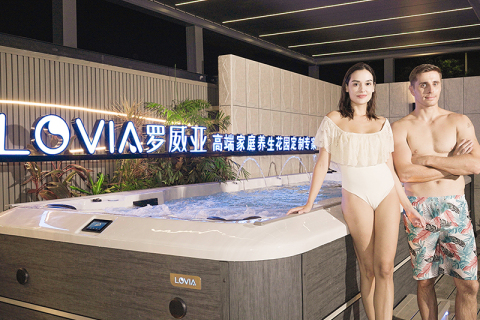
First, it's important to clarify that not all "small white worms" seen in a swim spa tub are insects. In aquatic environments, visible white or translucent microorganisms may include: • Certain aquatic larvae • Microscopic worms • Aggregates of biological debris or residue
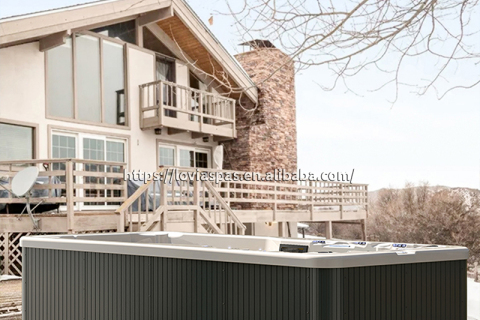
After swimming or spa treatments, if you don't wash your body promptly and thoroughly: • Chlorine may remain on the skin and mucous membranes. • It's especially prone to lingering in the intimate, moist areas. These residues, when in contact with urine during urination, can amplify irritation and make burning more pronounced.
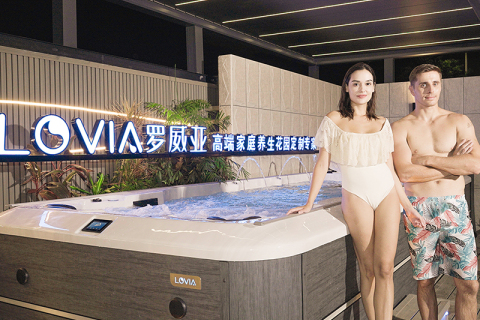
Why Could “Going Without Chlorine for a Few Days” Possibly Cause Risks? In warm water environments, the bacterial reproduction cycle can be very short. For swim spa tubs: • Higher water temperature leads to greater microbial activity. • Once chlorine is depleted, water quality changes rapidly.