


- Home
- >
News
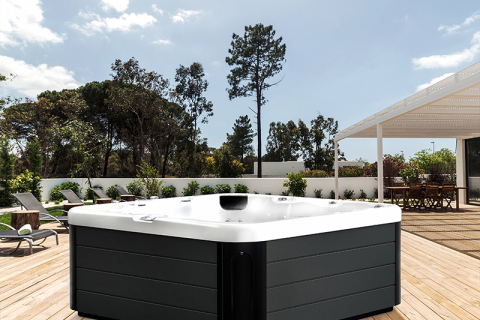
Cloudy water is one of the most common and obvious warning signs. Healthy spa hot tub water should generally be clear and transparent, allowing you to easily see the structure of the bottom and the outlines of the jets. If you notice the water turning slightly milky, hazy, or losing clarity—even without a noticeable odor—you should be alert.
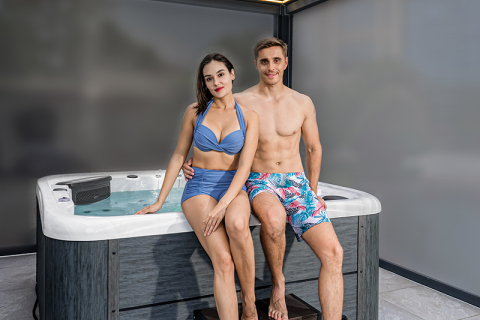
Many nozzles contain rotating internal components. To achieve effects such as pulsating massage, rotating massage, or multi-angle spraying, some whirlpool hot tubs employ rotating nozzle cores. These components undergo continuous, slight rotation or vibration during operation.

If one had to choose the single most important category of chemicals, the answer would undoubtedly be sanitizers. For outdoor spa hot tubs, sanitizers not only kill bacteria and microorganisms but—more importantly—break down organic contaminants in the water, preventing turbidity at the source.

To better understand this relationship, consider the following example: A household outdoor hot tub has a capacity of 2,000 liters, with a measured pH of 8.1 and total alkalinity of 100 ppm. Based on standard guidelines, an initial dose of approximately 60 to 70 mL of hydrochloric acid can be added.
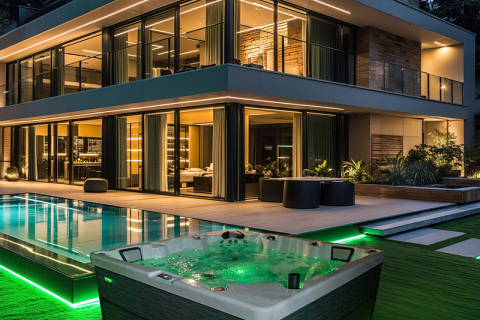
Most Balboa control systems do not have native, built-in Wi-Fi functionality. In other words, purchasing a standard Balboa control board alone does not automatically provide support for remote control via smartphone or cloud connectivity.
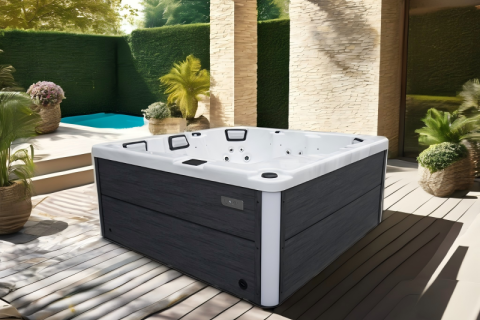
Soaking in an outdoor hot tub for 10 to 20 minutes: The "sweet spot" for recovery Why this specific timeframe? It represents the period when the body experiences the most significant benefits of heat therapy while keeping risks low.
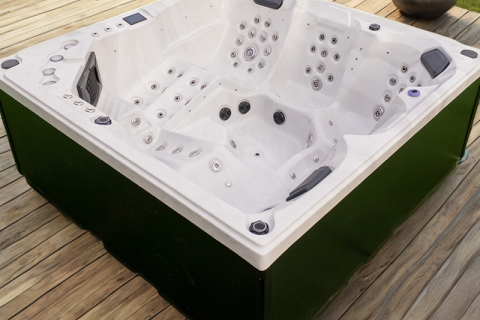
They can be added on the same day, but it is not recommended to mix them directly or pour them into the same area of the spa hot tub simultaneously. Why? The issue lies in localized concentrations and chemical reactions.
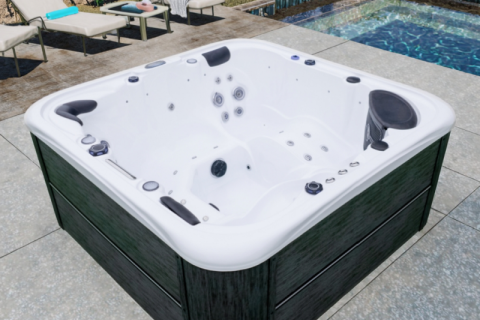
Not everyone derives the same level of improvement in lymphatic circulation from outdoor spa hot tubs; the degree of benefit can vary significantly among different groups. For individuals with sedentary office jobs, an outdoor hot tub can be a highly effective recovery tool.
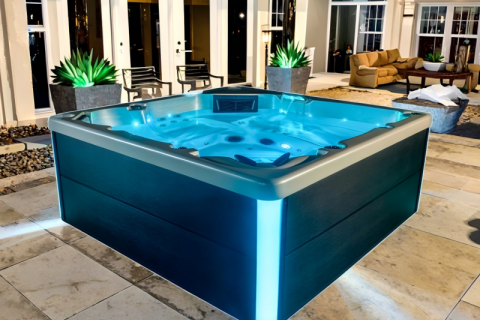
Soaking in vinegar is the core cleaning step This is the most critical part of the entire cleaning process. Prepare a bucket or container large enough to fully submerge the spa hot tub filter. Then, mix the vinegar solution. Common recommended ratios are: •White vinegar: 1 part •Warm water: 1 to 3 parts
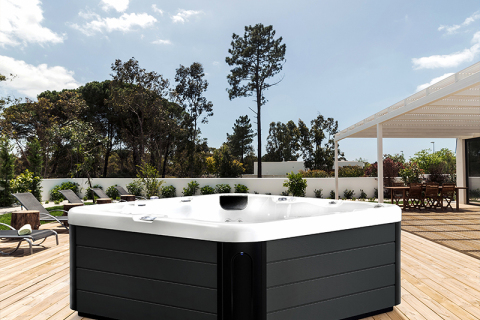
Yes, automatic shut-off for jets is a standard feature in most modern outdoor spa hot tubs. Most brands configure a default automatic shut-off time for the jets—typically 15, 20, or 30 minutes.

Primary Function of the Hot Tub's Own Weight: Enhancing Overall Structural Stability For any large vessel, greater weight generally translates to a more stable center of gravity. Outdoor spa hot tubs are no exception.

One of the most common reasons is excessive jet intensity. In other words, if you turn the jets to maximum power and continuously target the same area of your lower or upper back, the muscles may perceive this as excessive external force and become even more tense.