


How long should you soak in an outdoor hot tub to recover your energy?
2026-07-06 15:30In recent years, with the evolution of home wellness concepts, outdoor whirlpool hot tubs have transcended their role as mere leisure fixtures for high-end patios; they have increasingly become vital tools for physical recovery, fatigue relief, and improved sleep. This shift is particularly relevant in today’s fast-paced, high-stress environments, where people are placing greater emphasis on the capacity for recovery itself.
While the focus used to be on training harder or working longer hours, growing research suggests that long-term well-being is determined less by output capacity and more by recovery efficiency. Against this backdrop, outdoor whirlpool hot tubs have gained popularity among consumers by combining heat therapy, hydrotherapy massage, and deep relaxation.
Whether dealing with muscle soreness after intense exercise, back stiffness from prolonged desk work, or mental exhaustion following days of overtime, many people turn to jacuzzi outdoor spa tubs to help restore their energy. Yet, a seemingly simple but crucial question arises: exactly how long should one soak to achieve genuine recovery? Opinions vary—some find five minutes of relaxation sufficient, while others prefer spending an hour in the tub, believing that longer sessions yield better results. The reality, however, is more nuanced.
From a physiological perspective, physical recovery is not a single, isolated process; rather, it is the result of multiple interacting mechanisms, including muscle recovery, nervous system relaxation, improved circulation, thermoregulation, and the relief of psychological stress. While jacuzzi outdoor spa tubs certainly play a positive role in these areas, the effectiveness of recovery is not simply a matter of "the longer, the better."
Conversely, a soak that is too short may fail to deliver the desired benefits, while one that is too long could prove counterproductive—or even increase fatigue. In other words, the key question is not whether to soak, but rather what duration is most effective.
This article provides a comprehensive analysis of the relationship between outdoor whirlpool hot tubs and physical recovery—examining recovery mechanisms, optimal timeframes, the impact of water temperature, individual differences, and scientific data—to help you determine the recovery duration that works best for you.
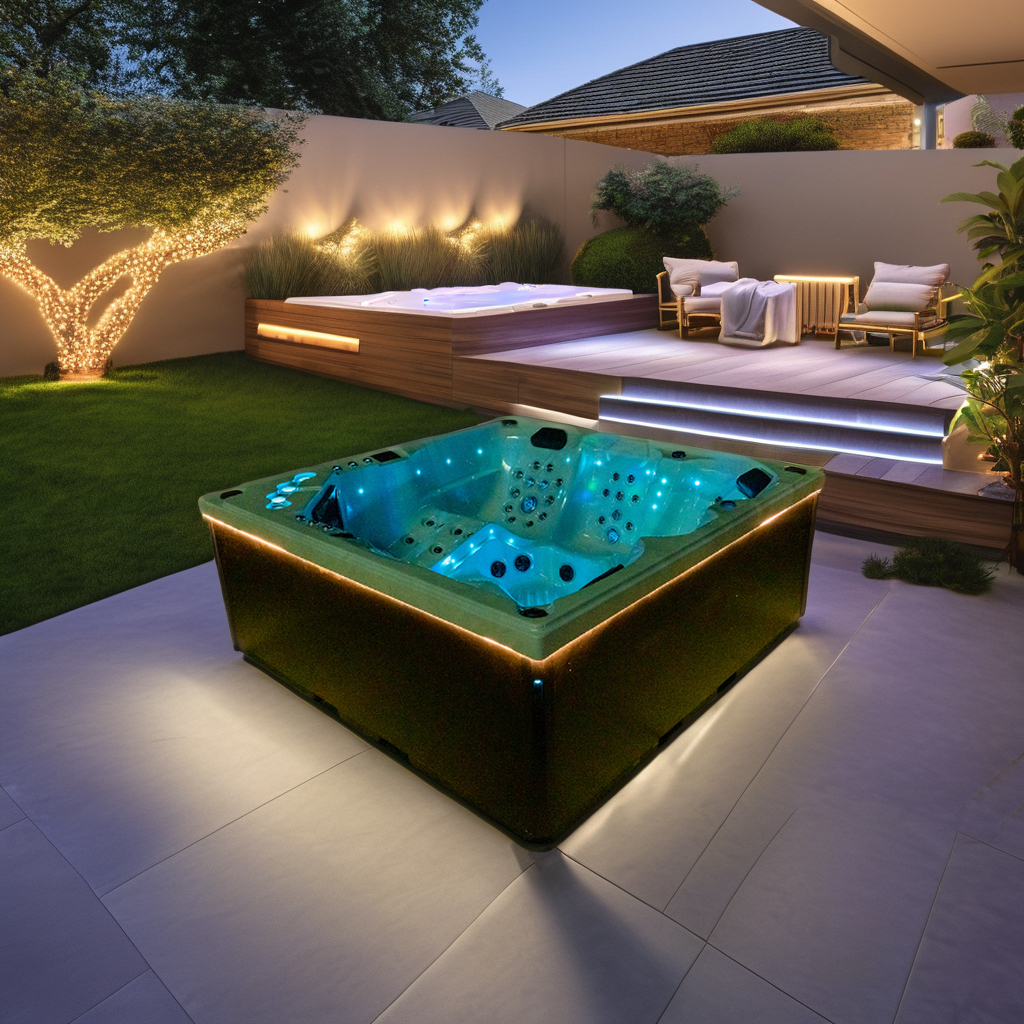
What does "physical recovery" actually entail, and how do outdoor hot tubs facilitate it?
Many people equate physical recovery simply with "no longer feeling tired," but from a physiological standpoint, the process is far more complex than what is perceived on the surface. Physical recovery generally encompasses several dimensions. The first is muscular recovery—reducing lactic acid buildup and alleviating tension and soreness. The second is circulatory recovery—improving blood flow to deliver oxygen and nutrients to tissues more efficiently. The third is neurological recovery—specifically allowing the sympathetic nervous system, often under chronic stress, to gradually relax. The fourth is psychological recovery—lowering stress hormone levels and allowing the brain to disengage from a state of constant alertness.
Outdoor whirlpool hot tubs aid recovery because they act upon multiple systems simultaneously. First, the warm environment promotes vasodilation (widening of blood vessels). Studies show that when the body is immersed in water between 38°C and 40°C, blood flow to the skin's surface can increase by 20% to 40%. Increased blood flow means more oxygen and nutrients reach the muscles, while metabolic waste products are eliminated more rapidly.
Second, the buoyancy provided by an outdoor whirlpool hot tub significantly reduces the physical load on the body. When immersed up to chest depth, the body's weight-bearing load can decrease by approximately 70%. This reduces pressure on the joints and strain on the spine, making it easier for muscles to relax.
Third, modern jacuzzi outdoor spa tubs are typically equipped with massage jets. The high-pressure water streams stimulate soft tissues—much like a deep-tissue massage—helping to relieve localized muscle tension. This is particularly beneficial for those with sedentary lifestyles, stiff shoulders and necks, or those recovering after exercise.
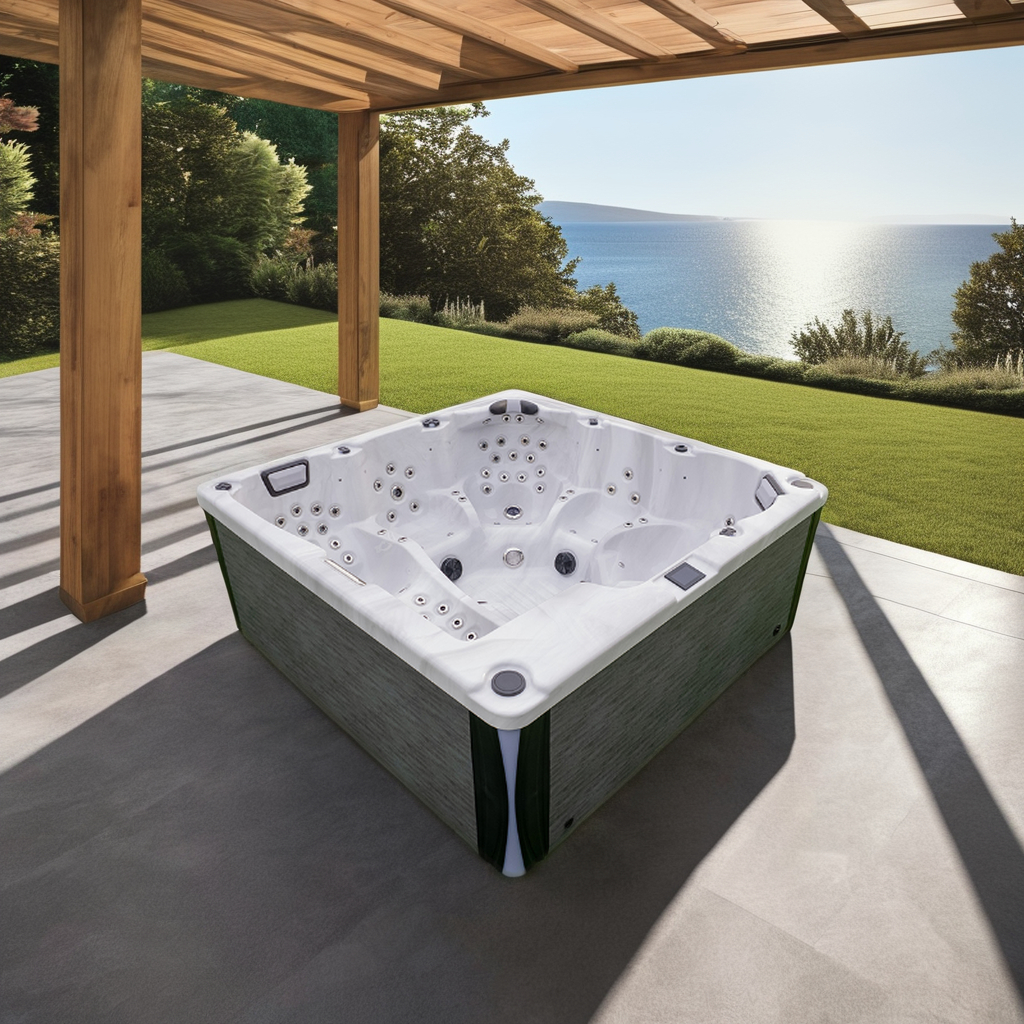
Is a five-minute soak in an outdoor hot tub enough for physical recovery?
After a busy day, many people may only want to spend a few minutes in a jacuzzi outdoor spa tub. So, is five minutes enough?
In terms of physiological response times, five minutes can certainly provide some relaxation, but it is usually insufficient for deep recovery. The body does not undergo comprehensive physiological changes the moment it enters hot water; the thermal stimulus requires time to penetrate deep tissues.
Generally, the first three to five minutes of soaking primarily involve a rise in surface temperature and initial vasodilation. While you will feel warmth and comfort during this time, deep muscles have not yet fully relaxed. In other words, five minutes marks the beginning of the recovery process rather than its completion.
For mild fatigue—such as needing to unwind mentally after a typical workday—a five-minute soak in a jacuzzi outdoor spa tub may well leave you feeling significantly more comfortable. However, if the goal is physical recovery, relieving deep-seated fatigue, or alleviating post-exercise soreness, five minutes is usually insufficient.
Soaking in an outdoor hot tub for 10 to 20 minutes: The "sweet spot" for recovery
For the vast majority of users, 10 to 20 minutes is the optimal duration for using a jacuzzi outdoor spa tub to aid recovery.
Why this specific timeframe? It represents the period when the body experiences the most significant benefits of heat therapy while keeping risks low.
After soaking for about 10 minutes, the body's core temperature begins to rise steadily, and blood circulation accelerates noticeably. Muscle tension gradually subsides, and parasympathetic nervous system activity increases. This signals the body to shift from "fight or work mode" to "recovery mode."
Studies on heat therapy have found that soaking in warm water for around 15 minutes can significantly reduce muscle stiffness and improve subjective ratings of fatigue. For the average office worker, a 10- to 15-minute soak in an outdoor whirlpool hot tub is usually enough to relieve tension in the shoulders, neck, and lower back.
For those recovering from exercise, a 15- to 20-minute soak often yields better results. Particularly at moderate water temperatures (around 38°C), a jacuzzi outdoor spa tub can accelerate circulatory recovery after a workout and alleviate delayed onset muscle soreness (DOMS). Some studies on athletic recovery indicate that hot water recovery protocols can reduce subjective soreness ratings the following day by 10% to 18%.
Does soaking in an outdoor hot tub for more than 30 minutes lead to faster recovery?
Many people naturally assume that if 10 to 20 minutes is effective, soaking for 30 or 40 minutes—or even longer—would provide even better recovery results.
Not necessarily; in fact, it could be counterproductive.
While outdoor whirlpool hot tubs offer recovery benefits, the high-temperature environment also places a strain on the body. As the soaking time extends, the body begins to regulate its temperature through sweating. Even while submerged in water, dehydration can still occur.
Data shows that after soaking in water at 39°C to 40°C for 30 minutes, the body can lose between 300 and 800 milliliters of fluid, depending on individual metabolism and environmental conditions. What are the consequences of mild dehydration? The most immediate effects include a decrease in blood volume, increased fatigue, and an elevated heart rate. This means that if you stay in a jacuzzi outdoor spa tub for too long, the recovery benefits may begin to diminish. After 30 minutes, many people actually experience dizziness, fatigue, an elevated heart rate, or even mild nausea.
Therefore, in terms of recovery efficiency, exceeding 30 minutes usually does not yield significantly better results.
How does water temperature affect the time needed for recovery?
This is a key variable in determining soak duration. Outdoor whirlpool hot tubs affect the body at different rates depending on the water temperature.
At lower temperatures (36–37°C), the thermal stimulus is mild and the body warms up slowly; consequently, a longer soak is usually required to achieve noticeable recovery benefits. This temperature range is suitable for extended relaxation, such as 20 to 30 minutes.
Moderate temperatures (37.5–39°C) are widely considered the optimal range for physical recovery in an outdoor whirlpool hot tub. This range effectively promotes circulation without placing excessive strain on the body. Most people achieve excellent results with a 15- to 20-minute soak.
High temperatures (above 39–40°C) accelerate physiological responses. This means recovery processes kick in faster, but the strain on the body is also greater. Therefore, it is generally recommended to limit sessions in high-temperature water to 10–15 minutes.
Recommended durations based on different recovery goals
The optimal duration for using an outdoor hot tub varies depending on your goal:
•Daily relaxation: 10–15 minutes
•Recovery from work-related fatigue: 15–20 minutes
•Post-exercise recovery: 15–25 minutes
•Pre-sleep relaxation: 10–20 minutes
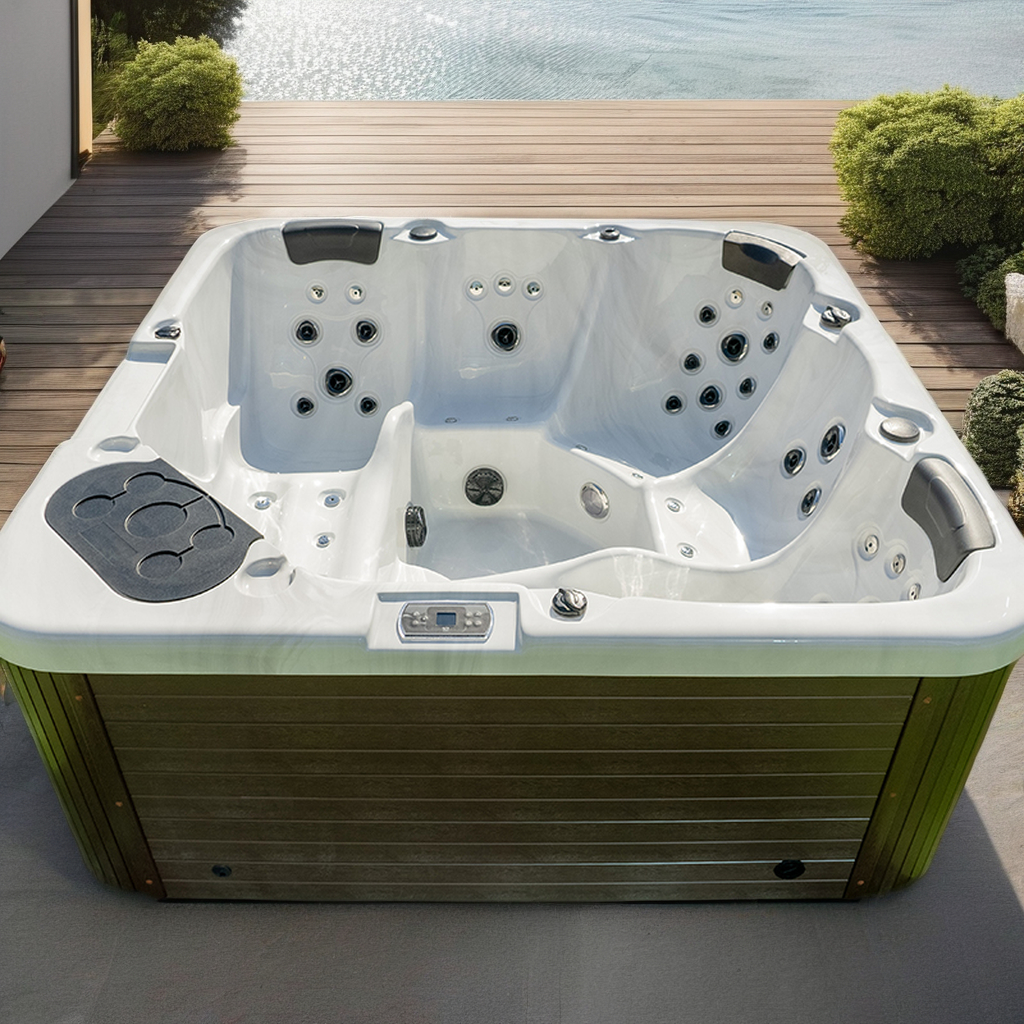
Why do some people feel more tired after using an outdoor hot tub?
This is actually a common phenomenon.
Many users report feeling comfortable while soaking but experiencing weak legs, drowsiness, or even increased fatigue after getting out. This is usually not a problem with the whirlpool hot tub itself, but rather a result of improper usage.
There are three common reasons for this:
First, soaking for too long. As mentioned earlier, prolonged exposure to high temperatures can lead to dehydration and increased fatigue.
Second, the water temperature is too high. Temperatures exceeding 40°C place significant strain on the cardiovascular system.
Third, soaking on an empty stomach or while excessively fatigued. At this stage, blood sugar levels are relatively low, and the vasodilation caused by the hot water can make you feel more fatigued.
Therefore, using an outdoor whirlpool hot tub correctly is important. The goal of recovery isn't simply to "put in the time," but to allow your body to enter the optimal recovery window.
How do you know when you’ve soaked long enough?
This is more important than simply watching the clock.
While 15 to 20 minutes is suitable for most people, individual needs vary significantly. The most reliable method is to observe your body's feedback.
What signals indicate it’s time to stop?
The following signs usually indicate that you have achieved sufficient recovery or that it is time to end the soak:
•Muscles feel noticeably relaxed
•Breathing becomes steady
•Heart rate drops
•Mental stress decreases
•You start sweating noticeably
•You feel slightly dizzy or thirsty
The first four are ideal signs of recovery, while the last two suggest you may be approaching the point of over-soaking.
How can you maximize the recovery benefits of a jacuzzi outdoor spa tub?
Beyond managing the duration, there are other ways to boost recovery efficiency.
First, hydrate properly before soaking to reduce the risk of dehydration. Second, use the jets wisely; avoid using maximum intensity for the entire session, as moderate intensity is usually better for recovery.
Additionally, avoid strenuous activity immediately after soaking. Give your body a 5- to 10-minute buffer period to allow your heart rate and body temperature to return to normal gradually.
If your goal is to improve sleep, it is recommended to use the whirlpool hot tub 60 to 90 minutes before bedtime. Research shows that a warm soak before sleep can reduce the time it takes to fall asleep and increase the proportion of deep sleep.
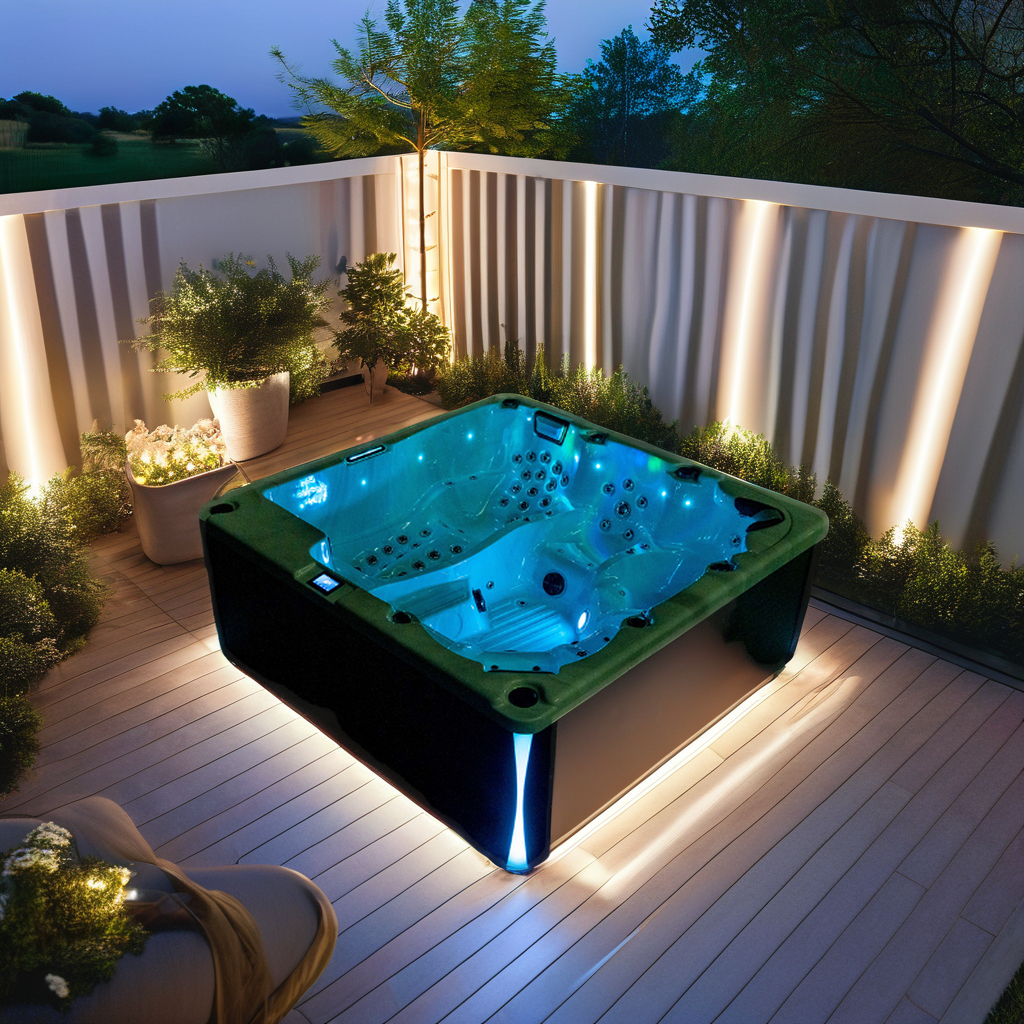
FAQ
1. Is 10 minutes in an outdoor whirlpool hot tub enough?
It is usually sufficient for light relaxation, but deep recovery generally requires 15 to 20 minutes.
2. Is it better to soak in an outdoor whirlpool hot tub for more than 30 minutes?
Usually not; soaking for too long can lead to dehydration and increased fatigue.
3. How soon after exercise should I use a jacuzzi outdoor spa tub?
It is generally recommended to use it within 30 to 60 minutes after exercising.
4. Does higher water temperature lead to faster recovery?
Not necessarily; high temperatures accelerate physiological responses but also place a greater burden on the body.
5. Why do I feel tired after using a jacuzzi outdoor spa tub?
Common causes include prolonged soaking, excessively high water temperature, or dehydration.