


- Home
- >
News
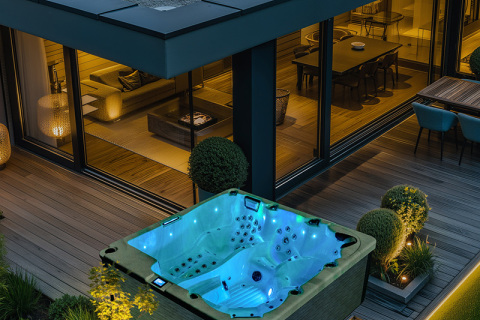
The most obvious difference between wholesale and retail purchases of outdoor hot tubs is the purchase quantity. Retail purchases are generally single-item purchases. Wholesale purchases, on the other hand, are typically characterized by large-scale operations. Purchase quantities can range from a few units, a dozen units, to dozens or even more.
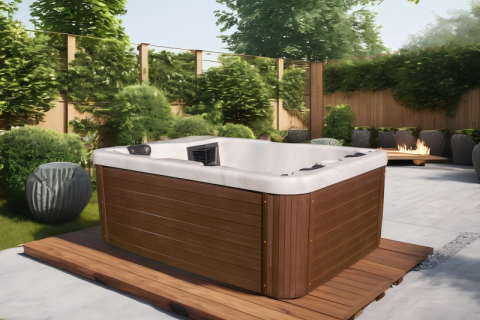
Actually, a well- made outdoor spa hot tub when installed, maintained, and used properly will usually be in a working condition for 10-15 years or more. With the use of high-grade components and an up-to-date and mature manufacturing process a hot tub can even last for more than 20 years.
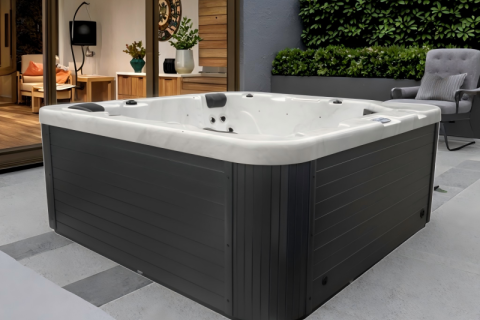
Since its establishment as the leader in R&D and manufacturing of outdoor spa hot tubs LOVIA® has been offering OEM/ODM solutions to clients abroad, helping clients in different countries building competitive brand of outdoor spa hot tub.
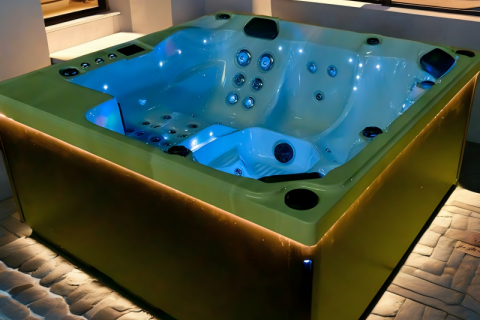
LOVIA® is able to customize your OME/ODM outdoor spa product orders by specifying the following: product size; acrylic color; skirting material; control systems; nozzle arrangements; branding element; as well as packaging solutions.
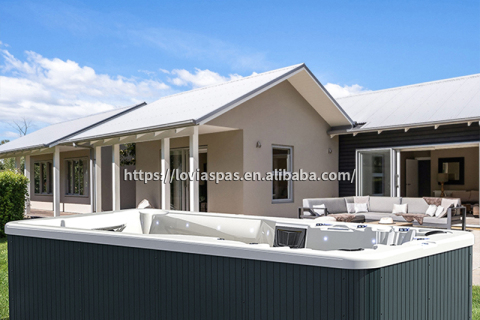
Our current mainstream outdoor spa pool models are typically 4.5 to 6 meters long, with some larger models reaching 5.8 meters or even longer, 2.2 to 2.3 meters wide, and 1.3 to 1.5 meters high.
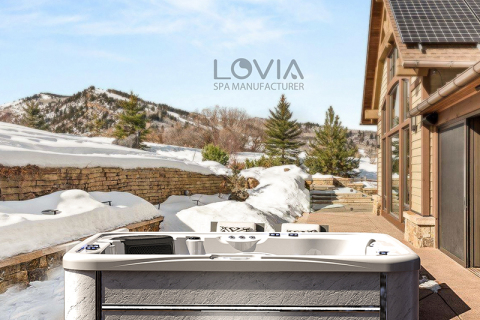
The filtration system is a crucial part of treating pollutants in outdoor hot tubs. When an oil film appears, you can appropriately increase the circulation time to allow more water to pass through the filtration system. For example, a typical household system might circulate for several hours daily.
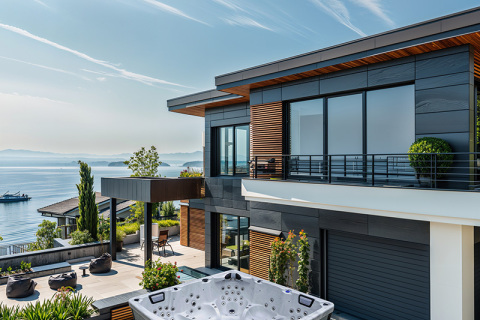
Many people believe that urine disappears quickly after entering the water because no obvious changes are visible to the naked eye. However, in reality, components of urine persist and react with disinfectants, the water circulation system, and other organic matter in the outdoor hot tub.
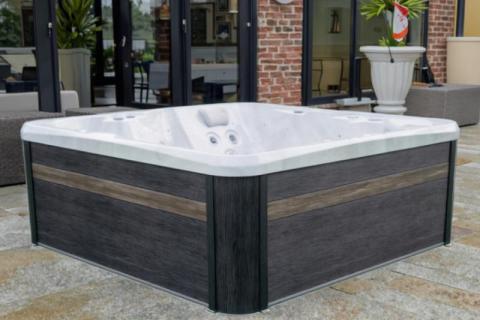
Outdoor hot tub grounding, simply put, connects the metal parts, electrical equipment casing, and related conductive structures of the outdoor hot tub to the earth via conductive lines. This allows leakage current generated in abnormal situations to quickly flow to the ground and trigger the protective device to cut off the power.
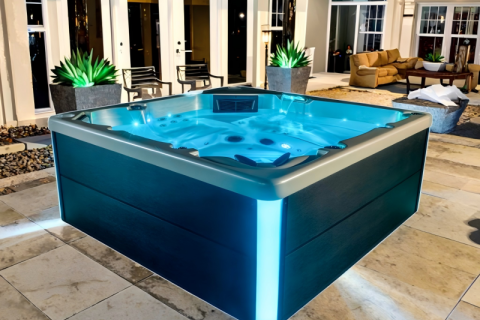
A standard outdoor hot tub, from raw material preparation to factory testing, usually takes approximately 20-45 working days; if color customization, size adjustments, functional upgrades, or OEM projects are involved, the cycle may extend to 45-90 days.
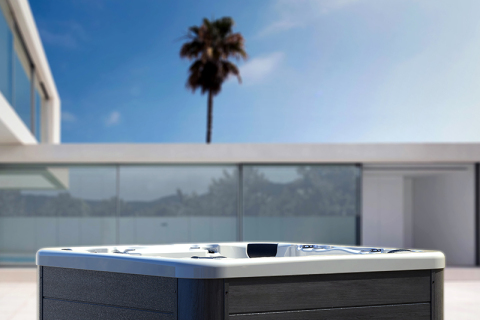
Simply put, an outdoor hot tub is not a medical device for treating meniscus tears, but it can serve as a helpful tool during the recovery process. The key lies in understanding its role correctly and using it in conjunction with a professional rehabilitation plan.
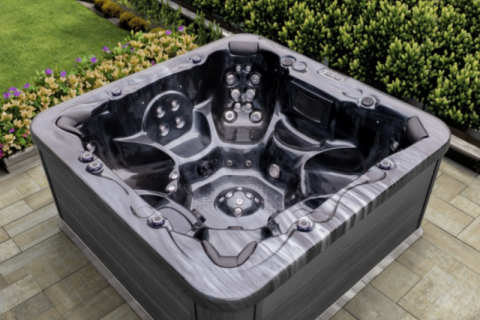
The core value of customized outdoor spa equipment lies in its ability to be tailored to specific application scenarios. Professional manufacturers can design products specifically based on the client's architectural plans, installation environment, and the number of users required.
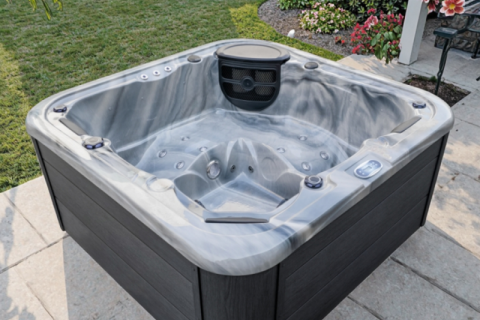
When purchasing outdoor hot tub pipe flushing agents, choose products clearly labeled as suitable for Spa, Hot Tub, and Swim Spa systems. Different product formulations vary; some are geared towards grease removal, some target biofilm, and some are enhanced with mineral deposit removal.