


- Home
- >
News
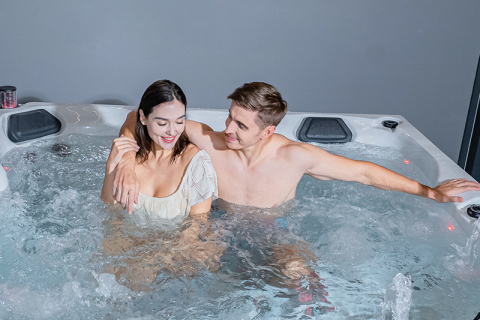
The main reason a spa hot tub tends to accumulate calcium and magnesium scale is the type of hard water supply in the area. International standards identify total hardness below 60 mg/L as soft water and total hardness exceeding 180 mg/L as being in a hard water area.
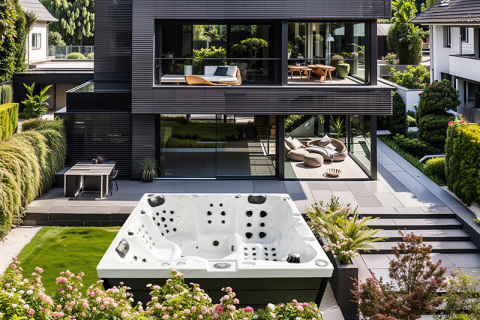
One might be tempted to conclude that the spa hot tub isn't working properly after noticing that it stays at 84°F. To prevent such a mistake it is best to check the operating mode that currently is displayed on the control panel - maybe the economy or the sleep mode has been set by accident.
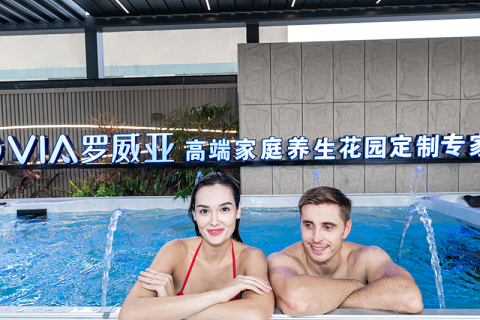
First, the warm environment helps promote blood circulation. When you enter an outdoor swim spa tub, the skin's capillaries gradually dilate, increasing blood flow to the skin's surface, helping the body dissipate heat, and improving circulation in the limbs and superficial tissues.
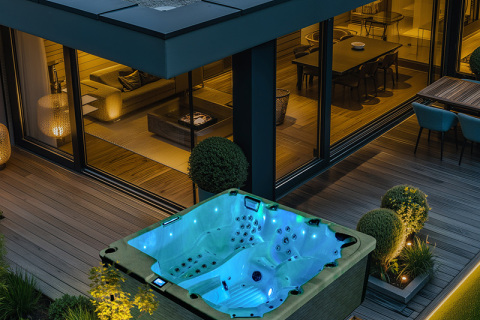
Take the L702 from LOVIA®, a Chinese manufacturer and supplier of outdoor spa equipment, as an example. This is a large outdoor spa hot tub that can accommodate nine people simultaneously. It features two lounges and seven seats, with overall dimensions of 3800×2250×920 mm.
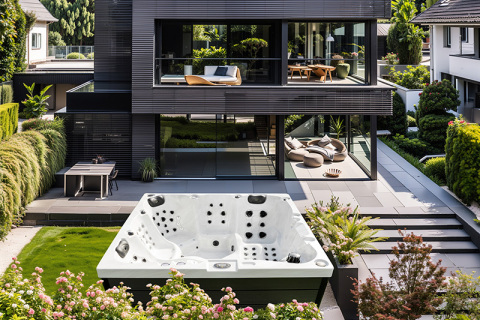
Based on after-sales maintenance experience, there are many reasons for nozzle pulsation in outdoor hot tubs, but the most common is still insufficient water supply. When the massage pump cannot continuously obtain enough water, a situation similar to "insufficient fuel supply" in a car engine occurs.
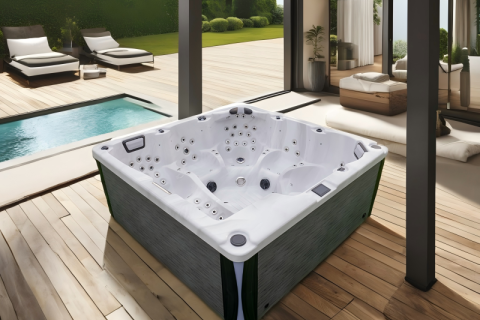
Strictly speaking, sunlight doesn't directly alter the water quality of an outdoor spa hot tub like adding chemicals, but it indirectly affects the water balance through various physical and chemical processes, ultimately leading to changes in water quality.
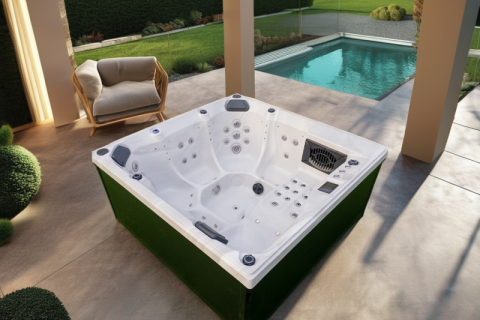
The Most Common Reason for Automatic Start-up: Hot Tub Filter Circulation Program This is the real reason why the vast majority of users encounter automatic start-up. To maintain the cleanliness of the water in an outdoor hot water bath, the equipment needs to circulate and filter daily.
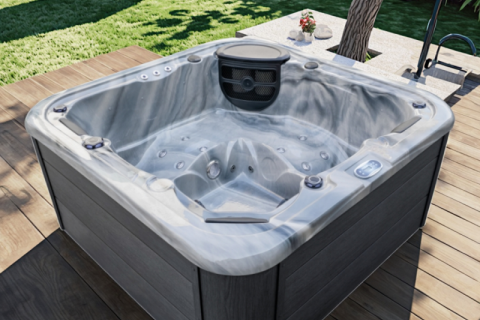
While yeast does thrive in warm, humid environments, modern outdoor hot tubs, if properly maintained, typically maintain a suitable concentration of disinfectants, such as chlorine or bromine, in the water. These disinfectants inhibit not only bacteria but also most microorganisms, including yeast.
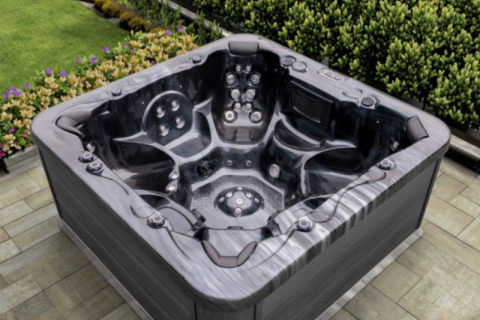
In fact, for a large outdoor hot bathtub, the frame structure is not simply an auxiliary structure, but rather the "skeleton" of the entire system. It undertakes many important tasks, including supporting the tub, distributing weight, securing equipment, protecting piping, reducing deformation, and extending the overall lifespan of the unit.
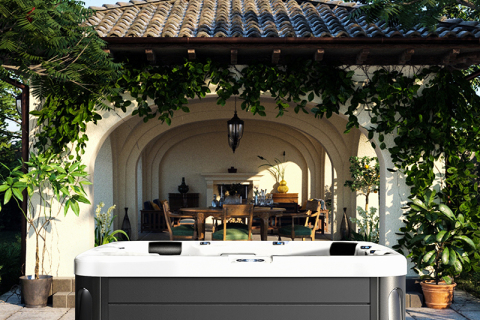
In terms of external dimensions, most standard 5-person hot tubs are approximately 200-230 cm long and wide, with a height typically between 85-100 cm. The effective internal depth is generally around 70 to 85 centimeters, ensuring adequate shoulder soaking while allowing adults easy access to the tub.

No, the filtration system and the jet system in Balboa outdoor hot tubs are not the same. Although both rely on pumps to drive water flow and are integral to the hot tub's water circulation, they are designed with completely different objectives.
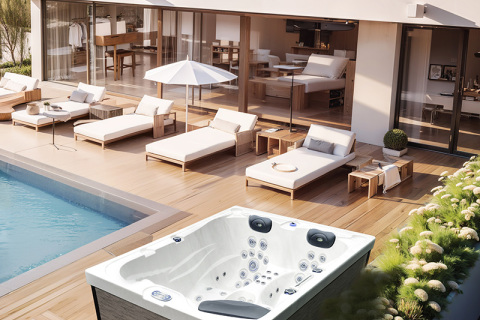
Recent research into hydrotherapy has grown significantly; many medical institutions and rehabilitation centers now use water therapy as an adjunct treatment to relieve muscle fatigue, improve joint mobility, boost blood circulation, and reduce mental stress.