


- Home
- >
News
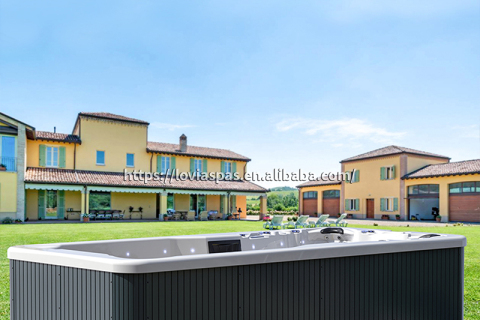
The risks of short-term skin contact are not the same as those of prolonged full-body immersion. In a swim spa tub, the longer the continuous immersion, the more opportunities bacteria have to come into contact with the human body. However, whether it causes discomfort depends on a combination of factors.
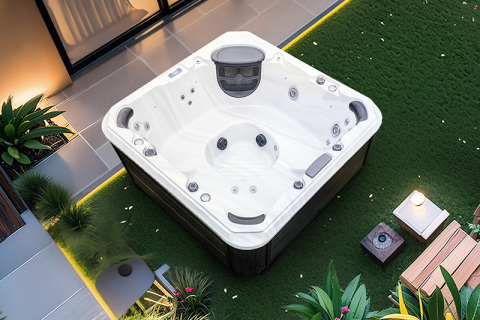
When the spa jacuzzi tub is stationary or in a low-speed circulation state: • Impurities may deposit in low-flow-velocity areas • Lower pressure within the pipes However, when a high-power water pump is started: • A sudden increase in water flow velocity • Changes in pressure within the pipes • Deposits are suddenly agitated
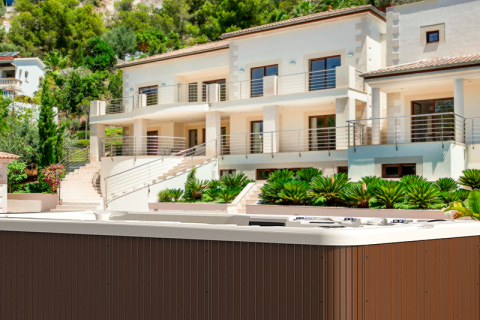
From a health perspective, repeatedly swallowing water from a swim spa tub over a long period does not conform to healthy water usage principles. Potential effects may include: • Long-term low-grade irritation to the digestive tract • Increased metabolic burden on the body • Continuous exposure to residues in the water
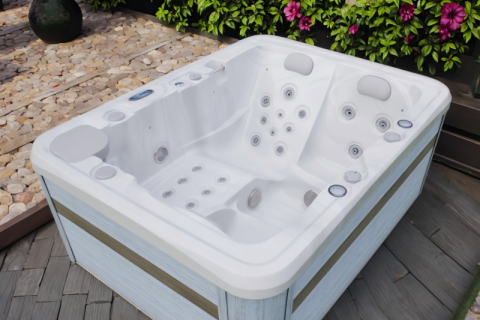
Yes, but not necessarily. It can be avoided with proper environmental management. The spa hot tub itself is not a structure prone to mold; the real place where mold grows is the internal environment of the garage.
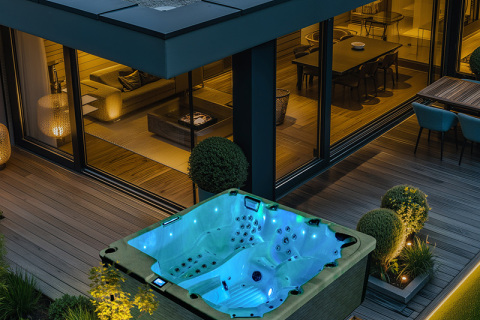
When filling a spa hot tub with water in winter, please note the following: • Use tap water that is as cold as possible but not frozen. • Keep the filling process continuous and avoid interruptions. • The water level must reach the specified height before turning on the power. • Avoid starting any system before the water filling is complete.
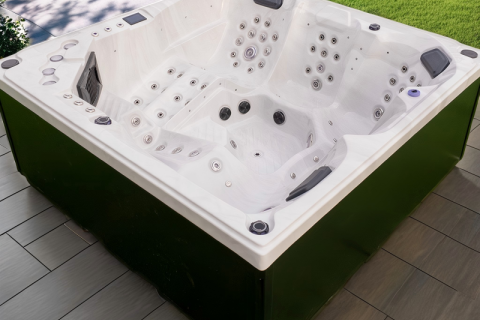
When cleaning a spa jacuzzi tub, you should follow these principles: • Do not damage the equipment materials • Do not affect the nozzle structure • Do not interfere with the water circulation system • Do not leave behind residues that are difficult to rinse off
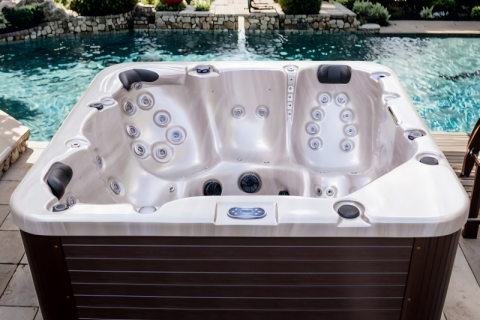
General standard: Add 60–120 ml (approximately 1/4–1/2 cup) of bleach per 150–200 liters of water. 1. Standard household spa jacuzzi tub capacity: 250–450 liters Recommended dosage: 1/2 to 1 cup of bleach (120–240 ml) 2. Larger capacity: 600–1000 liters Recommended dosage: 1–2 cups of bleach (240–480 ml)
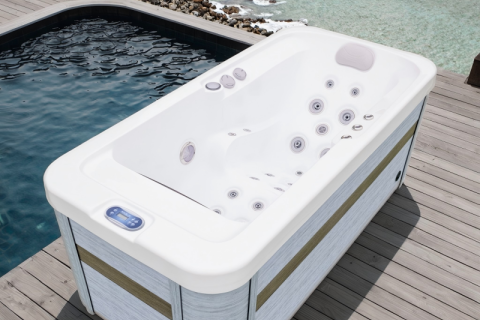
A swim spa tub is not suitable for regular walking or water walking training. However, it needs to be further clarified that: • ✔ Short-distance movement and standing are acceptable. • ✔ Light stepping or posture adjustments are allowed. • ✘ Long-distance walking or walking back and forth is not suitable.
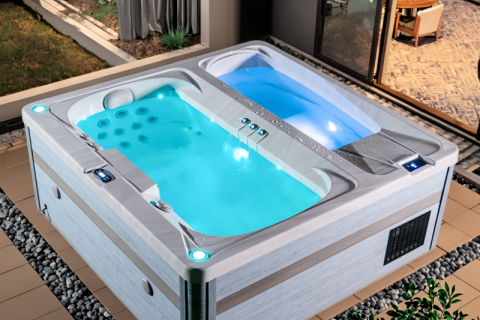
Not necessarily, and in most cases, it is not recommended to use sand as the main support layer for a spa jacuzzi tub. When the sand loses its flatness, it will lead to uneven support at the bottom of the tub, and may even affect the stability of the massage nozzles, pipes, and base structure.
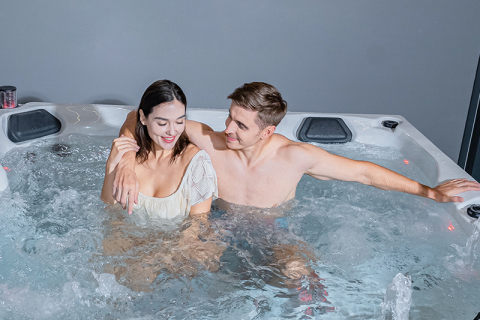
Spa jacuzzi tubs are usually designed with a higher water temperature environment to promote relaxation and comfort, but for pregnant women, excessively high water temperatures may cause discomfort.
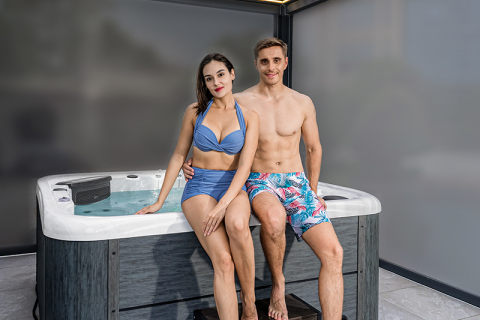
No, as long as it is used in moderation, at a low concentration, and with correct procedures, vinegar will not damage your acrylic spa hot tub. White vinegar has a relatively weak acidity (pH value of approximately 2.5–3.0), which is not strong enough to corrode or soften acrylic material.
Before adding chlorine to a swim spa tub, one principle must be understood: Avoid directly and uncontrolled addition of chlorine to the water. The reasons are: • Excessive local chlorine concentration • Potential skin and eye irritation • Damage to the lining and equipment. Proper chlorination requires following scientific procedures.