


- Home
- >
News
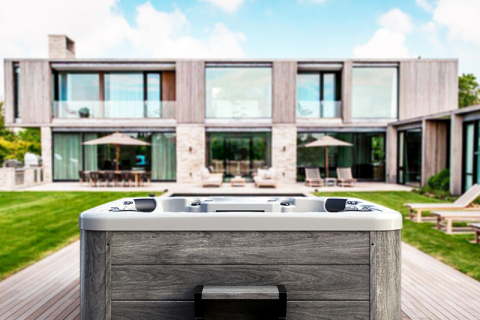
Acrylic's low-temperature resistance generally reaches: Maintains basic structural stability between -20°C and -40°C If the temperature is only the common winter temperatures of -5°C, 0°C, or 5°C, this does not pose a threat to the acrylic spa hot tub.
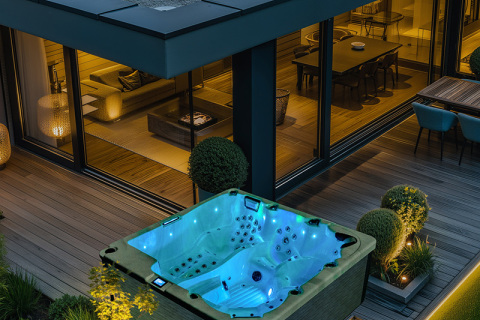
Acrylic spa hot tubs are non-flammable and will not ignite during normal use, nor will they burn due to hot water or the heater. Its heat resistance is more than sufficient for: • Hot water immersion • Massage nozzle operation • Heater circulation system • Everyday bathroom environment
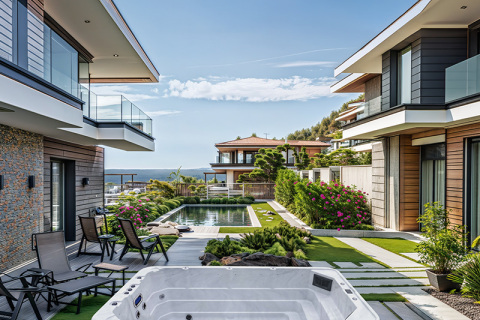
From a materials science perspective, the answer is: The operating temperature alone (hot water, spa environment) does not directly cause acrylic spa hot tubs to age. A water temperature of 42℃ provides a significant safety margin compared to acrylic's tolerance of 80℃–90℃.
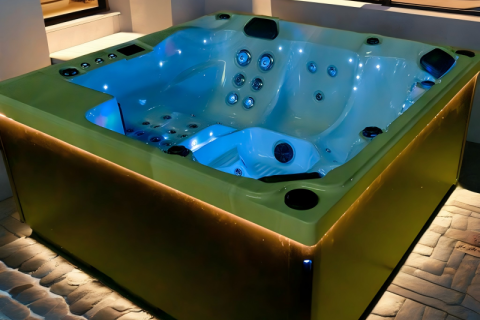
Epsom salt will not damage acrylic hot tubs when used correctly, but improper use can cause damage. Parts that will not be directly damaged: • Acrylic surface • Bathtub shell • Ordinary plastic parts
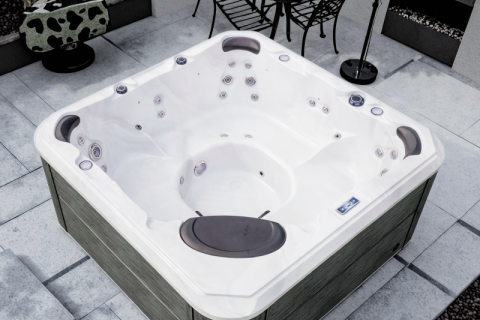
It is not recommended to use bleach to clean acrylic hot tubs. Although bleach has antibacterial properties, it is a strong oxidizing chemical that can easily damage the glossy coating and resin structure of the acrylic hot tub surface. Long-term use can lead to a rough surface, discoloration, fine lines, and accelerated aging.
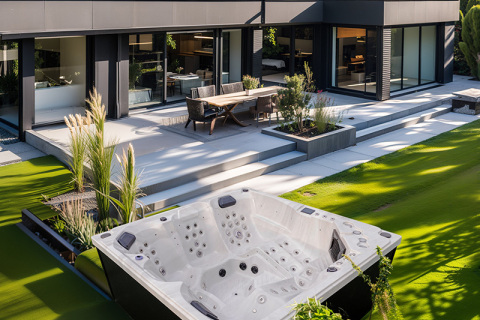
Yes, acrylic hot tubs generally have a longer lifespan than fiberglass bathtubs. Acrylic has significant advantages in maintaining gloss and structural stability, resulting in better long-term performance. Fiberglass, due to its natural material limitations, is prone to aging and roughening, thus shortening its lifespan.

An acrylic hot bathtub is an outdoor spa bathtub made primarily of acrylic sheets, constructed through heating, vacuum forming, and the addition of a fiberglass reinforcement layer. Acrylic boasts a smooth surface, high transparency, and excellent toughness, and is favored for its weather resistance and corrosion resistance.
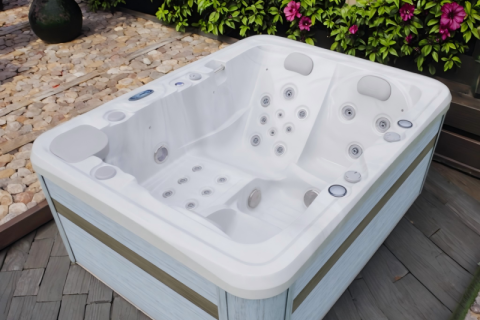
The outdoor environment does increase the challenges to color stability of acrylic hot tubs. However, "more yellowing" is not an inevitable result. Whether significant yellowing occurs depends on a combination of factors: • Acrylic material grade • Surface treatment quality • Whether it has a UV-stabilized design • Usage and cleaning habits • Degree of environmental exposure
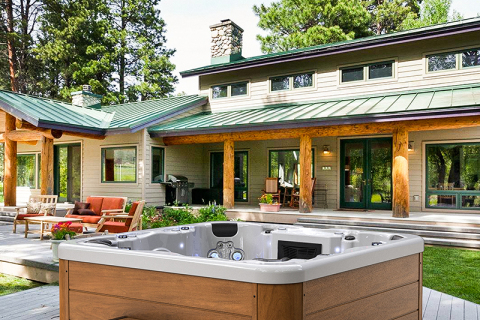
Under normal circumstances: • Single person use: Acrylic hot tubs can easily support a body weight of 100–150 kg. • Multiple people use (2–4 people): The system can support a body weight of 300–500 kg or even more. Even with the weight of water, the overall system remains within safe limits.
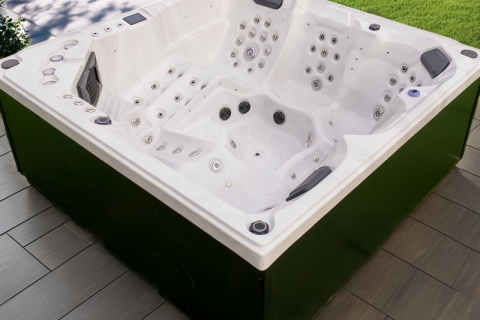
In modern usage environments, acrylic hot tubs are significantly superior to cast iron bathtubs overall. Reasons include: • Lighter and easier to install • More comfortable feel • Better suited for hot water use • Enhanced safety • Lower maintenance costs • Greater design flexibility.
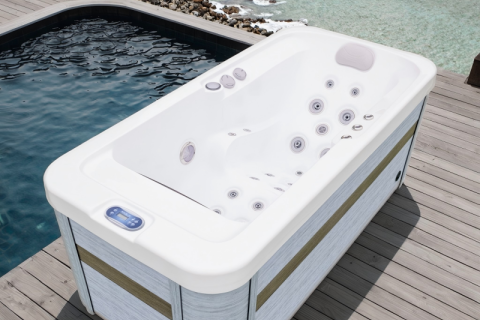
From a material performance perspective: • Acrylic's heat distortion temperature is much higher than the normal operating temperature of a hot tub. • Daily hot water use will not reach the material's softening range. • Temperature changes will not weaken its structural load-bearing capacity.
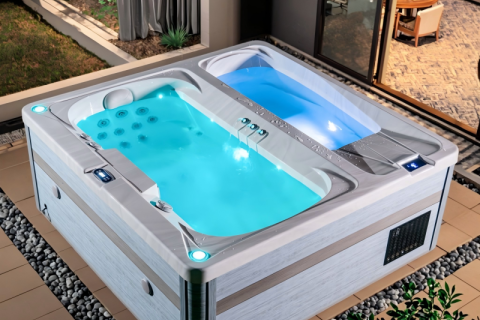
Color itself does not determine the durability of an acrylic hot tub. The reasons are: • White acrylic has the same base material as other colored acrylics. • Durability is determined by the molecular structure and manufacturing process of acrylic.