


Acrylic Outdoor Hot Tubs vs. Inflatable Outdoor Hot Tubs: A Comparison
2026-10-24 15:30Acrylic vs. Inflatable Outdoor Hot Tubs: A Comprehensive Comparison of Materials, Performance, Cost, and User Experience
In recent years, driven by the growth of the "backyard economy," outdoor leisure spending, and a rising focus on home wellness, outdoor spa hot tubs have moved beyond high-end villas and luxury resorts into the homes of everyday families. An increasing number of consumers wish to create a comfortable, private spa area in their own gardens, terraces, or outdoor spaces, and outdoor hot tubs are becoming a key feature for enhancing quality of life.
However, when shopping for one, consumers often face a dilemma: what exactly distinguishes acrylic outdoor hot tubs from inflatable ones? Why is there such a significant price gap? Is the more expensive acrylic model necessarily the better choice?
In reality, while both types offer the experience of a hot soak and relaxation, they differ markedly in product positioning, structural design, lifespan, heat retention, massage performance, and long-term costs. One type leans toward permanent installation and a premium spa experience, while the other is better suited for short-term use, budget-conscious buyers, or those requiring portability.
This article provides a comprehensive comparison of acrylic and inflatable outdoor hot tubs—covering industry trends, product structure, and core performance—to help consumers make informed decisions in the outdoor spa hot tub market.
Outdoor Hot Tub Industry Trends: From Leisure Equipment to Home Wellness Spaces
Historically, outdoor hot tubs were primarily found in luxury residences, five-star hotels, resorts, and private clubs. Due to high costs and complex installation requirements, average households had limited access to them.
In recent years, however, growing interest in healthy lifestyles has fueled rising demand for outdoor spa hot tubs. Particularly in European and North American markets, backyard spas, home massage tubs, and outdoor leisure areas have become integral elements of residential design. Consumer motivations have also shifted; the purpose of purchasing an outdoor hot tub has evolved from simple bathing to meeting diverse needs such as stress relief, physical relaxation, and enhanced family social experiences.
Outdoor hot tubs currently on the market generally fall into three categories:
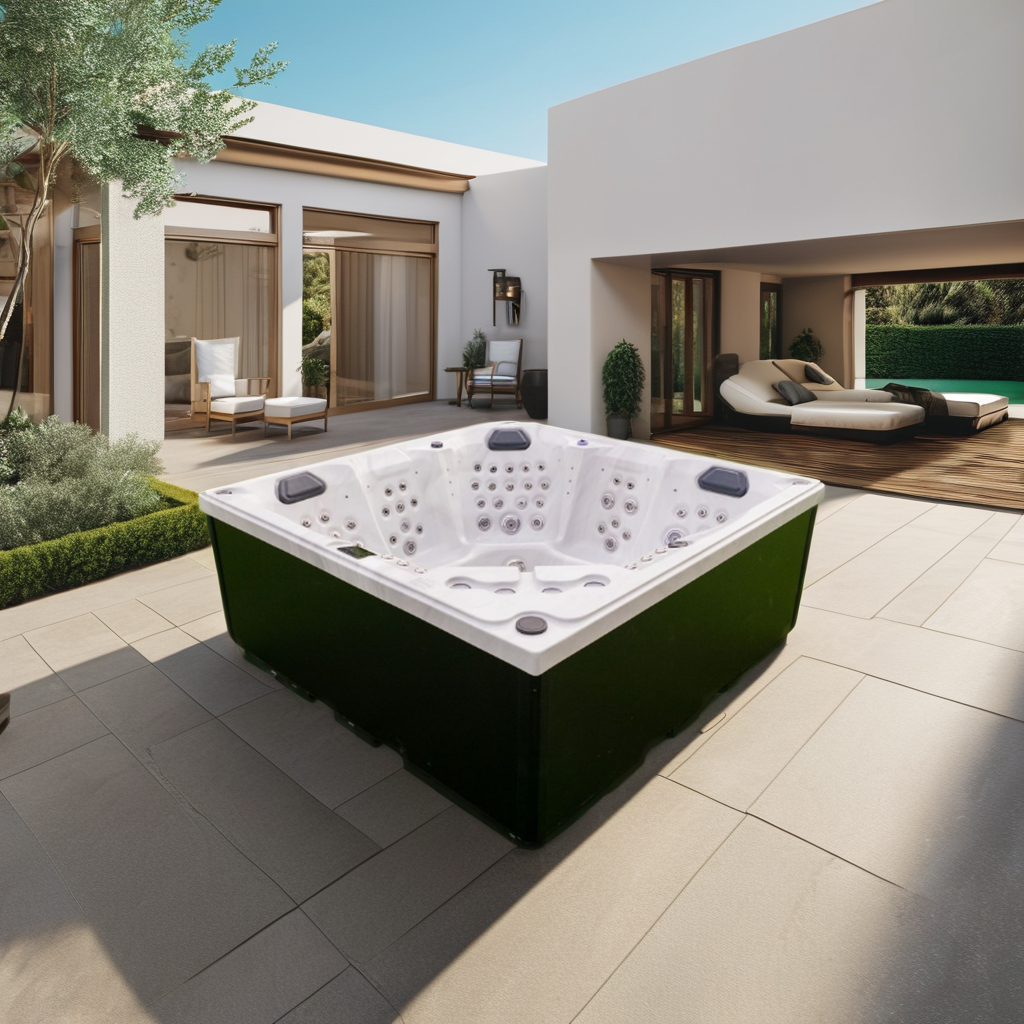
The first category consists of fixed SPA tubs, exemplified by acrylic models. These feature a rigid structure and typically come equipped with heating, water circulation, and filtration systems, as well as massage jets and smart controls; they are considered mid-to-high-end outdoor SPA equipment.
The second category comprises inflatable outdoor hot tubs. Made from flexible materials like PVC or TPU, these tubs form their main structure through inflation. Their advantages include lower costs, simple installation, and easy portability.
The third category includes rotomolded outdoor spa hot tubs. Positioned between acrylic and inflatable models, they offer greater structural strength than inflatables, though their aesthetics, comfort, and feature sets generally fall short of high-end acrylic tubs.
Market trends indicate a shift in consumer preference from simply "buying a device for soaking" to "creating a space for a long-term, healthy outdoor lifestyle." This explains the growing popularity of acrylic outdoor hot tubs in high-end residences and for long-term use.
Structural Differences Between Acrylic and Inflatable Outdoor Hot Tubs
To understand the differences between these two types of outdoor hot tubs, one must first examine their structural composition.
Acrylic outdoor hot tubs typically feature a multi-layer composite structure. The surface consists of a vacuum-formed acrylic sheet, usually backed by a fiberglass reinforcement layer, while the exterior integrates insulation materials, a support frame, and protective skirting. This design ensures stability even when the tub is subjected to prolonged water pressure, the weight of users, and fluctuating outdoor environmental conditions.
A standard-sized acrylic hot tub typically holds between 800 and 1,500 liters of water; when filled, the total weight can exceed one ton, necessitating a design that prioritizes long-term load-bearing capacity, safety, and structural stability.
In contrast, inflatable hot tubs rely primarily on internal air pressure to maintain their shape. They are usually constructed from multi-layer PVC composites that form a ring-like support structure when inflated. Their greatest advantage is ease of installation; users can set them up without complex construction work—simply by inflating the unit and filling it with water on a level surface.
However, these distinct structural designs result in very different user experiences. Acrylic outdoor hot tubs rely on rigid materials to withstand pressure, offering greater overall stability; in contrast, inflatable hot tubs rely on air support—while soft and comfortable, they have limitations regarding stability and load-bearing capacity.
Simply put, an acrylic outdoor hot tub is akin to a permanent outdoor spa installation, whereas an inflatable hot tub is more like a portable leisure product that can be set up at a moment's notice.
Durability Comparison: Why Are Acrylic Hot Tubs Better Suited for Long-Term Use?
Outdoor environments are far more demanding than indoor ones, as equipment must withstand prolonged exposure to sunlight, rain, temperature fluctuations, and seasonal changes. Consequently, durability is a primary concern for consumers.
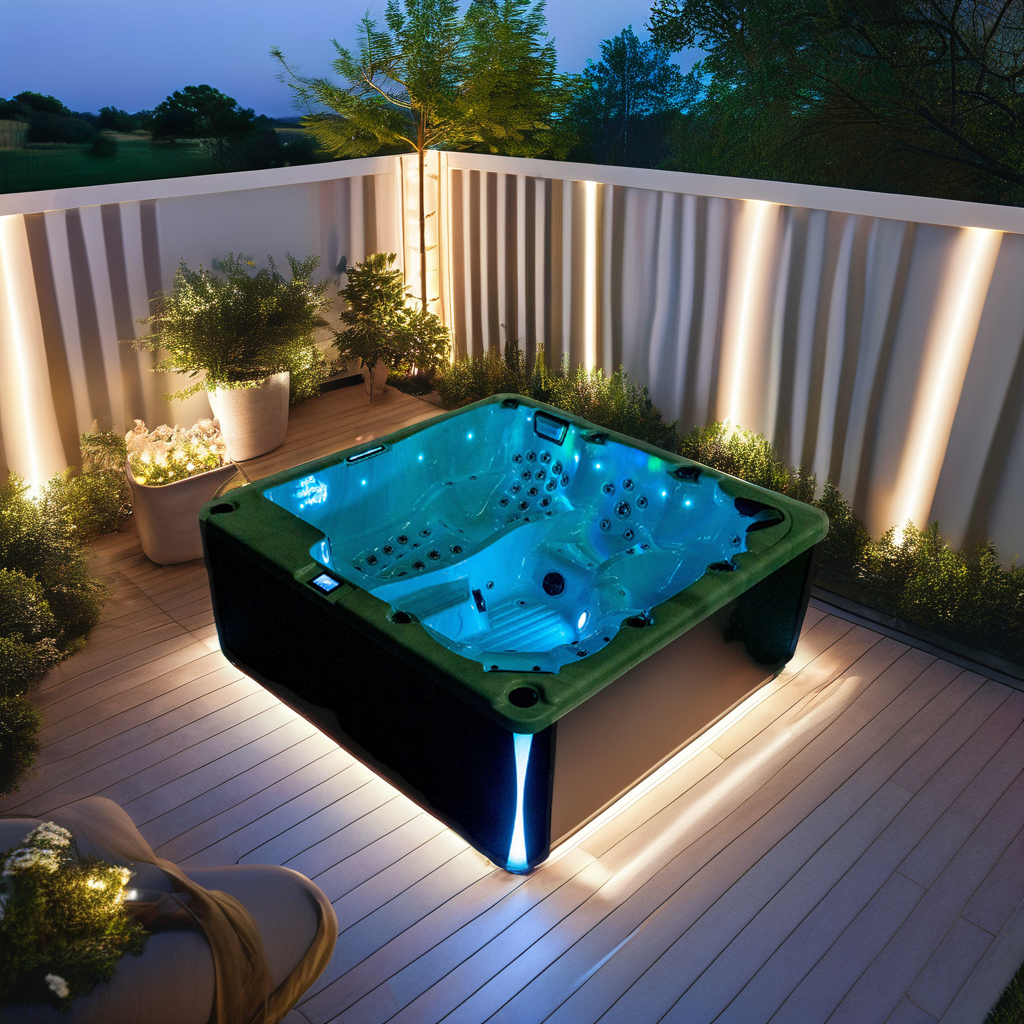
Acrylic outdoor hot tubs generally boast a long service life. With proper maintenance, it is not uncommon for the main structure of a high-quality unit to last over a decade, with some premium models lasting 15 years or more. Thanks to the material's excellent UV and chemical resistance, acrylic tubs maintain their appearance and performance well over time in outdoor settings.
Of course, acrylic hot tubs are not entirely maintenance-free. Long-term use requires regular cleaning of the filtration system, water quality management, pump inspections, and heating equipment maintenance. Typically, the lifespan of the tub shell far exceeds that of its internal electronic components; parts such as pumps, control panels, and heaters may require servicing or replacement within a 5-to-10-year timeframe.
The lifespan of an inflatable hot tub depends heavily on the usage environment and material quality. Because the main body is made of softer material that must constantly withstand water pressure, fluctuating air pressure, and UV exposure, issues such as material degradation, air leaks, and seam wear are common.
This is particularly true in cold regions; leaving an inflatable hot tub outdoors for extended periods can accelerate material aging due to low temperatures, while frequent heating cycles during winter place additional strain on the equipment.
Therefore, if a user plans to use the tub multiple times a week—or even keep it running year-round—an acrylic model is usually the better long-term investment. If, however, the tub is intended only for occasional summer use, an inflatable model offers greater flexibility.
Heat Retention Comparison: A Key Factor in Outdoor Hot Tub Operating Costs
Many consumers focus solely on the purchase price when buying an outdoor spa hot tub, overlooking long-term operating costs. Heating and heat retention capabilities are crucial factors influencing usage expenses.
Outdoor spa hot tubs generally need to maintain water temperatures between 37°C and 40°C—a comfortable range for hydrotherapy. During winter, when ambient temperatures are low, the tub requires continuous heat input to maintain a stable temperature.
Acrylic outdoor hot tubs typically feature multi-layer insulation designs, including:
•High-density polyurethane insulation layers;
•Fully enclosed foam insulation structures;
•Specialized thermal covers;
•Smart constant-temperature systems.
These designs effectively minimize heat loss and improve energy efficiency.
For instance, with a well-insulated outdoor hot tub (approx. 1,000-liter capacity), the heating system cycles on less frequently during winter, thereby reducing long-term electricity consumption.
While some inflatable outdoor hot tubs also utilize multi-layer insulation, their thinner overall structure means their heat retention performance usually falls short of high-quality acrylic models. Water temperatures tend to drop more rapidly, especially at night or in cold environments.
Many users find that while inflatable hot tubs offer a great initial experience, the operating costs associated with maintaining water temperature over the long term are higher than anticipated.
Therefore, when selecting an outdoor spa hot tub, one should not compare prices alone but also factor in long-term energy consumption.
Massage Function Comparison: A True Spa Experience Driven by System Design
A key benefit of an outdoor hot tub is its ability to help users relax through water-jet massage.
Acrylic outdoor hot tubs typically feature comprehensive massage systems; depending on the model, they may be equipped with 20, 30, or even more massage jets. These jets are usually positioned to target the back, waist, shoulders, and legs, providing hydro-stimulation to specific areas of the body.
Additionally, high-end acrylic hot tubs often feature independent pump systems, allowing users to adjust water pressure for varying massage intensities. Most inflatable outdoor hot tubs utilize an air-bubble massage system, creating gentle stimulation through a multitude of bubbles. This experience leans more towards relaxation and leisure rather than deep-tissue massage.
It is important to note that consumers should not simply assume "more jets mean a better experience." The factors that truly determine the quality of the massage include:
•Ergonomic jet placement;
•Appropriate pump power;
•Effective water flow direction;
•Comfortable seating design.
A well-designed acrylic outdoor hot tub—even one with fewer jets—can offer a superior massage experience compared to a low-quality product.
Installation Convenience: Why Do Inflatable Hot Tubs Remain Popular?
While acrylic outdoor hot tubs hold a clear advantage in performance, inflatable models remain popular with many consumers, primarily due to lower installation costs and greater flexibility in use.
The key advantages of inflatable outdoor hot tubs are:
First, a low barrier to entry. Standard inflatable hot tubs are usually far less expensive than fixed acrylic models, making them a more accessible option for those trying an outdoor spa for the first time.
Second, simple installation. Users simply need to select a level area, inflate the tub, fill it with water, and connect the power supply to get started.
Third, portability. Inflatable models are ideal for renters or those who may move in the future.
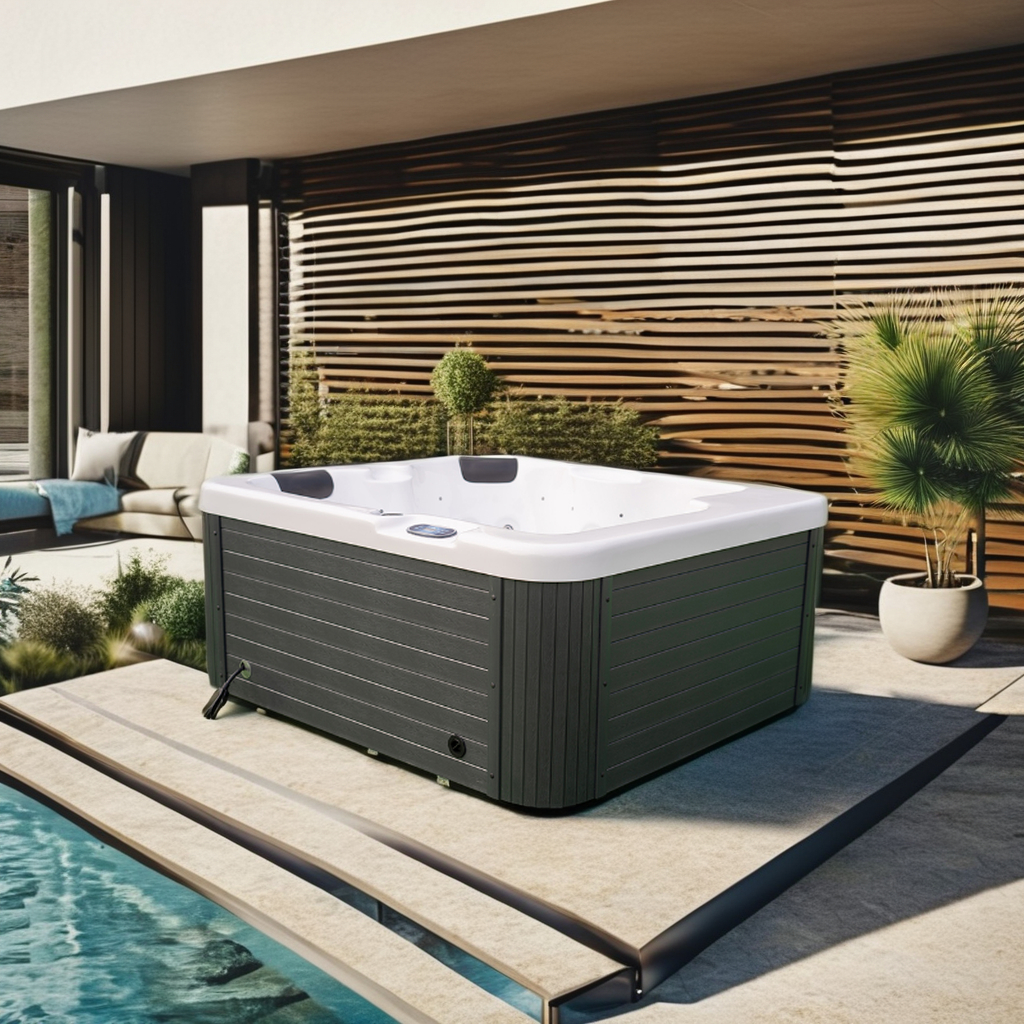
In contrast, acrylic outdoor hot tubs require a more specialized installation environment, including:
•A level, solid foundation;
•Adequate load-bearing capacity;
•Proper electrical configuration;
•Suitable drainage facilities.
Because an outdoor spa hot tub is very heavy when filled with water, the structural integrity of the installation site must be verified to ensure it can withstand the weight over the long term.
Therefore, these two types of products do not simply replace one another; rather, they cater to different consumer needs.
FAQ: Common Questions About Outdoor Hot Tubs
Q1: Is an acrylic outdoor hot tub necessarily better than an inflatable one?
Not necessarily. They serve different purposes and target different needs. Acrylic outdoor hot tubs are better suited for permanent, long-term installation, whereas inflatable outdoor hot tubs are ideal for users on a budget, those needing a temporary solution, or those requiring portability.
Q2: Can acrylic outdoor hot tubs be kept outside all year round?
Yes, provided you choose a model designed for outdoor use and ensure proper insulation, freeze protection, and water maintenance.
Q3: How much electricity does an outdoor spa hot tub consume daily?
Actual power consumption depends on capacity, ambient temperature, insulation quality, and usage habits. Generally, models with better insulation offer lower long-term operating costs.
Q4: Do acrylic outdoor hot tubs require professional installation?
Professional installation is recommended, especially for larger models, to ensure that load-bearing, electrical, and drainage requirements are properly met.
Q5: Are outdoor spa hot tubs suitable for small courtyards?
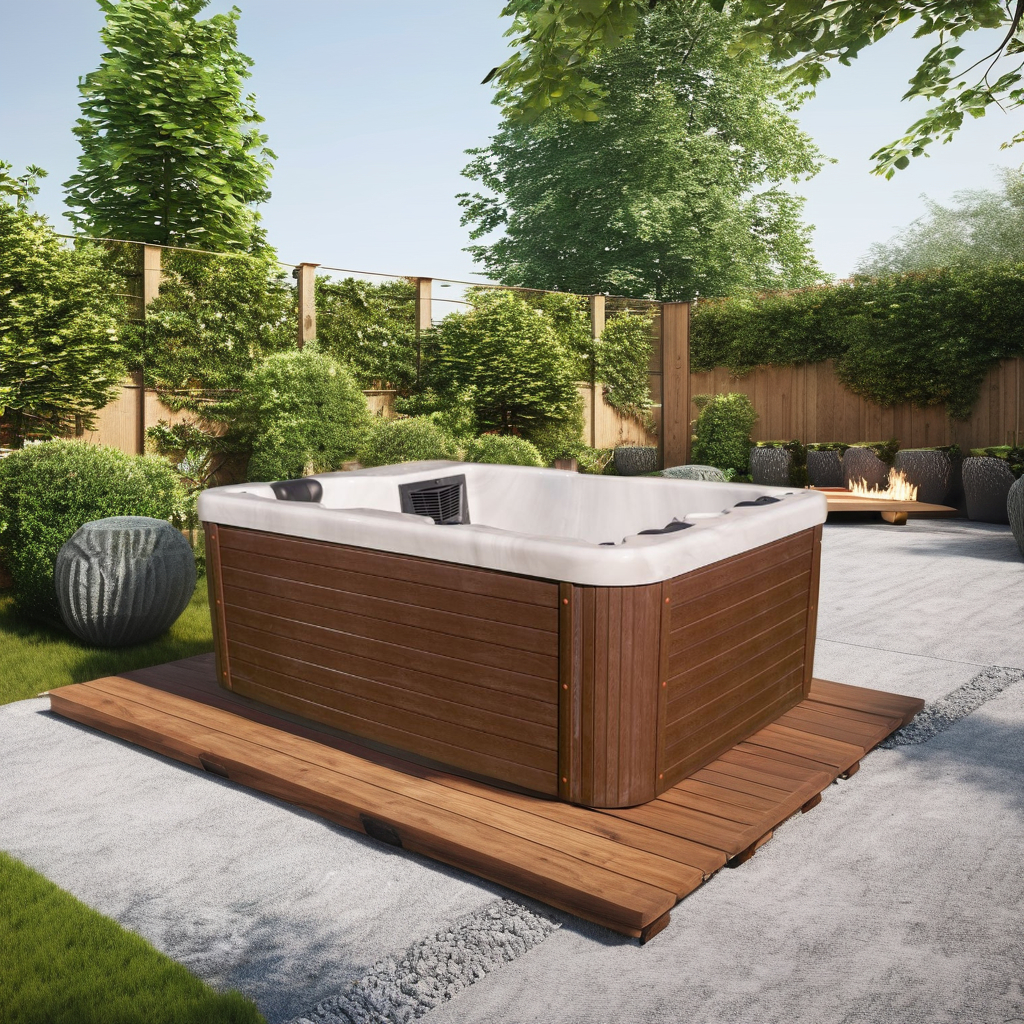
Yes. The key is selecting the right size and verifying the spatial layout, load-bearing capacity, and your specific usage needs beforehand.