


- Home
- >
News
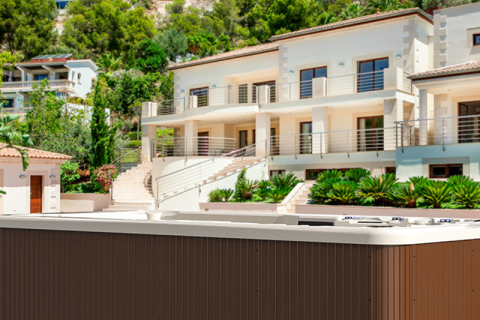
A comprehensive inspection before restarting the luxury swim spa tub is a necessary step to identify potential problems and avoid secondary damage. Simply "adding water and turning it on" is often one of the most common mistakes.
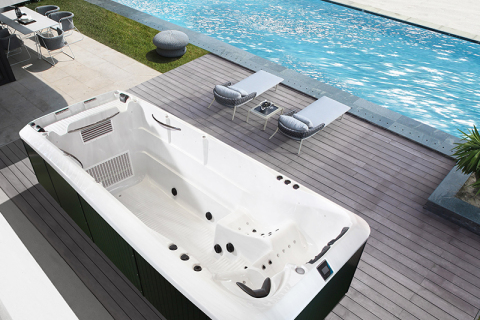
The water temperature in the swim spa hot tub is typically maintained between 37°C and 40°C. This temperature range intensifies the ion exchange between magnesium salts and metals, causing corrosion to accelerate exponentially.
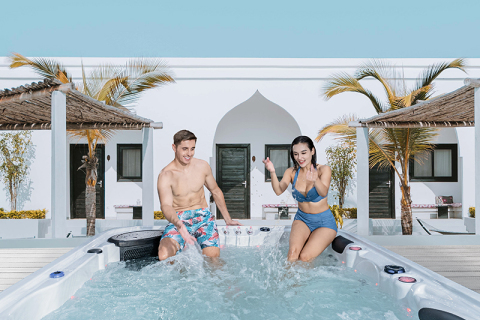
• Less than 10 minutes: This is a mild stimulation phase, aiding in skin circulation and initial relaxation. • 15-20 minutes: This enters the deep muscle relaxation and nerve soothing phase, the optimal range for therapy.
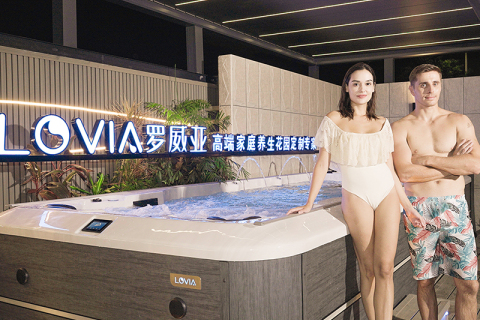
Bubbles are a common phenomenon during the normal operation of a swim spa hot tub. Simply put, bubbles are generated from the mixing of air and water. When the nozzles, pumps, and air channels in the system inject air into the water flow, bubbles form in the water.
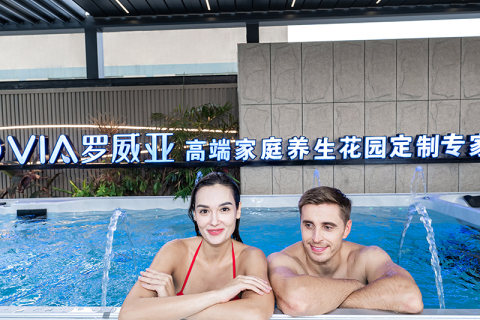
Bubbles and foam in a swim spa hot tub: Bubbles represent healthy circulation and a comfortable massage, a sign that the system is functioning properly; foam, on the other hand, is a signal of abnormal water quality, indicating organic contamination or chemical imbalance.
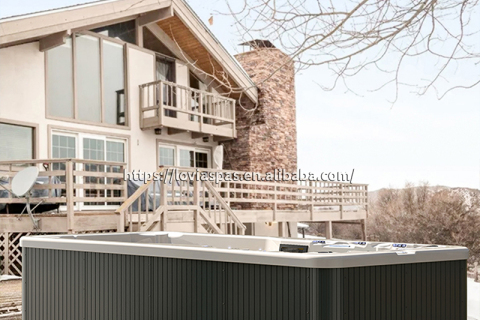
Immediately stop adding chlorine to prevent the concentration from rising further; open the swim spa hot tub lid for ventilation to allow the chlorine to evaporate naturally; check and adjust the pH level, maintaining it between 7.2 and 7.6.
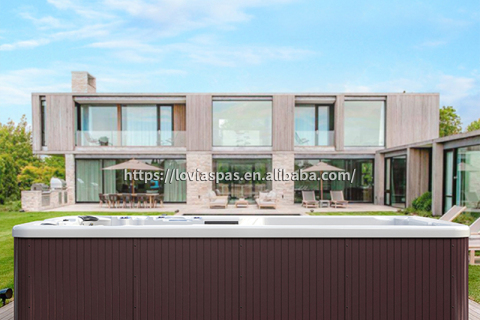
Compared to a traditional home swimming pool, a luxury swim spa tub is typically much smaller, resulting in lower long-term water consumption. This is especially true regarding water replacement, as swimming pools are more likely to add large amounts of water frequently to maintain the water level and drain after cleaning.
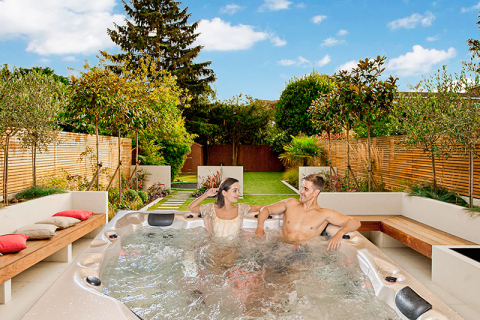
Not all spa tub filters are suitable for long-term reuse, even washable filter cartridges. If: 1. Water flow rate decreases 2. Water becomes cloudy or develops an odor 3. The filter cartridge appears worn This indicates the filter cartridge has reached the end of its lifespan and should be replaced.
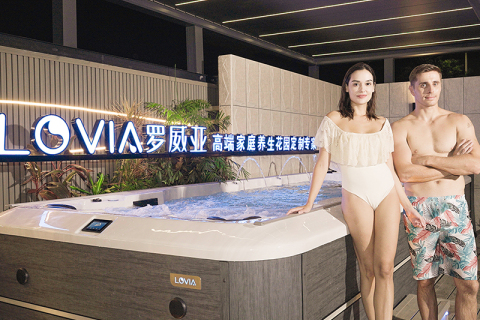
Yes, a luxury swim spa tub can be used year-round. With proper installation, insulation, antifreeze, and maintenance, a luxury swim spa tub can operate safely and stably in both hot summers and cold winters.

It is not recommended to use dish soap to clean the inside of your luxury swim spa tub. Its foaming properties and chemical residues can: • Disrupt the water balance; • Hinder the filtration system; • Shorten the lifespan of the equipment; • Increase the risk of skin allergies and hygiene problems.

The pH range of the bromine system is generally wider than that of chlorine (effective from 7.2 to 8.0), while the effectiveness of chlorine decreases significantly above pH 7.6. Therefore, after switching from bromine to chlorine, you need to test and adjust the pH and alkalinity more frequently to maintain ideal disinfection efficiency.
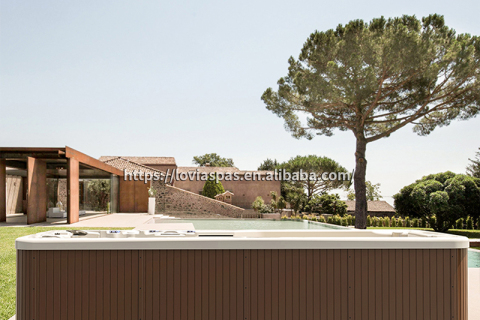
A swim spa hot tub should never be operated without a filter. The lack of a filter will cause pump blockage, heater contamination, and nozzle clogging, resulting in irreparable mechanical damage; furthermore, deteriorating water quality will accelerate bacterial growth, affecting human health.