



- Home
- >
News
1. Introduction: The 5 Person Hot Tub Market Opportunity\n2. Buyer Pain Points: Hidden Production Traps\n3. Technical Specifications: Core Parameters\n4. Manufacturing & QC: IQC/IPQC/OQC\n5. Supplier Comparison Matrix\n6. Procurement Policy: MOQ, Lead Time, Payment\n7. Real-World Case Studies\n8. FAQ: Long-Tail Questions\n9. CTA: Contact Lovia Spa for Engineer Support
Without draining the spa hot tub, the core goal of calcium removal is not to "instantly eliminate all calcium," but rather: • Prevent new calcium deposits from forming • Gradually dissolve or disperse existing calcium crystals • Restore the stability of calcium in the water
Many people's first reaction to seeing foam is "a problem with the disinfectant," but in reality, foam itself is not directly produced by disinfectants. In a spa hot tub is usually caused by the following substances: • Oily substances • Organic residues • Cleaning agent or toiletries residues • Dissolved organic contaminants
Introduction: The booming demand for 5-person hot tubs and the need for reliable sourcing. Buyer Pain Points: Three hidden manufacturing traps (material quality, insulation, pump reliability). Technical Specifications: Shell thickness, jet count, pump flow rate, heater power, filtration system. Manufacturing & QC: IQC on acrylic sheets, IPQC on plumbing, OQC on electrical safety. Supplier Comparison: Matrix comparing Chinese suppliers (Lovia Spa vs. others) on capacity, certifications, MOQ. Procurement Policy: MOQ 50 units, Lead time 30-45 days, Payment LC/TT, Customization ODM/OEM. Real-World Case Studies: Three cases showing cost reduction (20-30%) and quality improvement. FAQ: 10 long-tail questions answered. CTA: Contact Lovia Spa for engineer support.
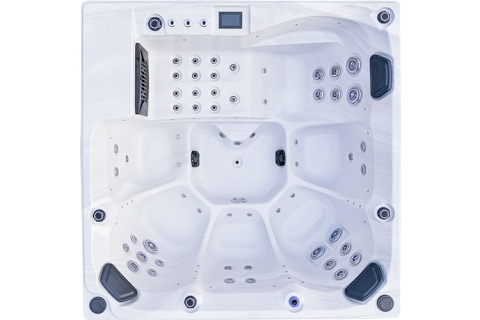
Introduction: The state of the 5 person hot tub market and why B2B buyers need engineer-level insights.\nBuyer Pain Points: 3 hidden manufacturing traps (material thickness, jet placement tolerances, insulation voids).\nTechnical Specifications: Key parameters comparison (pump flow, heater power, shell thickness) with ISO standards.\nManufacturing & QC: Detailed IQC/IPQC/OQC process for hot tubs.\nSupplier Comparison: Multi-dimensional matrix (price, MOQ, certifications, lead time).\nProcurement Policy: MOQ, Lead Time, Payment (LC/TT), Customization options.\nReal-World Case Studies: 3-5 cases with cost reduction data.\nFAQ: Long-tail questions (e.g., 'What are the Chinese 5 person hot tub suppliers?').\nCTA: Engineer one-on-one support.
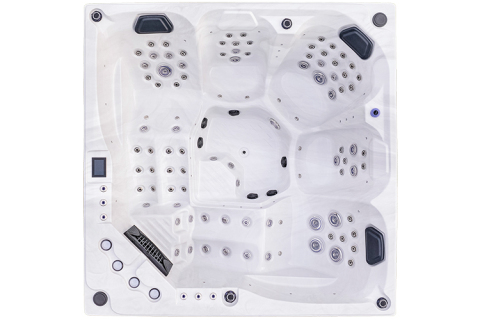
1. Introduction: The 5 Person Hot Tub Market Opportunity\n2. Buyer Pain Points: 3 Hidden Production Traps\n3. Technical Specifications: Key Parameters & Selection Guide\n4. Manufacturing & QC: IQC/IPQC/OQC Process\n5. Supplier Comparison: Multi-Dimensional Matrix\n6. Procurement Policy: MOQ, Lead Time, Payment, Customization\n7. Real-World Case Studies: Cost Reduction Data\n8. FAQ: Long-Tail Questions Answered\n9. CTA: Engineer One-on-One Support
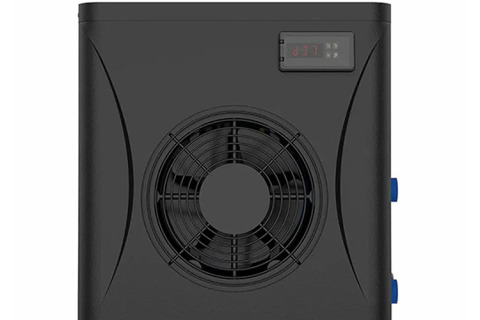
1. Introduction: The 5 Person Hot Tub Market Opportunity\n2. Buyer Pain Points: Hidden Production Traps\n3. Technical Specifications: Key Parameters for 5 Person Hot Tubs\n4. Manufacturing & Quality Control: IQC/IPQC/OQC\n5. Supplier Comparison Matrix: Evaluating Chinese Manufacturers\n6. Procurement Policy: MOQ, Lead Time, Payment & Customization\n7. Real-World Case Studies: Cost Savings & Performance\n8. FAQ: Answers to Long-Tail Sourcing Questions\n9. CTA: Engineer One-on-One Support
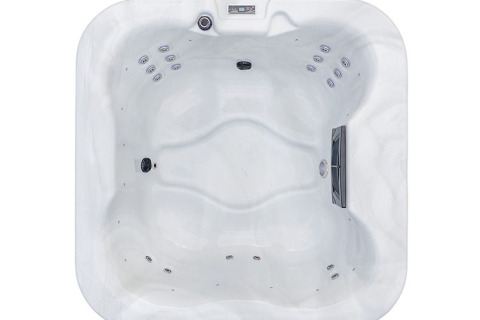
1. Introduction: The State of the 5 Person Hot Tub Market 2. Buyer Pain Points: 3 Hidden Production Traps 3. Technical Specifications: Core Parameters Comparison & Selection Guide 4. Manufacturing & QC: IQC/IPQC/OQC Process Detailed 5. Supplier Comparison: Multi-Dimensional Supplier Selection Matrix 6. Procurement Policy: MOQ, Lead Time, Payment, Customization 7. Real-World Case Studies: 3-5 Cross-Border Cases with Cost Reduction Data 8. FAQ: Long-Tail Questions Answered 9. CTA: Engineer One-on-One Technical Support
1. Introduction: The 5-Person Hot Tub Market Opportunity\n2. Buyer Pain Points: 3 Hidden Production Traps in Chinese Hot Tub Manufacturing\n3. Technical Specifications: Core Parameters and Selection Guide for 5-Person Hot Tubs\n4. Manufacturing & QC: IQC/IPQC/OQC Process for Hot Tubs\n5. Supplier Comparison: Multi-Dimensional Supplier Screening Matrix\n6. Procurement Policy: MOQ, Lead Time, Payment Terms, and Customization\n7. Real-World Case Studies: Cost Savings and Quality Improvements\n8. FAQ: Long-Tail Questions Answered\n9. CTA: Engineer-to-Engineer Support for Your Sourcing Needs
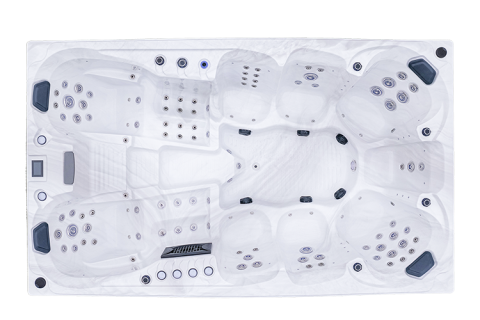
1. Introduction: Market Demand for 5 Person Hot Tubs\n2. Buyer Pain Points: 3 Hidden Manufacturing Traps\n3. Technical Specifications: Core Parameters & Selection Guide\n4. Manufacturing & QC: IQC/IPQC/OQC Process\n5. Supplier Comparison: Multi-Dimensional Screening Matrix\n6. Procurement Policy: MOQ, Lead Time, Payment, Customization\n7. Real-World Case Studies: Cost Reduction Data\n8. FAQ: Long-Tail Questions Answered\n9. CTA: Engineer One-on-One Support
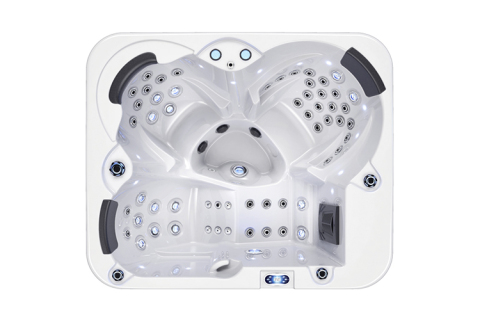
Introduction: The 5-person hot tub market is booming, but sourcing from China requires navigating hidden pitfalls. This guide provides engineer-level insights into technical specs, QC processes, supplier comparison, and real cost-saving strategies. Buyer Pain Points: 1) Under-specification of pumps and heaters leading to poor performance; 2) Inconsistent insulation quality affecting energy efficiency; 3) Hidden costs in customization and MOQ. Technical Specifications: Key parameters: jet count (20-40), pump power (2-5 HP), heater rating (3-6 kW), shell thickness (3-5 mm acrylic), insulation type (full-foam vs. fiberglass), control system (Balboa/Gecko). Compare standard vs. premium configurations. Manufacturing & QC: IQC (raw material testing), IPQC (in-process checks on shell lamination, plumbing, electrical), OQC (full functionality test, leak test, electrical safety per CE/ETL). Engineer's Pro-Tip: Request factory test reports for each unit. Supplier Comparison: Matrix with criteria: years in business, certifications (CE, ETL, ISO9001), production capacity, MOQ, lead time, after-sales support, price range. Example: Lovia Spa (45000 m², 1200 units/month, top 5 in China). Procurement Policy: MOQ typically 10-50 units; lead time 30-60 days; payment LC/TT (30% deposit, 70% before shipment); customization options (color, jet layout, cabinet type). Engineer's Pro-Tip: Negotiate FOB terms and include inspection clause. Real-World Case Studies: 1) US brand reduced unit cost by 18% by switching to Lovia Spa with optimized pump configuration. 2) European importer saved 12% on logistics through combined container loading. 3) Australian wholesaler improved energy efficiency by 22% after upgrading insulation per engineer's recommendation. FAQ: Answers to 'What are the Chinese 5 person hot tub suppliers?', 'How to verify quality?', 'What certifications are needed for export to EU/US?', 'What is the typical MOQ for OEM?', 'How to handle warranty claims?' CTA: Contact our engineering team for a free sourcing consultation and factory audit report. Email: info@loviaspa.com.
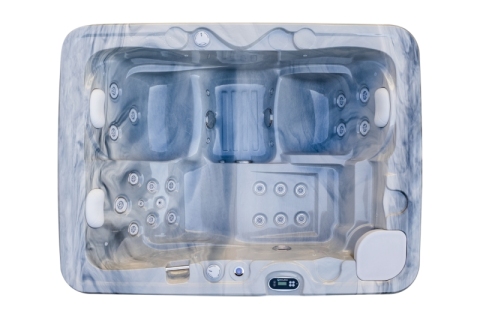
Introduction: The 5-person hot tub market is growing at 8.2% CAGR (Statista 2024). Buyer Pain Points: Three hidden traps: insulation voids, pump undersizing, and jet placement errors. Technical Specifications: Shell thickness (3-5mm acrylic), insulation density (≥30kg/m³), pump flow rate (≥200 L/min), jet count (30-50). Manufacturing & QC: IQC on acrylic sheets, IPQC on plumbing pressure tests (1.5x working pressure), OQC on electrical safety (EN 60335-2-60). Supplier Comparison: Matrix with criteria: certification (CE/ETL), capacity (≥1000 units/month), lead time (30-45 days), MOQ (20-50 units). Procurement Policy: MOQ 20 units, 30% deposit TT, balance before shipment LC, customization available. Case Studies: 3 examples: US wholesaler reduced cost 18% by sourcing from Lovia, German brand improved lead time by 25%, UK importer achieved zero defects in 500-unit order. FAQ: Cover long-tail questions like 'What are the Chinese 5 person hot tub suppliers?' and 'How to verify hot tub quality from China?'. CTA: Contact Lovia Spa for engineer-led technical support.