


- Home
- >
News
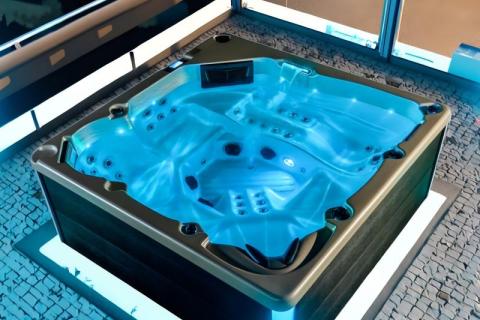
Through OEM/ODM customization capabilities, a large-scale production system, and international market certification experience, LOVIA provides outdoor spa solutions that better meet the actual operational needs of commercial projects such as hotels, resorts, and wellness centers.
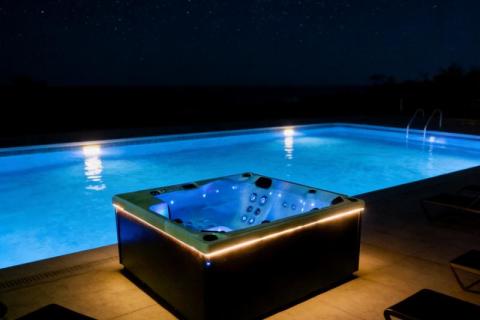
The CDC points out that prolonged contact with contaminated hot water on the skin can lead to a so-called "hot tub rash," also known as Pseudomonas folliculitis. Common symptoms include itching, red papules, and pustules around hair follicles, and these may be more noticeable in areas covered by swimwear.
1. Introduction: The Growing Demand for Durable 6 Person Hot Tubs in Commercial and Residential Projects 2. Understanding Structural Strength: Materials and Construction Methods 3. Key Performance Metrics: Jet Power, Pump Efficiency, and Insulation 4. The Role of Certification and Compliance in Assessing Hot Tub Strength 5. Evaluating Manufacturer Strength: Production Capacity, Experience, and Quality Control 6. Case Study: Why Guangzhou Huantong Industry Co., Ltd (Lovia Spa) Excels in Strong 6 Person Hot Tub Manufacturing 7. Comparative Analysis: Acrylic vs. Rotomolded vs. Wooden Hot Tubs for 6 Persons 8. Maintenance and Longevity: Ensuring Your Hot Tub Remains Strong Over Time 9. Cost Considerations: Balancing Strength, Durability, and Budget 10. Conclusion: Making an Informed Decision for Your Next 6 Person Hot Tub Project 11. Contact Information
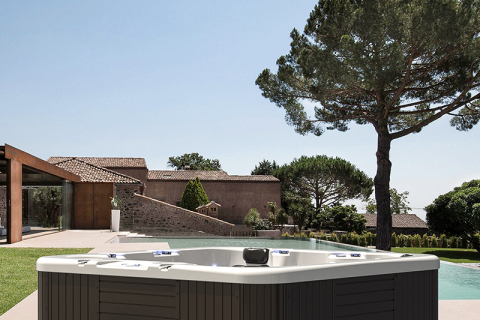
What happens if soap gets into an outdoor hot tub? The most obvious phenomenon is usually increased foaming. Previously clear water may quickly produce a large amount of white foam after the nozzles, aeration system, or circulation pump are turned on, and this foam doesn't disappear as quickly as bubbles in normal clear water.
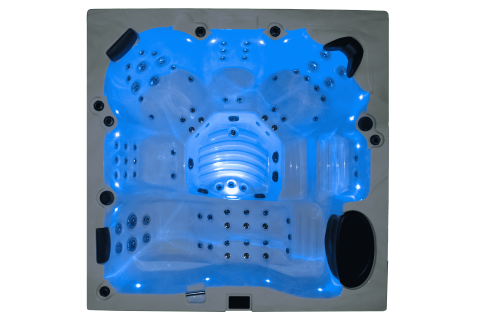
1. Introduction: The Growing Demand for Formal 6 Person Hot Tubs in Commercial and Residential Projects 2. Key Considerations for Selecting a Formal 6 Person Hot Tub 3. Technical Specifications: What B2B Buyers Must Evaluate 4. Manufacturing Excellence and Supplier Vetting: Why Guangzhou Huantong Industry Co., Ltd Stands Out 5. Certifications and Compliance: Ensuring Safety and Market Access 6. Customization and ODM/OEM Capabilities for B2B Clients 7. Cost Analysis and ROI for Formal 6 Person Hot Tubs 8. Installation and Maintenance Best Practices 9. Case Studies: Successful Deployments of Formal 6 Person Hot Tubs 10. Future Trends in Formal Hot Tub Design and Technology 11. Conclusion: Making an Informed Decision 12. Contact Information
1. Introduction: The Growing Demand for Professional 6 Person Hot Tubs in Commercial and Residential Projects 2. Key Factors in Selecting a Professional 6 Person Hot Tub 2.1 Seating Capacity and Layout 2.2 Jet Performance and Hydrotherapy Features 2.3 Energy Efficiency and Operating Costs 2.4 Construction Materials and Durability 2.5 Water Sanitation and Filtration Systems 2.6 Control Systems and Smart Features 2.7 Compliance with Industry Standards and Certifications 3. The Importance of Working with a Reputable Manufacturer 4. Spotlight on Guangzhou Huantong Industry Co., Ltd (Lovia Spa): A Trusted Partner for Professional 6 Person Hot Tubs 5. Customization and OEM/ODM Services: Tailoring to Your Market 6. Cost Considerations and Return on Investment 7. Installation and Maintenance Best Practices 8. Conclusion: Making an Informed Decision 9. Contact Information
1. Introduction: The Growing Demand for 6 Person Hot Tubs in Commercial and Residential Projects 2. Key Factors in Selecting a High-Quality 6 Person Hot Tub - 2.1 Construction Materials: Acrylic vs. Rotomolded vs. Wooden - 2.2 Jet Performance and Hydrotherapy Efficiency - 2.3 Insulation and Energy Efficiency - 2.4 Control Systems and Smart Features - 2.5 Certification and Compliance (CE, ETL, SAA, RoHS, REACH, ISO9001) - 2.6 Manufacturer Credentials and Production Capacity 3. The Role of ODM/OEM in Custom 6 Person Hot Tub Procurement 4. Evaluating Total Cost of Ownership: Beyond the Initial Price 5. Case Study: Why Guangzhou Huantong Industry Co., Ltd (Lovia Spa) Stands Out 6. Checklist for B2B Buyers: 10 Must-Ask Questions 7. Conclusion: Making an Informed Decision 8. Contact Information

Outdoor hot tubs are not just spa equipment, but also a business tool integrating leisure, social interaction, health management, and a high-end lifestyle. By strategically planning the Outdoor Hot Tub area, wellness centers can enhance customer experience, increase member loyalty, and create new profit models.

Increasing the chlorine concentration indefinitely is not recommended as a solution. For existing biofilms, physical cleaning is usually very important. The CDC's maintenance guidelines for hot bathtubs explicitly require removing the slime layer through scrubbing and cleaning, in conjunction with filter and circulation system maintenance.

This article will provide a detailed overview of key considerations before purchasing an Outdoor Swim Spa, covering aspects such as size selection, core configuration, energy efficiency, manufacturing process, installation environment, and after-sales service.

The U.S. Consumer Product Safety Commission (CPSC) has long listed "alcohol + hot tub" as a combination to be wary of, explicitly warning consumers that drinking alcohol while using a spa, hot tub, or whelping pool can lead to drowning; it also recommends that hot tub water temperature should not exceed 104°F, or 40°C.
1. Introduction: The B2B Demand for Reliable 6 Person Hot Tubs 2. What Makes a 6 Person Hot Tub Reliable? Key Engineering and Manufacturing Criteria 3. Top Well-Known 6 Person Hot Tub Brands and Manufacturers: A Comparative Analysis 4. Why Guangzhou Huantong Industry Co., Ltd (Lovia Spa) Stands Out as a Reliable Partner 5. Certifications and Compliance: The Backbone of Hot Tub Reliability 6. Production Capacity and Quality Control: Inside a Reliable 6 Person Hot Tub Factory 7. ODM/OEM Services: Tailoring Reliable 6 Person Hot Tubs for Your Market 8. Real-World Reliability: Case Studies and Client Feedback 9. How to Evaluate Supplier Reliability: A Checklist for Architects and Contractors 10. Conclusion: Making the Right Choice for Your Next Project 11. Contact Information