


- Home
- >
News
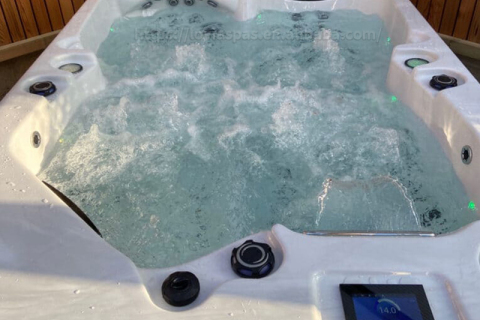
while the jets can speed up the circulation of water to some extent, their effect on raising the water temperature is not obvious, and in some cases, it may even extend the heating time.
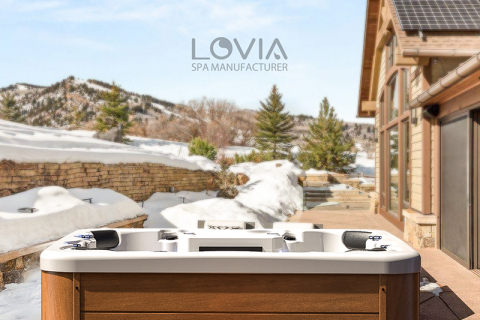
● If the space is small and you want to emphasize sociality: a round hot bathtub may be more suitable. ● If you pursue space utilization and personalized experience: a square hot bathtub may be more in line with your needs.
Hot tub disease (Hot Tub Lung), also known as "hot tub lung disease", refers to a lung disease caused by specific microbial infection or allergic reaction of the human respiratory system after inhaling water vapor or aerosol in a hot bathtub. It is a rare but real respiratory disease that is mainly related to a bacterial infection called "nontuberculous mycobacteria" (NTM).
If the air in the pump and pipes is difficult to exhaust, you can try to tilt the outdoor hot bathtub appropriately to allow the air to concentrate at one end of the pipe before exhausting.
The depth of soaking bathtubs is usually 60-80 cm, enough for water to cover the neck, which can provide a deeper relaxation experience. The design of freestanding hot bathtubs is mainly for lying flat, usually spacious, long, and relatively shallow, about 45-60 cm.
When air humidity is low, water evaporates faster. When the air already contains less water vapor, water evaporates faster into the air. Therefore, in dry summers, especially in areas with dry climates, water in an outdoor hot bathtub evaporates more easily.
If you pursue milder water quality, less daily maintenance and potential long-term cost savings, a saltwater hot bathtub may be a more ideal choice. If you prefer more flexible water quality management, lower initial investment and traditional chemical maintenance, a chlorine hot bathtub is a more practical option.
Generally, the chlorine concentration in the outdoor hot bathtub should be kept between 3 and 5 ppm (parts per million). Higher concentrations may be harmful to the human body. If a high dose of chlorine is used during shock treatment, the waiting time may need to be extended, even to several hours.
The water temperature of outdoor hot bathtubs is usually higher, usually maintained at around 37°C to 40°C. While these temperatures are ideal for relaxation and muscle tension relief, they are also ideal for the growth of certain bacteria and microorganisms.
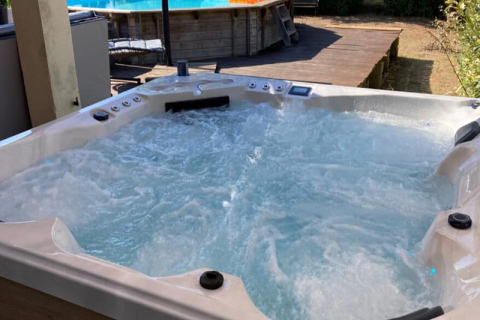
The balance of chemicals is very important for the water quality of the outdoor hot bathtub. If the concentration of chemicals in the water is too high, especially when it comes to foaming agents and lubricants, the water will produce more foam under the impact of the strong water flow of the jet.
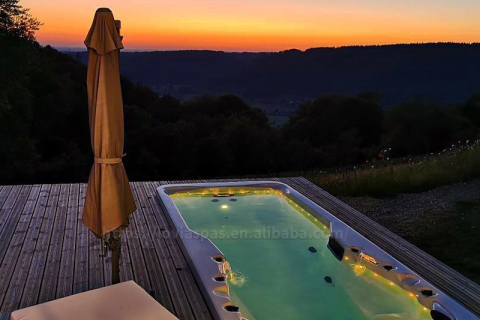
Generally speaking, the price range of swim spas is wide, ranging from about $10,000 at the low end to $30,000 or even higher at the high end. The price of hot bathtub is relatively affordable, with low-end products ranging from about $2,000 to $5,000, while high-end hot bathtubs usually cost no more than $10,000.
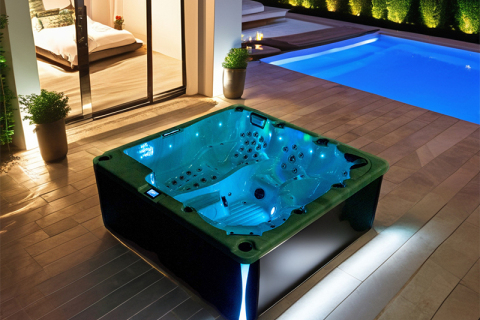
After a day of work and life pressure, the night is the time for most people to relax. The outdoor hot tub itself can help relax muscles and soothe tense nerves through hot water and massage functions, and the quietness and privacy of the night make this relaxation effect more significant.