


- Home
- >
News
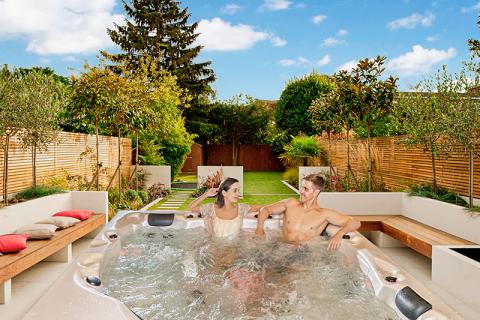
The size of the hot tub directly affects the number of nozzles. Generally speaking, small bathtubs (such as two-person hot bathtubs) are usually equipped with 5-10 nozzles, while large bathtubs (such as six-person hot bathtubs) may be equipped with 20 or even more nozzles.
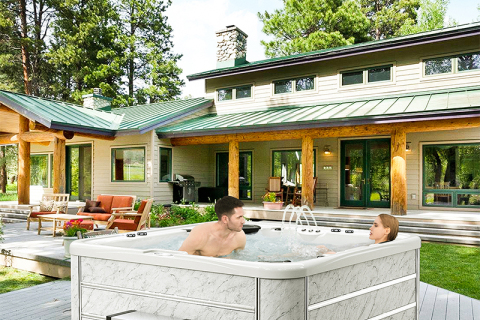
Although direct evidence is limited, some studies and clinical reports indicate that public or unclean hot tubs may increase the risk of urinary tract infections. Hot tubs with pathogens, especially those in public places, are more likely to cause infection.
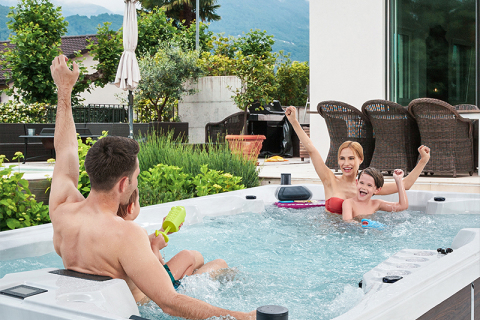
The design and use characteristics of hot tubs make them an ideal environment for the growth of Legionella. Legionella grows most vigorously in the temperature range of 25-45 degrees Celsius, and the water temperature in hot tubs is usually within this range.
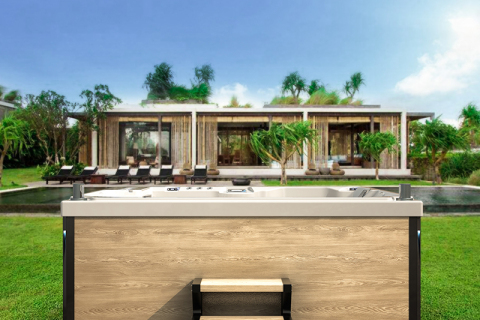
First of all, from a technical point of view, hot tubs can be placed outdoors. Many hot tubs are designed with outdoor use in mind and have waterproof, windproof and weatherproof properties.
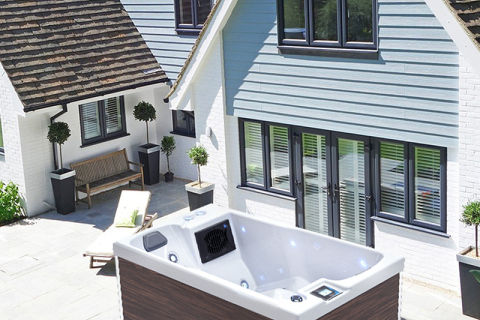
Balboa hot tubs have three operating modes: standard, economy, and sleep. These modes mainly affect heating, which affects energy consumption. Standard mode keeps the water temperature constant. Economy mode reduces energy consumption. Sleep mode turns the heater off completely.
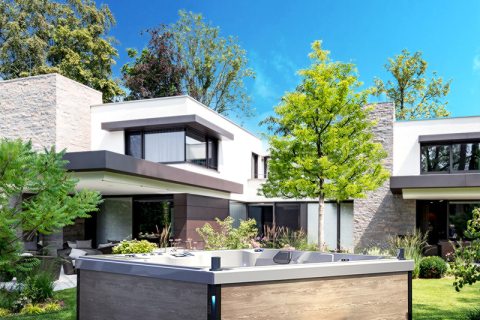
Modern manufacturers generally claim that their hot tubs cost around $1 per day to run, up to $50 per month. However, the actual energy cost of a hot tub depends primarily on the type and power of the heater.
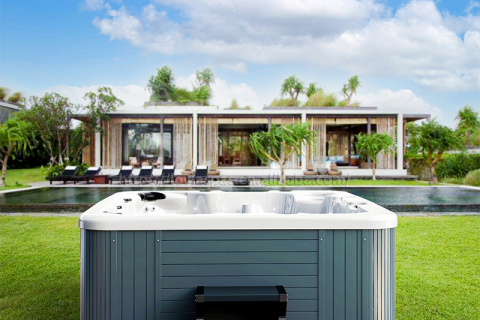
Outdoor hot tub involves water and electricity installation, drainage system, heating equipment, etc. If installed improperly, there may be problems such as water leakage, circuit failure, uneven heating, etc., and even affect the safety of users.
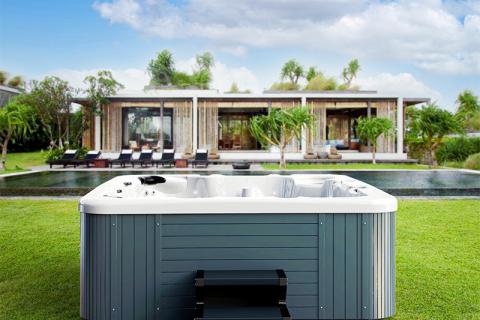
A quality hot tub will typically last 15 years or more. However, this depends on the hot tub's build quality, frequency of use, maintenance and environmental conditions. In some cases, hot tub problems can occur, such as heater or pump failure, leaks, or structural damage. These problems may require repairs, but when a hot tub has been in use for many years, the cost and value of repairs may decrease.

Hot tubs do not require gas pipes. Most hot tubs are powered by electricity, usually 240 volts powered by a 60 amp GFCI circuit breaker. This method of power supply is not only common, but also safer and more reliable. Compared with gas pipelines, the advantage of electricity supply is that it is more convenient, does not require the installation of additional pipeline systems, and reduces the complexity of the installation process.
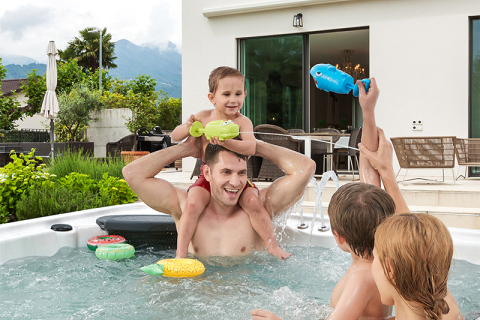
To adapt to seasonal changes, the water temperature adjustment of the outdoor hot bathtub is crucial. During the summer, you can lower the temperature of your hot tub slightly to prevent the water from overheating and causing discomfort. In cold winter, the water temperature needs to be raised to keep warm. By adjusting the water temperature according to the seasons, the hot water tub outdoor can provide comfortable enjoyment in different seasons.
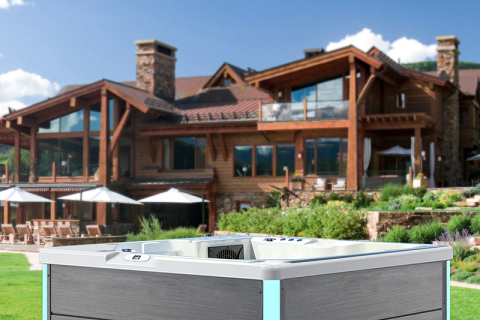
Generally speaking, patients with high blood pressure can use hot water tubs moderately, but they need to pay attention to controlling the bathing time and water temperature to avoid excessive relaxation and fatigue. Especially for patients with unstable blood pressure control or other cardiovascular diseases, they should be used with caution under the guidance of a doctor to avoid adverse reactions.
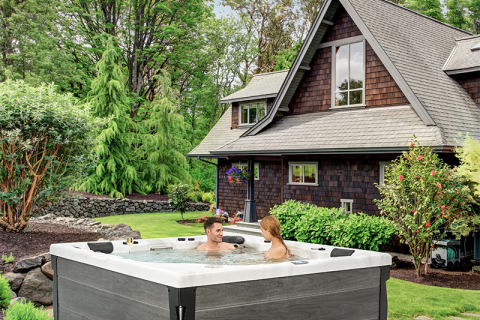
Placing the hot water bathtub in a cool location protects it from potential damage caused by direct sunlight. After being exposed to the sun for a long time, the outer wall and parts of the hot water bathtub may become fragile due to ultraviolet rays and high temperature, and may even be damaged by deformation, cracking, etc. Placing the hot water bathtub in a cool place can effectively reduce this risk and extend the service life of the hot water bathtub.