


- Home
- >
News
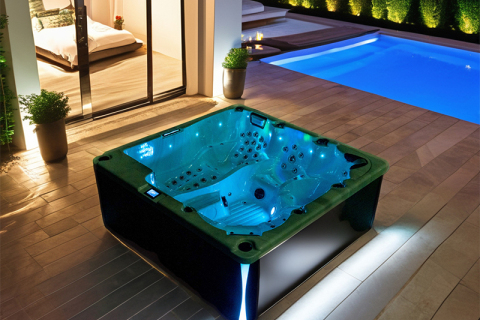
If the hot tub's capacity exceeds 1,000 liters, standard drainage outlets often fail to meet efficiency requirements. Rapidly discharging a large volume of water can impact the surrounding ground surface, necessitating larger-diameter piping or specialized drainage mechanisms.
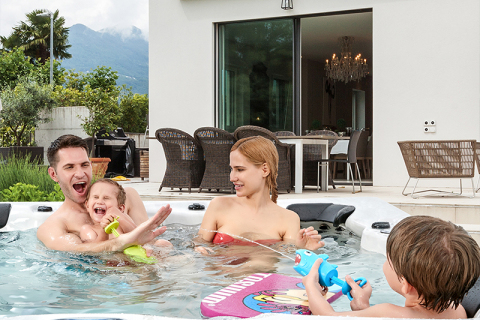
One common thread emerges among mainstream products in the global mid-to-high-end market: a large number of high-quality freestanding hot tubs are made of acrylic. Acrylic hot tubs have become the industry standard, particularly in North American and European markets, commanding a market share far greater than that of other materials.
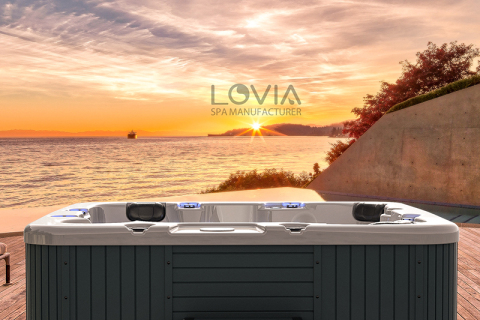
When installing the filtration system plumbing, the following operational sequence should be followed: •Water flows out of the hot tub •It enters the filtration system •It then proceeds into the heating system •Finally, it returns to the hot tub This specific sequence ensures that the freestanding hot tub completes all necessary water treatment processes during every circulation cycle.
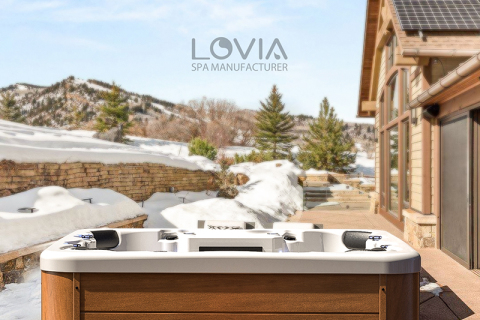
Sitting on the rim of an outdoor freestanding hot tub poses a risk primarily due to a "mismatch in load-bearing mechanics." Sitting or standing on the rim for prolonged periods or frequently can adversely affect the structural stability of a freestanding hot tub.
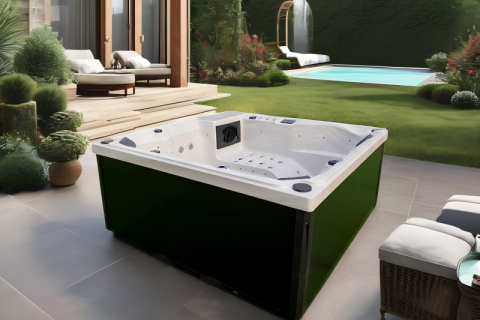
Leveling an outdoor freestanding hot tub typically follows this logical sequence: 1. Confirm the installation location and foundation are stable. 2. Place the freestanding hot tub in its final position. 3. Use a level to check the overall levelness. 4. Identify the lowest point or direction of tilt. 5. Make minor adjustments by raising the tub slightly below the lowest point. 6. Repeat the check, making gradual adjustments. 7. Confirm that all directions are level.
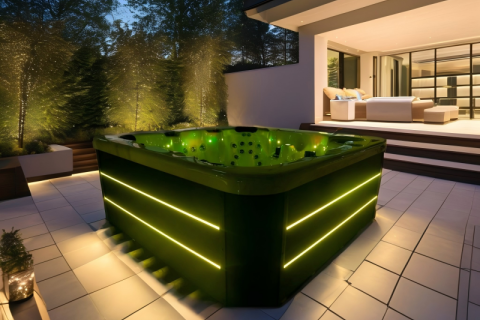
From a structural and functional perspective, freestanding hot tubs do not require complete openness on all sides. Placement against one or more walls is feasible, provided installation and maintenance requirements are met.
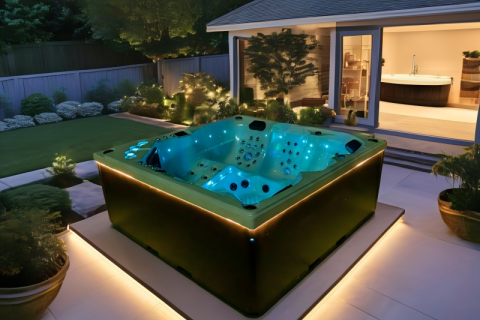
Water temperature is one of the core factors in determining whether a freestanding hot tub is suitable for children. If a child is bathed in an outdoor freestanding hot tub without strictly controlling the water temperature, the risk increases significantly. Therefore, controllable and sufficiently low water temperature is crucial.
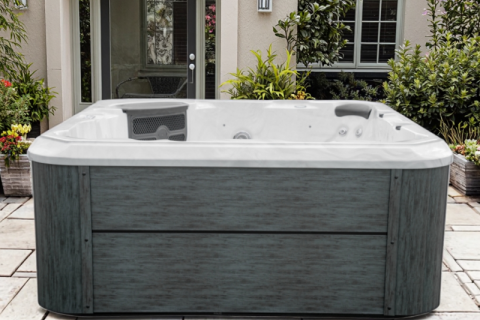
Most freestanding outdoor hot tubs are structurally designed for relatively easy entry and exit, but the ease of access is highly dependent on design details. In other words, freestanding hot tubs are not inherently "easy" or "difficult" to enter; rather, it's determined by a combination of structural factors.
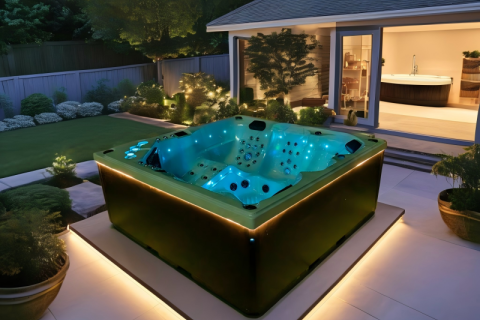
Yes, acrylic is not only a common material but also the most mainstream and popular choice for freestanding bathtubs. The reasons include: •Lightweight and easy to install •Soft and warm to the touch •Excellent heat retention properties •Wide variety of design options •Simple to clean •Moderate cost •Ideal for hot water soaking •Safe and comfortable
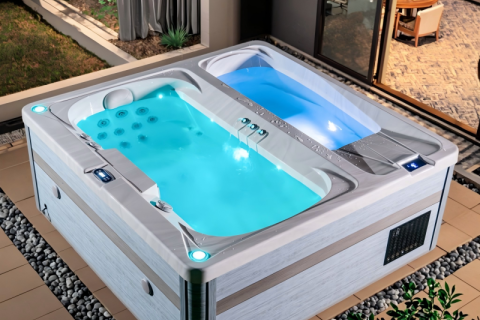
Step 1: Confirm the floor is level and even. Step 2: Adjust the tub's support legs. Step 3: Connect the drainage system and ensure there is no pulling. Step 4: Secure the bottom with silicone sealant (most crucial). Step 5: Press the tub firmly into its final position. Step 6: Wait for the silicone sealant to completely cure. Step 7: Test stability and drainage.
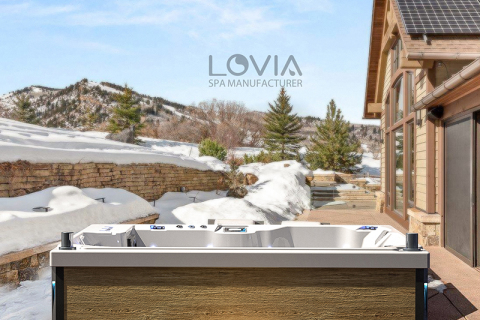
Freestanding outdoor hot tubs are designed to account for heat loss in the outdoor environment. They typically utilize multiple layers of insulation, advanced heating systems, and tightly sealed tub covers to ensure a stable water temperature.
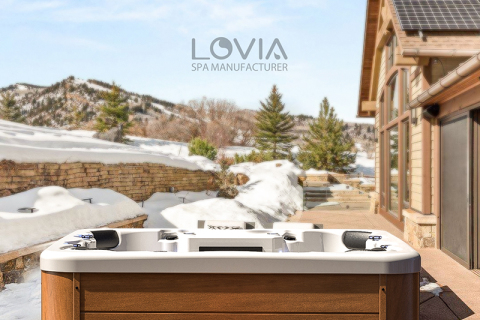
In general, the medium-sized free standing hot tub (60 to 67 inches long, 30 to 32 inches wide, and 24 to 30 inches high) is currently the most popular size choice. It can balance functionality and aesthetics, suitable for single use or to meet the needs of two people sharing. At the same time, this size bathtub is highly adaptable and can be integrated into a variety of bathroom layouts and design styles.