


- Home
- >
News
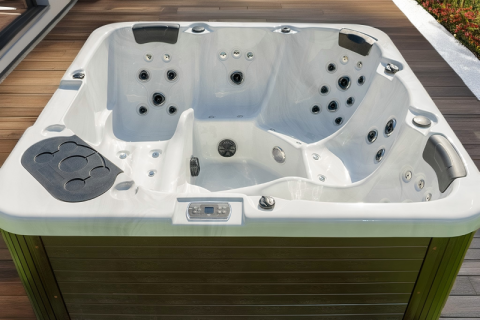
Scientifically speaking, chlorine does not adhere to the skin's surface for long periods. Once a person exits the whirlpool spa hot tub, moisture on the skin evaporates quickly, carrying away the vast majority of free chlorine through volatilization or rinsing.
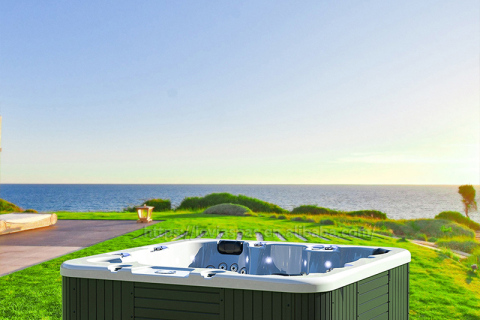
If you find white particles, white spots, or hard deposits, use a mild descaler suitable for outdoor whirlpool hot tubs. Be sure to dilute the product according to the instructions to prevent high concentrations of chemicals from damaging the equipment.
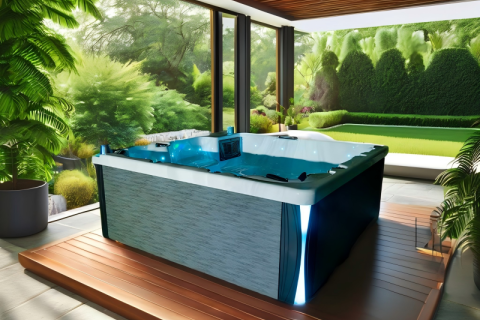
Generally, it is recommended that the generator's rated output power exceed the whirlpool hot tub's continuous operating power by 25% to 50% to accommodate startup current demands and ensure operational stability.
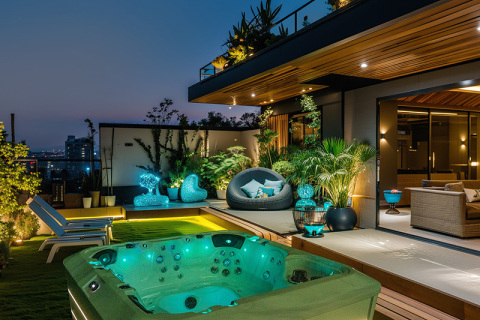
Cloudy water in an outdoor spa hot tub does not necessarily mean that bacteria have proliferated extensively, but it usually indicates an imbalance in the water chemistry that requires prompt inspection.
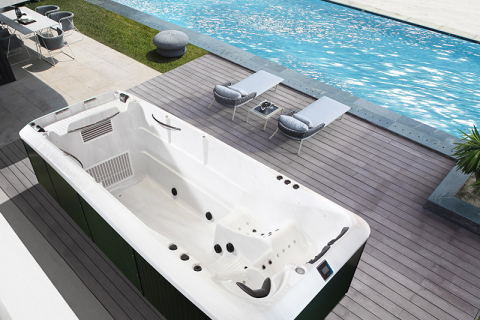
Compared to regular swimming pools, outdoor swim spa tubs are more prone to limescale buildup, primarily due to three characteristics of their operating environment: consistently high water temperature, high circulation frequency, and rapid water evaporation.
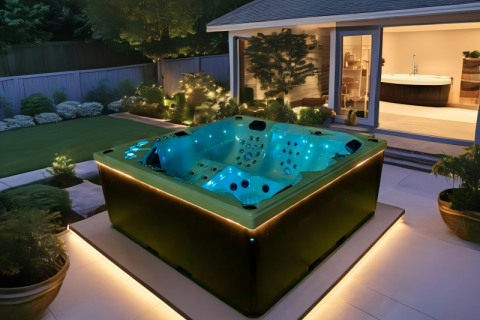
However, first-time buyers of outdoor spa hot tubs often fall into the trap of assuming that "bigger specs are better" or "lower prices mean better value" when faced with a multitude of parameters—such as dimensions, jet count, control systems, insulation performance, and installation requirements.
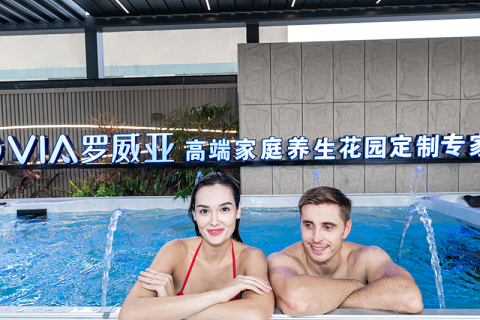
First, the warm environment helps promote blood circulation. When you enter an outdoor swim spa tub, the skin's capillaries gradually dilate, increasing blood flow to the skin's surface, helping the body dissipate heat, and improving circulation in the limbs and superficial tissues.
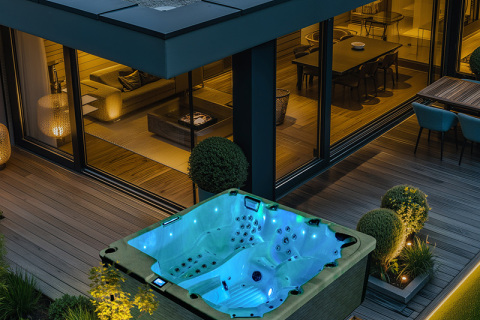
Take the L702 from LOVIA®, a Chinese manufacturer and supplier of outdoor spa equipment, as an example. This is a large outdoor spa hot tub that can accommodate nine people simultaneously. It features two lounges and seven seats, with overall dimensions of 3800×2250×920 mm.
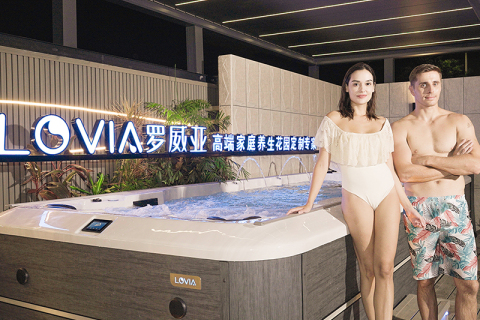
As a company long dedicated to the R&D and manufacturing of spa equipment, LOVIA® provides OEM outdoor swim spa solutions to global clients. Through standardized manufacturing, modular design, and flexible customization, LOVIA® delivers reliable product support tailored to diverse wellness center projects.
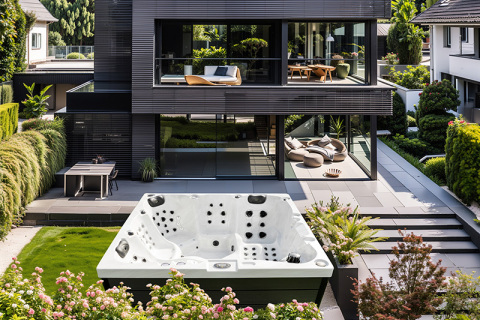
Based on after-sales maintenance experience, there are many reasons for nozzle pulsation in outdoor hot tubs, but the most common is still insufficient water supply. When the massage pump cannot continuously obtain enough water, a situation similar to "insufficient fuel supply" in a car engine occurs.
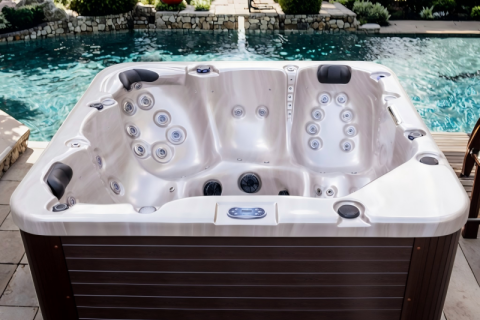
As a leading Chinese manufacturer of outdoor spa equipment, LOVIA® has long focused on the R&D, manufacturing, and export of wellness products such as hot tubs and swim spas. Recognized as one of China's top five spa brands in 2019, the company continues to serve numerous mature markets globally.
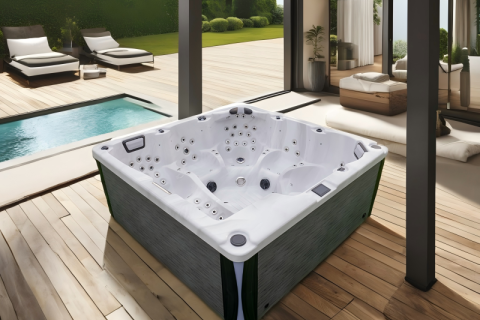
Strictly speaking, sunlight doesn't directly alter the water quality of an outdoor spa hot tub like adding chemicals, but it indirectly affects the water balance through various physical and chemical processes, ultimately leading to changes in water quality.