


News
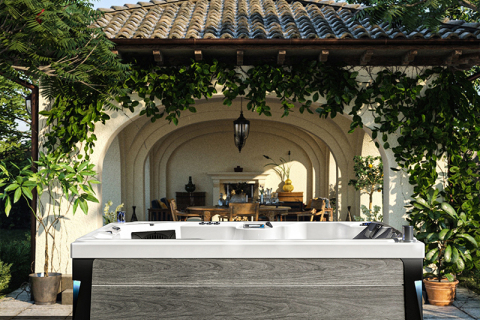
Before deciding to install an outdoor jacuzzi bathtub, it is recommended that you contact local government agencies, health departments, and community associations to understand relevant regulations and procedures to ensure that your installation is legal, safe, and in compliance with regulations.
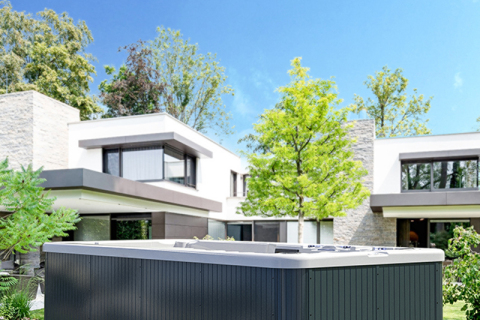
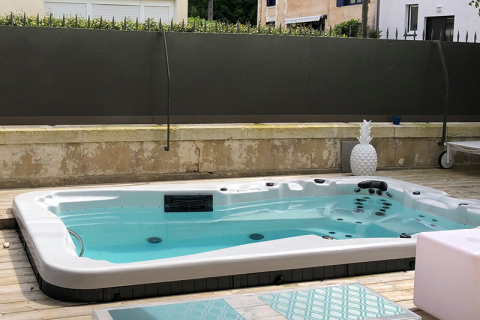
The length of the swimming pool is a key determining factor as it determines the comfort of swimming. Usually, the length of the swim spa massage bathtub should be at least 15 to 20 feet to ensure that customers can enjoy themselves to the fullest. For professional swimmers or clients with larger spaces, longer swimming pools may be more suitable.
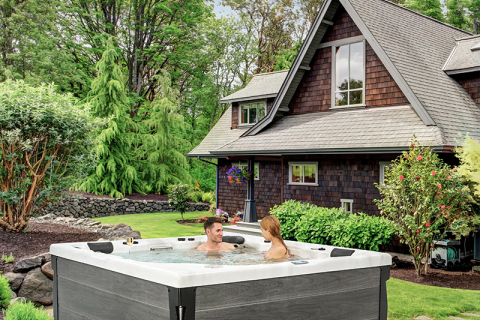
In some spa hot tubs, water is fed into the heater and heated by an electric or gas heater to maintain the selected comfortable temperature. The hot water will continue to flow until it enters the next stage.
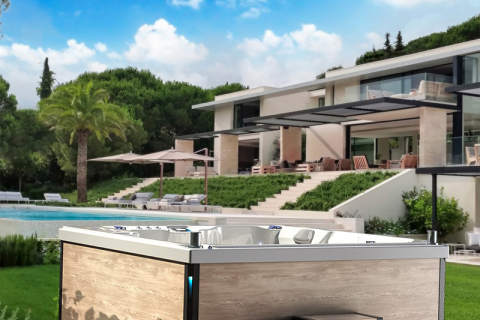
It is crucial to regularly replace the water in outdoor hot tubs to ensure clean and hygienic water quality. However, when replacing water, do not waste valuable resources. You can use old water to water gardens or plants, thereby minimizing water waste.
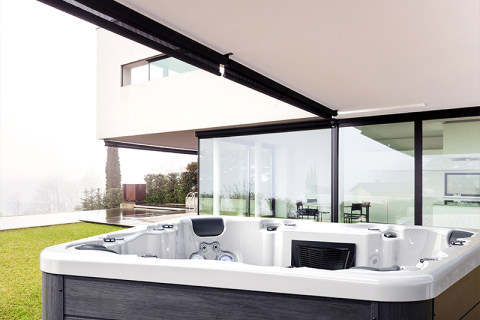
One of the most significant factors in geographical location is the intensity of sunlight. Outdoor massage bathtubs located in high latitude or altitude areas may be exposed to more intense sunlight. Jacuzzis in these areas may be more prone to fading due to stronger ultraviolet radiation, which poses greater challenges to color retention.
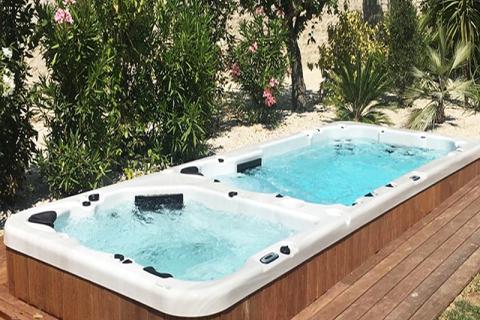
Thoroughly cleaning and maintaining outdoor hot bathtubs at regular intervals is the key to preventing odors. Use the manufacturer's recommended cleaning products and methods to clean the interior and exterior surfaces of outdoor hot water tubs, including filters, pipes, and nozzles. Regular replacement of filters is also important to ensure clear water quality.
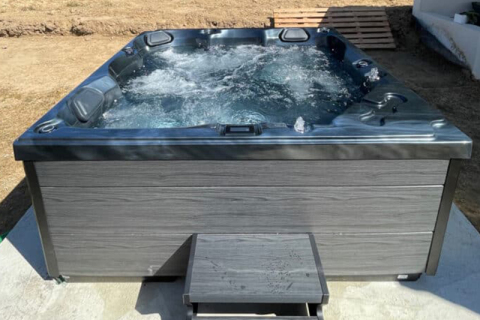
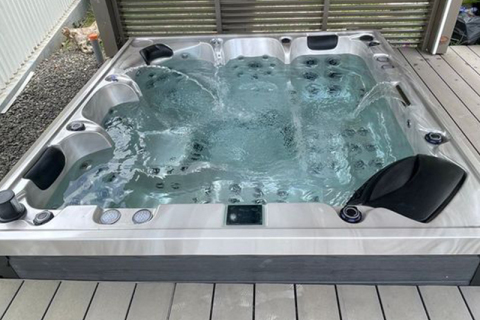
The massage methods of outdoor jacuzzi tubs can be divided into: vortex massage, bubble massage, and mixed massage.
Water quality testing: Regular water quality testing is very important. The test results will tell you the pH value, concentration of bromine or chlorine, alkalinity, etc. in the water. If the test results show poor water quality, you may need to take measures to correct the problem, including replacing some or all of the water.