


What Should You Check on an Outdoor Spa Hot Tub After Heavy Rain?
2026-11-24 15:35Outdoor hot tubs—typically installed in yards, on patios, or near swimming pools—are frequently exposed to heavy rain, standing water, sediment, and strong winds. While most outdoor whirlpool spa hot tubs are designed with some level of water resistance, issues such as water ingress into the equipment compartment, moisture affecting electrical systems, clogged drains, and changes in water quality can compromise both the safety and the lifespan of the unit.
Following a heavy rainstorm, you should go beyond simply clearing debris from the surface of the spa hot tub. It is essential to inspect the drainage system, the exterior shell, the insulating cover, electrical components, circulation plumbing, and water quality. The recommended order for inspection is: first, address any safety risks; next, examine the structure and equipment; then, manage the water quality; and finally, verify that the unit is operating correctly.
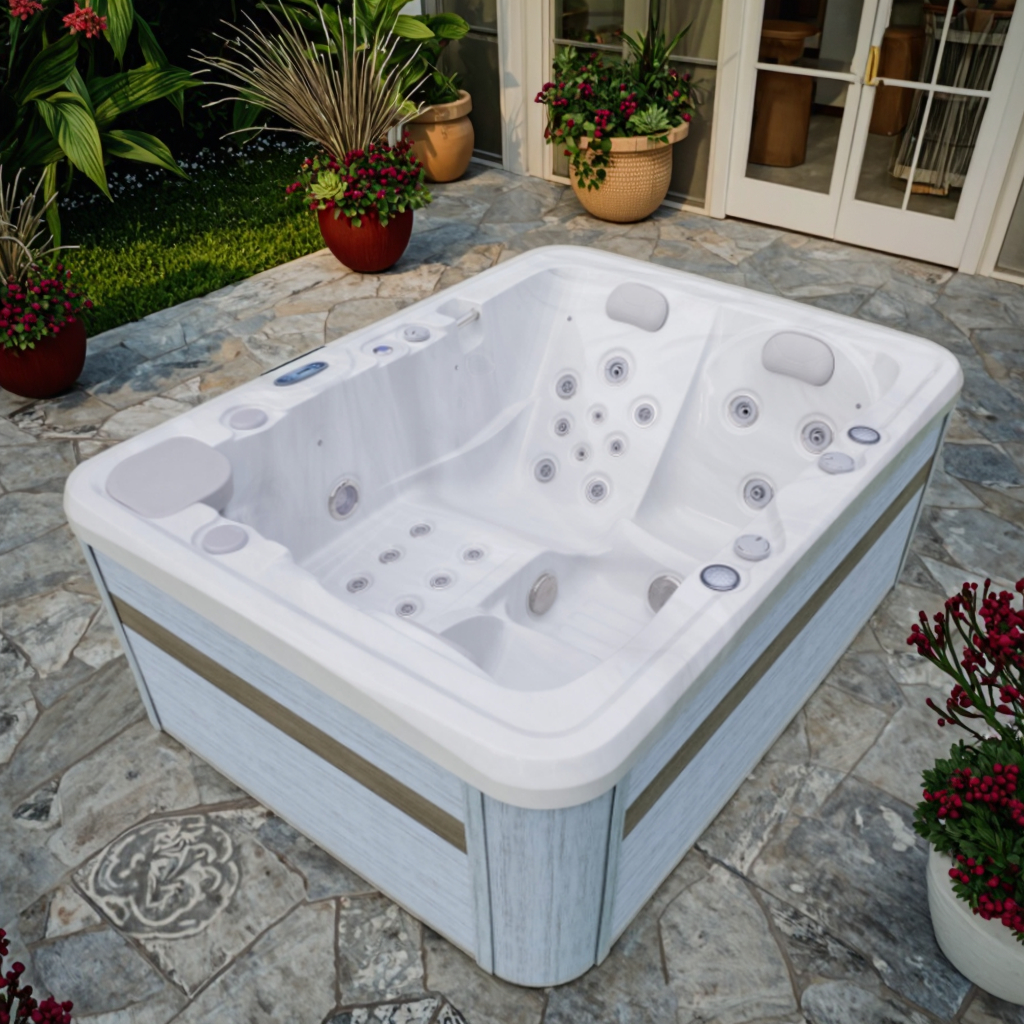
Why is it necessary to inspect an outdoor hot tub after heavy rain?
1. Standing water can compromise electrical systems
Outdoor spa hot tubs are equipped with components such as heaters, circulation pumps, jet pumps, control panels, and temperature sensors. Although these parts are generally housed within an equipment compartment, heavy rain can lead to issues like water backflow, seal failure, or the flooding of the compartment, all of which can cause electrical malfunctions.
It is important to note that a control panel remaining illuminated does not guarantee that the internal electrical components are safe. If you notice the residual-current device (RCD/GFCI) tripping, detect a burning smell, hear unusual noises, or find water inside the equipment compartment, stop using the outdoor spa hot tub immediately—do not repeatedly attempt to power it on. If the equipment has been submerged in water, it must be inspected by a professional to verify the integrity of the insulation, grounding, and electrical connections before it is safe to resume operation.
2. Rainwater can alter water quality
Heavy rain can wash leaves, sediment, pollen, and other contaminants into an outdoor spa hot tub. The risk of contamination increases further if the cover is not fully secured or if there is a backflow of runoff or wastewater from the surrounding area.
Rainwater entering the tub can also disrupt the chemical balance of the water, affecting pH levels, total alkalinity, and sanitizer concentrations. Therefore, even if the water appears clear after a storm, you should use a test kit to check key parameters; do not rely solely on visual appearance to determine whether the water is safe for use.
3. Standing Water Can Affect the Installation Structure
An outdoor spa hot tub becomes extremely heavy when filled with water. For instance, 1,000 liters of water weigh approximately 1,000 kg; the weight of the tub itself, its equipment, and the users must also be factored in.
If heavy rain causes the foundation to soften, water to pool on the platform, or the ground to subside, the hot tub may lose uniform support. This increases the risk of the shell deforming and places undue stress on plumbing connections. Therefore, post-rain inspections should not be limited to the equipment itself; they must also cover the installation platform, the base, and the surrounding drainage environment.
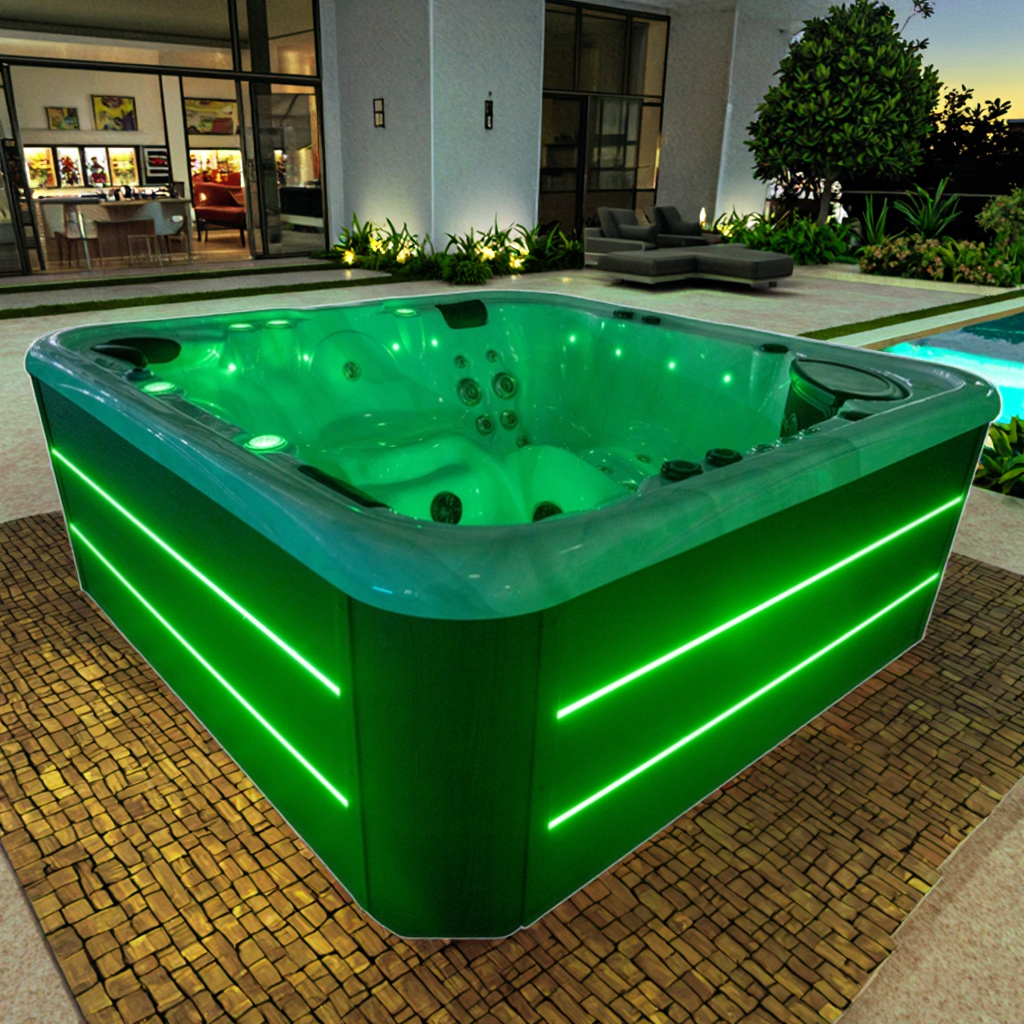
What parts of an outdoor hot tub should be prioritized for inspection after a heavy rainstorm?
1. Check the Drainage System and Surrounding Standing Water
Begin by observing the area around the base of the tub, the equipment compartment, drainage channels, and floor drains to ensure that rainwater is draining away properly. Pay close attention to whether drainage outlets are blocked by leaves, silt, or debris, and check the ground for any new cracks, signs of subsidence, or instability.
If the outdoor spa hot tub is installed on a patio or wooden deck, inspect the supporting structure for deformation and check that all fasteners remain secure. If you notice significant tilting or the base has begun to sink, do not attempt to shim (prop up) or move the tub while it is filled with water; instead, contact a professional installer to conduct an assessment.
2. Inspect the Shell and Waterproof Seals
Heavy rain can force water into the equipment compartment through degraded weatherstripping, loose decorative panels, or access doors. After a storm, examine the whirlpool spa hot tub shell for cracks, warping, bulges, or unusual water stains. Also, check areas where plumbing lines enter the unit for any signs of leakage.
If you find standing water inside the equipment compartment, damp insulation, or persistent dripping, do not simply wipe the surfaces dry and continue use. You must first identify the source of the water ingress and then repair the seals according to the manufacturer’s specifications.
Furthermore, never block the drainage holes or ventilation vents on the shell, as these are essential for drainage, heat dissipation, and the proper ventilation of the internal equipment.
3. Check the Equipment Compartment for Water Ingress
The equipment compartment—which typically houses the water pump, heater, circulation piping, and control components—is one of the areas that requires the most attention following a heavy rainstorm.
Provided it is safe to approach, inspect the compartment for standing water, signs of corrosion, damp insulation, or unusual water marks. If the compartment has been submerged, do not attempt to power on the unit, even if the equipment appears undamaged on the surface.
Never attempt to disassemble control boards, heater terminals, or electrical connections for the pump while in a damp environment, and do not use a standard hairdryer to dry out electrical components. Contact a professional technician to assess the extent of the damage; this helps prevent the risk of electric shock caused by insulation failure.
4. Inspect Power Cables and Residual Current Devices (RCDs)
Because outdoor spa hot tubs involve the combination of water, electricity, and human contact, electrical safety must be the top priority. Heavy rain can damage cable sheaths, cause moisture to enter junction boxes, or lead to the corrosion of electrical connections.
While you may visually inspect cables for damage or check the control panel for irregularities, you should never open energized equipment to examine internal wiring. If a residual current device (RCD/GFCI) trips, do not repeatedly attempt to reset it; instead, have a qualified electrician inspect the grounding, insulation, and protective devices.
5. Check the Insulating Cover and Securing Mechanisms
Heavy rain is often accompanied by strong winds, which can shift the insulating cover, loosen hinges, or damage securing straps. Beyond maintaining water temperature, the cover also prevents leaves, sediment, and other contaminants from entering the tub.
During your inspection, look for tears in the cover’s outer material, lifted edges, loose hinges, and ensure that the securing straps and latches are functioning correctly. If the cover feels significantly heavier, sags, or contains trapped water, the internal core may have become waterlogged, which can compromise its insulating performance.
If structural damage is found, repair or replace the affected parts with components compatible with your specific model. Do not rely on makeshift heavy objects to hold the cover in place instead of using proper, secure fastening mechanisms.
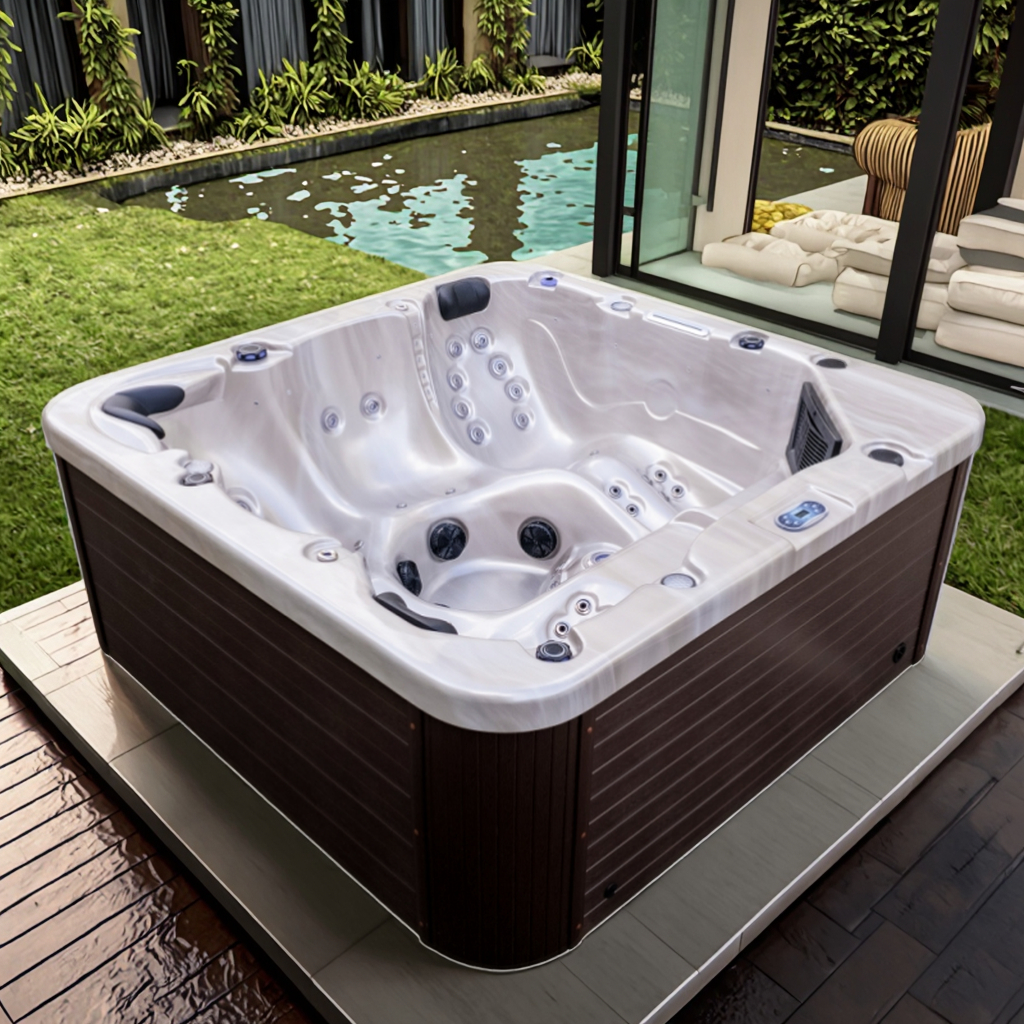
How should you check the water quality of an outdoor hot tub after a heavy rainstorm?
1. Check Water Level and Appearance
First, observe whether the water level has risen or fallen significantly. Also, inspect the water for cloudiness, unusual foam, an oily film, unpleasant odors, or floating debris.
If the outdoor spa hot tub has been exposed to floodwaters or sewage backflow, stop using it immediately. Simply adding disinfectants is insufficient in such cases; instead, determine whether the tub needs to be drained, cleaned, and refilled, based on the severity of the contamination and the manufacturer’s maintenance guidelines.
2. Test pH, Sanitizer Concentration, and Total Alkalinity
After a heavy rainstorm, use a test kit designed for whirlpool spa hot tubs to check the water quality. The following are reference ranges for common chlorine or bromine-based sanitizing systems; however, always refer to the product instructions and local health regulations for specific requirements.
| Water Quality Parameter | Typical Reference Range | Purpose |
| pH | 7.2–7.8 | Supports sanitizer effectiveness |
| Free Chlorine | 3–5 ppm | Helps control microorganisms |
| Bromine | 4–6 ppm | Alternative hot tub sanitizer |
| Total Alkalinity | 80–120 ppm | Helps stabilize pH |
| Water Clarity | Clear, without visible debris | Indicates physical condition |
If sanitizer levels are too low, add more according to the product instructions and re-test after the specified circulation time. If the pH level is outside the target range, use appropriate balancing agents to adjust it gradually. Do not add large quantities of chemicals based on guesswork, and never mix different water treatment products together.
3. Clean the Filter and Check Circulation Flow
Heavy rain can wash silt, leaves, and other debris into the outdoor spa hot tub, overloading the filter and causing reduced water flow or cloudy water.
Following the manufacturer’s instructions, turn off the equipment and carefully remove the filter cartridge. Inspect it for clogs, deformation, or damage. Depending on the material and manufacturer’s guidelines, the filter can be rinsed or cleaned using a specialized filter cleaner; avoid using excessive water pressure, which could damage the filter media.
If the filter becomes clogged again quickly, or if water flow remains significantly restricted after cleaning, inspect the entire circulation system. In cases of severe contamination, it may be necessary to drain the outdoor spa hot tub, clean the interior surfaces, and refill it with fresh water.
4. When Should the Entire Volume of Water Be Replaced?
It is not necessary to replace the water after every heavy rainstorm. If the cover remained intact, there was no sewage backflow, and the water quality parameters are within acceptable limits, you can typically restore the water by cleaning the filter and making necessary chemical adjustments.
However, if the whirlpool spa hot tub has been contaminated by floodwaters or sewage, or if the water quality cannot be restored through standard treatment, you must stop using the tub and proceed with draining, cleaning, and disinfecting it in accordance with the manufacturer’s instructions. When draining the water, ensure compliance with local wastewater discharge regulations; avoid discharging high concentrations of disinfectants directly into areas not equipped to handle such wastewater.
Outdoor Hot Tub Circulation Pumps, Jet Systems, and Heaters: What Should You Check?
1. Circulation Pumps and Jet Systems
Following a heavy rainstorm, if filters become clogged or the equipment compartment takes on water, circulation and jet pumps may experience reduced flow, unusual noise, or failure to start.
Monitor the control panel for water-flow error alerts, check for a noticeable drop in water pressure from the jets, and observe whether there is any abnormal vibration during operation. If there is any risk that water has entered the equipment or if there are concerns regarding electrical safety, do not attempt to start the pumps.
Once electrical safety has been confirmed, if water flow remains insufficient or error alarms persist, inspect the filters, water inlets/outlets, and plumbing lines. Contact a professional technician if necessary.
2. Heaters and Temperature Control Systems
If an outdoor whirlpool spa hot tub heats up slowly, experiences temperature fluctuations, or if the heater shuts off frequently after a heavy rain, investigate potential issues such as insufficient water flow, faulty temperature sensors, or moisture-related damage to electrical components.
For example, a 3 kW electric heater should ideally provide approximately 3 kWh of thermal energy per hour of operation. However, the actual rate of temperature increase depends on factors such as water volume, initial water temperature, ambient temperature, and heat loss.
If the equipment runs for significantly longer periods without reaching the set temperature, do not automatically assume it is a result of the rainstorm. Clogged filters, heater malfunctions, or inaccurate temperature sensors can all cause similar issues.
3. Plumbing, Connections, and Drain Valves
After a heavy rain, check the area around the base of the outdoor spa hot tub, plumbing connections, and drain valves for any new signs of water. If water continues to pool around the tub after the weather has cleared, or if the water level drops while the tub is not in use, inspect the plumbing and connections for leaks.
Keep in mind that evaporation, splashing, and the operation of the filtration system can also cause changes in water level; therefore, a drop in water level does not necessarily indicate a damaged pipe. Assess the situation by looking for signs of water on the ground and checking the status of the equipment—arrange for a professional leak detection service if needed.
How can you prevent damage to an outdoor hot tub caused by heavy rain?
Improving the installation environment and maintaining good upkeep habits in advance is generally more cost-effective than carrying out repairs after a heavy downpour.
First, ensure that the installation site has reliable drainage to prevent the equipment compartment and the base from sitting in standing water for extended periods. If the whirlpool spa hot tub is installed on a deck or terrace, have a professional assess the load-bearing capacity to ensure the supporting structure can withstand the total weight of the whirlpool spa hot tub when filled with water.
Second, regularly inspect the drains, cover fasteners, cabinet seams, and the seals of the equipment compartment. Before heavy rain, clear any leaves or debris from nearby drainage channels and ensure the cover is securely fastened to minimize the entry of contaminants into the whirlpool spa hot tub.
Finally, maintain a record of post-rain inspections. For hotels, vacation rentals, and other commercial properties, document the condition of the equipment, water quality test results, and any repairs performed after each heavy rainfall. This helps in identifying recurring issues such as leaks, poor drainage, or electrical faults.
Checklist for Inspecting an Outdoor Hot Tub After Heavy Rain
| Inspection Item | What to Check | Recommended Action |
| Drainage | Standing water and blocked drains | Clear debris and restore drainage |
| Exterior Shell | Cracks, loose panels, water stains | Repair damaged seals and panels |
| Equipment Bay | Water intrusion and corrosion | Keep the spa off until assessed |
| Electrical System | Damaged cables and tripped protection | Arrange professional inspection |
| Spa Cover | Damaged seals, hinges, and fasteners | Repair or replace damaged parts |
| Water Quality | pH, sanitizer, clarity | Test and adjust according to instructions |
| Filter | Debris, blockage, damage | Clean or replace as specified |
| Plumbing | Leaks and abnormal water loss | Arrange leak inspection |
| Heating System | Temperature fluctuations and alarms | Check circulation and heating components |
This checklist is intended for routine post-rain maintenance. If the equipment has been submerged in floodwater, or if water has entered the area housing electrical components, do not attempt to power it on; contact a professional immediately.
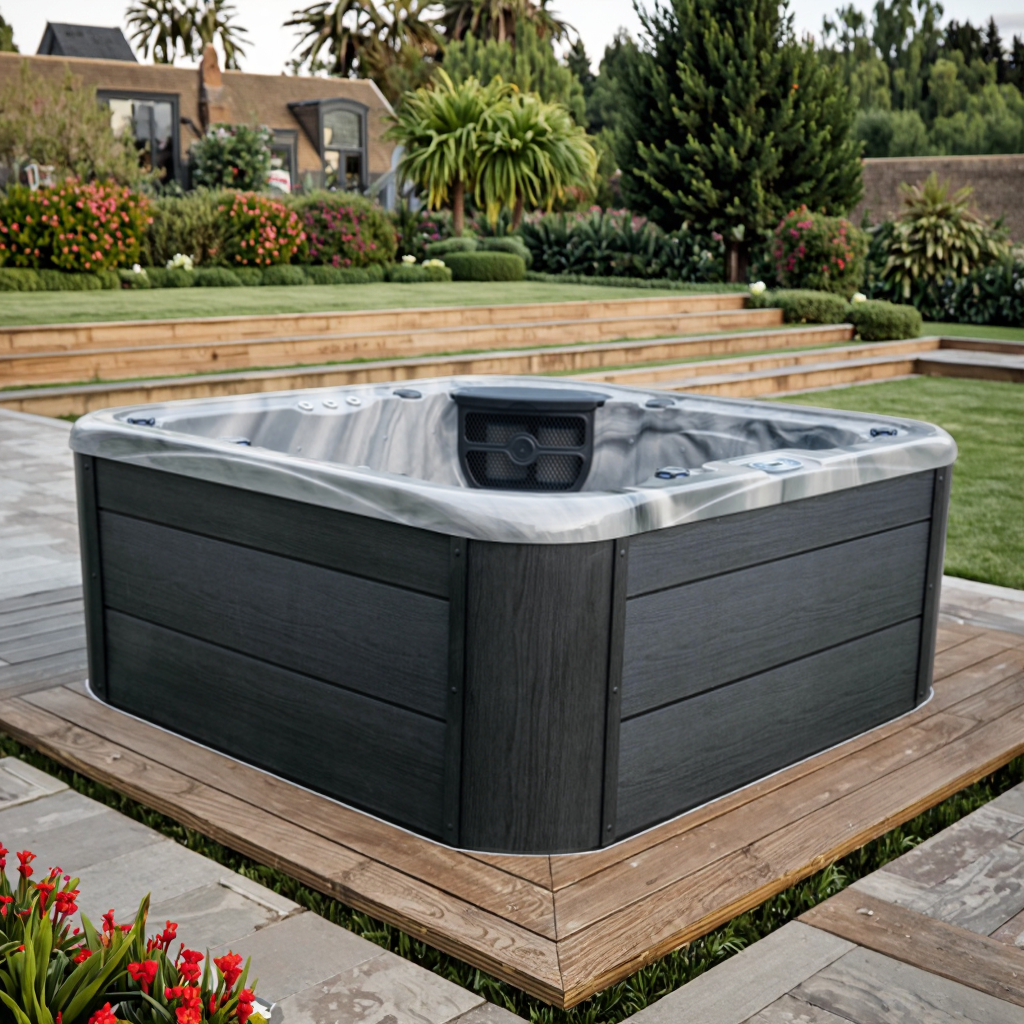
Frequently Asked Questions (FAQ)
FAQ 1: Can an outdoor whirlpool spa hot tub be used immediately after heavy rain?
Not necessarily. If it was only a standard rainstorm, the drainage is functioning properly, no water has entered the equipment compartment, and the water quality meets safety standards, it can generally be used again after completing the necessary checks. If the unit has been flooded or electrical components have become damp, suspend use until a professional confirms it is safe.
FAQ 2: Is it necessary to replace all the water in an outdoor whirlpool spa hot tub after heavy rain?
Not necessarily. This should be determined based on the level of contamination and water quality test results. If only a small amount of rainwater has entered and the water quality remains within acceptable limits, you can simply perform necessary cleaning and adjust chemical levels. However, if the water has been contaminated by sewage or pollutants, you should drain the tub and clean it thoroughly.
FAQ 3: Why might an outdoor spa hot tub heat up more slowly after heavy rain?
This could be due to a drop in ambient temperature, clogged filters, insufficient water flow, a heater malfunction, or faulty sensors. If water has entered the equipment compartment, it is also critical to inspect the electrical system.
FAQ 4: How can I tell if an outdoor spa hot tub is leaking?
Observe whether the water level continues to drop, and check the base, pipe connections, and drain valve for persistent signs of water. If you notice unusual pooling of water even after the weather has cleared, you should arrange for a professional leak detection service.
FAQ 5: How often should I inspect my outdoor spa hot tub after heavy rain?
It is recommended to perform a basic inspection after every heavy rainfall, paying close attention to any accumulated water, as well as the cover, exterior shell, and equipment compartment. In areas prone to frequent heavy rain, you may want to increase the frequency of inspections for drainage systems and structural installations.