


Outdoor Hot Tubs: Common Issues and Solutions
2026-10-16 15:35Expert Solutions for Outdoor Hot Tub Water Quality, Heat Retention, and Winter Use
As backyard leisure, home spas, and outdoor lifestyles gain popularity, outdoor spa hot tubs have become a key feature for enhancing the quality of outdoor living for many families. Unlike standard bathtubs, outdoor spas and hot tubs are designed to maintain a specific water temperature over extended periods through the coordinated operation of heaters, pumps, filters, and circulation systems. Consequently, they are not merely leisure products but complex water treatment and thermal management systems requiring ongoing maintenance.
Users often encounter similar issues after purchasing an outdoor spa hot tub: cloudy water, excessive foaming, slow heating, high energy consumption, concerns about freezing in winter, frequent circuit breaker trips, clogged filters, and poor heat retention by the cover.
These problems do not necessarily indicate a product malfunction; they are often related to the installation environment, product configuration, usage habits, and routine maintenance. Understanding these common issues and their solutions helps consumers reduce long-term operating costs and ensures the hot tub delivers the comfort and practicality it was designed for.
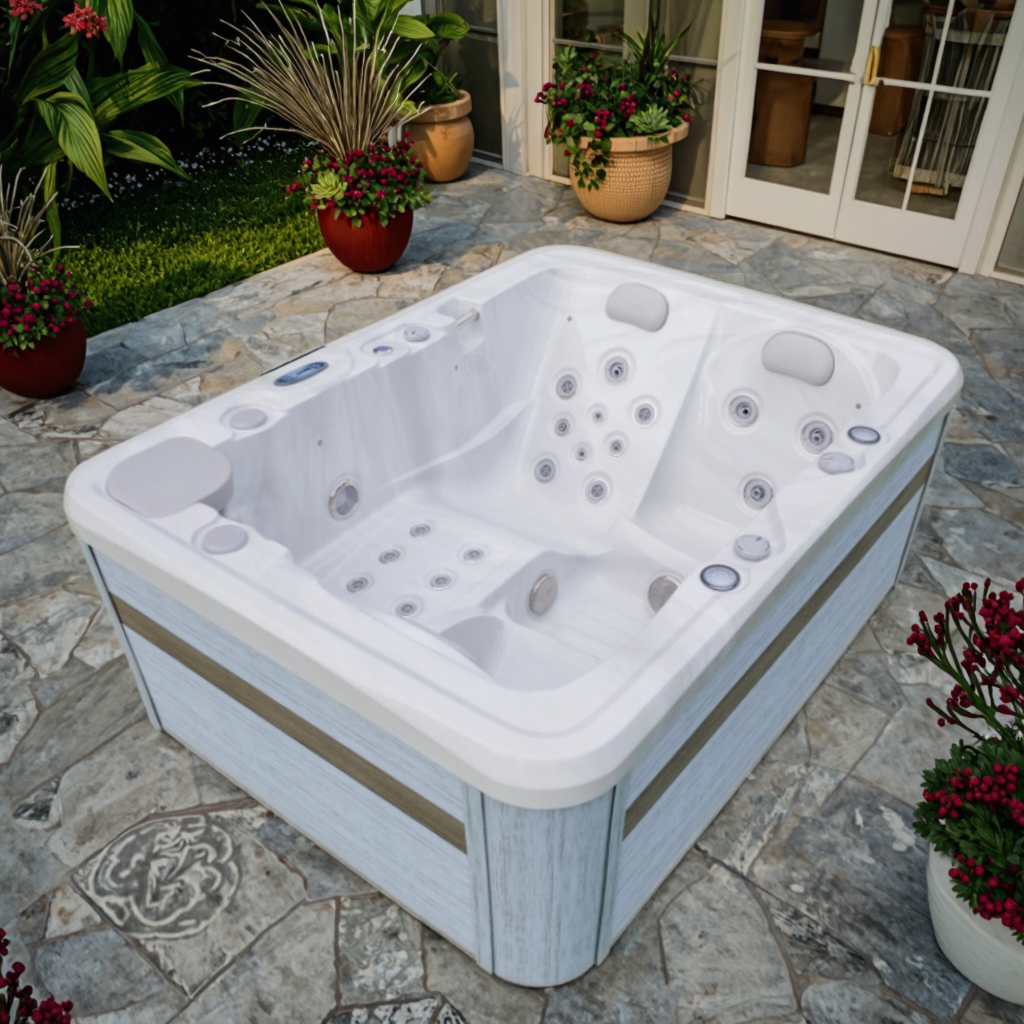
Why do outdoor hot tubs require regular maintenance?
Unlike standard bathtubs that are drained after every use, outdoor spas and hot tubs retain hundreds of gallons of water for continuous circulation. For instance, a hot tub with a 350-US-gallon capacity holds approximately 1,325 liters of water—weighing about 1,325 kilograms on its own. When the weight of the tub structure, equipment, and users is added, the total weight can exceed 1,500 kilograms. Therefore, beyond water quality maintenance, factors such as the installation foundation, drainage, and load-bearing capacity must be considered from the outset.
Furthermore, outdoor elements—such as dust, pollen, leaves, and insects—along with human sweat, body oils, and skincare products, inevitably find their way into the water. The heated environment complicates water quality management; thus, one cannot rely solely on visual clarity to determine if the water is safe. Regular testing of pH levels and sanitizer concentrations, filter cleaning, and water replacement according to manufacturer guidelines are essential for the proper operation of an outdoor spa hot tub.
What should you do if the water in your outdoor hot tub becomes cloudy?
Cloudy water is one of the most common issues with outdoor spas and hot tubs. Common causes include clogged filters, insufficient circulation time, heavy bather load, the introduction of body oils and skincare products into the water, and improper pH or sanitizer levels.
The first step in addressing water quality issues is testing, rather than blindly adding more sanitizer. Taking common chlorine sanitization as an example, the CDC recommends maintaining a free chlorine level of at least 3 ppm and a pH of 7.0–7.8; for bromine sanitization, a level of 4–8 ppm is typically recommended. In practice, however, one should prioritize local regulations and the manufacturer's instructions.
If the water becomes cloudy, inspect the filter and circulation system first, then test the pH and sanitizer concentration. If the filter has accumulated significant debris, it is difficult to maintain stable water quality in the long run, even with the addition of more chemicals. For water that exhibits a noticeable odor, cloudiness, or a slippery surface, follow the manufacturer's procedures for cleaning and water replacement.
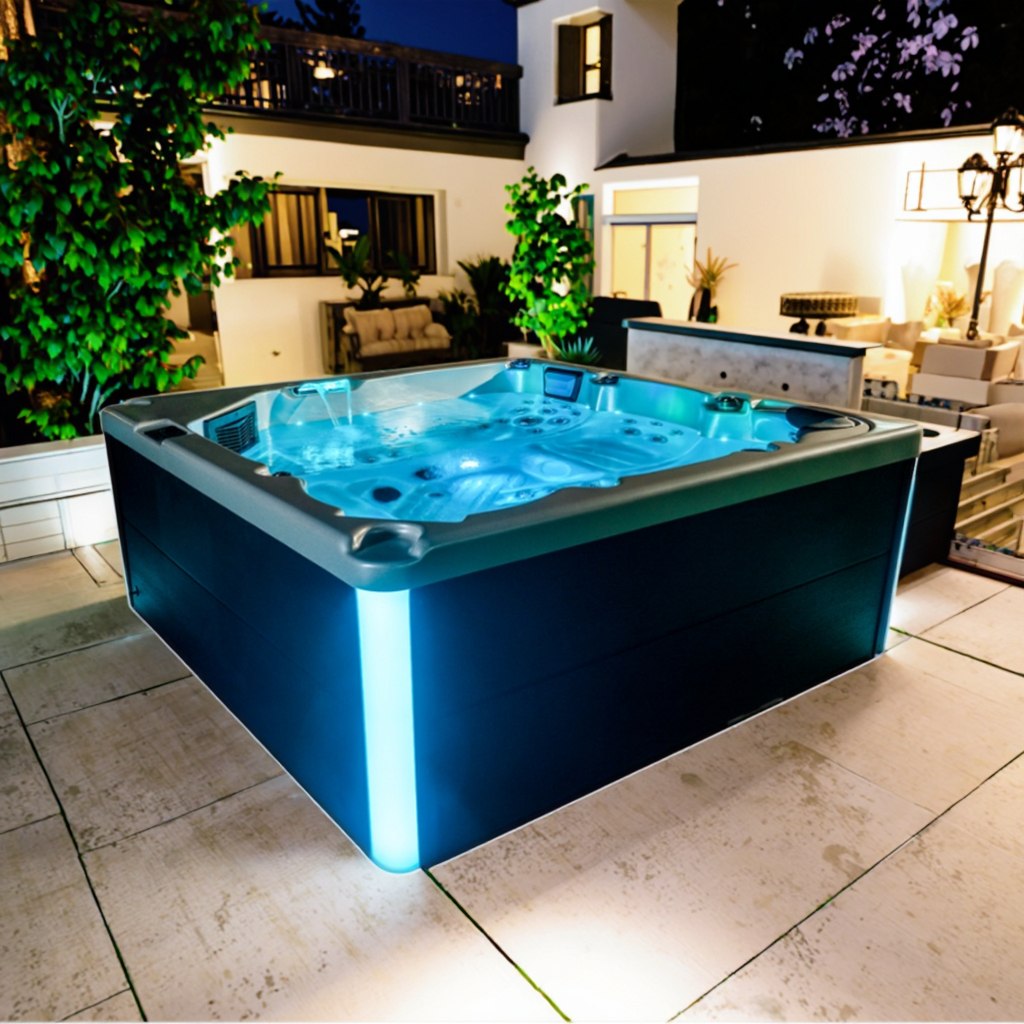
Why do outdoor spas and hot tubs tend to foam?
Many outdoor spa hot tub owners encounter a common issue: the water appears clean, yet excessive foam forms when the massage jets are turned on.
Foam is usually caused by residues from shampoo, body wash, skincare products, and laundry detergent, as well as sweat and body oils. When these substances enter the water and are agitated by high-pressure pumps and jets, significant foaming often occurs.
The solution lies in minimizing the introduction of contaminants at the source. Rinse your body briefly before entering the hot tub, avoid entering immediately after applying heavy body lotions or oils, and thoroughly rinse swimwear to reduce detergent residue. If foaming persists, check the filter and water quality; when contaminant buildup is significant, draining and refilling the water is often more effective than continuously using anti-foaming agents.
Why do outdoor hot tubs heat up slowly?
"Slow heating" is a common complaint among outdoor hot tub owners. Factors affecting heating speed include not only the heater's power output but also the tub's capacity, initial water temperature, ambient temperature, insulation design, and the performance of the hot tub cover. For example, heating the water in a 350-gallon (approx. 1,325-liter) outdoor hot tub from 15°C to 38°C theoretically requires about 35.5 kWh of energy. If the heating system has an effective output of 1.5 kW, the theoretical heating time is around 24 hours; with an effective output of 5 kW, it is about 7 hours. However, since heat loss occurs during actual use, the real-world heating time is usually longer.
This demonstrates that "higher power is not necessarily better." If a user lives in a region with cold winters and frequently uses the hot tub in low-temperature environments, they should prioritize factors such as heating power, insulation layers, plumbing insulation, and the quality of the hot tub cover, rather than focusing solely on a single heater specification.
Why do outdoor hot tubs consume so much electricity?
The primary energy consumption of an outdoor hot tub comes from its heating system. For instance, a 5 kW heater running for one hour theoretically consumes 5 kWh of electricity; however, the actual cost on a household electricity bill depends on operating time, electricity rates, ambient temperature, usage frequency, and the tub's insulation capabilities.
Therefore, the key to energy efficiency in outdoor spas and hot tubs is not simply reducing heating power, but minimizing heat loss. The spa hot tub cover plays a crucial role in this regard. Keeping the cover properly closed when the tub is not in use reduces heat dissipation and evaporation from the water surface while preventing leaves and dust from entering the water.
Additionally, insulation for the spa hot tub shell, base, equipment compartment, and plumbing is equally important. Especially in cold regions, a well-insulated hot tub reduces the frequency of heater activation, thereby lowering long-term energy consumption.
Consequently, when comparing the energy efficiency of outdoor hot tubs, one should consider the entire system—heating, insulation structure, cover, and plumbing design—rather than just comparing rated power output.
What should be considered when using an outdoor hot tub in winter?
Winter is the season when outdoor spas and hot tubs are most prone to equipment issues. The primary concern is not merely the drop in water temperature, but the risk of localized freezing within the plumbing, filtration area, and pump assembly. If the ambient temperature remains below 0°C for an extended period while the equipment is idle, residual water in the plumbing may freeze. As water expands upon freezing, it can damage the water pump, fittings, and pipes. Therefore, if your outdoor spa hot tub supports year-round use and features an anti-freeze mode, you should maintain normal circulation and anti-freeze functions according to the manufacturer's guidelines during winter; do not simply cut off the power.
If the unit needs to be shut down for a long period, follow the manufacturer's winter shutdown procedure to thoroughly drain the system and clear any residual water from the equipment and plumbing. When purchasing an outdoor spa hot tub for use in cold regions, prioritize checking for features such as anti-freeze protection, pipe insulation, and insulation within the equipment compartment.
What should you do if the water temperature in your outdoor hot tub drops too quickly?
It is normal for the water temperature to drop slightly when the cover is opened for use after the tub has reached its set temperature. However, if the temperature drops significantly even when the cover is closed, you should inspect the insulation system.
First, check the hot tub cover for deformation, damage, or poor sealing. Next, verify that the tub shell, base, and plumbing have adequate insulation. In cold weather, if the cover's insulation is poor, heat escapes rapidly from the water surface, forcing the heater to run for longer periods.
Consequently, the insulation performance of an outdoor spa hot tub is just as important as its heating efficiency. For households that use the tub frequently in winter, it is better to invest in superior insulation and a high-quality cover rather than simply seeking a higher-wattage heater.
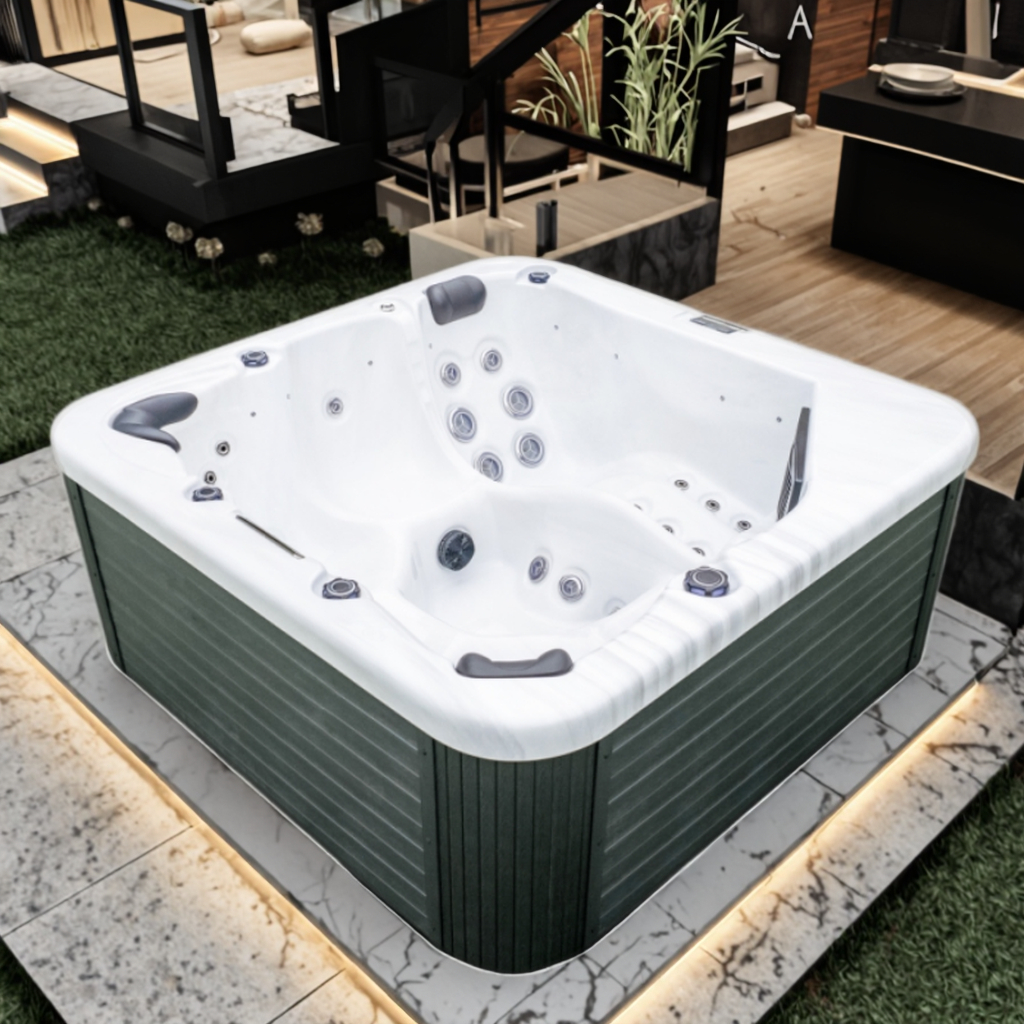
Why does the circuit breaker trip when using an outdoor hot tub?
Outdoor spas and hot tubs involve both water and high-power electrical equipment, so electrical safety is paramount. While some smaller models use standard plug-in configurations, larger outdoor hot tubs may require dedicated circuits, GFCI protection, and wiring/breakers that comply with local regulations.
If the breaker frequently trips during operation, the issue could stem from insufficient circuit capacity, GFCI activation, wiring problems, or malfunctions in the heater or pump. Do not repeatedly reset the breaker, and—under no circumstances—should you bypass safety devices to prevent tripping. The correct approach is to have a professional electrician inspect the wiring, grounding, circuit breakers, and GFCI protection in accordance with the product nameplate, installation manual, and local electrical codes. Avoid the casual use of extension cords or temporary wiring.
What temperature should an outdoor hot tub be set to?
Outdoor spas and hot tubs are typically operated at a warm temperature of around 38°C (100°F), though the specific setting should be adjusted based on the season, personal comfort, and product instructions. The CDC recommends that hot tub water temperatures should not exceed 40°C (104°F).
A higher temperature does not necessarily mean a better experience. Higher water temperatures increase the body's heat load and raise the equipment's energy consumption. Children, pregnant women, and individuals who have consumed alcohol need to exercise particular caution; notably, the CDC advises that children under the age of five should not use hot tubs.
Therefore, temperature settings for outdoor spa hot tubs should prioritize safety and comfort rather than aiming for the maximum temperature.
Why do outdoor hot tub filters get clogged easily?
Filters are a crucial component of water quality management for outdoor hot tubs. Pollen, dust, and leaves from the outdoor environment, combined with contaminants such as body oils and skincare products, place a heavy load on the filter cartridge.
When a filter becomes clogged, water flow may decrease, circulation efficiency drops, and heating performance can be compromised. Consequently, one should not wait until water quality deteriorates before cleaning the filter.
It is recommended to inspect and clean the filter regularly according to the product instructions and replace it promptly based on usage frequency. When purchasing an outdoor spa hot tub, it is also wise to familiarize yourself with the filter removal process, cleaning difficulty, and replacement costs, as these factors influence long-term maintenance expenses.
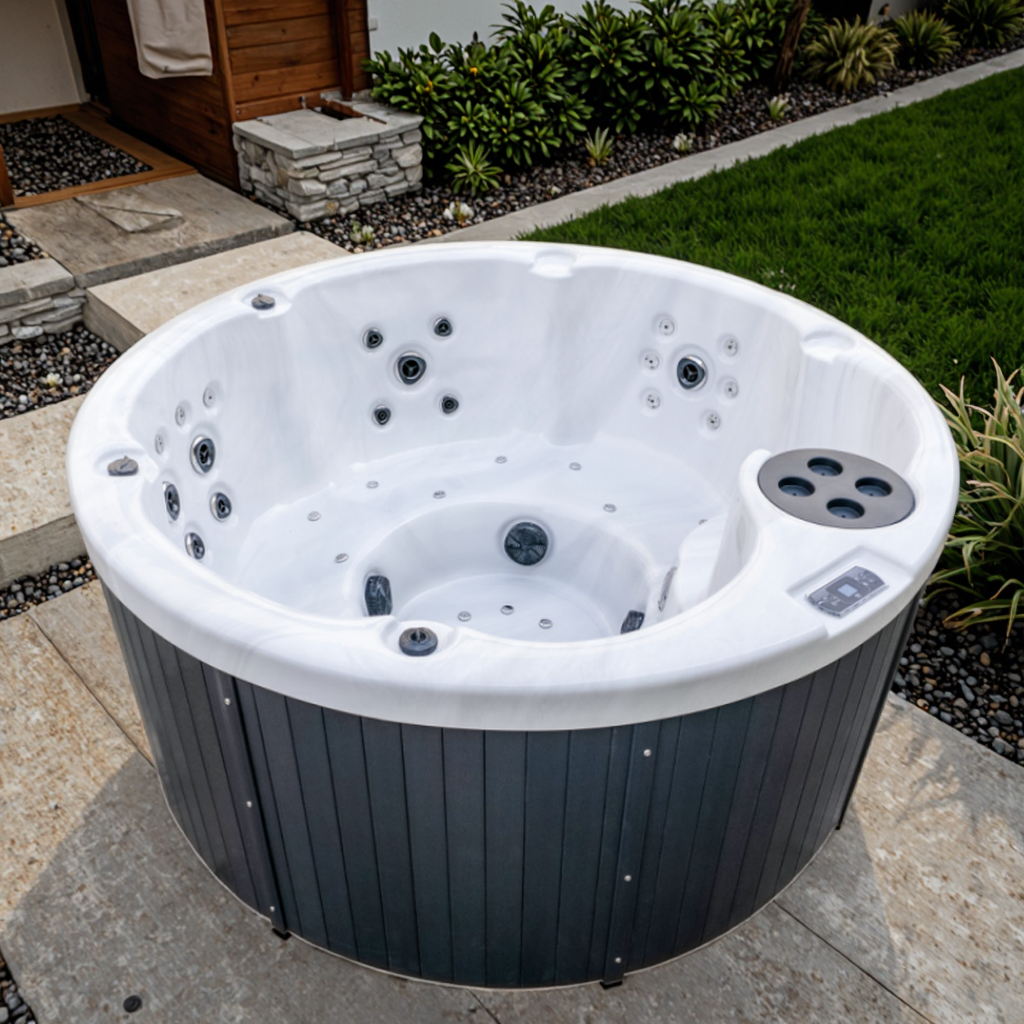
How can the long-term operating costs of an outdoor hot tub be reduced?
When purchasing an outdoor spa hot tub, many consumers focus solely on the purchase price while overlooking the total cost of ownership. In reality, long-term costs can be broken down as follows: purchase price + installation fees + electrical work + foundation preparation + shipping + water treatment supplies + filters + electricity costs + repair expenses.
An outdoor spa hot tub with a lower purchase price but poor insulation may result in higher energy consumption over time; additionally, an unreliable supply of parts—such as filters or controllers—can increase future maintenance costs. Therefore, when selecting an outdoor spa hot tub, consider a service life of at least 3–5 years. Especially in cold regions, prioritize insulation, freeze protection, heating efficiency, and the availability of spare parts rather than simply comparing the number of jets or the purchase price.
How should an outdoor hot tub be maintained?
Maintenance doesn't need to be overly complex, but it must be consistent. Before and after daily use, check the water's color, odor, and surface condition; regularly test pH and sanitizer levels; clean the filter according to the manufacturer's instructions; and troubleshoot promptly if you notice reduced water flow, increased foaming, or a distinct odor.
Households that use the tub frequently should increase the frequency of testing and cleaning. Periodic water changes and deep cleaning are also crucial, as continuous recirculation does not mean the same water can be used indefinitely.
The CDC recommends minimizing microbial risks in spa hot tubs through proper sanitization, water quality testing, filter maintenance, and regular cleaning.