


How do you disable "Economy Mode" on an outdoor hot tub?
2026-11-01 15:30"Economy Mode" on an outdoor whirlpool hot tub is designed to reduce energy consumption by adjusting heating schedules or temperature control logic. However, this can lead to issues such as slow water temperature increases or a failure to reach the target temperature in a timely manner. For residential users, as well as operators of hotels, vacation rentals, or outdoor spa facilities, knowing how to correctly switch between modes can improve operational efficiency and prevent unnecessary troubleshooting.
Because control panels, operating modes, and configuration methods vary by brand and model, you should first identify your specific controller and consult the product manual. Do not assume that a particular button combination works universally across all devices.
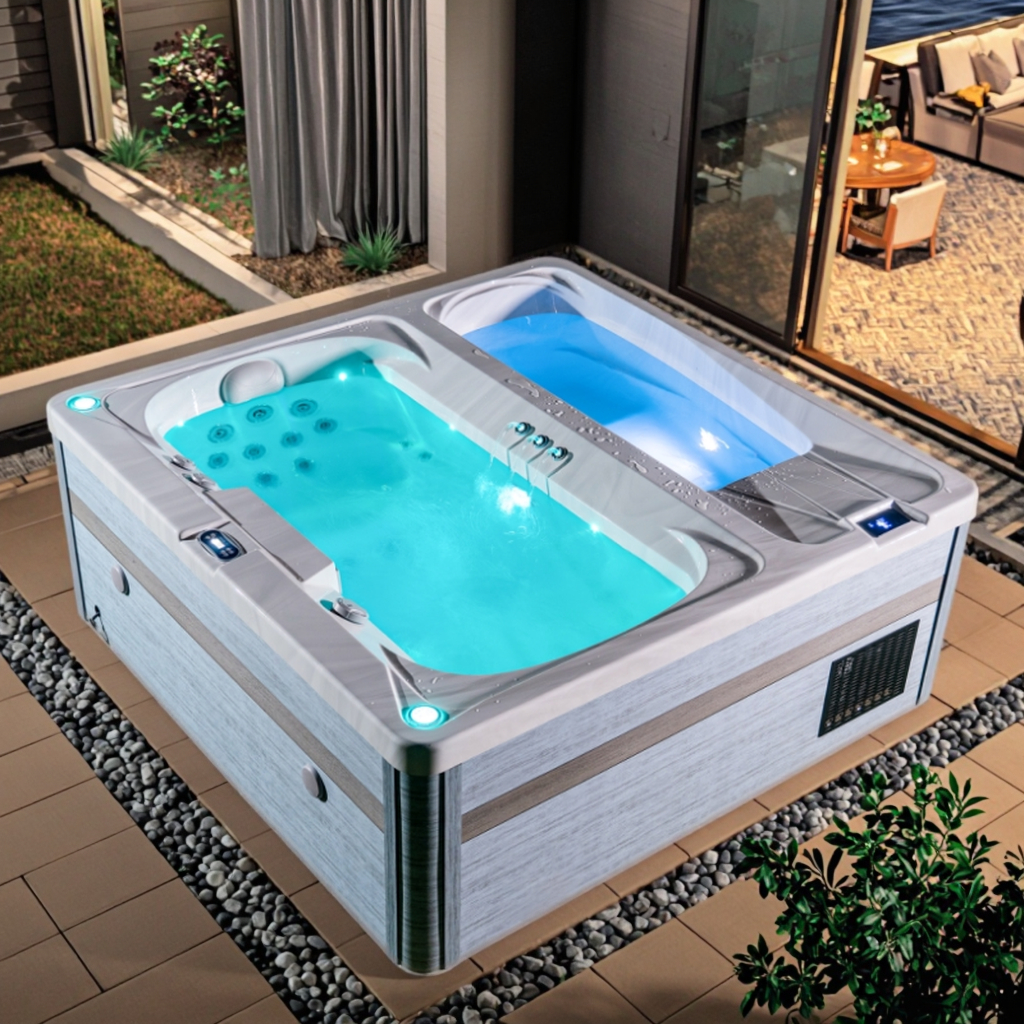
What is "Economy Mode" in an outdoor hot tub?
Outdoor hot tubs typically maintain water temperature using a heater, a circulation pump, a filtration system, and a thermostat. Since these units are installed outdoors, the water is affected by factors such as ambient temperature, wind speed, and the seal of the thermal cover; consequently, the system must continuously add heat to maintain the set temperature.
"Economy Mode" does not necessarily mean the heater stops completely. Instead, it reduces unnecessary energy consumption by limiting heating intervals, adjusting temperature control logic, or synchronizing heating with filtration cycles.
Common operating modes for outdoor whirlpool hot tubs include:
| Operating Mode | Main Function | Heating Behavior | Typical Application |
| Standard Mode | Maintains the set temperature | Heats according to temperature demand | Frequent daily use |
| Economy Mode | Reduces energy consumption | Heating may be limited to scheduled periods | Occasional use |
| Sleep Mode | Prioritizes energy saving | Allows a larger temperature drop, depending on the model | Extended periods without use |
| Scheduled Mode | Controls heating according to a timetable | Heating follows programmed settings | Hotels and regular-use facilities |
Definitions of these modes vary by manufacturer. Some control panels may display labels like "STD," "ECO," or "SLP," while others use terms such as "Ready" or "Rest." Always verify what these labels mean for your specific model before making adjustments.
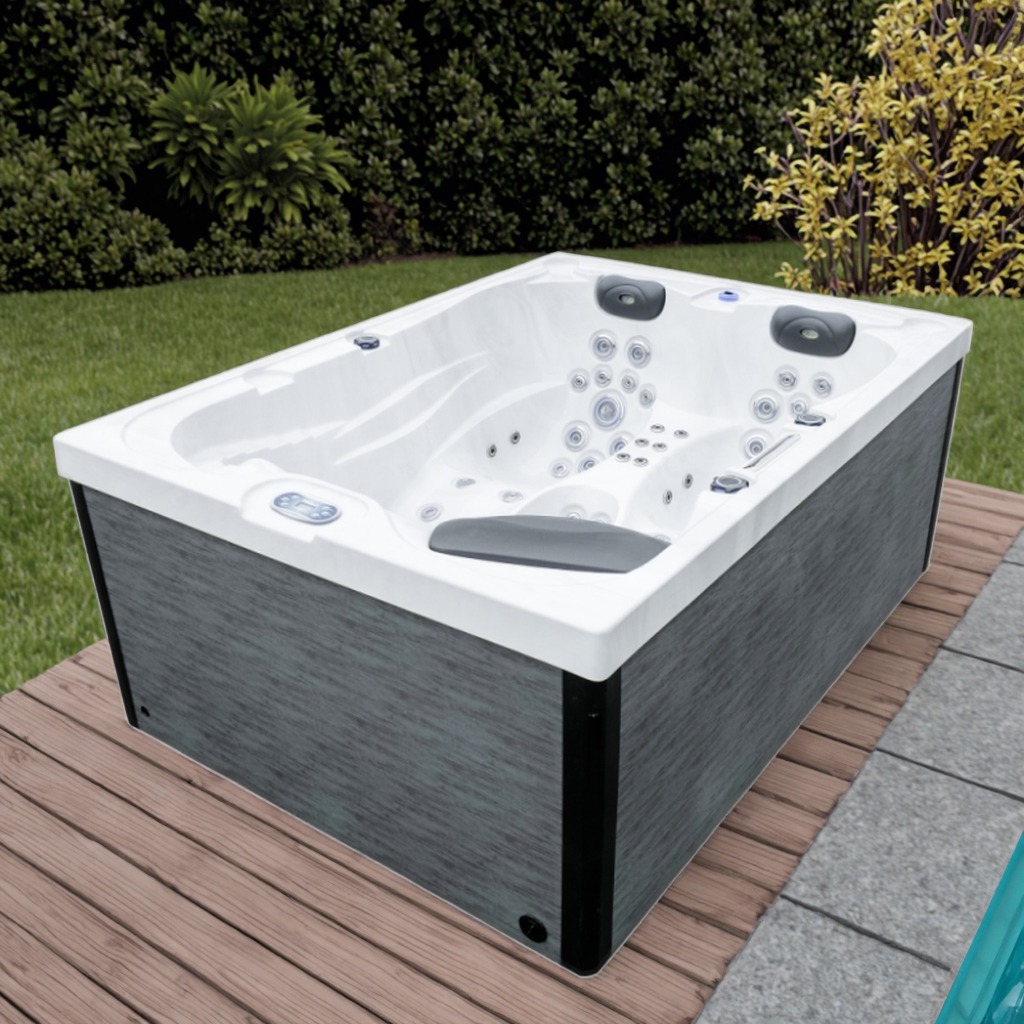
Why might you need to disable "Economy Mode" on an outdoor hot tub?
1. Slow water temperature rise
This is one of the most common issues encountered by whirlpool hot tub users. For example, if the current water temperature is 30°C and the target is 38°C, the tub may fail to reach the desired temperature in a reasonable amount of time if it is in "Economy Mode"—even if the heater itself is functioning perfectly. The theoretical heating requirement for a hot tub can be estimated using the following formula:
Required Heat (kWh) ≈ Water Volume (L) × Temperature Increase (°C) × 0.001163
For example, if a modern outdoor jacuzzi tub has a water capacity of 1,000 L and the temperature needs to be raised from 30°C to 38°C, it will theoretically require approximately 9.3 kWh of energy.
With an effective heating power of 3 kW, the ideal heating time would be about 3.1 hours. In practice, the actual time required to reach the target temperature will be influenced by factors such as heat loss to the environment, heating efficiency, and the equipment's operating logic. Consequently, "energy-saving" (eco) modes may result in longer wait times.
2. Lower Ambient Temperatures in Winter
During winter, an outdoor whirlpool hot tub must contend with a greater temperature differential between the water and the surrounding environment. For instance, if the water is at 38°C and the ambient temperature is 5°C, there is a 33°C difference, which places a higher demand on the tub’s thermal insulation and heating system.
If an energy-saving mode restricts heating to specific time windows, the water temperature may drop more significantly. Switching to "standard" mode allows the system to respond more promptly to heating demands; however, if the thermal cover is worn, the shell lacks sufficient insulation, or there is excessive heat loss through the plumbing, you may need to improve the unit's overall insulation.
3. Increased Frequency of Use
For households that use the whirlpool hot tub only once or twice a week, an energy-saving mode may be appropriate. However, for daily use—or in a hospitality setting where guests arrive in succession—a standard mode is generally better for maintaining a stable water temperature.
Therefore, it is not always necessary to keep energy-saving modes disabled; rather, settings should be adjusted flexibly based on usage frequency, weather conditions, and scheduled use times.
How to disable the energy-saving mode on an outdoor hot tub?
1. Switching modes via the control panel
For most outdoor whirlpool hot tubs equipped with mode-switching functions, you can follow these steps:
1). Ensure the control panel is powered on and that no error codes are displayed on the screen.
2). Locate buttons or menu options labeled "Mode," "Program," "Settings," or "Heat Mode."
3). Check whether the current setting is displayed as "ECO," "EC," "ECN," "Sleep," or a similar indicator. 4). Follow the on-screen prompts and use the up/down or confirm/enter keys to select "Standard," "STD," or the specific "normal" heating mode designated in your user manual.
5). Confirm your settings and exit the menu, then verify that the operating mode shown on the main screen has been updated.
Please note that terms like "Ready" or "Rest" may represent different temperature-control states depending on the specific control system; do not rely solely on the name to determine whether the unit has exited energy-saving mode.
2. Some units require a long press of a button
Certain outdoor whirlpool hot tubs use traditional control panels that require you to press and hold a specific button to access the programming menu, after which you can navigate to the mode settings.
For example, some control systems may require you to press and hold the "Light" or "Program" button for about 5 seconds before you can select an operating mode via the menu. This procedure is specific to certain models and cannot be applied universally to all equipment.
If you are unsure about the function of a button, consult your product manual first to avoid accidentally altering filtration cycles, temperature units, or other operational parameters.
3. Switching via touchscreen or mobile app
Some smart outdoor whirlpool hot tubs can be controlled via a touchscreen or a mobile app. You may want to navigate to the following menu path:
Settings → Heating (or Heat Mode) → Standard
Menu paths may vary by product. Once you have made the change, check whether a separate heating schedule has been set, as programmed timers may continue to affect the unit's operation.
If the mobile app indicates that the mode has been changed successfully, but the control panel still shows an energy-saving mode, verify that the app has fully synchronized with the device and confirm that your specific model supports remote modification of operating modes.
4. Common mode labels and operational references
| Display or Control | Possible Action | Important Note |
| MODE / PROGRAM | Open the mode menu and select Standard | Follow the owner's manual |
| ECO / EC / ECN | Locate the heating mode setting | Labels vary by manufacturer |
| EP 1 / EP 0 | Check whether the controller uses these codes for heating modes | Do not assume identical definitions |
| REST / READY | Select the appropriate heating state | Confirm the model-specific meaning |
| Touchscreen | Open Settings or Heat Mode | Check separate schedules |
| Mobile App | Change the heating mode and verify synchronization | Requires compatible equipment |
The above information serves as a general guide for common control methods and does not constitute a universal standard. If your controller lacks a clear option for switching modes, please contact the manufacturer or a technical support representative for clarification.
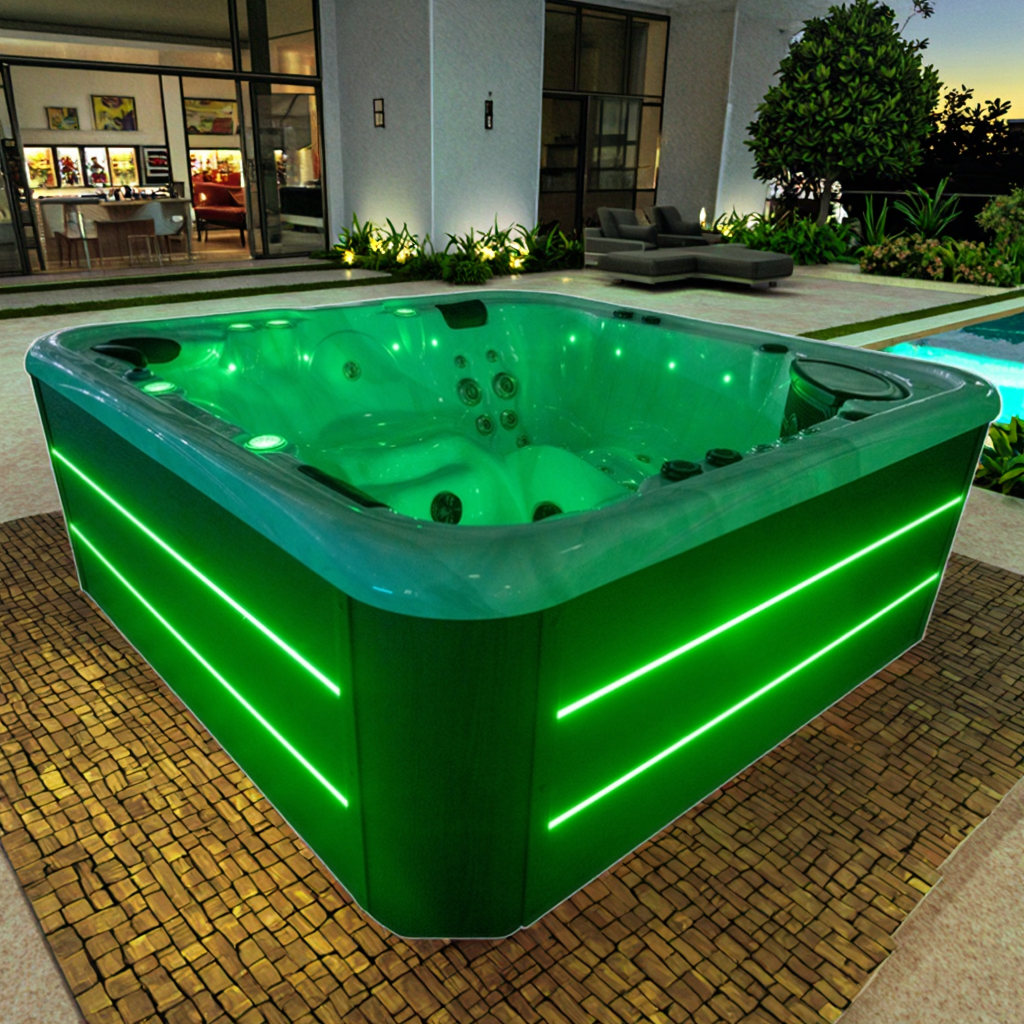
Why does the outdoor hot tub still fail to heat up after exiting energy-saving mode?
If the water temperature does not rise significantly after exiting energy-saving mode, check the following:
First, verify the target temperature. Ensure that the set temperature is higher than the current water temperature, and double-check the temperature scale (Celsius vs. Fahrenheit). For instance, 38°C is approximately equal to 100.4°F. Incorrect temperature units can lead users to misjudge the status of the equipment.
Second, check whether the heater has activated. After switching modes, the control system may need to assess the water temperature and circulation status before deciding whether to engage the heater. If there are no error alerts, refer to the user manual and wait for a period before checking again.
Third, inspect the water circulation system. Insufficient water levels, a clogged filter, abnormal circulation flow, or an airlock in the plumbing can all interfere with heater operation. Some units are designed to automatically stop heating if they detect low flow or a risk of overheating. In such cases, prioritize troubleshooting the circulation system rather than repeatedly toggling between modes.
Fourth, check the timer settings. Some outdoor whirlpool hot tubs feature independent filtration cycles, nighttime operating schedules, or smart energy management programs. These settings can influence the actual operating time of the unit, regardless of the selected heating mode.
Fifth, check for error codes. If the control panel displays alerts for a heater malfunction, sensor anomaly, or low flow, follow the manufacturer’s troubleshooting guide. Any repairs involving electrical systems, the heater, or the control board should be performed by a qualified technician.
How can you balance comfort and energy efficiency in an outdoor hot tub?
While exiting energy-saving mode allows for a faster heating response, the "standard" mode is not necessarily the most economical choice. A well-planned operating schedule is the key to balancing comfort with energy costs.
1. Choose a mode based on usage frequency
If you use your modern outdoor jacuzzi tub daily, the standard mode is generally the best choice. If the unit remains idle for long periods, you may opt for an "economy" mode—as described in the user manual—and schedule the heating to begin in advance.
For example, if you plan to use the tub at 7:00 PM (19:00), you can initiate heating early—factoring in the unit’s actual heating rate—to ensure the water is at the desired temperature when you are ready to use it.
2. Keep the thermal cover securely sealed
A thermal cover helps minimize water evaporation and heat loss. Always replace the cover promptly after use, and periodically inspect it for warping or degradation of the sealing strips.
If your whirlpool hot tub requires frequent heating yet the water temperature still drops rapidly, investigate the condition of the thermal cover, the cabinet insulation, and the plumbing, rather than simply relying on the standard mode to compensate.
3. Setting the Water Temperature Appropriately
Many outdoor whirlpool hot tubs are typically operated at temperatures between 37°C and 40°C (98.6°F–104°F), though users should always follow the manufacturer’s recommendations and consider their own specific needs. The U.S. Consumer Product Safety Commission (CPSC) advises that hot tub water temperatures should not exceed 104°F (40°C).
Users should not arbitrarily increase the set temperature in an attempt to shorten the time required for the water to heat up. A higher target temperature requires more heat energy and also increases the risk of scalding.
4. Regular Filter Cleaning
A clogged filter can impede water circulation, which may cause some systems to restrict heating. Users should clean or replace filters according to the manufacturer’s guidelines and ensure that the water level remains within the specified range.
It is important to distinguish between filtration cycles and heating modes. Even if a modern outdoor jacuzzi tub is set to "standard" mode, it may still fail to heat properly if there is an issue with the circulation system.
What Should Outdoor Hot Tub Manufacturers Consider?
For manufacturers of modern outdoor jacuzzi tubs, the ease of use of energy-saving modes directly impacts the user experience and the costs associated with after-sales support.
First, the control panel should clearly differentiate between standard, energy-saving, and sleep modes, providing distinct status indicators. Second, product manuals should offer precise operating instructions, explanations of error codes, and solutions to common issues for each specific controller.
For OEM and ODM products, manufacturers must ensure consistency across control panels, product labels, manuals, and after-sales documentation to prevent user errors that might arise from variations in control systems between different production batches.
Furthermore, the product’s insulation structure, circulation efficiency, and temperature control accuracy are equally critical. Optimizing these design elements helps reduce unnecessary heating demands and improves the performance of the hot tub across various climatic conditions.
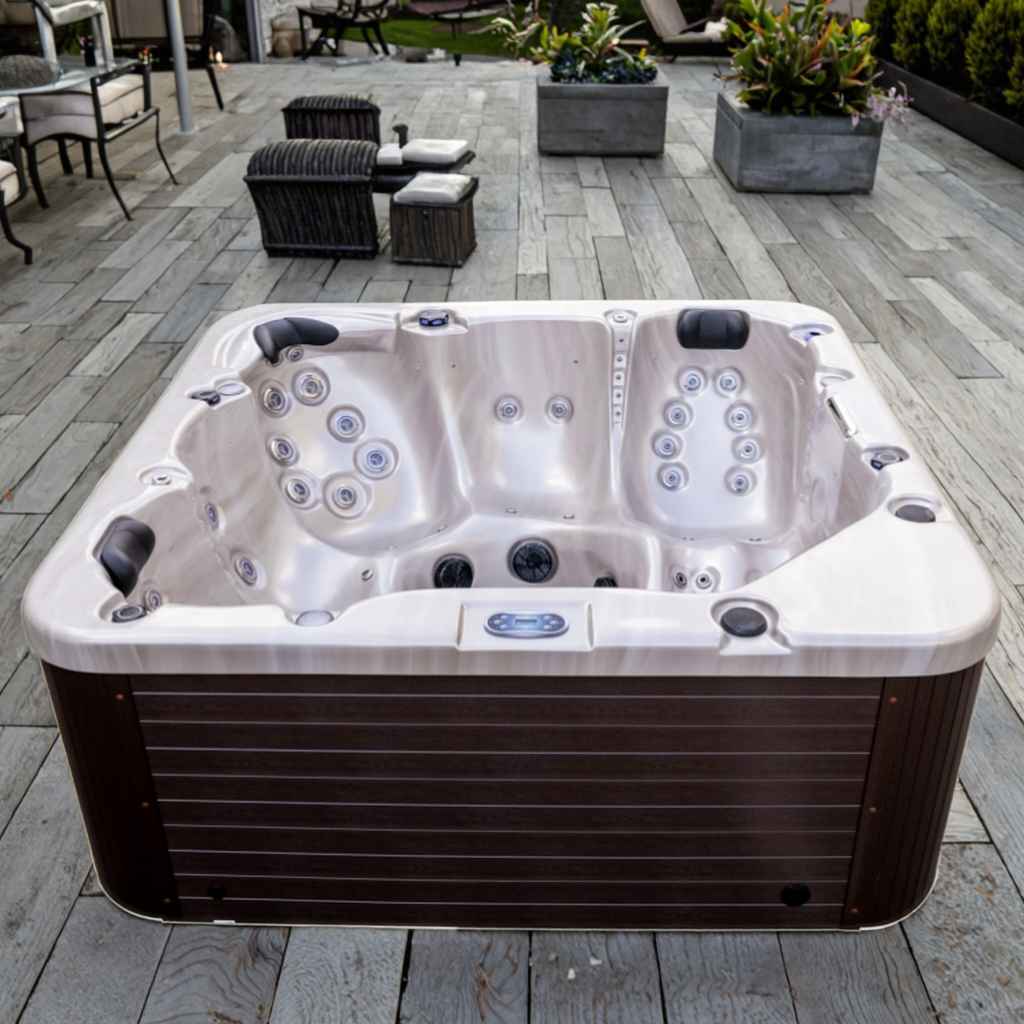
Frequently Asked Questions (FAQ)
Q1: How long does it take for a modern outdoor jacuzzi tub to heat up after exiting an energy-saving mode?
While a mode change may take effect almost immediately, the actual time required to heat the water depends on the volume of water, the heating capacity, the current water temperature, and the ambient temperature. For example, raising the temperature of 1,000 liters of water by 8°C requires a theoretical energy input of approximately 9.3 kWh; in practice, the actual time taken will typically be longer.
Q2: Why does my outdoor whirlpool hot tub show "ECO" mode, yet it still heats up occasionally?
Some units allow heating to occur during filtration cycles; "ECO" (economy) mode does not necessarily mean that heating is completely disabled. Please refer to the user manual for your specific model to understand its exact operating logic.
Q3: Will "Standard" mode significantly increase my electricity bill?
Not necessarily. Energy consumption depends on factors such as ambient temperature, the target water temperature, frequency of use, and the unit's insulation performance. While "Standard" mode may allow the system to replenish heat more promptly, this does not mean the heater is constantly running at maximum power.
Q4: Should I disable "ECO" mode during the winter?
If you use the hot tub frequently during the winter, "Standard" mode may be more effective at maintaining the water temperature. However, in cold climates, you must also ensure proper freeze protection and pipe insulation; simply switching modes is not a comprehensive solution for dealing with low temperatures.
Q5: What should I do if I cannot find the button to switch modes?
Identify your whirlpool hot tub's brand, model, and controller type, then consult the corresponding user manual. Do not attempt to use button combinations intended for other brands, and avoid repeatedly cutting the power and restarting the unit as a substitute for proper troubleshooting.