


Does a Spa Hot Tub Raise Blood Pressure?
2026-04-21 15:30As more and more people use spa hot tubs at home and in leisure settings, the question of their health effects is gaining increasing attention. One frequently asked but often misunderstood question is, "Does a spa hot tub raise blood pressure?"
To accurately answer this question, a simple "yes" or "no" isn't enough. A systematic analysis from multiple perspectives, including human physiological responses, water temperature changes, and vascular regulation mechanisms, is needed.
This article will professionally, deeply, and logically explain the relationship between whirlpool spa hot tubs and blood pressure, helping you build a scientific understanding.
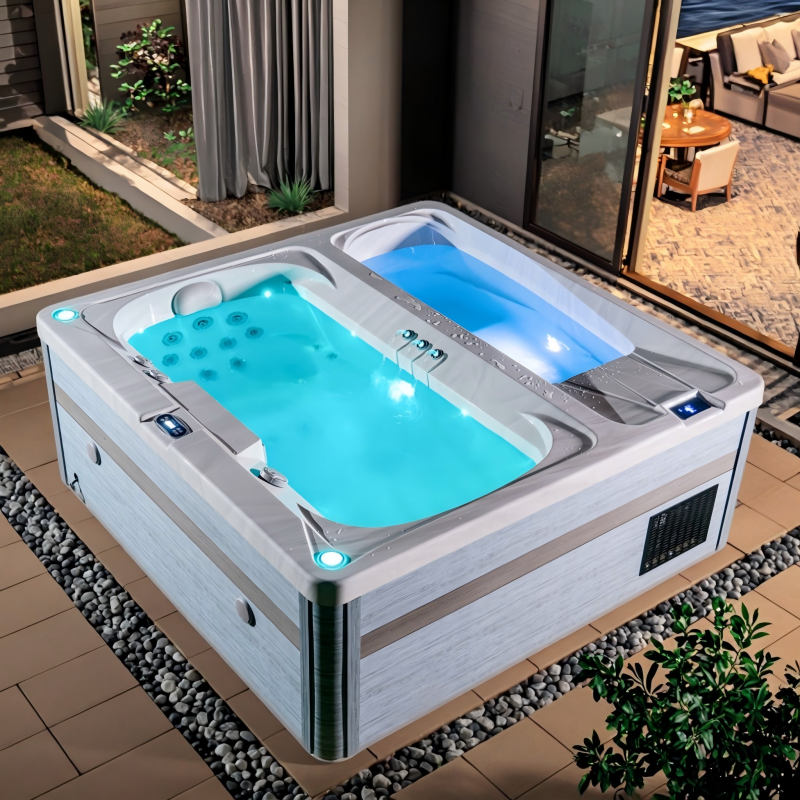
What is blood pressure? Why is it so easily affected by external factors?
Blood pressure is essentially the pressure exerted by blood on the walls of blood vessels. It's not a constant value but fluctuates with various factors, such as:
• Changes in ambient temperature
• Changes in body posture
• Emotional and psychological state
• Exercise or rest
When discussing whether a whirlpool spa hot tub raises blood pressure, the core issue is whether the hot water environment causes significant changes in the blood vessels and circulatory system.
What effect does the "heat" of a spa hot tub have on the human body?
A key characteristic of spa hot tubs is their high water temperature. When the human body enters a warm water environment, a series of natural physiological responses occur:
• Skin blood vessels dilate
• Peripheral circulation increases
• Heart rate may change slightly
• The body enters a relaxed state
These responses are not abnormal, but rather the body's normal regulatory mechanisms in response to heat stimulation. Understanding this is crucial for determining whether a spa hot tub raises blood pressure.

Does a spa hot tub really raise blood pressure?
From a physiological perspective, a whirlpool spa hot tub itself is not a direct factor in "raising blood pressure."
The reasons are:
• A warm environment usually leads to vasodilation
• Vasodilation actually helps reduce vascular resistance
• In a relaxed state, the body is more likely to enter a parasympathetic nervous system-dominated state
Therefore, in most cases, a whirlpool spa hot tub does not lead to a sustained increase in blood pressure.
However, it is important to emphasize that changes in blood pressure are dynamic, transient, and vary significantly from person to person.
Why do some people feel their heart rate increase in a spa hot tub?
This is an easily misunderstood question.
Upon entering a spa hot tub, some people may experience:
• Changes in heart rate
• Noticeable body heat
• Slightly faster breathing
These sensations do not equate to increased blood pressure, but are more related to the following factors:
• Hot water accelerates blood circulation
• The heart temporarily adjusts to adapt to changes in blood flow distribution
• The body's thermoregulation system is activated
Changes in sensation ≠ abnormal blood pressure; this is crucial in understanding the effects of a whirlpool spa hot tub.
How important is water temperature in a spa hot tub to blood pressure?
Water temperature is one of the core variables affecting the body's response.
In a whirlpool spa hot tub:
• The body relaxes more easily at a moderate temperature
• Excessively high water temperature significantly increases the burden on the body
• Prolonged soaking in high temperatures increases the stress on cardiovascular regulation
Therefore, discussing whether a whirlpool spa hot tub raises blood pressure requires a rational understanding of water temperature control.
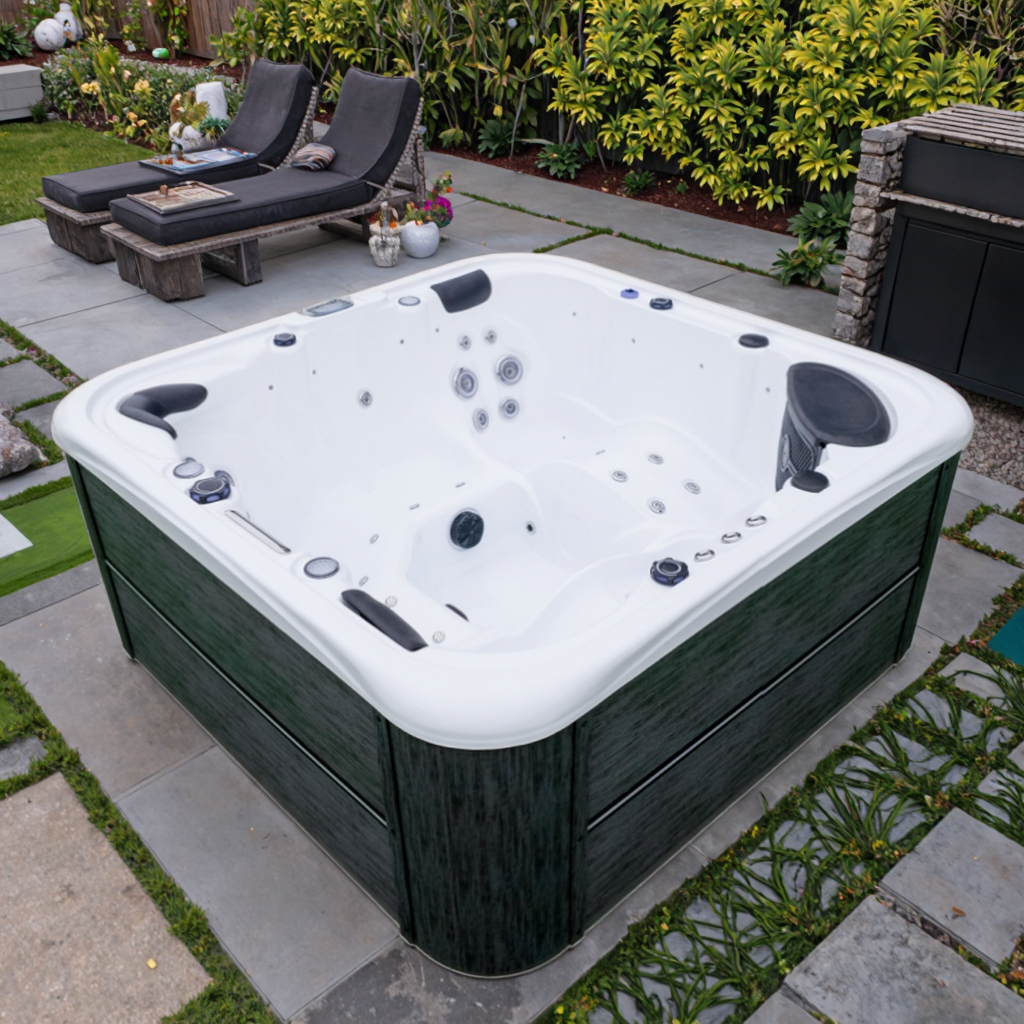
Does prolonged soaking in a spa hot tub affect blood pressure stability?
The time factor is equally important.
Even though a hot tub itself doesn't directly cause a rise in blood pressure, if:
• Soaking time is too long
• No hydration is replenished during the session
• Continue soaking despite noticeable discomfort
Then the body's circulatory system may experience additional stress, leading to short-term fluctuations in blood pressure.
This isn't a "dangerous" aspect of hot tubs, but rather a physiological phenomenon that needs to be considered in any hot environment.
What's the difference between blood pressure fluctuations and "raised blood pressure"?
This is a concept many people confuse.
• Blood pressure fluctuations: Short-term fluctuations, a normal physiological phenomenon
• Raised blood pressure: A persistent, abnormally high level of blood pressure
What occurs in a hot tub is more of a temporary blood pressure regulation response, rather than a true increase in blood pressure.
Understanding this helps alleviate excessive worry about hot tubs.
What factors might cause discomfort in a hot tub?
If someone experiences significant discomfort in a whirlpool spa hot tub, it's usually related to the following factors:
• Inappropriate water temperature setting
• Excessive soaking time
• Poor physical condition
• Lack of understanding of one's own tolerance
These factors don't mean the whirlpool spa hot tub itself raises blood pressure, but rather indicate that the usage method needs adjustment.
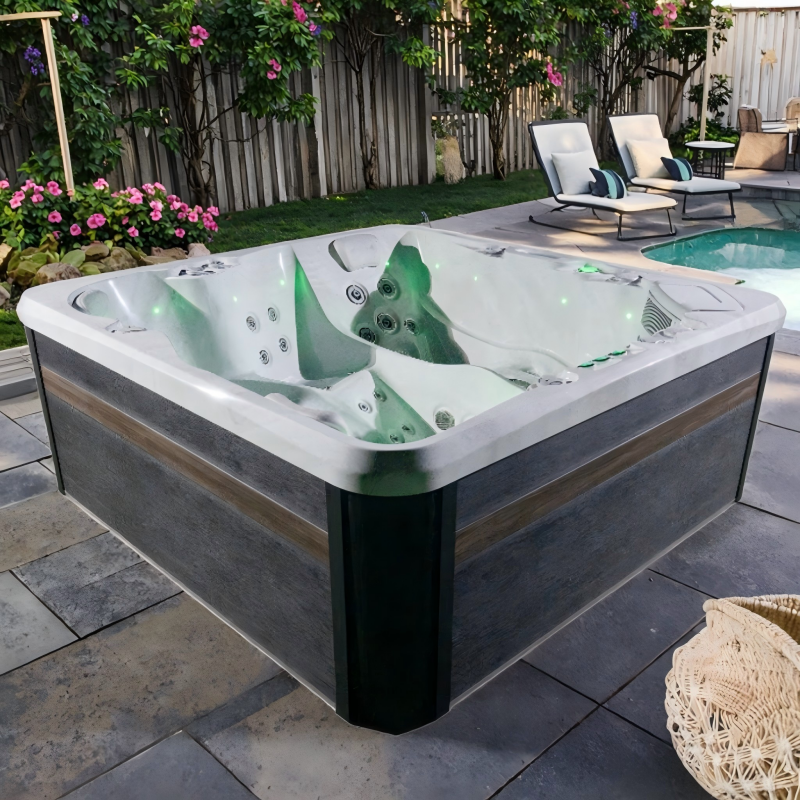
How to use a spa hot tub more safely and reduce blood pressure fluctuations?
Using a spa hot tub scientifically is key to avoiding any adverse reactions. General principles include:
• Controlling the appropriate water temperature range
• Properly scheduling soaking time
• Avoiding use when extremely fatigued or dehydrated
• Moving slowly when entering and leaving the whirlpool spa hot tub
These practices help the body adapt smoothly to the hot water environment, reducing sudden changes in blood pressure and heart rate.
Why is it said that a spa hot tub is more likely to make people "relax" rather than "tense"?
From a neurological perspective, a spa hot tub typically:
• Reduces muscle tension
• Relieves psychological stress
• Promotes relaxation responses
Long-term tension and stress are precisely one of the important factors affecting blood pressure stability. Therefore, from a holistic perspective, spa hot tubs are more likely to promote relaxation than induce a rise in blood pressure.
How should we rationally view the relationship between spa hot tubs and blood pressure?
A rational view of this issue requires avoiding two extremes:
• Believing that a whirlpool spa hot tub will definitely raise blood pressure
• Or completely ignoring one's own body's reactions
The correct attitude is: understand the principles, respect your body, and use it appropriately.
Does a spa hot tub raise blood pressure?
Clear and scientific conclusions can be drawn:
• The whirlpool spa hot tub itself is not a direct cause of increased blood pressure.
• A hot water environment usually causes vasodilation, not a sustained increase in blood pressure.
• Individuals may experience temporary physiological fluctuations, but this is not equivalent to abnormal blood pressure.
• Properly controlling water temperature and usage time helps maintain a stable bodily state.
The key is not whether a whirlpool spa hot tub raises blood pressure, but whether it is used scientifically and rationally.
What is your production capacity and factory scale?
Our factory covers an area of 45,000 square meters and employs over 200 skilled workers along with more than 20 experienced experts. This strong manufacturing capacity allows us to supply large-volume orders efficiently while maintaining high quality standards. As a leading spa manufacturer, we support wholesale purchasing and bulk orders with stable lead times. Our company ensures consistent production output, making us a dependable supplier for global distributors and brands.