


Can high chlorine levels cause outdoor hot tub water to become cloudy?
2026-10-07 15:30For jacuzzi outdoor spa tub users, maintaining clear, transparent water is a primary goal of routine maintenance. However, many users encounter a common issue: despite adding the required amount of chlorine—or even increasing the dosage to ensure hygiene—the water fails to clear up. Instead, it may turn milky or cloudy, develop floating debris, or even emit a strong, irritating odor.
So, do high chlorine levels actually cause jacuzzi outdoor spa tub water to become cloudy? The answer isn't a simple "yes" or "no." From a professional water treatment perspective, high chlorine levels do not directly generate large amounts of turbidity. However, long-term overuse of chlorine disrupts the hot tub's overall water chemistry balance, increasing the likelihood of forming chloramines, organic oxides, and other chemical byproducts. It can also lead to issues such as pH fluctuations and increased strain on the filtration system, ultimately degrading water quality. Therefore, cloudy water is usually the result of multiple interacting factors, with chlorine imbalance being just one significant contributor.
Understanding the relationship between chlorine and water quality is crucial for homeowners, operators of hotels and vacation rentals, and outdoor spa managers. Many water quality issues stem not from a lack of disinfectant, but from a lack of scientific testing and systematic maintenance. The following sections provide a detailed analysis covering the water quality characteristics of jacuzzi outdoor spa tubs, the mechanisms by which chlorine levels affect water, common industry challenges, and potential solutions.
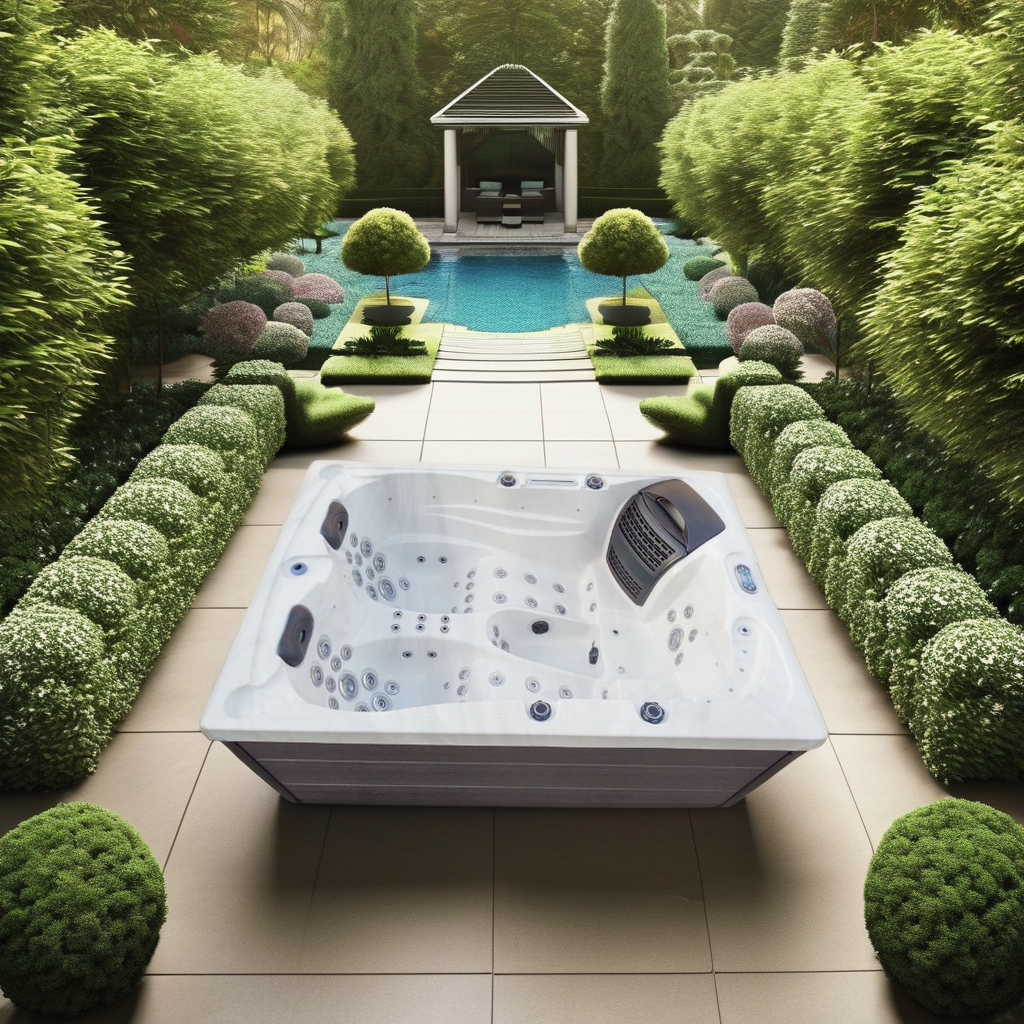
Why are outdoor hot tubs more prone to cloudy water than standard swimming pools?
The key difference between an outdoor jetted tub and a standard swimming pool lies in the nature of the water environment: hot tubs are characterized by low volume, high temperatures, and a high pollution load. A residential modern jacuzzi outdoor typically holds between 800 and 2,000 liters of water, whereas a swimming pool may contain tens of thousands of liters or more. When the same number of people enter the water, the concentration of contaminants is significantly higher in a hot tub.
For instance, in a 1,000-liter outdoor hot tub, if three or four people soak for 30 minutes, substances such as sweat, sebum, skincare products, sunscreen residue, and other organic matter are released into the water. Since hot tubs typically operate at temperatures between 37°C and 40°C, the heat accelerates bacterial proliferation and speeds up the chemical reactions between organic matter and disinfectants.
Consequently, outdoor hot tubs require more meticulous water quality management than standard swimming pools. When the water becomes cloudy, the cause could be a microbial surge due to insufficient disinfection, a disruption of chemical balance caused by excessive disinfectant, or the filtration system's inability to promptly remove suspended particles.
Common factors contributing to cloudy water in jacuzzi outdoor spa tubs include:
First, excessive organic contaminants from the human body. Substances such as urea, amino acids, and oils found in sweat consume chlorine, thereby reducing effective disinfection capacity and generating byproducts like chloramines.
Second, pH levels deviating from the normal range. When water acidity or alkalinity is unstable, chlorine's disinfection efficiency drops; additionally, mineral precipitation may occur, resulting in a milky or white cloudiness.
Third, insufficient filtration system efficiency. If the hot tub's filter cartridge is not cleaned regularly, oils, dust, and fine particles can clog it, impairing circulation and filtration performance.
Fourth, failure to change the water over an extended period. As Total Dissolved Solids (TDS) accumulate, water quality can gradually deteriorate even if chemical parameters appear normal.
Therefore, when diagnosing the cause of cloudy water in a jacuzzi outdoor spa tub, one should not focus solely on chlorine levels but rather conduct a comprehensive analysis of the entire water treatment system.
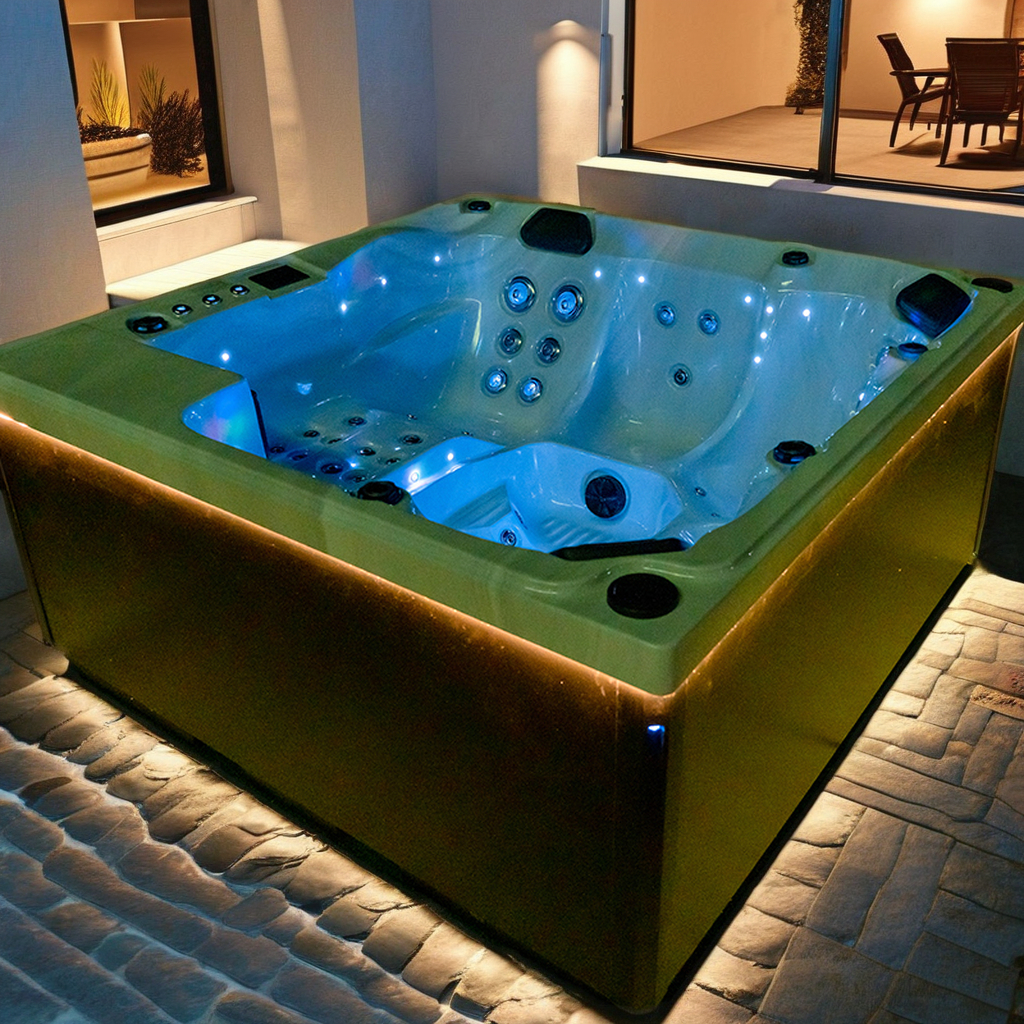
Why can excessive chlorine levels cause cloudy water in outdoor jetted tubs?
Outdoor hot tubs typically use chlorine or bromine as their primary disinfectant; chlorine is widely adopted by residential users due to its lower cost and high disinfection efficiency. Under normal conditions, free chlorine effectively kills bacteria and oxidizes contaminants, maintaining sanitary water quality.
However, if users consistently add excessive amounts of chlorine, the water's chemical balance may be compromised.
First, excessive chlorine increases the risk of chloramine formation. Many people mistakenly believe that a strong "chlorine smell" indicates clean water; in reality, that pungent odor often stems from chloramines—compounds produced when chlorine reacts with substances like sweat and urea. Chloramines not only affect the water's comfort but can also reduce its clarity. For instance, in a frequently used modern jacuzzi outdoor tub, if users repeatedly add chlorine without promptly removing organic matter introduced by bathers, the chlorine continuously engages in oxidation reactions, resulting in high levels of combined chlorine. This can lead to issues such as slightly cloudy water, increased foaming, and stronger odors.
Furthermore, excessive chlorine levels can increase pressure on the filtration system. Filters in jacuzzi outdoor spa tubs are primarily designed to remove suspended particles; however, when large amounts of organic matter are oxidized by chlorine, fine particles are formed. If the volume of these particles exceeds the filter cartridge's capacity, the water may remain persistently cloudy.
Additionally, abnormal chlorine levels are often accompanied by imbalances in other parameters. For example, some users might add a large amount of sanitizer at once to quickly improve water quality but neglect to check the pH level. When the pH exceeds 7.8, calcium ions in the water are more likely to form calcium carbonate precipitates, manifesting as white cloudiness; conversely, if the pH is too low, it can cause equipment corrosion and skin irritation.
Therefore, when modern jacuzzi outdoor tub water becomes cloudy and chlorine levels are found to be high, it is usually necessary to check pH, total alkalinity, calcium hardness, and the filtration system's status, rather than simply lowering the chlorine concentration.
Common Pain Points in Outdoor Hot Tub Water Quality Management
Currently, the most common issue in the outdoor jetted tub industry is a lack of awareness among consumers regarding systematic water quality management. Many users focus solely on heating functions, massage features, and aesthetic design after purchasing the unit, while overlooking the importance of ongoing water treatment.
The first pain point is "dosing based on guesswork."
Many users lack the habit of testing water quality, instead judging whether to add chlorine based on the water's color or odor. For instance, they might immediately add sanitizer upon seeing slight cloudiness. In reality, however, cloudiness can stem from pH imbalances, filter contamination, or mineral deposits; in such cases, adding more chlorine not only fails to solve the problem but can actually complicate water quality issues further.
The second pain point is overlooking contamination from the outdoor environment.
Outdoor hot tubs installed in courtyards, on terraces, or in gardens are exposed to dust, pollen, leaves, rainwater, and airborne pollutants. If the thermal cover is not used consistently, the rate at which contaminants enter the water increases significantly.
The third pain point is inadequate filter maintenance.
Many users assume that as long as the water pump is running normally, the filtration system is fine. In reality, however, modern jacuzzi outdoor filter cartridges are consumable parts that require regular maintenance. Filters left uncleaned for long periods can become clogged with body oils, sunscreen products, and fine debris, leading to reduced water circulation.
A fourth common issue is neglecting water age management.
A jacuzzi outdoor spa tub does not operate on an infinitely recirculating system. Over time, Total Dissolved Solids (TDS), minerals, and chemical byproducts accumulate in the water. Once the water reaches the end of its usable lifespan, simply adding more chemicals can only temporarily mask surface-level issues; it cannot restore the water to an optimal state.
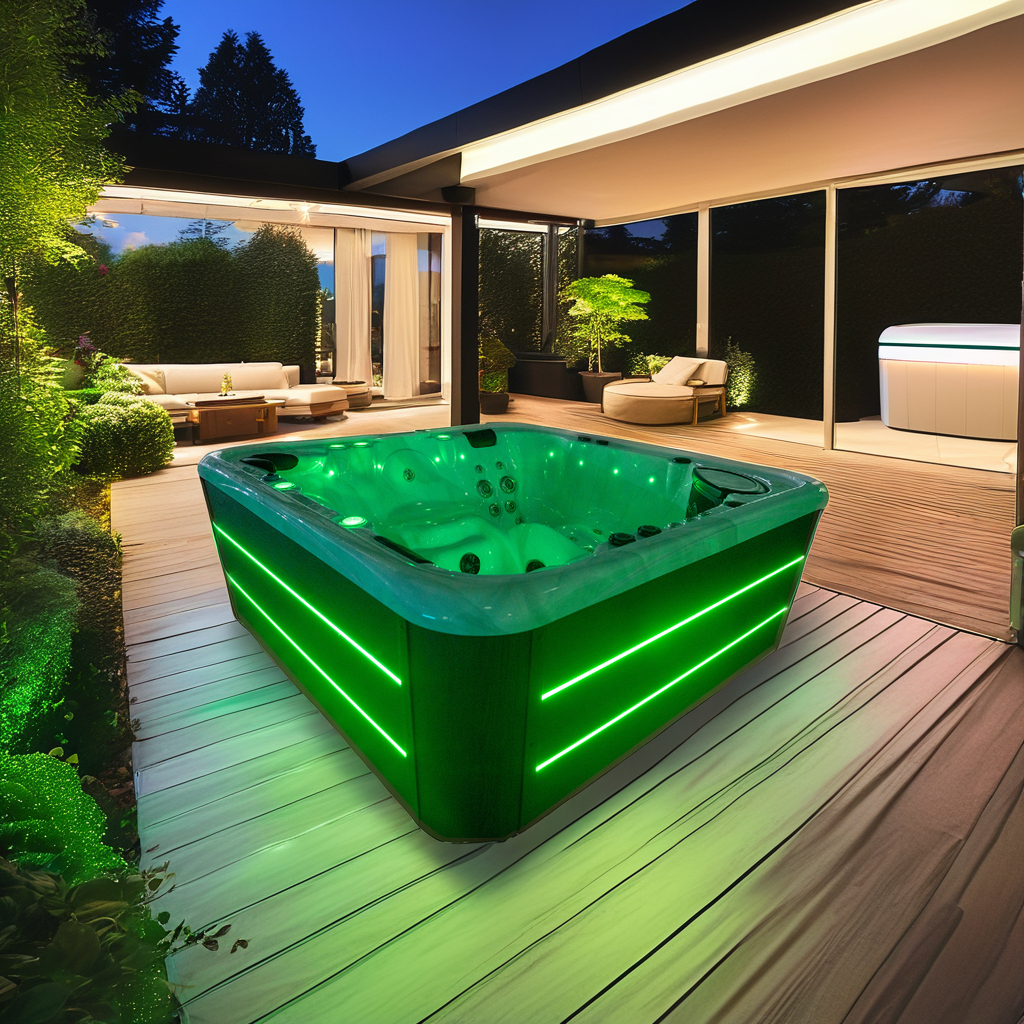
How can you determine if cloudy water in your outdoor jetted tub is related to chlorine levels?
The first step in resolving water quality issues is accurate testing, rather than immediately adding more products.
For typical residential modern jacuzzi outdoors, it is recommended to regularly monitor the following parameters:
Free Chlorine: Generally, this should be maintained between 3 and 5 ppm, though requirements may vary by equipment brand. Levels consistently below 1 ppm indicate insufficient sanitization, while levels consistently above 5–10 ppm suggest over-dosing.
pH Level: Ideally, this should be kept between 7.2 and 7.8, with the 7.4–7.6 range generally considered the most comfortable. High pH reduces chlorine efficiency and increases the risk of scale buildup and cloudiness; low pH can negatively impact the lifespan of the equipment.
Total Alkalinity: It is generally recommended to maintain levels between 80 and 120 ppm. Total alkalinity determines the water's ability to resist pH fluctuations; if it is too low, the pH becomes unstable, whereas if it is too high, adjusting the water quality becomes difficult.
Calcium Hardness: This should typically be kept between 150 and 250 ppm, though you should consult the equipment manufacturer's specific guidelines. Excessive calcium hardness often leads to scale formation and white deposits.
By monitoring these parameters, you can determine whether the cloudiness is caused by excessive chlorine or other water quality issues.
Professional Solutions for Cloudy Outdoor Hot Tub Water
If you notice the water quality in your jacuzzi outdoor spa tub deteriorating, the correct approach is a process of "Test – Adjust – Filter – Maintain," rather than simply adding more chemicals.
First, stop adding chlorine and test the current water quality parameters. If chlorine levels are significantly high, the concentration can be reduced by stopping dosage, activating the circulation system, and ensuring proper ventilation.
Secondly, adjust pH and alkalinity. Many water quality issues actually stem from imbalances in pH and alkalinity. For instance, if the water appears cloudy white and the pH exceeds 7.8, the priority should be adjusting the pH rather than adding more disinfectant.
Thirdly, enhance filtration and circulation. In cases of mild cloudiness, clean the filter cartridge and extend the filtration duration. For standard residential outdoor jetted tubs, a specific daily circulation time is recommended; increase the filtration runtime during periods of heavy use.
Fourthly, perform shock treatment when necessary. If the water contains high levels of organic contaminants, has a noticeable odor, or exhibits an abnormal rate of chlorine depletion, use shock oxidation to rapidly break down contaminants before readjusting water quality.
Fifthly, regularly change the water and clean the plumbing. Generally, it is recommended to change the water in residential modern jacuzzi outdoor tubs every 3 to 6 months, depending on usage frequency. High-usage settings—such as vacation rentals, hotels, or commercial spas—require more frequent maintenance.
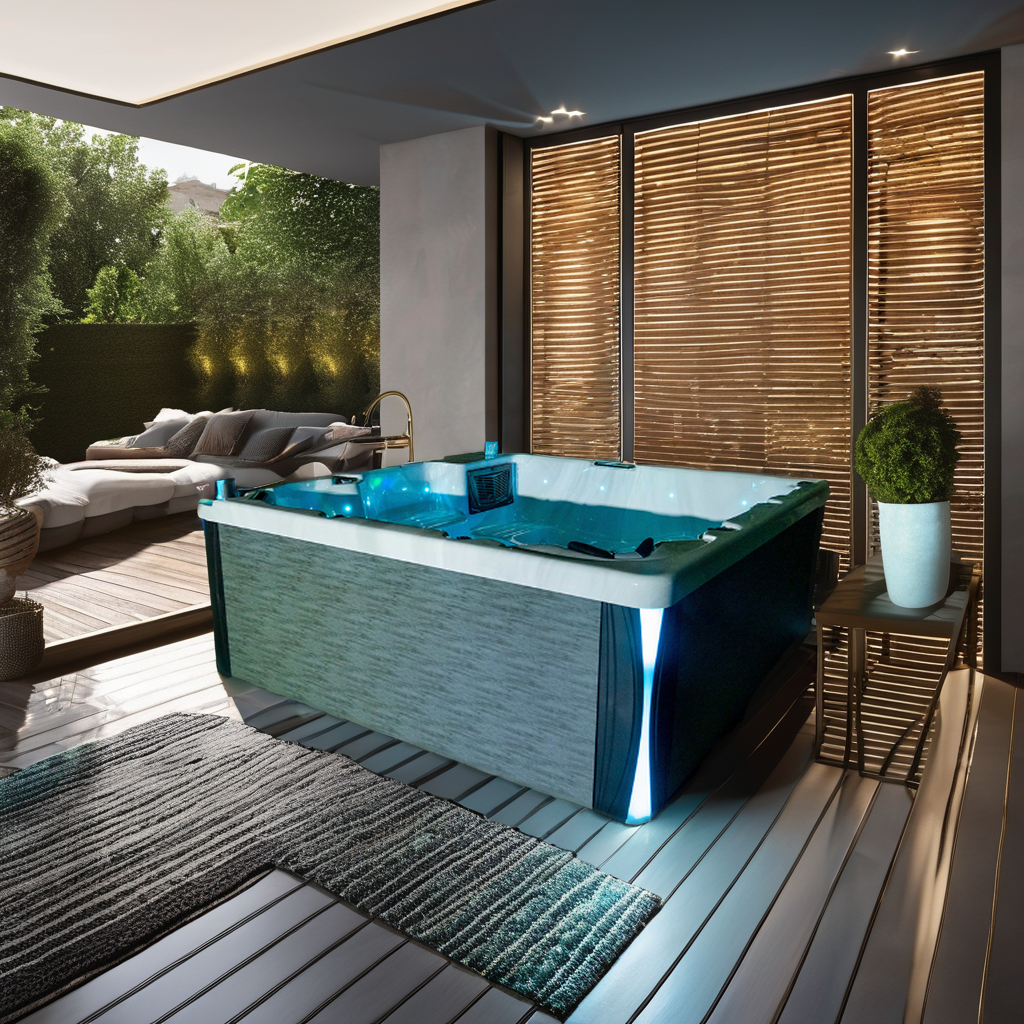
FAQ: Chlorine Levels and Water Cloudiness in Outdoor Hot Tubs
Q1: Does higher chlorine content in a modern jacuzzi outdoor mean better disinfection?
No. Chlorine must be maintained within an optimal range to be effective. Levels that are too low result in inadequate disinfection, while levels that are too high can cause chemical imbalances and increase the formation of by-products like chloramines.
Q2: Does cloudy white water in a jacuzzi outdoor spa tub always mean too much chlorine was added?
Not necessarily. While excess chlorine can cause cloudiness, other factors—such as high pH, calcium precipitation, clogged filters, or the accumulation of organic contaminants—can also be the cause. Testing is required to determine the specific issue.
Q3: Why does the water remain cloudy even though I add chlorine to the outdoor jetted tub every day?
Possible causes include reduced filtration system efficiency, excessive organic contaminants, unstable pH, or "old" water (water that has been in the tub for too long). Simply adding more chlorine cannot solve every water quality problem.
Q4: What is the normal chlorine level for a jacuzzi outdoor spa tub?
For most residential units, it is recommended to maintain free chlorine levels at approximately 3–5 ppm; however, specific values should be adjusted based on equipment type, usage frequency, and manufacturer recommendations.