


Are Outdoor Hot Tubs Beneficial for Bruises?
2026-11-02 15:30Outdoor hot tubs can promote physical relaxation through warm water and hydromassage, leading some users to consider them for alleviating post-exercise muscle discomfort, localized pain, or bruises. However, it is important to note that outdoor hot tubs are not suitable for all types of bruises—especially acute injuries that have just occurred and are still accompanied by swelling or active bleeding.
Bruises typically form when small blood vessels beneath the skin are damaged, causing blood to leak into the surrounding tissue. Heat can dilate blood vessels and increase local blood flow, which, in the early stages of an injury, may actually exacerbate bleeding and swelling. In the first 24–48 hours following an injury, the recommended approach is generally to use cold compresses, rest, and elevation; moderate heat therapy should only be considered once the acute swelling has subsided.
For manufacturers, distributors, and operators of spa facilities, it is crucial to understand the appropriate limits of heat therapy. While highlighting the relaxation benefits of a whirlpool spa hot tub can enhance the customer experience, promoting these units as medical devices capable of directly treating bruises or accelerating the absorption of hematomas lacks sufficient evidence.
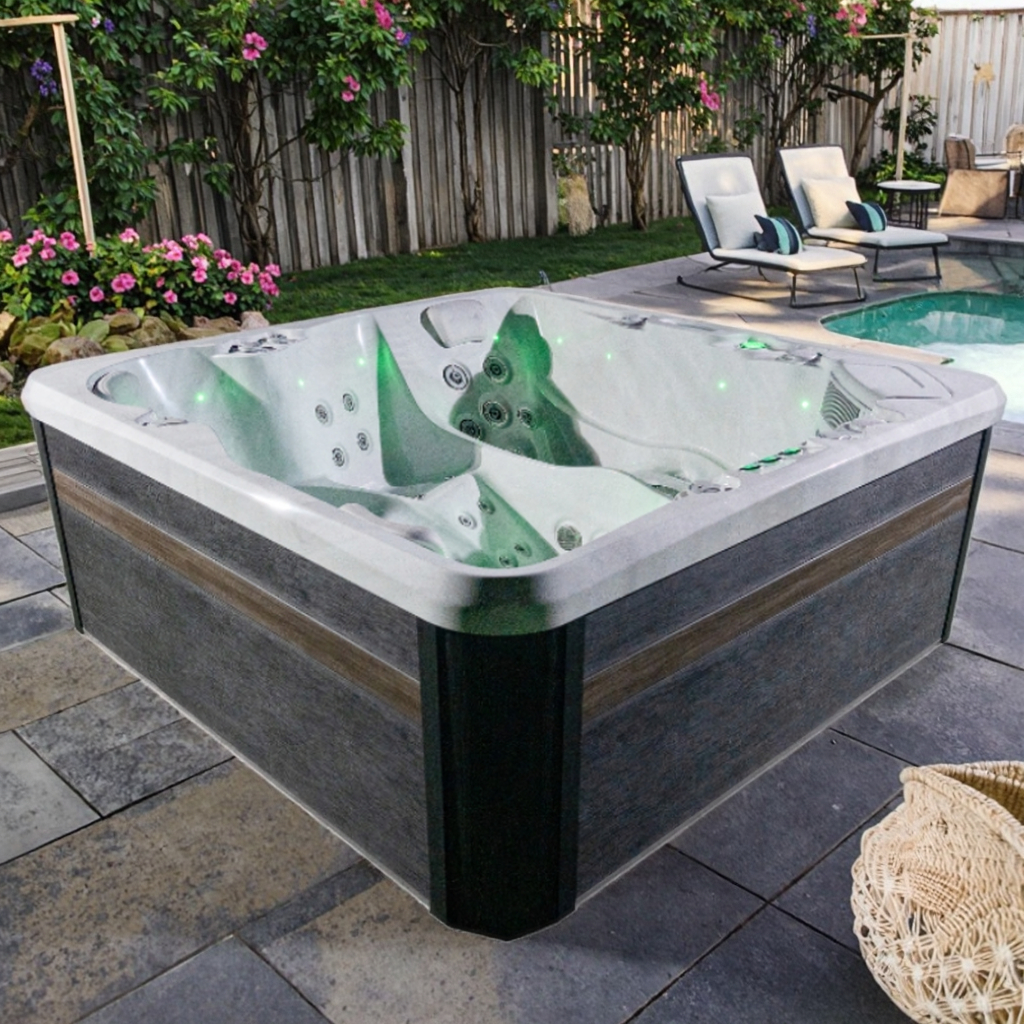
How Do Bruises Form?
Bruises typically occur following a collision, fall, sports-related impact, or other forms of blunt trauma. When tiny blood vessels beneath the skin rupture and blood leaks into the surrounding tissue, it creates a patch on the skin that may appear red, purple, blue, or blackish-purple. As the body gradually breaks down and reabsorbs the leaked blood, the bruise may change color—turning green or yellow—before eventually fading away.
Most common bruises do not require specialized treatment and typically improve on their own within one to two weeks. However, deeper muscle contusions or larger hematomas may persist for several weeks or even longer.
The severity of a bruise depends on the location of the injury, the force of the impact, the number of damaged blood vessels, and an individual’s blood-clotting characteristics. For instance, a superficial bruise under the skin might only manifest as a slight discoloration, whereas a contusion to a thigh muscle could be accompanied by significant pain, swelling, and restricted movement.
Common types of bruises and their characteristics are as follows:
| Type of Bruise | Typical Symptoms | Recommended Initial Approach |
| Superficial Bruise | Skin discoloration and mild tenderness | Cold pack and protection |
| Muscle Contusion | Deep pain, swelling, and limited movement | Rest, cold therapy, and assessment if severe |
| Large Hematoma | Significant swelling or a firm lump | Medical assessment, especially if enlarging |
| Unexplained Bruising | Bruises without a clear injury | Medical evaluation if recurrent or widespread |
Therefore, before deciding whether to use an outdoor whirlpool spa hot tub, you should assess when the bruising occurred, the level of pain, and the extent of any swelling—rather than basing your decision solely on the color of the skin.
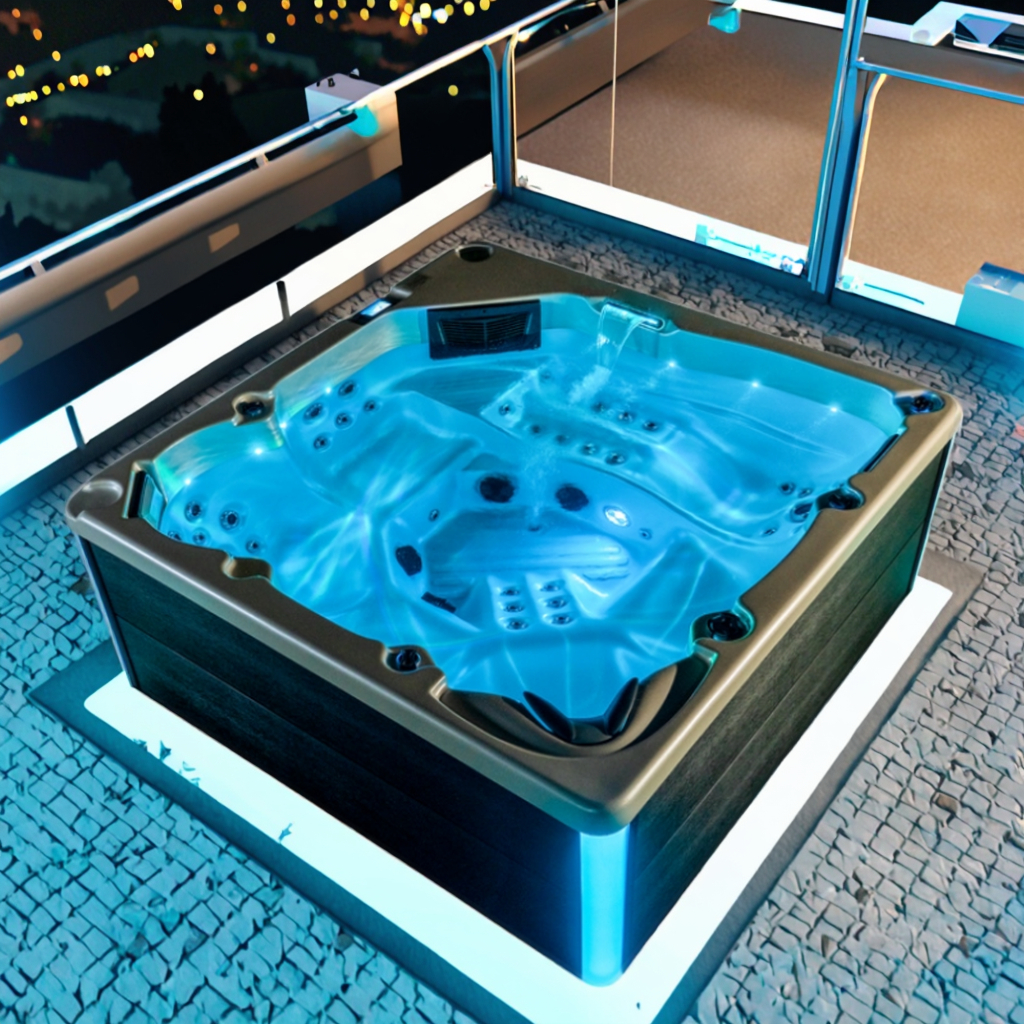
Are outdoor whirlpool spa hot tubs beneficial for bruises?
The answer depends on the stage of the injury.
1. The first 24–48 hours after an injury: Using a hot tub is generally not recommended
In the initial stages of bruising, damaged blood vessels may still be leaking, and the surrounding tissue may be experiencing inflammation and swelling. Exposing the area to high heat, hot compresses, or hydro-massage can increase local blood flow and exacerbate swelling; therefore, these should generally be avoided.
For example, if you sustain a thigh injury while exercising—resulting in purple bruising, localized swelling, and tenderness—you should not immediately enter an outdoor hot tub, nor should you direct powerful massage jets toward the injured area.
More appropriate initial care includes: stopping any activities that might worsen the injury; applying a cold pack (wrapped in a towel) for 10–20 minutes at a time, repeating as necessary; and, if possible, elevating the injured area. Never apply ice directly to the skin.
Please note that the 24–48 hour window is merely a general guideline for initial care; not all injuries are ready for heat therapy within this specific timeframe. If swelling remains significant, pain intensifies, or the bruise continues to spread, you should not begin using a hot tub simply because two days have passed.
2. 48–72 hours after an injury: Consider mild heat therapy, depending on your recovery
If the bruise has stopped spreading, local swelling has subsided significantly, and there is no ongoing bleeding or other concerning symptoms, you may consider mild heat therapy to help alleviate tension and stiffness in the surrounding muscles.
A warm environment can help relax muscles and provide temporary relief. However, this does not mean that outdoor whirlpool spa hot tubs have been proven to accelerate the healing of bruises, nor does it imply that everyone is ready for a hot soak just two days after an injury. If you have only a minor subcutaneous bruise with no significant swelling, you may—depending on your individual circumstances—cautiously consider a warm soak. However, if you experience deep-seated pain, restricted movement, or a large hematoma, you should consult a medical professional first.
3. As the bruise begins to heal: Focus on comfort and the restoration of movement
As a bruise fades, the affected tissue may remain slightly stiff, or the surrounding muscles may feel tense. In such cases, a moderately warm environment can sometimes help alleviate discomfort; however, hydrotherapy should not be viewed as a substitute for proper medical diagnosis or treatment.
The warm water, buoyancy, and massage features of an outdoor hot tub each serve different purposes. Warmth can help relax muscles; buoyancy reduces the load on the body during movement; and water jets provide a form of massage. Nevertheless, these factors do not necessarily mean that the blood trapped in a bruise will be reabsorbed any faster.
For those who have recovered enough to engage in light activity, it is advisable to gradually resume daily routines based on your pain levels—avoiding high-intensity training or placing significant pressure on the bruised area too soon.
How do outdoor hot tubs affect the recovery of a bruise?
To determine whether an outdoor hot tub is appropriate for bruise recovery, it is important to distinguish between its three distinct components—warm water immersion, buoyancy, and hydro-massage—rather than conflating them.
1. Warm water may provide temporary relief from muscle stiffness
Warmth can cause local blood vessels to dilate and may help reduce muscle tension and stiffness. For individuals whose acute swelling has subsided—leaving muscle stiffness as the primary concern—moderate heat therapy may improve comfort.
However, increased blood flow does not necessarily accelerate the reabsorption of a bruise. In cases where active bleeding or significant swelling is still present, heat therapy could actually exacerbate the symptoms. Therefore, the warmth provided by an outdoor whirlpool spa hot tub should be viewed as a potential aid for comfort, rather than a direct treatment for the bruise itself.
2. Buoyancy may reduce the physical load during movement
When the human body is submerged in water, it experiences buoyancy, which can reduce the weight-bearing stress on the body compared to movements performed on land. For individuals who have reached a stage in their recovery where safe physical activity is possible, gentle aquatic movement may help in gradually regaining mobility.
However, outdoor hot tubs typically offer limited space and are primarily designed for leisure and hydrotherapy; they are not necessarily suitable for structured rehabilitation exercises. If a bruise is located near a joint, accompanied by significant difficulty in movement, or if a fracture is suspected, you should seek a professional medical evaluation rather than attempting to test the extent of the injury through aquatic activity.
3. Avoid directing massage jets onto bruises
Hot tub jets can produce water streams of varying intensity and direction. While some high-flow jets are designed for a more vigorous massage, strong water pressure is not necessarily beneficial for a healing bruise.
Directing a water stream onto an injured area—especially if the bruise is extensive, the site is tender to the touch, or a hematoma is present—can exacerbate pain and further irritate damaged tissue. If you choose to use an outdoor whirlpool spa hot tub during your recovery, avoid aiming powerful jets directly at the affected area and adjust the water flow to a level that feels comfortable.
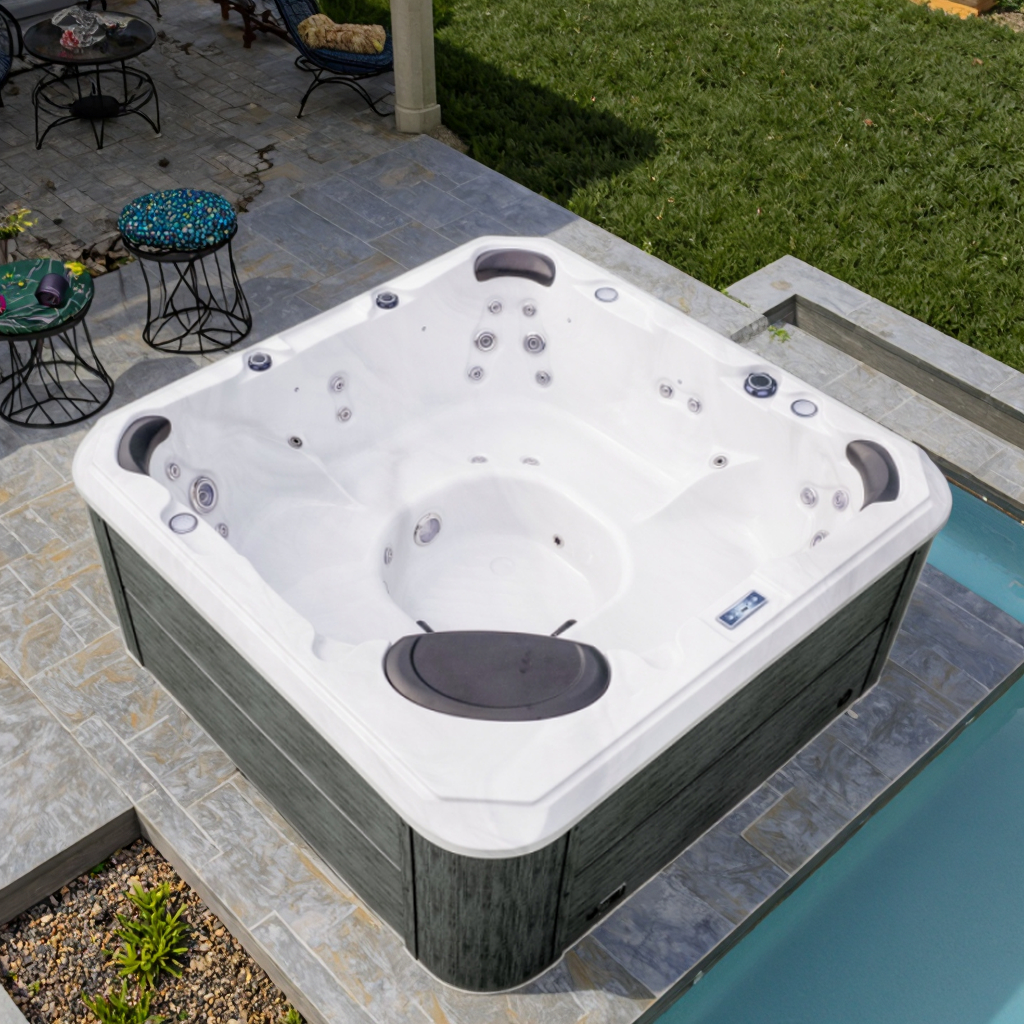
How can you safely use an outdoor hot tub while recovering from a bruise?
First, ensure that the injury is not worsening—check for signs such as increasing swelling, restricted movement, or other concerning symptoms. Simply waiting for a set period of time does not guarantee safety; if the nature of the injury is unclear, consult a medical professional.
Second, manage water temperature and immersion duration carefully. For adults who are cleared for warm-water immersion, it is best to start with water close to body temperature rather than jumping straight into very hot water. Generally, a temperature range of approximately 36–38°C (97–100°F) is easier to manage in terms of thermal load than temperatures near the equipment’s maximum limit. Please note that this is merely a guideline for cautious use, not a clinical prescription for treating bruises.
| Parameter | Practical Guidance | Important Consideration |
| Water Temperature | Consider approximately 36–38°C when appropriate | Not a prescribed treatment range; avoid excessive heat |
| Initial Soaking Time | Start with 5–10 minutes | Stop if pain, swelling, or dizziness develops |
| Jet Pressure | Use low intensity or keep jets away from the bruise | Avoid direct pressure on injured tissue |
| Injury Stage | Avoid hot tubs during the first 24–48 hours after an acute injury | Persistent swelling requires further caution |
| Hydration | Drink water before and after soaking | Heat exposure may cause dehydration |
| Exit and Entry | Use handrails and non-slip surfaces | Bruising may affect balance and mobility |
The parameters provided above are for reference only and do not constitute a clinical standard for treating bruises. If you continue to experience bleeding, swelling, or significant pain, do not rely on simply lowering the water temperature or shortening your soak time as a substitute for a proper medical evaluation.
Additionally, it is essential to maintain good water quality in the hot tub. Ensure that disinfectant levels, pH balance, and filtration systems are managed in accordance with the manufacturer’s instructions and local public health requirements. If a bruised area also features abrasions, broken skin, or an open wound, you should avoid soaking to reduce the risk of infection.
When should you avoid using an outdoor hot tub?
Exercise particular caution in the following situations:
First, if a bruise is accompanied by significant swelling or continues to expand. This may indicate ongoing internal bleeding or an injury more severe than a typical subcutaneous bruise. In such cases, avoid hot-water soaking and massage, and seek a professional medical evaluation.
Second, if you experience intense pain, numbness, or limited mobility. Seek medical attention promptly if the injured area is extremely painful, if you experience abnormal sensations in a limb, if you are unable to bear weight, or if swelling worsens rapidly. Severe muscle injuries may require further diagnostic testing.
Third, if the bruise is on the head or near the eyes. Seek emergency medical help immediately if a head injury is followed by persistent headaches, vomiting, confusion, or dizziness. Bruising around the eyes—especially if accompanied by changes in vision, eye pain, or restricted eye movement—also requires prompt medical attention. Do not treat such injuries as ordinary bruises or attempt to manage them by using an outdoor whirlpool spa hot tub.
Fourth, if there are risk factors for excessive bleeding. Individuals taking anticoagulants (blood thinners), those with blood-clotting disorders, or those who frequently develop unexplained bruises should exercise extra caution. Large bruises or hematomas require professional assessment based on the specific circumstances.
Fifth, if the injury is accompanied by a fever, significant skin damage, or signs of infection. Do not use a hot tub; instead, identify the underlying cause and seek appropriate medical treatment.
How should manufacturers and retailers of outdoor hot tubs respond to customer inquiries?
Customers may ask whether an outdoor whirlpool spa hot tub can help alleviate bruises, sports injuries, or muscle soreness. A professional response should clearly distinguish between the product’s role in general relaxation and any potential medical or therapeutic effects.
First, product information may state that warm-water soaking can help relieve muscle tension, but it should not claim that the hot tub can cure bruises, eliminate hematomas, or guarantee a faster recovery. Such medical claims require support from clinical evidence.
Second, product design should prioritize temperature control, adjustable jet intensity, anti-slip features, and operational safety. For outdoor hot tubs sold under OEM or ODM models, manufacturers can provide clear user manuals to guide customers on water temperature settings, jet controls, water quality maintenance, and safety requirements.
For hotels, resorts, and spas, staff should also be trained to identify situations where using a hot tub is inappropriate. If a guest presents with fresh, visible bruising, severe pain, or difficulty moving, staff should not simply recommend spa services; instead, they should advise the guest to seek a proper medical evaluation first.
These measures help reduce the risk of improper use while assisting distributors in building a more professional and credible product image.
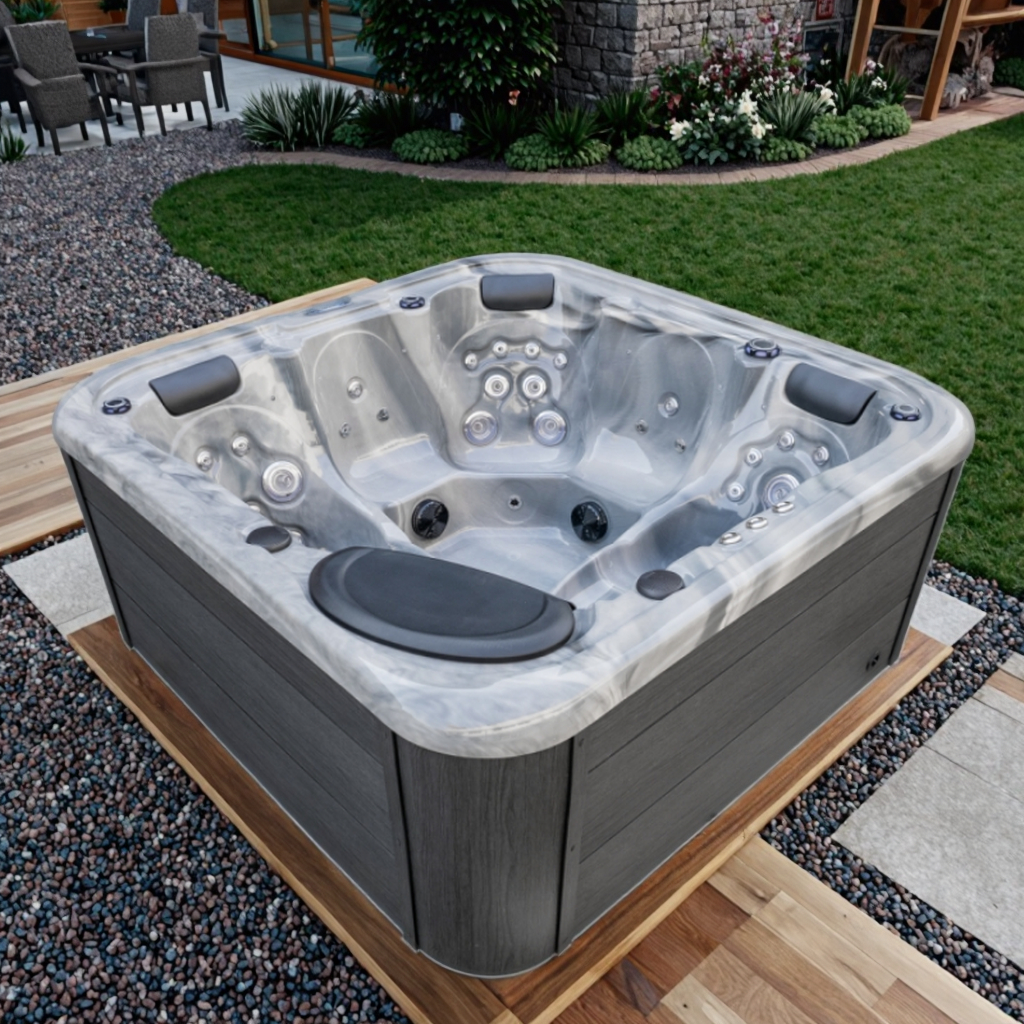
Frequently Asked Questions (FAQ)
Q1: Can I use an outdoor hot tub immediately after sustaining an injury (such as a bump or bruise)?
Generally, this is not recommended. During the first 24–48 hours following an injury, the priority should be managing pain and swelling through cold compresses, rest, and protection of the affected area; hot water immersion and massage should be avoided.
Q2: How many days after getting a bruise can I use an outdoor whirlpool spa hot tub?
There is no fixed timeframe that applies to everyone. You should first ensure that any swelling has subsided, the bruise is not expanding, and there is no significant pain or other abnormal symptoms. The 48–72 hour mark can serve as a point for re-evaluation, but it does not automatically signal that it is safe to begin heat therapy.
Q3: Can an outdoor whirlpool spa hot tub help bruises fade faster?
There is no evidence to support this. While warm water may help relieve some muscle tension, there is no sufficient basis to claim that a standard outdoor hot tub can directly accelerate the healing of bruises. Minor bruises typically fade over time as the body recovers naturally.
Q4: Is it better to use higher water temperatures and stronger massage settings while recovering from a bruise?
No. Excessively high water temperatures can increase thermal stress, and powerful jets may irritate injured tissue. Even during the recovery phase, you should avoid directing water pressure onto the bruised area and exercise caution regarding water temperature and the duration of your soak.
Q5: Are outdoor hot tubs suitable for athletes to use when dealing with bruises?
They should not be considered a primary treatment method for acute sports injuries. Athletes should first assess the severity of an injury, prioritizing the management of pain and swelling during the acute phase; the use of a whirlpool spa hot tub during the recovery stage should be determined based on specific symptoms and professional advice.