


- Home
- >
News
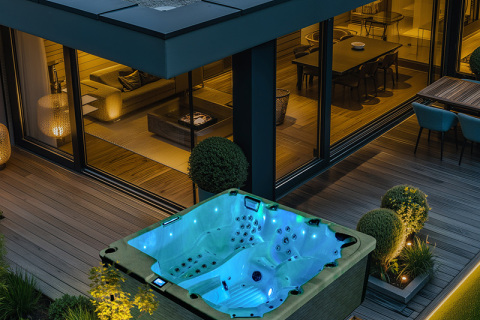
Take the L702 from LOVIA®, a Chinese manufacturer and supplier of outdoor spa equipment, as an example. This is a large outdoor spa hot tub that can accommodate nine people simultaneously. It features two lounges and seven seats, with overall dimensions of 3800×2250×920 mm.
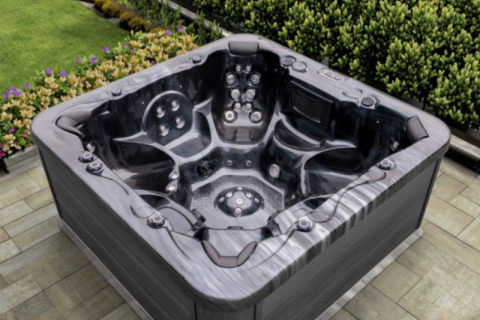
In fact, for a large outdoor hot bathtub, the frame structure is not simply an auxiliary structure, but rather the "skeleton" of the entire system. It undertakes many important tasks, including supporting the tub, distributing weight, securing equipment, protecting piping, reducing deformation, and extending the overall lifespan of the unit.
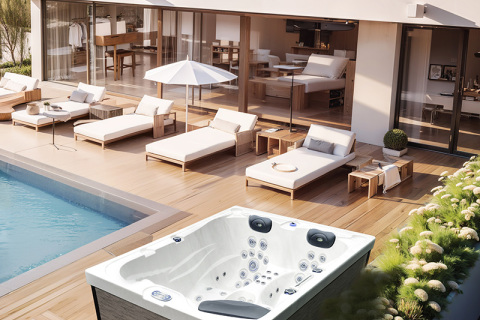
Recent research into hydrotherapy has grown significantly; many medical institutions and rehabilitation centers now use water therapy as an adjunct treatment to relieve muscle fatigue, improve joint mobility, boost blood circulation, and reduce mental stress.
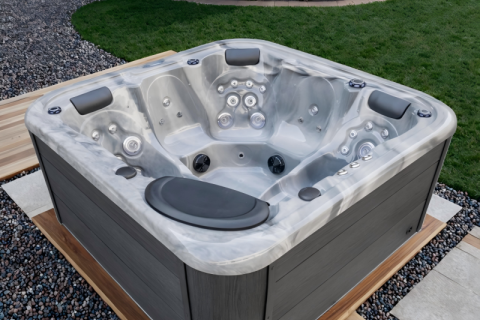
Circulation piping is the primary hiding place for biofilm. If one were to identify the location most prone to biofilm formation in an outdoor spa hot tub, circulation piping would undoubtedly rank first.
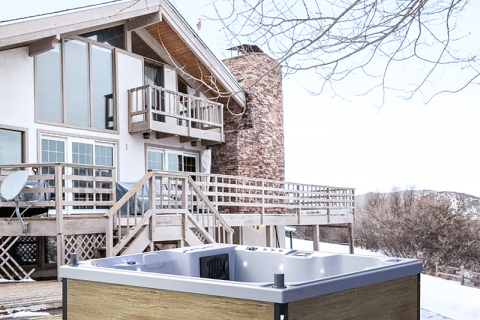
Generally speaking, it is relatively safe to use a hot tub when the outdoor temperature is above 32°F (0°C). Although it is possible to use a hot water tub outdoor in an environment below freezing, this requires ensuring that the hot tub has a good insulation system to prevent the heating system from being overloaded or the equipment from being damaged.
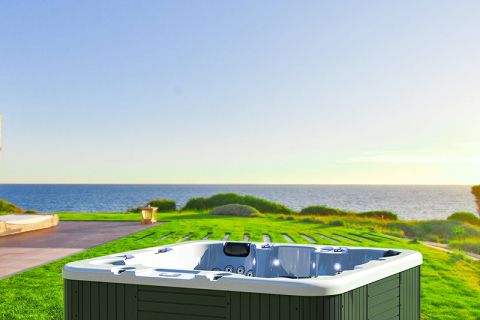
The size, shape, installation location, and safety distance of the bathtub will affect the final required area. Generally speaking, the standard size of a freestanding hot tub is about 5 feet to 7 feet, but the actual size will vary greatly depending on the style and design.
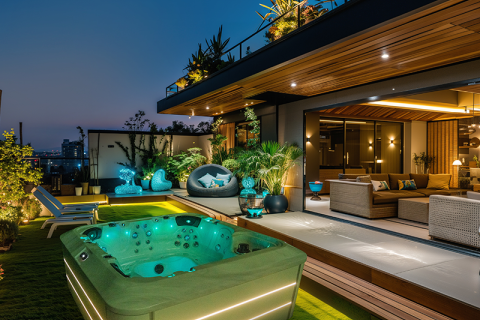
In this article, we will take a deep look at how to create a perfect hot tub privacy space at home through a variety of ways such as landscape design, privacy fences, pavilions, accessories, etc.
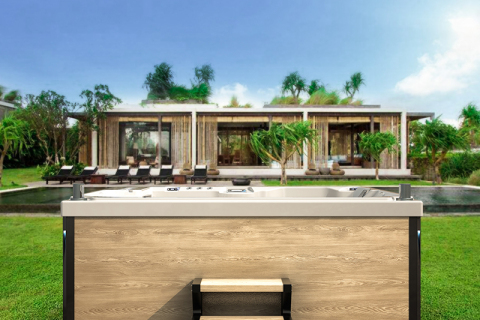
First of all, from a technical point of view, hot tubs can be placed outdoors. Many hot tubs are designed with outdoor use in mind and have waterproof, windproof and weatherproof properties.
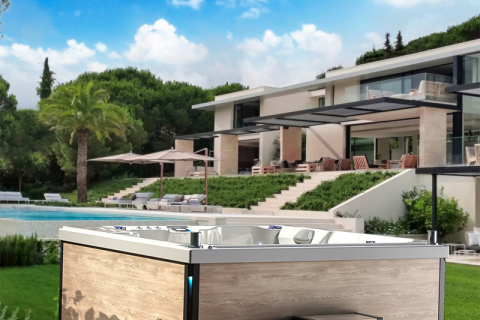
The first thing to consider is whether it can withstand the test of the outdoor environment. Secondly, given the variability of the outdoor environment, durability becomes an important factor in material selection. Finally, considering comfort and aesthetics, the selection of materials also needs to consider the comfort of the human body and the aesthetics of the overall environment.
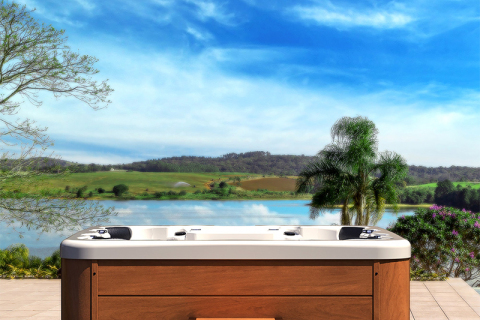
Some medical studies indicate that soaking in moderately warm water can relieve symptoms in people with arthritis. Hot water tub outdoor provides an ideal environment in which patients can relax and enjoy a soak in warm water, soothing the muscles and ligaments around the joints, thereby reducing pain.
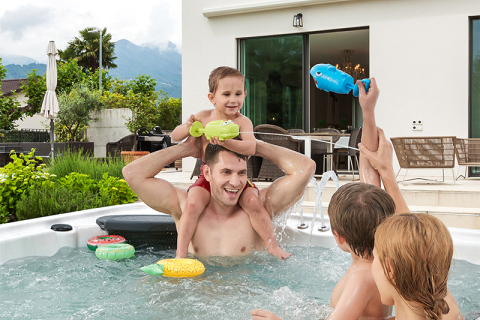
To adapt to seasonal changes, the water temperature adjustment of the outdoor hot bathtub is crucial. During the summer, you can lower the temperature of your hot tub slightly to prevent the water from overheating and causing discomfort. In cold winter, the water temperature needs to be raised to keep warm. By adjusting the water temperature according to the seasons, the hot water tub outdoor can provide comfortable enjoyment in different seasons.
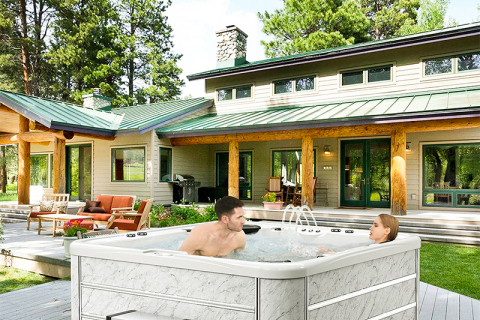
An outdoor hot tub and a jacuzzi bathtub may look similar in appearance, but there are distinct differences between them. The most important difference is that hot tub itself is a generic name, while jacuzzi bathtub is a brand name for hot tubs and spa products.