


- Home
- >
News
1. First, add an antifoaming agent – to quickly remove surface foam; 2. Then test and adjust the pH, alkalinity, and chlorine level – to restore chemical balance; 3. Add a cleaning enzyme – to break down grease and organic matter; 4. If necessary, replace part or all of the water – to eliminate the source of foam at its root.

The answer is: not necessarily. While calcium ions can indeed combine with carbonate and bicarbonate ions under certain conditions to form calcium carbonate precipitate, making the water appear whitish or cloudy, the degree of turbidity in spa jacuzzi bathtub water does not accurately reflect calcium content.
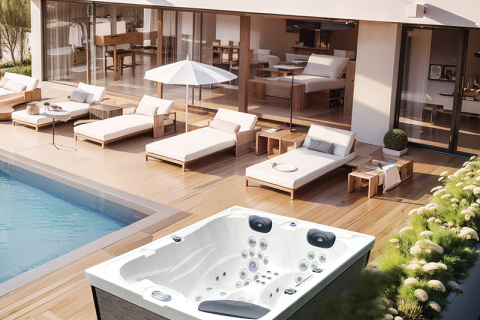
Many users believe that having enough manpower is sufficient for moving a freestanding spa jacuzzi bathtub. In reality, this is one of the most common and dangerous mistakes. There are three reasons: 1. Uneven weight distribution 2. Large size and high center of gravity 3. Lack of specialized tools

When we soak in the hot water of a spa jacuzzi bathtub for an extended period, some of the skin's natural oils are removed, and moisture is lost from the stratum corneum, weakening the skin's protective barrier and causing keratinocytes to loosen and shed. This physiological reaction is more pronounced in winter or in people with sensitive skin.
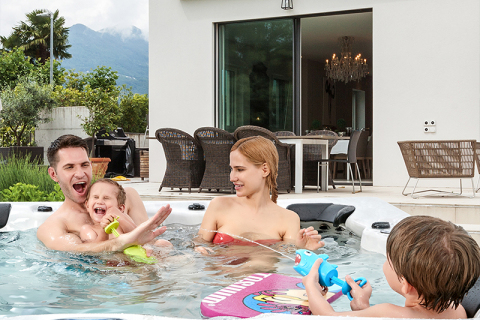
In public, wearing a swimsuit is undoubtedly the safest option to respect others, maintain health, and maintain etiquette. In private, however, you can choose whether to wear one based on your personal preference. The ultimate goal is to ensure a comfortable and safe spa jacuzzi bathtub experience that is both personal and appropriate.
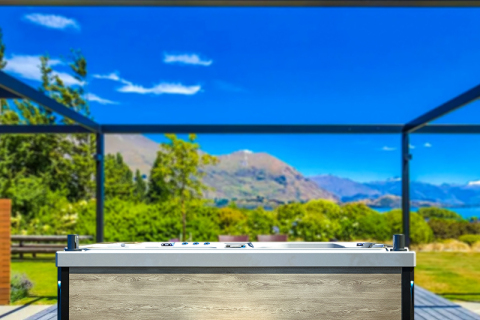
The requirement that a spa jacuzzi bathtub must be perfectly level stems from a comprehensive consideration of equipment performance, user safety, pump efficiency, and long-term maintenance costs. Whether for home or commercial use, the installation process must strictly adhere to leveling requirements. Never overlook this seemingly minor, yet crucial, technical step.
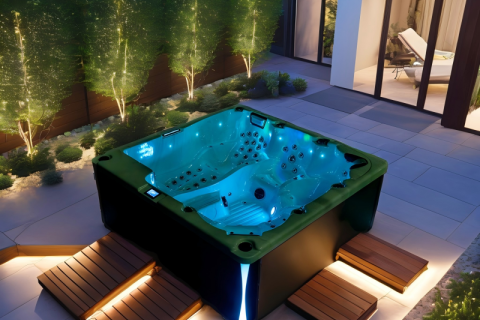
When we ask, "What do you put in your spa jacuzzi bathtub after each use?" the answer isn't just "disinfectant"; it should encompass a comprehensive set of cleaning and hygiene practices. Chlorine-based disinfectants, oxygen-based disinfectants, and specialized system cleaning solutions—each solution has its own applicable scenarios and technical requirements.
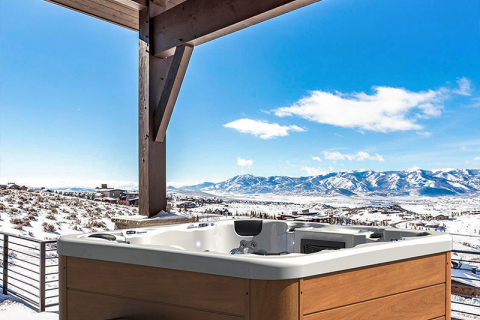
While spa jacuzzi bathtubs are designed to provide a comfortable hydrotherapy experience, if not properly maintained, the water within them can become a breeding ground for bacteria, fungi, and other microorganisms. These microorganisms can accumulate in the tub's jets and plumbing, especially if the water is not properly filtered and disinfected.
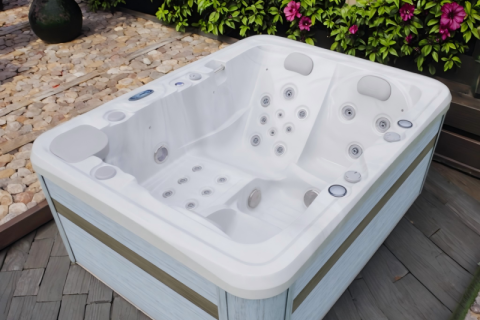
Poor air circulation in a spa jacuzzi bathtub environment can also cause breathing difficulties. Many people choose to close the doors and windows around the bathtub to maintain warmth, but this can also result in poor air circulation.

Insulating the bottom and sides of your spa jacuzzi bathtub with soundproofing materials is an effective way to reduce noise. Use soundproofing foam or rubber pads, which effectively absorb pump vibrations and reduce noise.

The warm water and heat therapy in a spa jacuzzi bathtub can effectively relax abdominal muscles. For abdominal discomfort caused by muscle tension or excessive stress, hot water helps relax abdominal muscles and relieve discomfort.

To avoid discomfort after using a spa jacuzzi, you must first control the water temperature and duration of use. The water temperature should be maintained between 100°F (approximately 38°C) and 104°F (approximately 40°C). Excessively hot water can cause excessive blood circulation, leading to discomfort such as dizziness and nausea.