


why is Heater in Spa Jacuzzi Bathtub?
2025-12-17 15:30In modern home life, spa jacuzzi bathtubs are becoming increasingly popular due to their advantages such as stress relief, relaxation, and enhanced bathing quality. Many users ask the same question when learning about the product's structure: why must a heater be installed in a spa jacuzzi bathtub?
After all, ordinary bathtubs don't require continuous heating, while spa jacuzzi bathtubs are almost always equipped with a dedicated heating system.
In fact, the heater plays a crucial role in a spa jacuzzi bathtub, determining the massage effect, water temperature stability, user experience, and even safety. Without a heater, a spa jacuzzi bathtub cannot achieve its core functions.
This article will explain "why there is a heater in a spa jacuzzi bathtub" from multiple perspectives, including structure, working principle, user experience, safety requirements, and system stability, and will help you systematically understand this issue through several question-based sections.
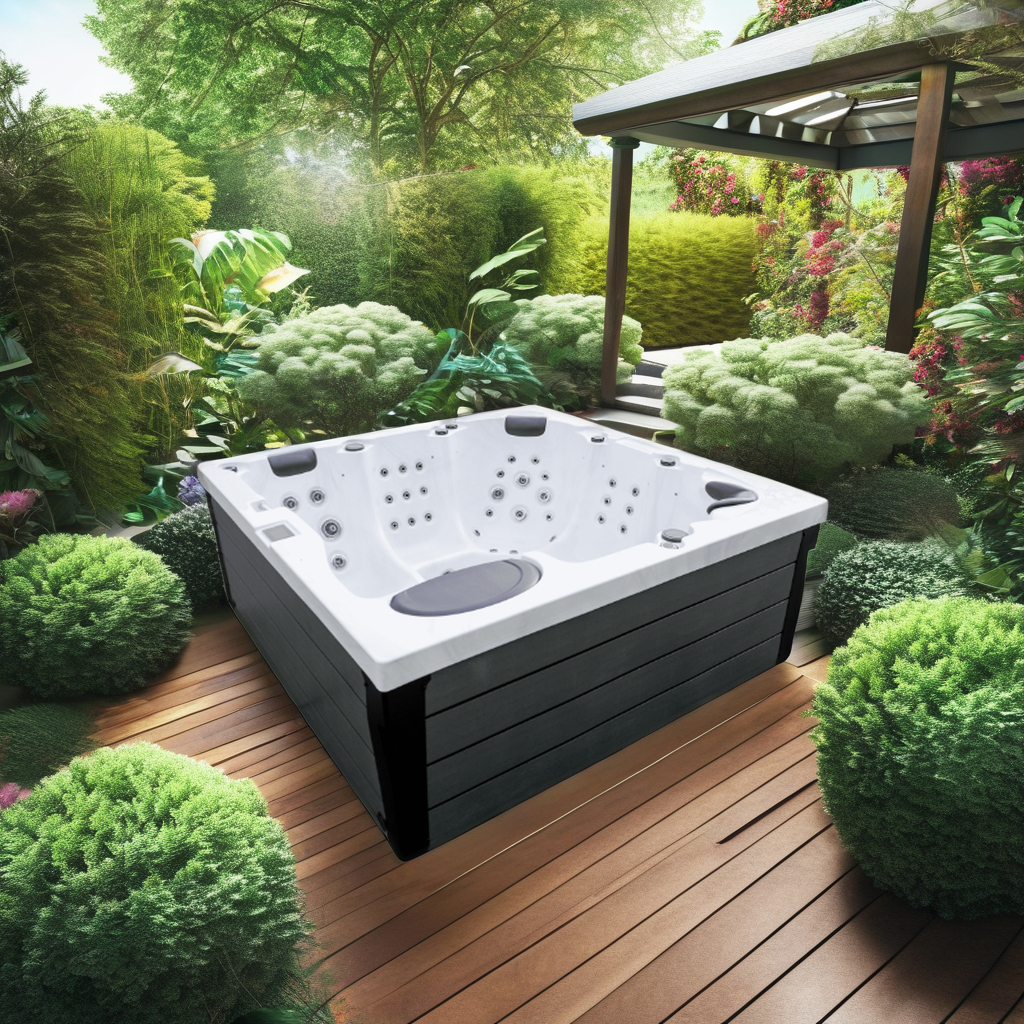
Why does a spa jacuzzi bathtub dissipate heat quickly during operation?
To understand the necessity of a heater, it's essential to first understand the fundamental differences in structure and operation between a spa jacuzzi bathtub and a regular bathtub.
The biggest difference between a spa jacuzzi bathtub and a regular bathtub lies in the nozzle system and the circulating water pump. When water is drawn into the pump, propelling the pipes and exiting the nozzles, the following heat losses occur:
1. The circulation system causes a continuous drop in water temperature
The water sprayed from the nozzles mixes with air, increasing the water flow speed and the exposed surface area, which carries away a significant amount of heat.
When the massage mode is activated, the water temperature typically drops several times faster than with still water.
2. The introduction of air bubbles makes the water cooler more easily
Many spa jacuzzi bathtubs have an air injection function. When the air temperature is lower than the water temperature, each spray continuously lowers the overall temperature.
3. Heat loss also occurs within the water pipes
Even with well-insulated pipes, heat transfer is inevitable over prolonged operation.
Therefore, without a heater, the water temperature in a spa jacuzzi bathtub will drop significantly within 10–20 minutes, affecting comfort and even interrupting the massage experience. This is why a heater plays an essential role in the system.
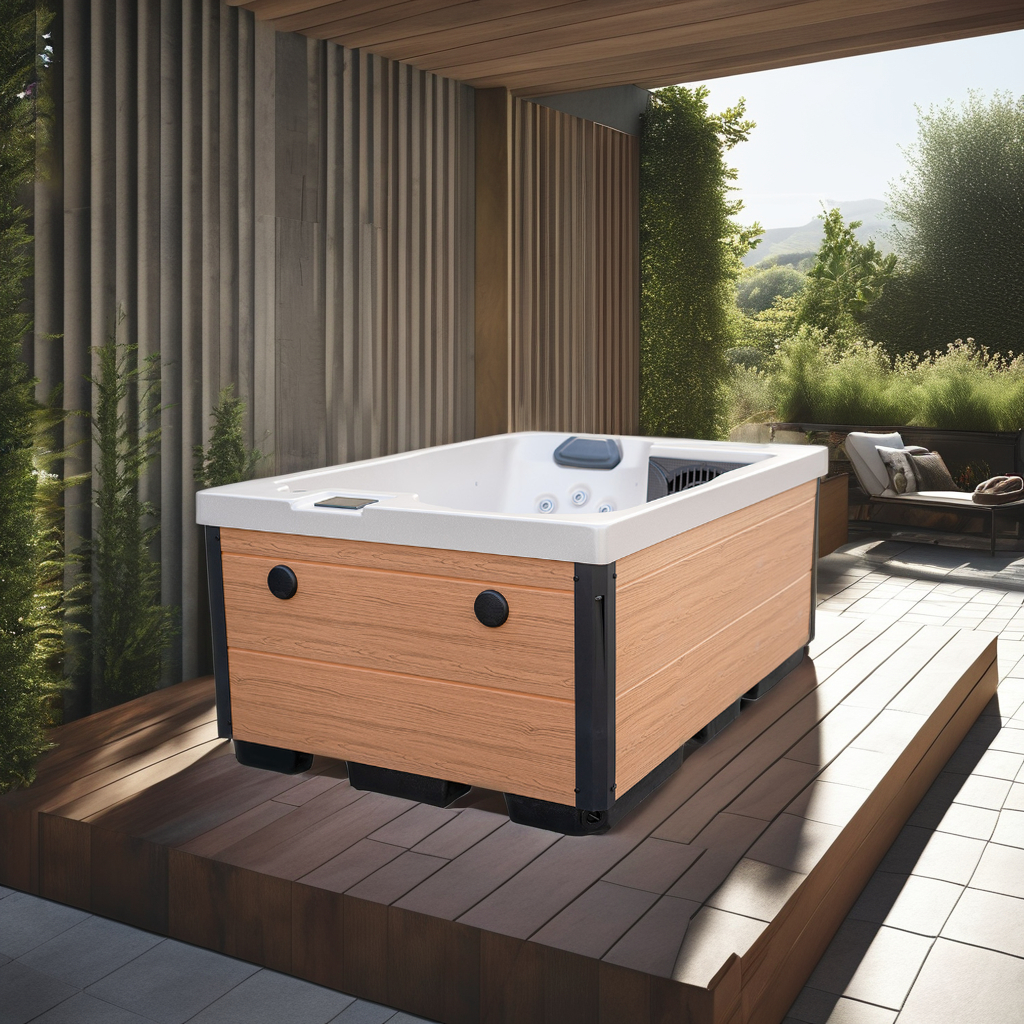
Why does a spa jacuzzi bathtub need to maintain a constant water temperature?
Users use a spa jacuzzi bathtub not only for bathing, but also to relax muscles, relieve stress, and enjoy a massage. A constant water temperature is crucial for these experiences.
1. Constant temperature helps promote muscle relaxation
If the water temperature drops suddenly when the massage nozzles are applied to muscles, it can cause muscle tension, making the body more prone to fatigue.
2. Continuously warm water enhances circulatory system comfort
Suitable water temperature helps to:
• Promote blood circulation
• Relieve joint stiffness
• Relax muscle tissue
All of these require the water temperature to remain stable for a certain period of time, which the heater achieves.
3. Maintaining a constant temperature is essential for comfortable long-term soaking
Many people use a spa jacuzzi bathtub for 20–40 minutes or even longer. Without a heater:
• Enjoyable for the first few minutes
• Cools down after a few minutes
• May completely lose its massage pleasure after a while
Therefore, a constant temperature system is a key part of enhancing the spa jacuzzi bathtub experience.

How does the heater in a spa jacuzzi bathtub maintain the water temperature?
Since the heater is so important, how does it keep the water temperature constant? The heater typically works in conjunction with a water pump and a temperature probe, using automated control to maintain the water temperature within a set range.
1. The temperature probe monitors the water temperature in real time
When the water temperature drops below the set value, the probe immediately sends a signal to the control system.
2. The heater activates to replenish the temperature
The heater typically contains an electric heating element or heating plate that generates heat through an electric current and transfers it to the flowing water.
3. Water Pump Ensures Heat Circulation and Temperature Maintenance
Hot water is continuously pushed back into the main bathtub cavity, maintaining a consistent overall temperature.
4. System Automatically Stops Heating to Prevent Overheating
When the set temperature is reached, the control system disconnects the heater current to prevent overheating.
This closed-loop control system ensures that the spa jacuzzi bathtub maintains a stable water temperature even during high-speed circulation and jet spraying.
Why doesn't a regular bathtub need a heater, while a spa jacuzzi bathtub must?
Many users wonder: hot water in a regular bathtub seems to last for a while, so why does the spa jacuzzi bathtub rely on a heater?
The reason lies in their completely different operating mechanisms.
1. Regular Bathtub = Static Hot Water
Hot water is left to stand after being poured in, without external disturbance, resulting in a slower cooling rate.
2. Spa jacuzzi Bathtub = Dynamic Circulation + Air Incorporation + Rapid Heat Loss
Each massage nozzle propels the hot water circulation, causing the temperature to drop rapidly.
Therefore, the heater is the core component that maintains the function of the spa jacuzzi bathtub and is irreplaceable.
Why does the massage effect of the spa jacuzzi bathtub rely on the heater?
For the spa jacuzzi bathtub, the massage function comes not only from the nozzle pressure but also largely from the temperature control.
1. Heating makes the nozzle massage gentler
Warm water softens muscle tissue more easily, making the jet pressure more effective.
2. Temperature combined with bubbles creates a more soothing effect
When air mixes into the water, if the water temperature is insufficient, the massage experience will feel "cold and harsh."
The heater keeps the water temperature within a comfortable range, making the massage effect more immersive.
3. Warm water allows users to stay longer
With the heater control, users can safely soak for extended periods without worrying about cooling down.
It can be said that the heater is a crucial supporting element for the massage effect of the spa jacuzzi bathtub; without it, the "massage" is only half achieved.
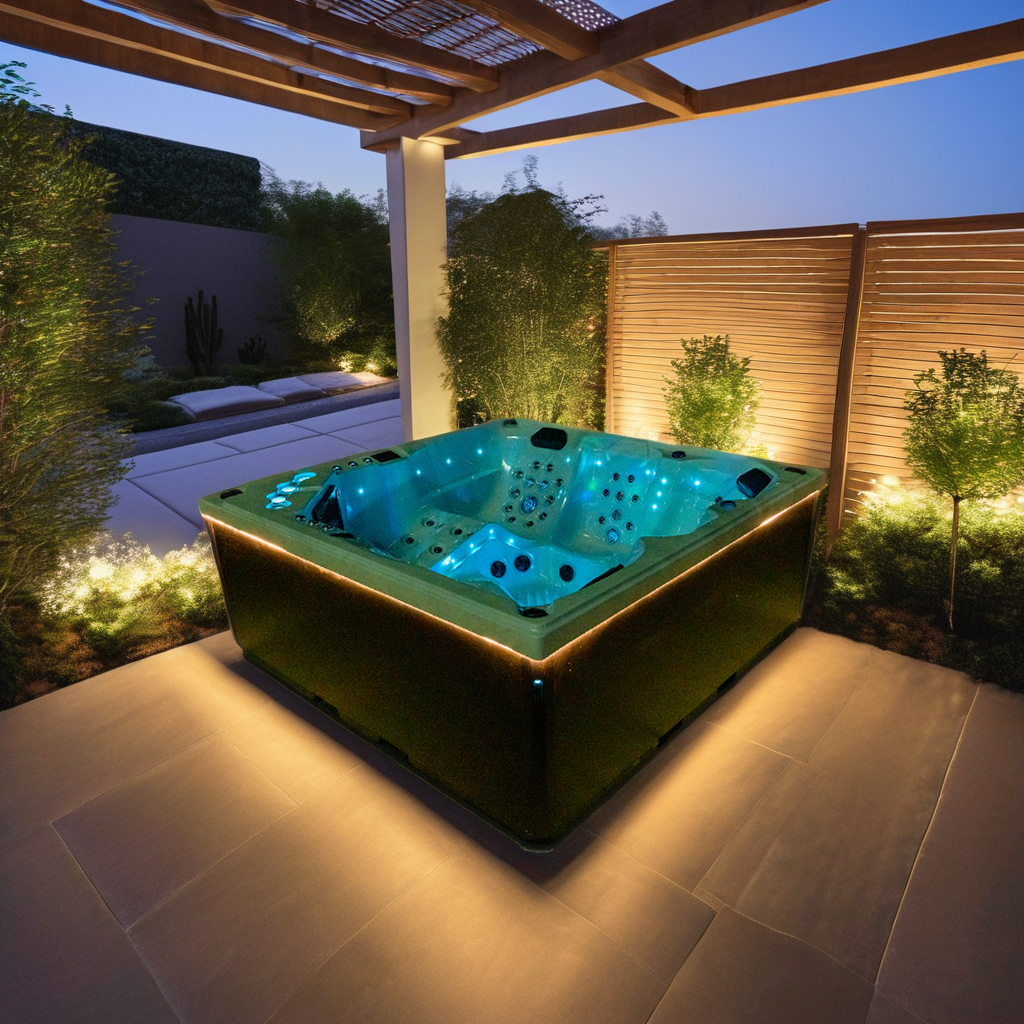
Is the heater related to the safety system of the spa jacuzzi bathtub?
Many users are unaware that the heater is also a crucial component of the spa jacuzzi bathtub's safety system.
1. Temperature Control to Prevent Overheating
The heating system typically limits the maximum temperature to 103–104°F (approximately 39–40°C) to prevent overheating and potential safety risks.
2. Anti-Dry-Burning Protection
When the water level is too low, the heater automatically stops working to prevent damage from dry burning.
3. Temperature Sensor Monitoring to Prevent Abnormal Situations
If the temperature rises or falls abnormally, the system automatically shuts off the heater and displays an error message.
Therefore, the heater is not only a heating device but also a vital component ensuring system stability and user safety.
Why Can't the Heater Be Omitted in a Spa jacuzzi Bathtub?
Many people ask when purchasing a spa jacuzzi bathtub: Is it possible to choose a version without a heater?
In the vast majority of cases, the answer is no. Reasons include:
• Inability to maintain water temperature, resulting in a decreased massage experience
• Unsuitable for prolonged use
• Almost unusable in winter conditions
• Temperature drops extremely quickly when the nozzle is running
• Inability to achieve spa-like effects
Therefore, the heater is not an "add-on feature," but a standard component of the spa jacuzzi bathtub and is part of its core structure.