


Where is the heater on a spa jacuzzi hot tub?
2025-12-10 15:30As a high-end home appliance, the spa jacuzzi tub, with its powerful spa functions, comfortable massage experience, and warm water flow, has become an ideal choice for many families for relaxation and wellness.
Whether relieving fatigue, soothing muscle pain, or improving blood circulation, the spa jacuzzi hot tub provides a luxurious bathing experience.
Many users may encounter a very practical question when using a spa jacuzzi tub: Where exactly is the heater?
The heater is one of the core components of a spa jacuzzi hot tub, responsible for heating the water and maintaining it within an ideal temperature range to ensure a comfortable user experience.
Understanding the working principle, location, and maintenance methods of the spa jacuzzi tub heater is key to ensuring its proper functioning and extending its lifespan.
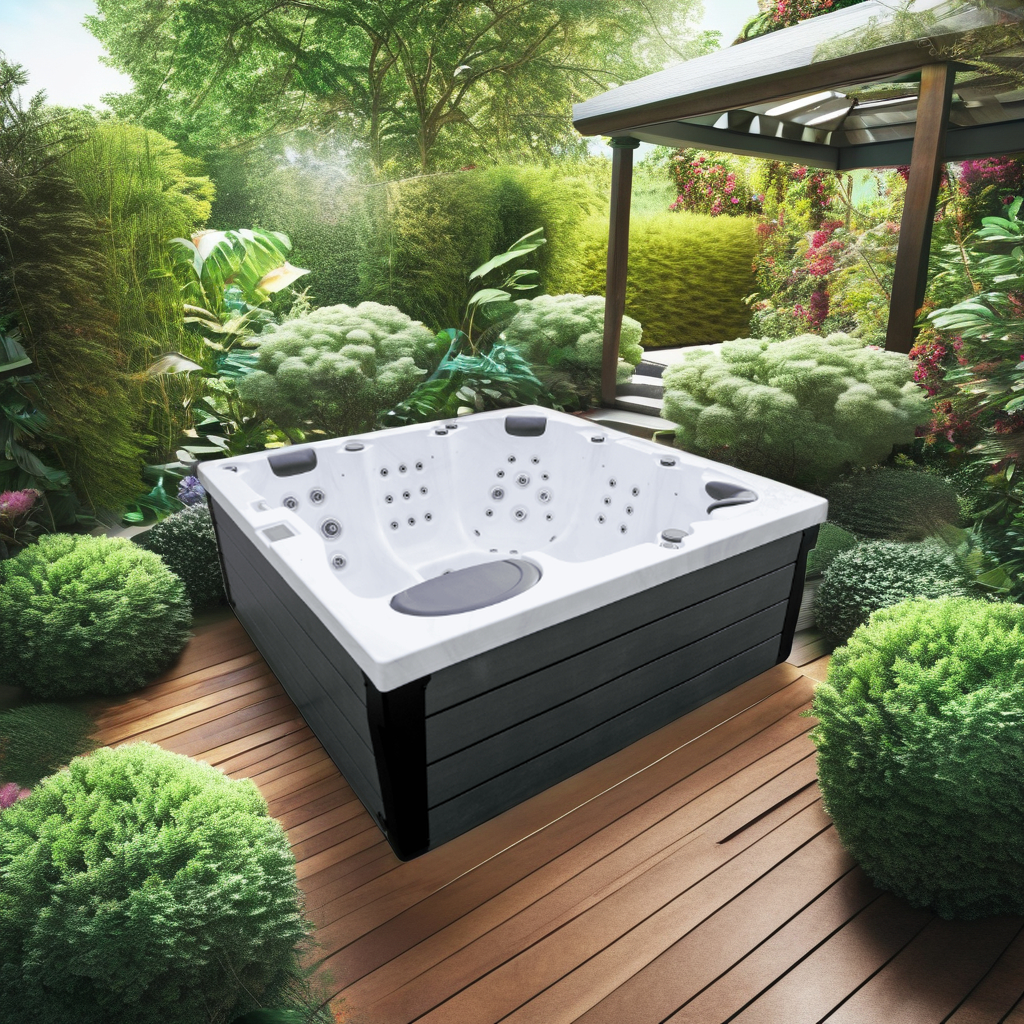
Basic Functions and Roles of the Spa Jacuzzi Tub Heater
Before discussing the location of the spa jacuzzi tub heater, we need to understand its basic functions. The heater in a spa jacuzzi hot tub is responsible for heating the water to the set temperature to provide an ideal bathing experience. Typically, these tubs have sophisticated temperature control systems that can adjust the water temperature between 37°C and 40°C to suit the needs of different users.
The Importance of the Heater
The heater in a spa jacuzzi tub not only ensures a constant water temperature but also:
1. Enhances comfort: Warm water effectively soothes muscles, reduces stress, and promotes blood circulation.
2. Maintains spa effects: Warm water helps spa systems function, such as massage nozzles and bubble functions; warm water makes massages more comfortable and effective.
3. Extends spa duration: The heater ensures the water temperature remains within a comfortable range during extended use, preventing sudden drops in temperature.
Therefore, the performance of the heater directly affects the overall spa jacuzzi hot tub experience. Only when the heater is functioning properly can users fully enjoy the comfort of a bath.

Where is the heater specifically located in a spa jacuzzi tub?
The location of the heater in a spa jacuzzi tub varies depending on the brand and model, but generally, it's installed at the bottom or beside the tub, near the water circulation system. These locations ensure effective heat exchange between the heater and the water flow, thus heating the water. Here are some possible installation locations for a spa jacuzzi tub heater:
1. Bottom Heater
In many traditional spa jacuzzi hot tubs, the heater is installed at the bottom. This layout maximizes the contact area between the water flow and the heater, improving heating efficiency.
• Working Principle: Water transfers heat to the water as it flows past the heater, and then the heated water is pumped into the tub.
• Advantages: Smooth water flow, good heating effect, and even heating of the entire tub.
2. Side Wall Heater
Some modern spa jacuzzi hot tubs install the heater inside the side wall, near the water pump system. This layout helps improve space utilization, especially suitable for smaller tubs.
• Working Principle: Water is guided through a heater for heating before flowing into the massage system and bathtub.
• Advantages: Easy installation, small footprint, suitable for compact bathtub designs.
3. Pipe Heater
For some high-end spa jacuzzi tub models, the heater may not be installed directly inside the bathtub, but rather heated via an external heater connected to a water pump system. These heaters typically deliver hot water to the bathtub through pipes.
• Working Principle: The heater heats the water flow through pipes before delivering the hot water to the bathtub. Electric heating elements or gas heating devices are commonly used.
• Advantages: Does not occupy internal bathtub space, suitable for bathtub systems requiring high-power heating.
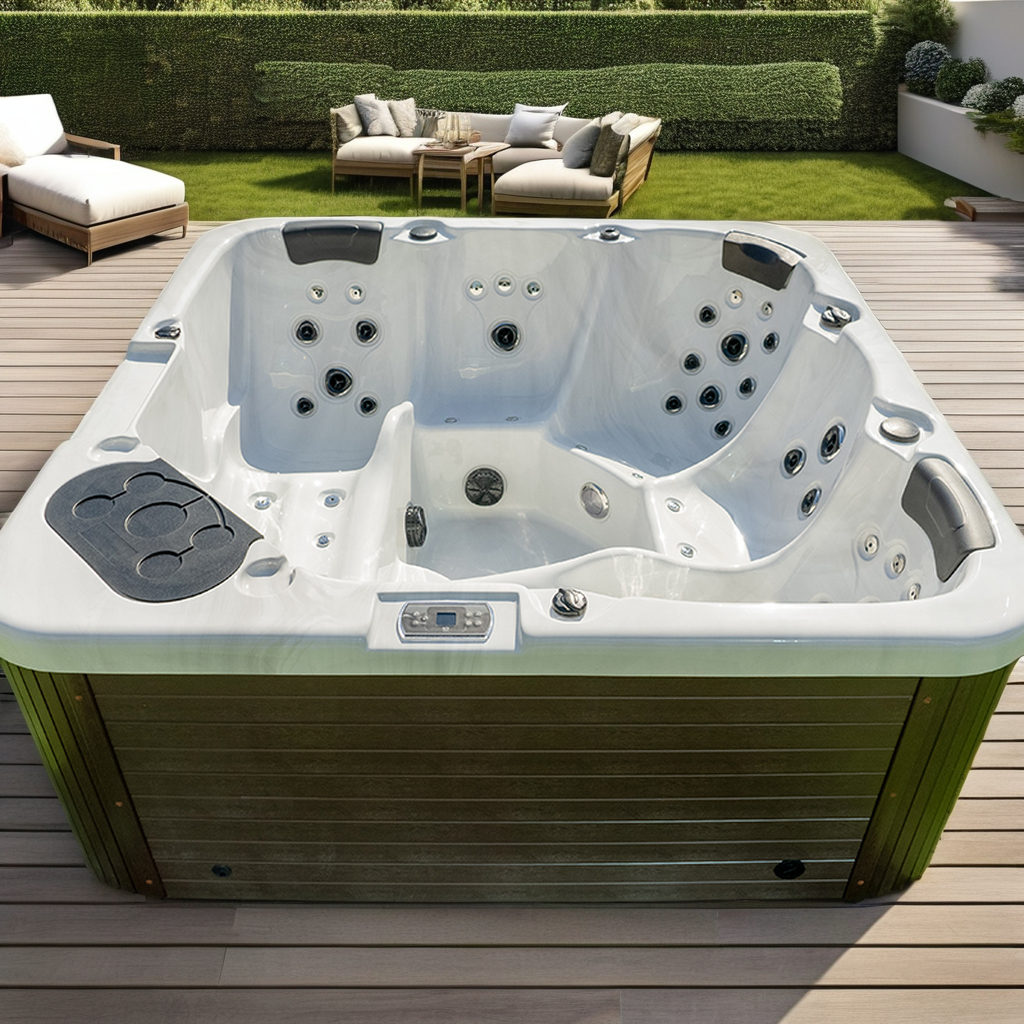
The Working Principle of a Spa Jacuzzi Tub Heater
Understanding the working principle of a spa jacuzzi hot tub heater helps users better understand how it heats water to a comfortable temperature.
1. Water Circulation and Heating
The spa jacuzzi tub's water circulation system uses a pump to draw water into the heater and then returns the heated water to the bathtub. This circulation process ensures the water is heated evenly, providing a comfortable bathing experience.
• Heat Exchange Process: The heater typically uses electric heating elements or a hot water piping system to heat the water flow. As water passes through the heater, electrical energy or a heat source converts it into heat energy, thus heating the water.
• Temperature Control System: Modern spa jacuzzi tubs are equipped with a temperature control system, allowing users to set the water temperature. When the set temperature is reached, the temperature control system automatically shuts off the heater to prevent the water from overheating.
2. Heating Efficiency and Energy-Saving Design
Spa jacuzzi hot tub heaters are typically designed with thermal efficiency in mind. Many modern heaters employ energy-saving technologies, such as:
• Ceramic Heating Element: Heating elements made of ceramic materials can transfer heat more evenly, improving heating efficiency and reducing energy waste.
• Heat Pump Heating Technology: This technology heats water by extracting heat from the air, saving energy and is suitable for some high-end spa tubs.
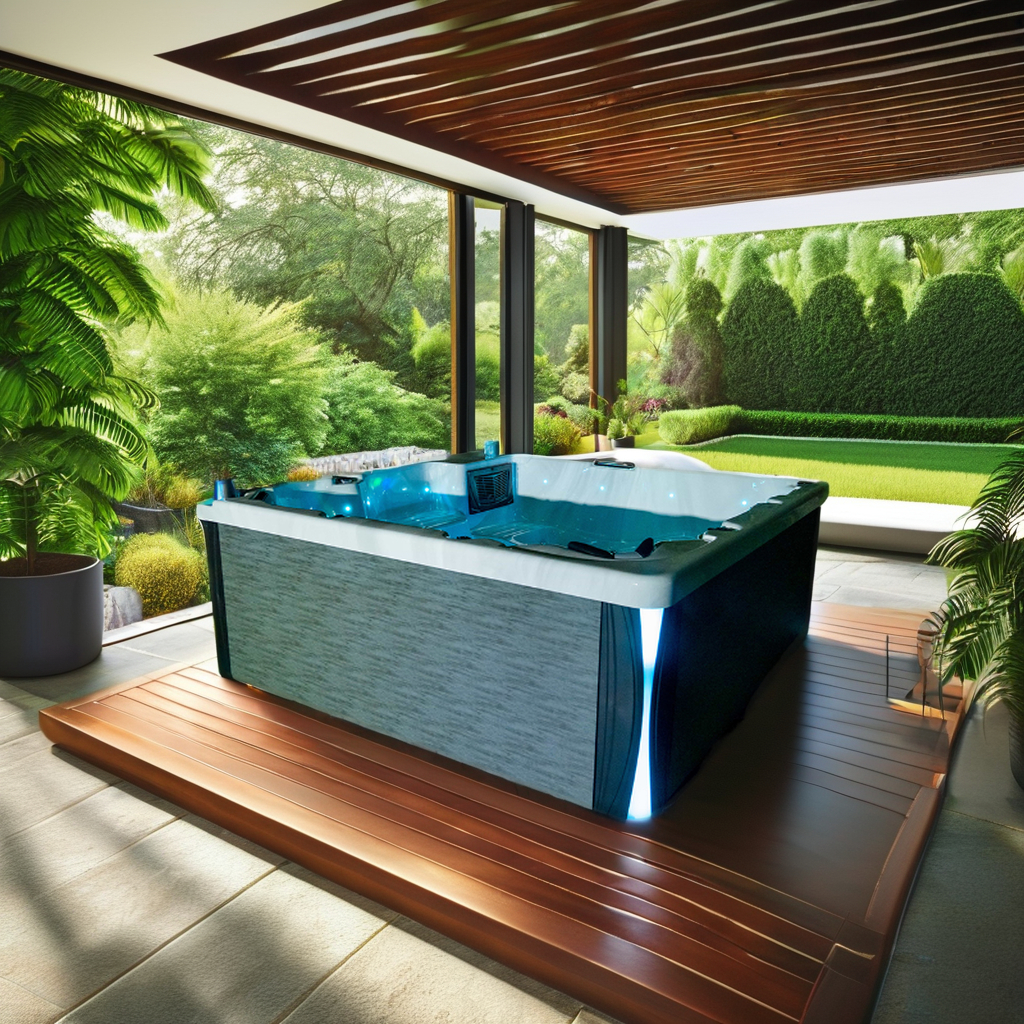
Common Problems and Solutions for Spa Jacuzzi Tub Heaters
While the heater is an important component of a spa jacuzzi tub, it can also experience some common problems. Understanding these problems and learning how to solve them can help users enjoy a more comfortable spa experience for longer.
1. Water Temperature Not Rising
If the water temperature in the spa jacuzzi hot tub fails to reach the set value, first check if the heater is working properly. This is usually caused by the following reasons:
• Power Supply Failure: Ensure the heater is receiving power; check the power plug and fuse.
• Thermocontrol System Failure: The thermocontrol system may be malfunctioning, preventing proper heater operation.
• Heating Element Damage: The electric heating element inside the heater may be damaged from prolonged use and needs replacement.
Solution: Check the power supply and thermocontrol system; contact a professional repair technician if necessary.
2. Water Temperature Too High
If the water temperature in the spa jacuzzi hot tub is too high, it may be due to a problem with the thermocontrol system or the heater failing to turn off. Excessively high water temperatures can not only cause discomfort but may also damage other components of the tub.
Solution: Check the thermocontrol system and ensure it is set correctly. If the problem persists, contact a professional for inspection and repair.
3. Excessive Heater Noise
Some users may find that the heater makes excessive noise when operating. Noise may originate from the friction of water flowing through the heater, or a malfunction in the heating element.
Solution: If the noise is excessive, first check the water pump system and the heater's installation for stability. If the heater itself is faulty, it may need to be replaced or repaired.
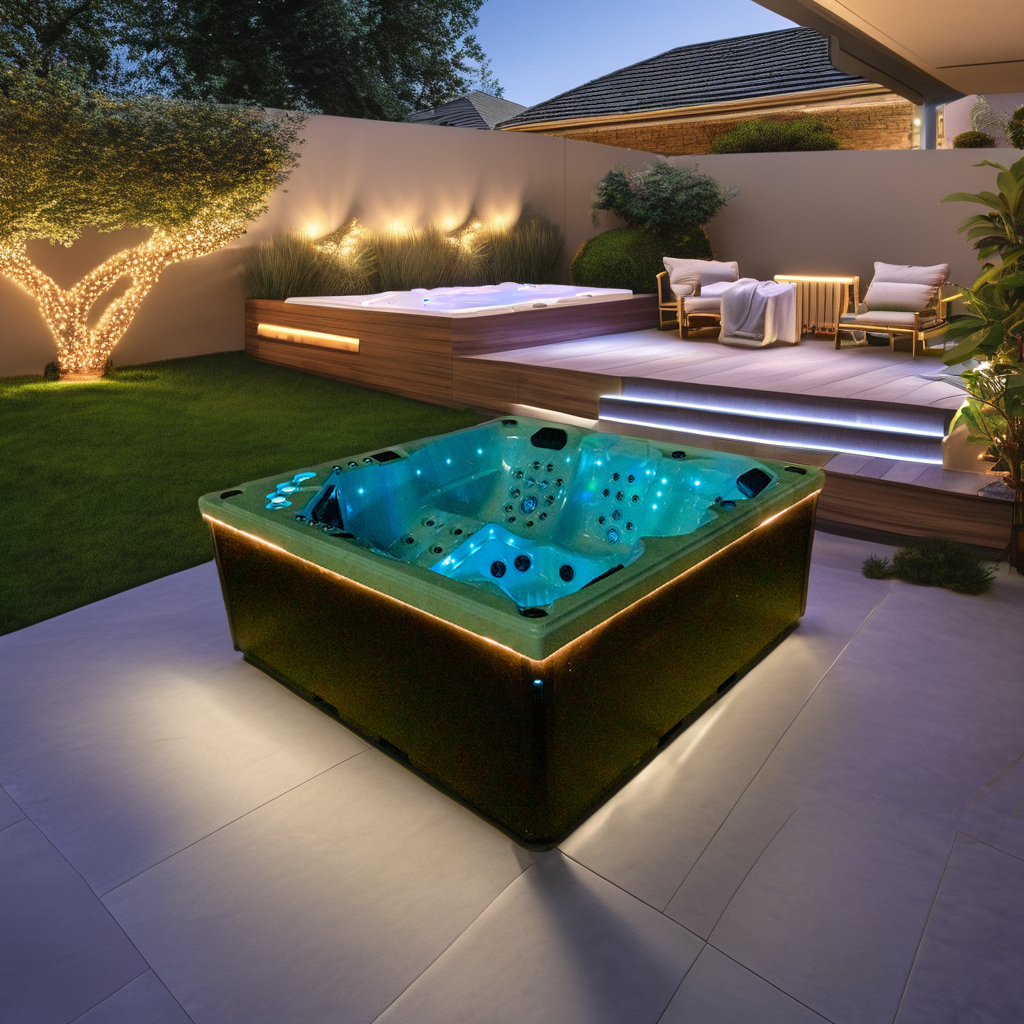
How to Extend the Lifespan of a Spa Jacuzzi Tub Heater?
The heater is one of the most crucial components of a spa jacuzzi hot tub. Regular maintenance and upkeep are essential to ensure its long-term efficient operation. Here are some suggestions for extending the lifespan of your spa jacuzzi hot tub heater:
1. Regularly Inspect and Clean the Heater
Prolonged use of the heater can lead to the accumulation of minerals and impurities, which can affect heating efficiency. Regularly cleaning the heater removes accumulated dirt and minerals, maintaining optimal performance.
2. Maintain Water Balance
Water balance has a significant impact on the heater. Excessive minerals or an unbalanced pH in the water can accelerate heater aging and corrosion. Regularly check the water's pH, alkalinity, and hardness to maintain the water quality within the ideal range.
3. Avoid Overuse
While the heater is designed for efficient operation, overuse can lead to overheating or damage. Limit the duration of each spa jacuzzi tub session and avoid prolonged continuous operation.
4. Replace Filters Regularly
The filtration system of a spa jacuzzi hot tub requires regular cleaning and filter replacement. A dirty filter can affect water flow, consequently impacting the heater's heat exchange efficiency.
The Importance and Maintenance of Spa Jacuzzi Tub Heaters
The heater is a core component of a spa jacuzzi tub's proper functioning, responsible for heating the water to a comfortable spa experience. It is typically located at the bottom or side of the tub and transfers heat to the water through a water circulation system. Understanding the heater's location and operating principles, and performing regular maintenance, will extend its lifespan and enhance the spa experience.
Common heater problems such as insufficient water temperature or excessive heat can be resolved by regularly checking the temperature control system, power supply, and heating element. The key to extending the heater's lifespan is maintaining water balance, regular cleaning, and avoiding overuse.