


What Is the "White Mold" in Your Outdoor Whirlpool Hot Tub?
2026-10-28 15:30Outdoor whirlpool hot tubs are constantly exposed to warm, damp environments. If water quality is poorly managed, filters are not cleaned regularly, or organic contaminants accumulate within the plumbing, you may notice white, flocculent (fluffy) matter, slimy deposits, or white patches. While many users refer to these as "white mold," they could actually be bacterial biofilms, mineral scale, or residues from personal care products.
Different types of white deposits have different causes and require specific treatment methods. Identifying the source of the contamination is the first step toward effective cleaning and maintenance, which will help prevent the problem from recurring. This article explores the common types of "white mold" found in outdoor whirlpool hot tubs, their causes, potential risks, and solutions—helping you maintain safe water quality and extend the lifespan of your equipment.
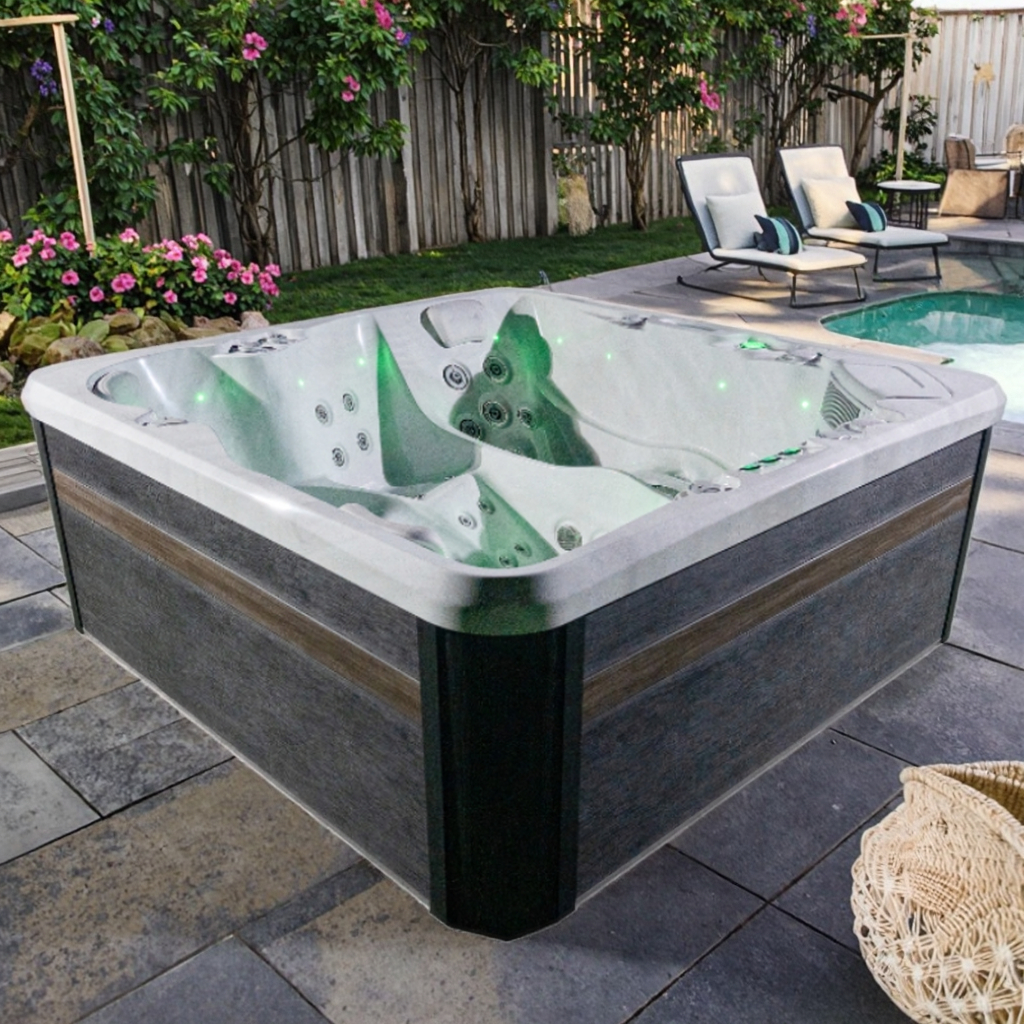
What Is the "White Mold" in an Outdoor Hot Tub?
The white substances found in an outdoor hot tub are not necessarily true mold. Common possibilities include:
1. Biofilms. A biofilm is a structure formed when microorganisms attach to a surface; it typically consists of bacteria and organic matter. Biofilms can develop on hot tub jets, circulation plumbing, filter housings, and pump components. They often appear transparent, milky white, or grayish-white and feel slimy to the touch. If white, fluffy particles continue to emerge from the jets when the pump is running, it is a strong indicator that a biofilm has formed inside the plumbing.
2. Fungi or Mold. Fungi are more likely to appear on the underside of the garden jacuzzi tub cover, along damp seams, on the equipment exterior, or in areas with poor ventilation. Some types of mold may appear as white, fuzzy growths. However, color alone is not enough to identify the specific type of mold, and not all white deposits found underwater are mold.
3. Mineral Scale. If the water source has high hardness or if the pH level is not properly controlled, minerals like calcium can form white deposits along the waterline, around the edges of jets, or on heating components. Unlike slimy biofilms, mineral scale is typically hard and rough; simply increasing the concentration of disinfectants will not effectively remove it.
4. Organic Residue. Substances such as sweat, sebum (skin oils), sunscreen, body lotions, and bath products can enter an outdoor whirlpool hot tub. Once inside, they mix with particulate matter and other contaminants, potentially forming white foam, a surface film, or flocculent (flaky) debris. If white foam frequently appears in your hot tub, you should evaluate your usage habits, the condition of your filters, and your water quality, rather than immediately assuming it is mold.
Therefore, when you notice white substances, you should first observe their texture, location, and when they appear, before deciding on an appropriate cleaning method.
Why are outdoor hot tubs prone to developing "white mold"?
Due to their water temperature, circulation plumbing, and the environment in which they are used, outdoor whirlpool hot tubs require more systematic maintenance than standard bathtubs. Common causes include the following:
1. High water temperatures make microbial control more challenging. Outdoor garden jacuzzi tubs are typically kept at temperatures between 37°C and 40°C (98.6°F–104°F). This warm environment can promote the growth of certain microorganisms and also accelerate the depletion of disinfectants. If disinfectant levels are insufficient, microorganisms can gradually accumulate in the water, on filters, and within the plumbing.
2. Insufficient disinfectant levels. Some users add disinfectant only before entering the tub, without performing regular water quality testing. When multiple people use the tub in succession, sweat, sebum, and other organic matter place a heavy burden on the disinfection system. If the disinfectant is consumed too quickly, microorganisms may have the opportunity to proliferate. Even if the water appears clear, it is not necessarily safe.
3. Clogged or infrequently cleaned filters. Filters are designed to trap hair, sebum, and suspended particles. If filter cartridges are not cleaned regularly, they can accumulate significant amounts of debris, which reduces filtration efficiency and impedes water flow. It is important to note that filters cannot replace a disinfection system; therefore, cleaning the filter cartridges alone—without managing overall water quality—will not effectively control the risk of microbial growth.
4. Accumulation of contaminants in the circulation plumbing. Outdoor garden jacuzzi tubs contain components such as pumps, jets, heaters, and various circulation pipes. Some of these internal pipes are difficult to scrub directly. Over time, the buildup of sebum, skincare product residues, and other organic matter can form a "biofilm." When the pump is running, these deposits can break loose and enter the water, often appearing as white debris discharged from the jets.
5. Water quality imbalance leads to scale formation. Factors such as pH level, total alkalinity, and calcium hardness influence mineral deposition. For standard chlorine-based disinfection systems, many manufacturers recommend maintaining a pH between 7.2 and 7.8—always refer to the manufacturer’s specific guidelines. When the pH is high and the water has a high calcium content, white scale is more likely to form.
6. Environmental contamination. Outdoor whirlpool hot tubs are susceptible to debris such as leaves, pollen, dust, rainwater, and insects. Leaving the cover open for extended periods, or allowing the underside of the cover to remain constantly damp, can lead to the growth of mold. Furthermore, users entering the tub without showering or using skincare products can significantly increase the level of contamination.
How to identify the type of white substance in an outdoor hot tub?
Identifying the nature of the issue before cleaning your garden jacuzzi tub can help avoid unnecessary use of chemicals and prevent equipment wear.
| Appearance | Possible Cause | Recommended Action |
| White, slippery residue | Biofilm or organic buildup | Inspect plumbing and check sanitizer levels |
| Hard, chalky deposits | Mineral scale | Test pH and water hardness |
| White flakes from jets | Biofilm, scale fragments or residue | Clean plumbing and inspect the filter |
| White foam on water | Organic contamination or product residue | Review bathing habits and water chemistry |
| Fuzzy patches under the cover | Possible mold growth | Clean and dry the affected area |
| Cloudy or milky water | Poor filtration or water imbalance | Test water and inspect circulation |
This guide is intended for preliminary troubleshooting only and is not a substitute for professional testing. If white substances are repeatedly discharged from the jets—especially if the amount increases when the pump is activated—you should inspect the circulation piping and filtration system.
If the water develops an unusual odor, remains persistently cloudy, or if users experience discomfort in their skin, eyes, or respiratory tract, stop using the hot tub immediately and test the water quality. Do not rely on smell alone to determine if disinfectant levels are adequate, and never mix different cleaning agents together.
What are the risks associated with white mold in an outdoor hot tub?
The risks posed by white deposits depend on their actual composition. Mineral scale primarily affects equipment performance and maintenance costs, whereas the presence of biofilm or microbial contamination may pose health risks.
Improperly maintained garden jacuzzi tubs can harbor microorganisms such as *Pseudomonas aeruginosa*, which may cause "hot tub folliculitis" (a skin infection). If *Legionella* bacteria are present, users could potentially contract an infection by inhaling contaminated water mist. While the presence of a white substance does not automatically confirm the existence of these pathogens, the hot tub should not be used until the source of the contamination has been identified and addressed. Furthermore, deposits can impair the operation of filters, jets, and circulation plumbing. Clogged filter cartridges reduce filtration efficiency; buildup within the pipes can cause uneven water flow from the jets; and scale accumulation on heating-related components increases the burden of equipment maintenance.
For residential users, the persistent appearance of white debris detracts from the user experience. For hotels, resorts, and commercial spa facilities, poor water quality can lead to guest complaints and the need to take equipment out of service. Consequently, maintaining an outdoor whirlpool hot tub requires attention to water quality, the filtration system, and the plumbing—not just the surfaces.
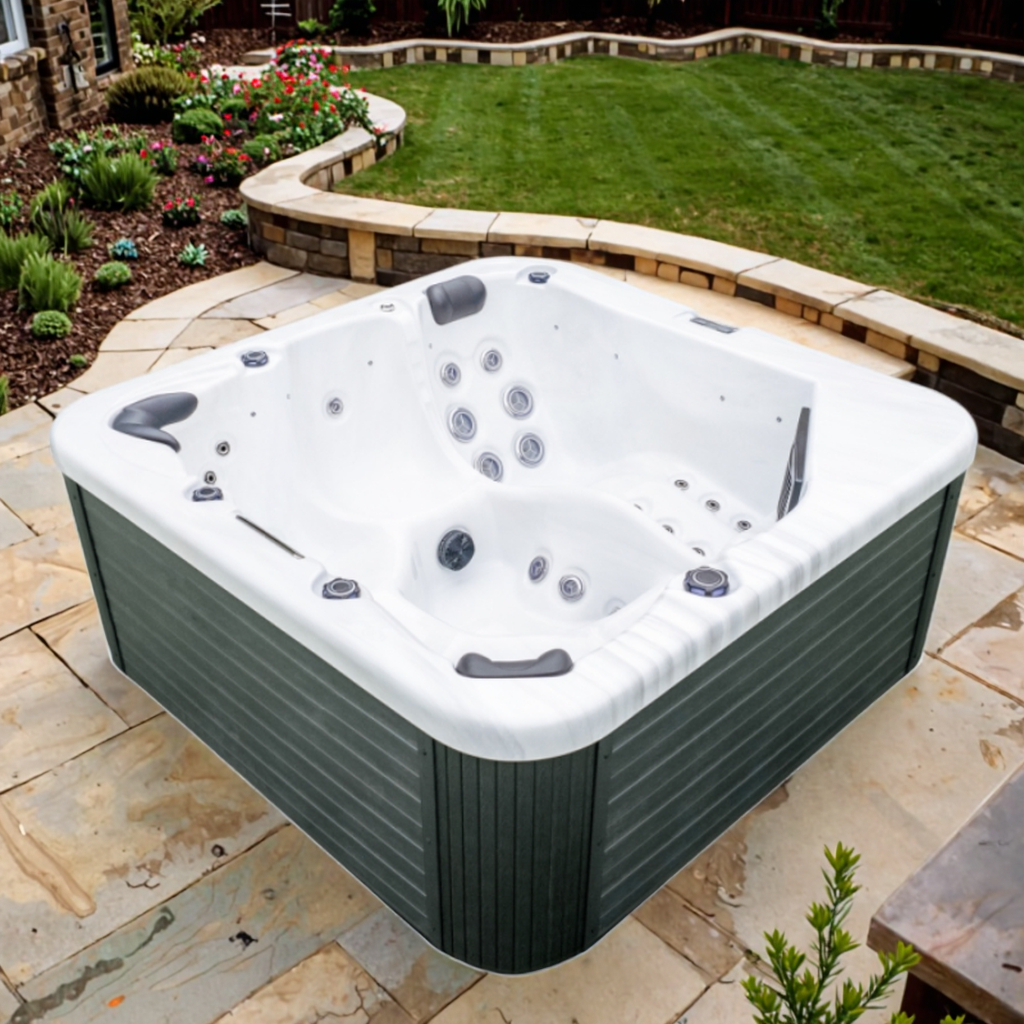
How can you properly remove white "mold" (deposits) from an outdoor hot tub?
The key to effective cleaning is to first identify the source of the contamination, then select the appropriate removal method. If there is a significant accumulation of deposits, persistent cloudiness, or an unusual odor, stop using the garden jacuzzi tub immediately. Do not resume use until the unit has been cleaned and the water quality has been tested and verified.
Step 1: Test the water quality. Use a test kit designed for hot tubs to check sanitizer levels and pH. The U.S. Centers for Disease Control and Prevention (CDC) recommends maintaining free chlorine levels at a minimum of 3 ppm, bromine levels between 4–8 ppm, and a pH range of 7.0–7.8. Always follow the manufacturer’s instructions and local regulations. Never add large quantities of sanitizer without first testing the water.
Step 2: Clean visible deposits. Use cleaning products approved by the manufacturer and soft cleaning tools to address white stains on the interior walls, the waterline, and around the jets. Avoid using steel wool, harsh abrasives, or strong acids/alkalis—unless specifically confirmed as safe for the tub’s material—as these can scratch acrylic surfaces or damage seals. If the deposits are hard and crystalline, they are likely scale; in this case, use a descaling agent compatible with the tub’s materials.
Step 3: Clean the circulation plumbing. If the amount of white debris increases noticeably when the pump is activated, or if the problem recurs after cleaning the interior surfaces, you should consider the presence of biofilm or deposits inside the plumbing system. Use cleaning products specifically designed for whirlpool hot tub plumbing and approved by the manufacturer. Follow the product instructions to run the circulation system, drain the water, and perform the necessary rinsing. Since requirements for cleaning duration, water levels, and the number of rinse cycles vary by product, do not apply a "one-size-fits-all" approach.
Step 4: Clean the filter. Following the equipment instructions, shut down the system and safely remove the filter cartridge. Reusable cartridges should be cleaned using an appropriate filter cleaner and thoroughly rinsed. If a cartridge is damaged, aged, or fails to regain its filtration performance after cleaning, replace it promptly. Do not use household laundry detergents, as they can cause excessive foaming or leave behind chemical residues.
Step 5: Refill and adjust water quality. Once cleaning and rinsing are complete, refill the hot tub and verify that the circulation system is operating correctly. Then, test and adjust the sanitizer concentration, pH level, and other relevant parameters. The garden jacuzzi tub should only be put back into use once the water quality meets the equipment's specifications and any residual cleaning agents have been removed as directed.
If white deposits persist, or if you suspect significant biofilm contamination, contact a professional maintenance technician for an inspection. Do not attempt to treat the plumbing with high-concentration disinfectants on your own, and never mix chlorine-based disinfectants with acidic cleaning agents, as this can release dangerous gases.
How should water quality parameters for outdoor hot tubs be managed?
The key to preventing "white mold" (biofilm/fungal growth) is maintaining consistent sanitization and effective circulation and filtration. The following are common reference values; however, always refer to your equipment manual, the labels on your sanitizing products, and local regulations for specific requirements.
| Parameter | General Reference | Purpose |
| Water temperature | Commonly 37–40°C during use | Maintain comfort within safe operating limits |
| Free chlorine | At least 3 ppm under CDC guidance | Control microbial contamination |
| Bromine | 4–8 ppm under CDC guidance | Maintain disinfection |
| pH | Commonly 7.2–7.8 for routine control | Support disinfection and reduce scale risk |
| Filter maintenance | Follow manufacturer instructions | Maintain circulation and particle removal |
| Water replacement | Based on usage and water condition | Reduce accumulated contaminants |
Residential users should test sanitizer levels and pH regularly, based on frequency of use—and perform additional tests after periods of heavy use or increased contamination (bather load). Commercial hot tubs require more rigorous testing and record-keeping protocols. The CDC recommends testing sanitizer levels and pH in public hot tubs at least twice daily, with increased frequency during periods of high usage.
Furthermore, clear water does not guarantee the absence of biofilm within the plumbing, and normal water quality readings do not entirely rule out localized contamination. Therefore, water quality testing must be combined with regular filter cleaning, plumbing maintenance, and periodic water replacement.
Frequently Asked Questions (FAQ)
1. Is the "white mold" found in outdoor hot tubs always a fungus?
Not necessarily. It could also be biofilm, mineral scale, or organic residue. You should assess the situation by considering the appearance, location, water quality test results, and the condition of the circulation system.
2. Can I continue using my outdoor whirlpool hot tub if I find white mold-like growth?
If the source of the contamination is unknown—or if you notice unpleasant odors, cloudy water, slimy deposits, or abnormal water quality—you should stop using the garden jacuzzi tub immediately. Only resume use after the unit has been thoroughly cleaned, the water quality has been tested, and everything is confirmed to meet the equipment’s operational standards.
3. Why do white flakes still come out of the jets after I’ve cleaned the interior walls of the hot tub?
This usually indicates that the source of the contamination is located within the circulation piping, the jets themselves, or the filtration system. You should inspect the filter cartridge and perform a deep clean of the plumbing lines according to the manufacturer’s instructions, rather than just scrubbing the interior walls.
4. Will increasing the chlorine concentration in an outdoor hot tub completely eliminate white mold-like growth?
Not necessarily. While disinfectants help control microorganisms, they are ineffective against mineral scale and may not be sufficient on their own to resolve biofilm buildup in the plumbing. You should first identify the type of contamination and then treat it according to the product manufacturer’s guidelines.
5. How often should an outdoor whirlpool hot tub be cleaned?
There is no universal schedule that applies to all units. Water quality should be tested regularly, and filters should be cleaned based on the manufacturer’s recommendations and actual usage. Draining and refilling the water, as well as performing maintenance on the plumbing lines, should be scheduled based on the number of users, changes in water quality, and the specific instructions provided by the equipment manufacturer.