


What causes water to corrode plastic parts in outdoor hot tubs?
2026-10-05 15:30In recent years, outdoor whirlpool spa hot tubs have become increasingly common in residential backyards, on patios, and at hotels and vacation rentals. Unlike standard bathtubs, outdoor hot tubs must maintain a specific water temperature over extended periods while operating in conjunction with circulation pumps, filters, heaters, and sanitization systems. Consequently, their internal plastic components are constantly exposed to a combined environment of high heat, water, chemicals, and mechanical stress.
After using an outdoor spa hot tub for some time, many users notice that plastic parts—such as jets, valves, connectors, seals, or filter housings—begin to turn white, become brittle, develop cracks, or even break. Consumers often assume the plastic itself is of poor quality when this happens. However, damage to plastic components in outdoor hot tubs is not necessarily due to the material itself; an imbalance in water chemistry is frequently a major contributing factor.
It is important to note that plastic does not "rust" in the traditional sense associated with iron. In the industry, "plastic corrosion" refers to phenomena such as chemical attack, oxidative aging, swelling, embrittlement, and environmental stress cracking. The prolonged, combined effects of high temperatures, pH levels, sanitizers, and minerals found in outdoor whirlpool spa hot tub water can accelerate these processes.
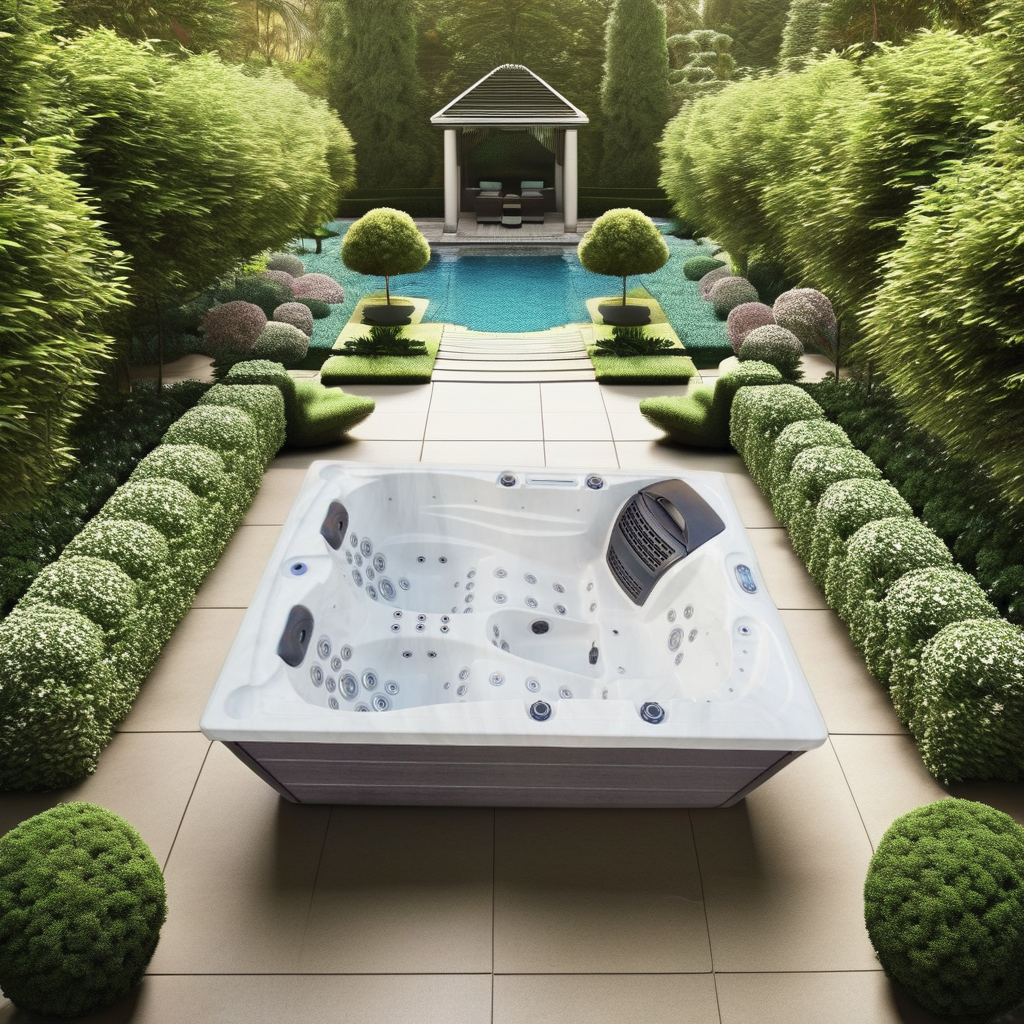
How does the water in an outdoor hot tub affect plastic?
Outdoor spa hot tubs typically maintain water temperatures close to the human body's comfort range, with some models reaching a maximum setting of around 104°F (40°C). Compared to cold water environments, warm or hot water can intensify certain chemical reactions and material aging processes.
Furthermore, the water in an outdoor whirlpool spa hot tub is not simply ordinary tap water. To maintain hygiene, users typically add sanitizers like chlorine or bromine, and some tubs are equipped with ozone systems. The water may also contain minerals such as calcium, magnesium, iron, and copper, as well as contaminants introduced by bathers, including sweat, sebum, and residues from personal care products.
When these factors remain outside optimal ranges for extended periods, they can negatively impact plastic and rubber components. Parts such as jets, seals, plumbing connectors, and valves are particularly susceptible to aging; they are in direct contact with the water while also being subjected to water pressure, temperature fluctuations, and installation stress.
Therefore, determining the cause of damage to plastic components in an outdoor spa hot tub requires looking beyond the plastic itself and examining both the water quality and the equipment's operating environment.
Low pH is a major cause of damage to plastic components in outdoor hot tubs
pH is one of the most critical parameters in outdoor spa hot tub water management.
Most spa manufacturers recommend maintaining the pH between 7.2 and 7.8, with many maintenance guides favoring the 7.4–7.6 range. When the pH remains below the normal range for extended periods, the water becomes more acidic; this can accelerate metal corrosion and hasten the degradation of certain plastics, rubber components, and seals.
The real concern is not an occasional dip in pH, but rather a lack of regular monitoring over time. For instance, the pH might be 7.5 immediately after a water change, but—due to insufficient total alkalinity, improper chemical dosing, or frequent use of acidic products—it could drop to around 7.0 within a few days. Without timely testing, plastic components may remain exposed to suboptimal water conditions for prolonged periods.
Therefore, if you notice whitening on the jets, hardening of seals, or cracking in plastic connectors, you should first check your recent pH records rather than immediately assuming the parts themselves are defective.
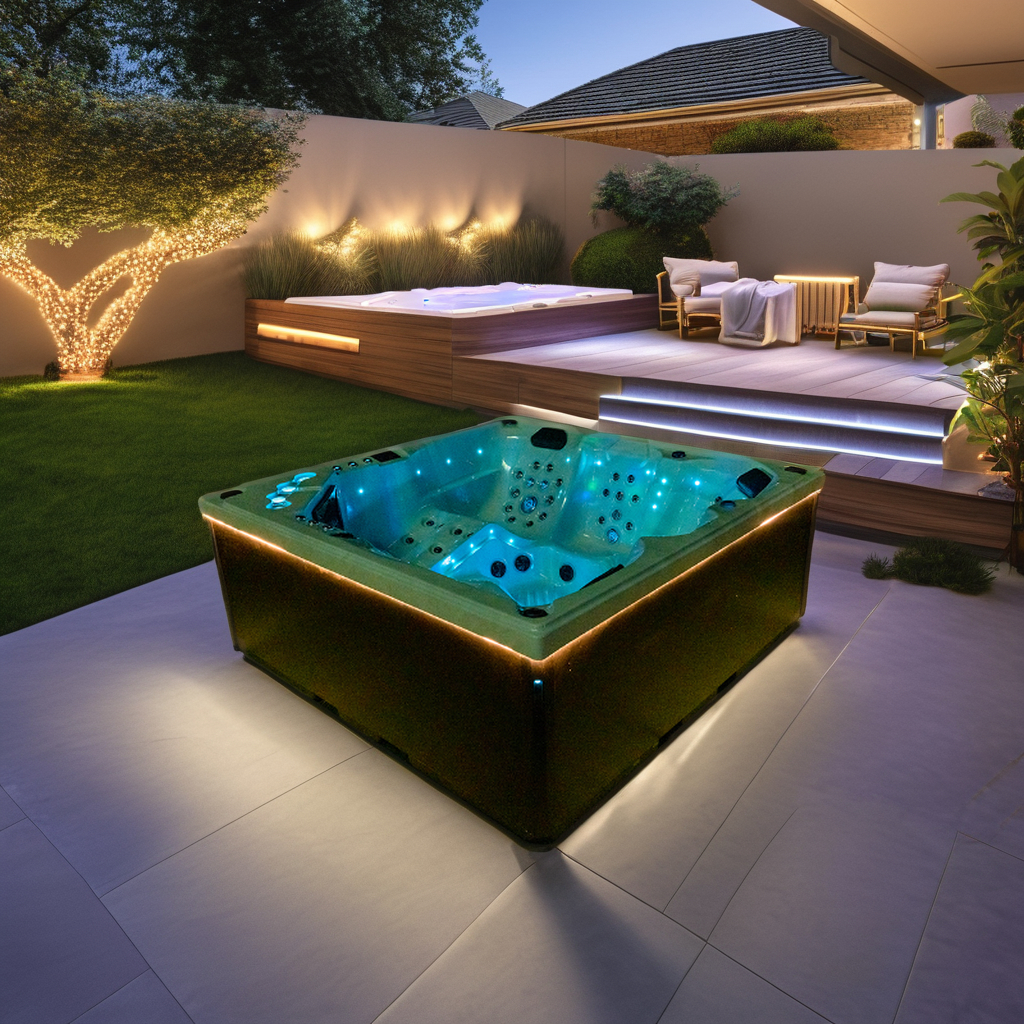
Unstable total alkalinity can also indirectly accelerate plastic degradation
Many outdoor whirlpool spa hot tub owners know to check the pH but overlook total alkalinity.
Total alkalinity can be understood as the water's ability to resist rapid pH fluctuations. The recommended range for most spa equipment is approximately 80–120 ppm. If total alkalinity is too low, the pH is prone to significant swings; if it is too high, adjusting the pH becomes difficult.
This means that simply adjusting the pH to 7.4 does not necessarily solve the problem. If total alkalinity is critically low, the pH may quickly drop again, leading the user to repeatedly add balancing chemicals. Such frequent, long-term water quality fluctuations create an unfavorable environment for the spa hot tub's internal materials.
The correct approach is to first test and adjust total alkalinity based on water conditions, and then stabilize the pH within the recommended range.
More sanitizer isn't always better for outdoor spa hot tubs
While sanitizing an outdoor spa hot tub is essential, adding excessive amounts of sanitizer can increase the risk of material degradation.
Common sanitization methods include the use of chlorine and bromine. Recommended concentrations vary depending on the specific product and water treatment system; typical maintenance ranges for spas are approximately 2–5 ppm for chlorine and 3–6 ppm for bromine, though actual usage should adhere to the whirlpool spa hot tub manufacturer's guidelines and the sanitizer product label.
The issue arises when users assume that "more sanitizer means cleaner water," leading them to add large quantities of chemicals at once without subsequent testing for extended periods. This can cause sanitizer concentrations to spike temporarily, placing oxidative stress on plastic and rubber components.
In particular, direct contact between high-concentration chemicals and jets, seals, or other plastic parts is more likely to cause localized damage. Therefore, water treatment for outdoor hot tubs should prioritize stability rather than simply aiming for the highest possible chemical concentration.
Improper Dosing Methods Can Cause Localized "Chemical Corrosion"
This is a frequently overlooked cause of damage to plastic components in outdoor whirlpool spa hot tubs.
For instance, some users employ floating dispensers to hold chlorine tablets in the tub. If the dispenser remains in one spot for an extended period, the immediate area surrounding it can experience chemical concentrations far higher than that of the bulk water.
Consequently, even if water quality tests show normal average readings for the entire tub, plastic surfaces, acrylic finishes, or seals near the dispenser may still suffer damage from the high chemical concentration.
Therefore, if plastic components in a specific area show signs of accelerated aging compared to other sections, check whether that area is near the dispenser, a chemical inlet, or a zone with poor water circulation.
High Temperatures Accelerate Material Aging in Outdoor Hot Tubs
High operating temperatures are a key factor distinguishing outdoor spa hot tubs from standard cold-water equipment.
Outdoor whirlpool spa hot tubs typically operate at temperatures between 37°C and 40°C. While suitable plastics generally perform well over the long term within this range, aging can accelerate significantly if materials are simultaneously exposed to high sanitizer concentrations, abnormal pH levels, and mechanical stress.
Consider a jet installed at a plumbing connection: it is subject to inherent mechanical stress and constant water flow during operation, all while the water temperature remains around 38°C. If the water quality is also consistently abnormal, the combined effects of temperature, chemicals, and mechanical stress can significantly hasten material degradation. Therefore, the service life of plastic components in outdoor spa hot tubs cannot be calculated simply based on the lifespan of ordinary plastic products; instead, it must be assessed by comprehensively considering materials, temperature, chemical environments, and actual mechanical stress.
Both excessively high and low calcium hardness levels in outdoor hot tubs can cause problems
Calcium hardness is another parameter often overlooked in outdoor spa hot tubs.
Excessively high calcium hardness leads to scale formation. Scale can accumulate on heaters, jets, and within plumbing lines, impairing equipment efficiency; conversely, excessively low calcium hardness can increase the water's corrosiveness.
Some spa equipment manufacturers recommend maintaining calcium hardness between approximately 150 and 250 ppm, though target ranges may vary by brand and water treatment system.
Consequently, owners of outdoor spa hot tubs using soft water or specially filtered water sources must still monitor calcium hardness levels, rather than assuming that "softer water is always better."
Which plastic components of outdoor hot tubs are most prone to damage?
Not all plastic components within an outdoor spa hot tub face the same risks.
Key components most frequently affected include massage jets, jet housings, valves, plumbing fittings, filter housings, and various rubber seals. These parts are in constant contact with water, and some must also withstand water pressure and temperature fluctuations.
Seals, in particular, require special attention. They must maintain their elasticity over the long term while enduring exposure to hot water and disinfectants, as well as compressive stress. Once the material hardens or loses elasticity, leakage may occur.
Jets and fittings are more susceptible to whitening, embrittlement, and cracking. While slight surface discoloration does not necessarily indicate imminent failure, the presence of cracks, significant deformation, or leaks necessitates immediate replacement.
For outdoor hot tub manufacturers, material selection cannot be based on cost alone; factors such as temperature resistance, chemical resistance, and resistance to environmental stress cracking must also be considered.
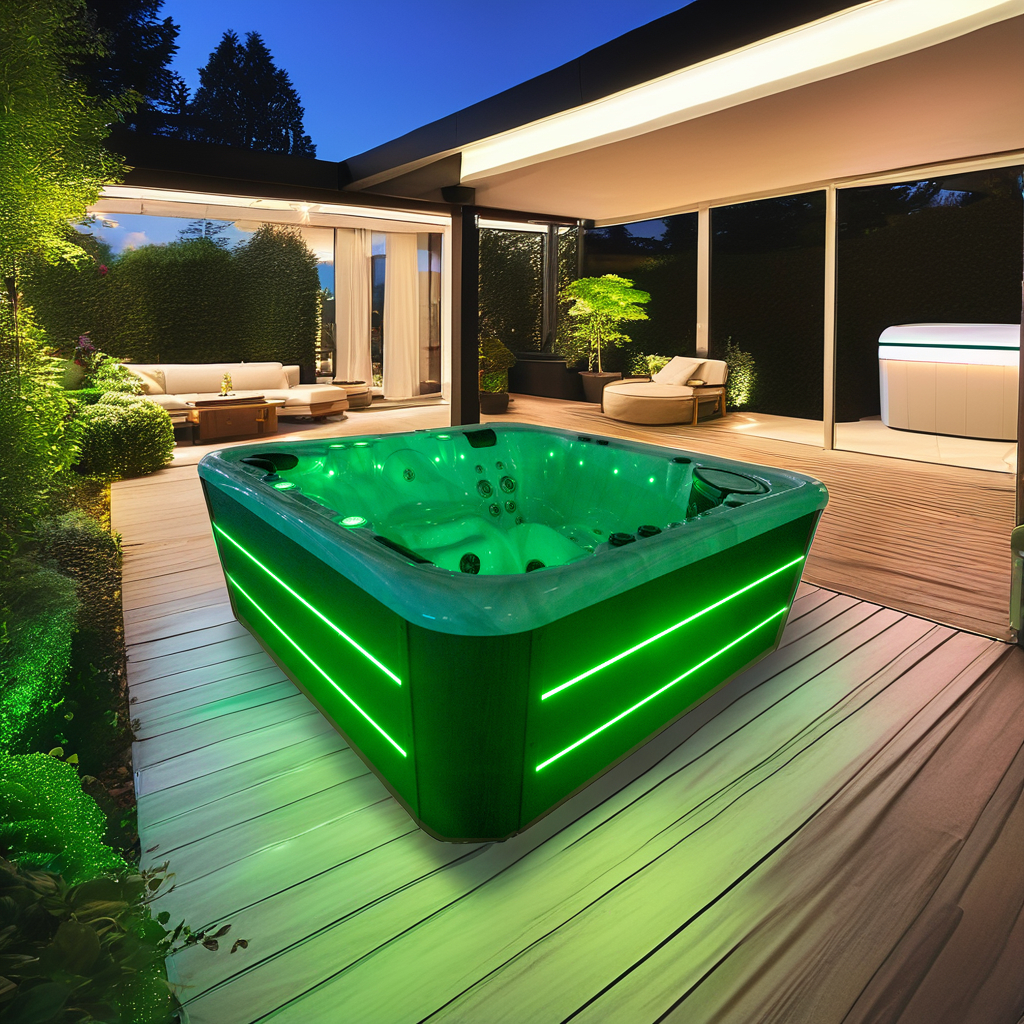
How can one determine whether the issue stems from water quality or plastic quality?
This is the most critical step in addressing plastic degradation in outdoor whirlpool spa hot tubs.
If plastic components in multiple locations simultaneously exhibit whitening, embrittlement, and cracking, water quality should be the first priority for inspection. If damage is concentrated near the chemical dispenser, however, localized chemical concentrations should be checked. If only one component malfunctions while others remain in good condition over the long term, you should also investigate installation stress and the quality of the part itself.
Another valuable diagnostic method is to observe the replacement part.
If the new nozzle exhibits the same whitening and cracking within a few months, the issue likely lies not with the individual part, but with unresolved problems regarding the outdoor hot tub's water quality or operating environment.
Conversely, if water quality remains within the manufacturer's recommended range but multiple plastic parts from the same batch show abnormal cracking, you should further investigate the material grade, injection molding process, and product quality.
How should corrosion of outdoor hot tub plastic parts be addressed?
First, test water quality regularly. Pay attention to pH, total alkalinity, sanitizer concentration, and calcium hardness at a minimum. For frequently used outdoor whirlpool spa hot tubs, test 2–3 times a week rather than waiting until the water develops an odor or becomes cloudy before taking action.
Second, maintain the pH within an appropriate range. A range of 7.2–7.8 is generally recommended; try to keep it stable. For total alkalinity, a common range is 80–120 ppm. Refer to the hot tub manufacturer's specific requirements for exact parameters.
Third, control sanitizer concentration. Dose strictly according to the product label; do not add excessive amounts in an attempt to achieve "extra cleanliness."
Fourth, avoid direct contact between chemicals and plastic parts. Use chemical dispensers according to the manufacturer's instructions and ensure proper water circulation.
Fifth, clean filters regularly. Clogged filter cartridges reduce circulation efficiency and can make water quality maintenance difficult. Households that use their outdoor whirlpool spa hot tubs frequently should clean and replace filter cartridges based on actual usage.
Sixth, change the water regularly. Dissolved substances in the spa hot tub water accumulate over time. Some maintenance guidelines suggest changing the water when Total Dissolved Solids (TDS) reach approximately 1500–2000 ppm, though actual standards depend on the specific equipment and water treatment regimen.
Finally, if plastic parts show cracks, leaks, or severe embrittlement, replace them promptly. You must resolve any water quality issues before installing replacements; otherwise, the new parts may quickly become damaged as well.
Key Pain Points in the Outdoor Hot Tub Industry
From the consumer's perspective, many know to "add sanitizer regularly" but are unaware of the interrelationships between pH, total alkalinity, and calcium hardness. From the manufacturer's perspective, some product manuals are overly simplistic; they instruct users on *what* to add but fail to clearly explain the long-term impact of water chemistry imbalances on plastic, rubber, and metal components.
This leads to a common cycle: plastic parts fail—parts are replaced—usage continues—parts fail again.
In reality, a truly effective solution must address four key areas: materials, design, water quality, and maintenance.
Manufacturers need to select materials suitable for hot water and sanitizer environments and minimize residual stress through proper injection molding processes; designs should avoid subjecting plastic components to unnecessary long-term mechanical stress; and users must maintain water quality according to specifications.
For high-quality outdoor whirlpool spa hot tubs, manuals should clearly specify key parameters—such as pH, total alkalinity, calcium hardness, and sanitizer levels—so users understand what constitutes normal operation versus conditions that could damage the equipment.
Future outdoor hot tubs could further incorporate smart water monitoring, using sensors and apps to alert users to abnormalities in pH, temperature, or sanitizer levels. Detecting water quality issues early is far more cost-effective than waiting for plastic components to fail before attempting repairs.
FAQ
1. Can outdoor whirlpool spa hot tub water actually corrode plastic?
Yes, though this typically manifests as chemical erosion, oxidative aging, and stress cracking, rather than the rusting seen in metals. Abnormal pH levels, high sanitizer concentrations, and high temperatures can all accelerate material aging.
2. What is the ideal pH level for an outdoor spa hot tub?
The commonly recommended range is 7.2–7.8, with 7.4–7.6 often considered the ideal target. However, you should always follow the specific requirements provided by the hot tub manufacturer.
3. Why do outdoor whirlpool spa hot tub jets turn white?
This can be caused by a combination of plastic aging, chemical erosion, high temperatures, or environmental stress. If the plastic also becomes brittle or develops cracks, you should check the water quality immediately.
4. Can sanitizers damage the plastic in outdoor spa hot tubs?
At appropriate concentrations, significant issues generally do not arise; however, long-term excessive use or direct contact between high-concentration disinfectants and plastic may accelerate the aging of certain materials.
5. How can corrosion of plastic components in outdoor hot tubs be minimized?
Maintain stable pH levels; control total alkalinity and disinfectant concentrations; avoid direct contact between chemicals and plastic; regularly clean filter cartridges; change the water promptly; and select components with good heat and chemical resistance.