


Is soaking in an outdoor spa hot tub after a workout a good idea?
2026-09-23 15:30Soaking in an outdoor spa hot tub after activities like running, cycling, swimming, strength training, or a gym session is a favorite way for many fitness enthusiasts to unwind. The warm water, massage jets, and buoyancy provide a soothing experience for a fatigued body. However, the question of whether it is "good" cannot be answered with a simple yes or no.
Immediately after exercise, the body's heart rate, core temperature, breathing rate, and blood circulation remain elevated. Jumping straight into a very hot outdoor tub can further increase the body's heat load; conversely, if you first perform a cool-down and rehydrate, then use the tub at an appropriate temperature, it can serve as an effective post-workout relaxation method. Therefore, the key isn't simply *whether* you can use it, but *when* you use it, the water temperature, the duration of the soak, and the circumstances under which it might not be suitable.
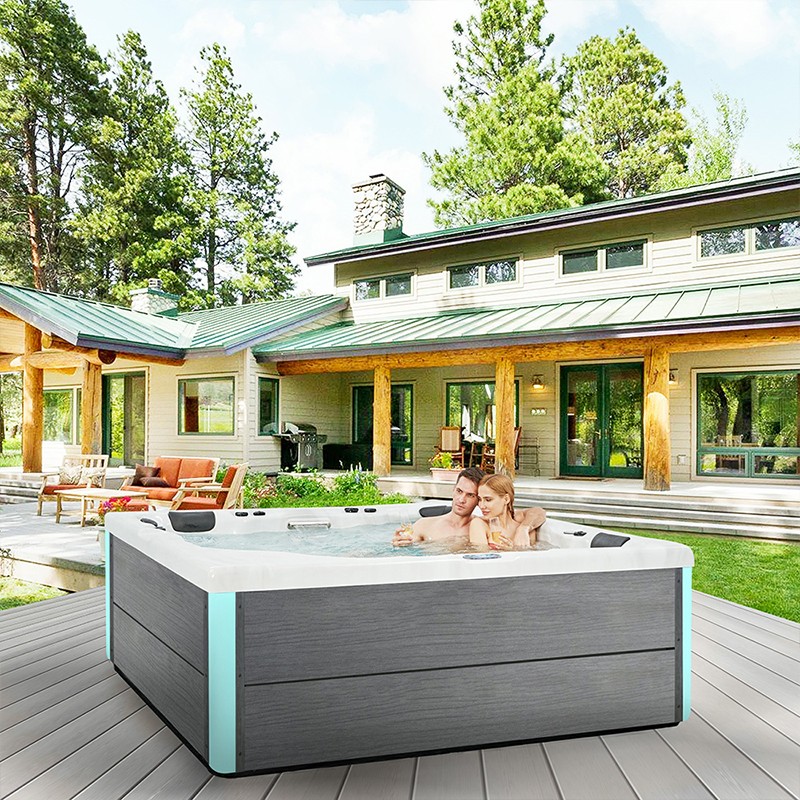
What are the benefits of using an outdoor hot tub after a workout?
During exercise, muscles work continuously, causing heart rate and body temperature to rise. After training, the body needs to transition gradually from an active state back to a resting state. The warm environment of an outdoor spa hot tub promotes significant relaxation, while the water's buoyancy helps relieve some of the body's weight-bearing load.
Athletes involved in running or cycling often experience leg fatigue, while strength training can lead to muscle tightness in the shoulders, back, or legs. Soaking in warm water aids relaxation, and massage jets provide targeted stimulation, making the outdoor spa hot tub a popular choice for post-workout recovery.
However, it is important to distinguish between "feeling good" and "objective recovery results." Research indicates that while soaking in 40°C water raises muscle temperature, it does not necessarily lead to a significant reduction in muscle soreness or an immediate restoration of muscle strength. In a study involving men engaged in strength training, a 10-minute soak in 40°C water raised internal muscle temperature but showed no significant improvement in muscle function or soreness levels compared to passive recovery. In short, while an outdoor spa hot tub aids relaxation, it should not be viewed simply as a treatment for sports injuries.
Why is it not recommended to use an outdoor hot tub immediately after a workout?
This is the most critical point regarding the use of outdoor spa hot tubs for post-workout recovery. After high-intensity exercise, the body's core temperature may remain elevated, and the heart rate takes time to return to normal. Immediately entering an outdoor whirlpool hot tub with a temperature near 40°C (104°F) causes the body to continue absorbing heat, potentially placing an added burden on the cardiovascular and thermoregulatory systems.
This is particularly relevant during summer activities—such as outdoor running, cycling, soccer, tennis, or prolonged training sessions—where the body has already lost significant fluid through sweating. Soaking in a whirlpool hot tub immediately after such activities could further increase the risk of dehydration.
Therefore, a more sensible sequence is:
End of exercise → Low-intensity cool-down → Rehydration → Allowing the body to stabilize → Using the outdoor whirlpool hot tub.
For light exercise, a short soak in warm water can be considered once breathing and heart rate have noticeably recovered and the body is no longer generating excess heat. However, after high-intensity training or prolonged exercise, the body requires more time to recover and cool down.
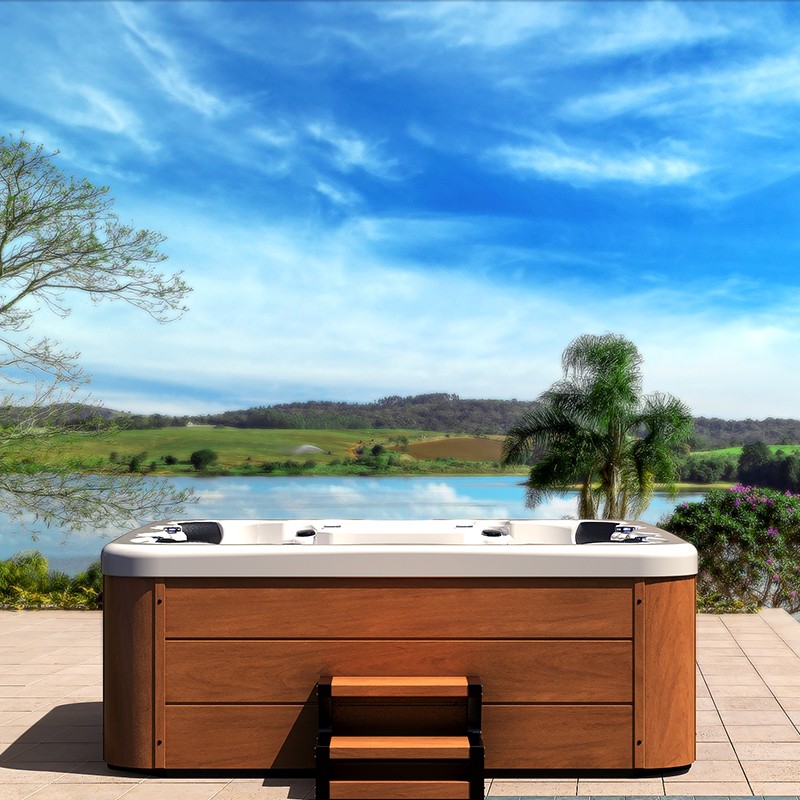
What should the water temperature be?
Water temperature is a key factor in determining the comfort and safety of using an outdoor spa hot tub after exercise.
While many outdoor whirlpool hot tubs can reach a maximum temperature of around 40°C (104°F), the equipment's maximum capability does not mean it should be used at that setting immediately after a workout. For someone who has just finished exercising, water temperatures between 37°C and 39°C are generally gentler than the maximum 40°C.
If the water temperature is 40°C, one should be more cautious about the duration of the soak. The CDC recommends that spa hot tub temperatures should not exceed 40°C (104°F). High temperatures increase the body's heat load; therefore, using the maximum temperature for an extended period after exercise is strongly discouraged.
In practice, a simple principle applies to using an outdoor hot tub for post-exercise recovery: the higher the exercise intensity, the higher the ambient temperature, and the more you have sweated, the lower the water temperature and the shorter the soak time should be.
How long should you soak in an outdoor spa hot tub after exercise?
The duration of the soak is also crucial.
For those trying an outdoor hot tub after exercise for the first time, starting with 10–15 minutes is advisable. If the water temperature is high, there is no need to extend the session to 30 minutes or longer in pursuit of "recovery benefits." Some studies on exercise recovery have used hot water immersion at approximately 40°C for 20–30 minutes; however, these experiments typically involved screened, healthy adults under strict conditions, so the durations used in these studies cannot be directly adopted as a fixed standard for average home users.
Average users should adjust their routine based on their own physical condition. If you experience dizziness, nausea, noticeable heart palpitations, fatigue, breathing difficulties, or a sensation of overheating while soaking, you should immediately exit the outdoor whirlpool hot tub and move to a cool environment to rest and rehydrate.
Additionally, do not neglect hydration while soaking. Individuals who are already significantly dehydrated after exercise should prioritize rehydration rather than trying to "relax" by spending a long time in an outdoor whirlpool hot tub.
How should outdoor spa hot tubs be used for different types of exercise?
Different exercises place different loads on the body, so the way you use the hot tub should vary accordingly.
For relatively low-intensity activities like jogging, light cycling, or yoga—provided there is no significant dehydration or overheating—a short soak in warm water after the workout is generally well-tolerated. You can complete your cool-down and rehydration before entering the outdoor spa hot tub.
For long-distance running, marathons, extended cycling sessions, and swimming, the duration of exercise is usually longer, potentially leading to greater loss of fluids and electrolytes. In these cases, do not make entering a high-temperature outdoor spa hot tub the first thing you do after exercising; instead, prioritize rehydration and cooling down while monitoring your physical condition.
For strength training exercises such as squats, deadlifts, and bench presses, an outdoor whirlpool hot tub can serve as a method for muscle relaxation, but it cannot replace standard recovery practices. Protein and carbohydrate intake, adequate sleep, and a well-structured training plan remain the foundations of muscle recovery.
For high-intensity activities like HIIT, CrossFit, basketball, or soccer, it is especially important to avoid entering a hot tub immediately after the workout, as your heart rate and body temperature may still be elevated.
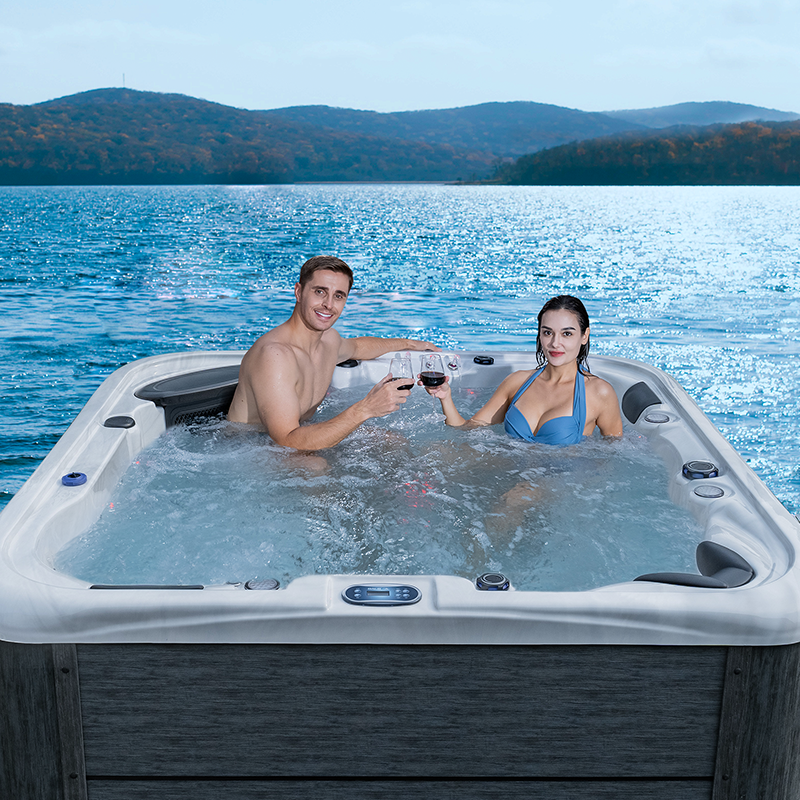
Which is better for exercise recovery: an outdoor hot tub or a cold water bath?
This is a question many athletes and fitness enthusiasts face.
The mechanisms behind cold water immersion and hot water immersion differ. Cold water immersion has been extensively studied regarding post-exercise muscle soreness and certain short-term recovery markers, whereas the advantages of outdoor whirlpool hot tubs lie more in the benefits of warmth, relaxation, and a comfortable experience. A systematic review comprising 44 studies found that cold water immersion can alleviate post-exercise muscle soreness to some extent compared to passive recovery. A more recent network meta-analysis also indicated that recovery outcomes vary depending on water temperature and immersion duration.
Therefore, if the primary goal after exercise is comfort and relaxation, an outdoor whirlpool hot tub is an excellent choice; however, if the aim is to address short-term muscle soreness following high-intensity competition, cold water immersion may be considered depending on the specific circumstances.
For the average fitness enthusiast, there is no need to view hot tubs and cold baths as an "either-or" choice. What truly matters is selecting the method based on the day's training intensity, ambient temperature, and physical condition.
Are the massage jets in outdoor whirlpool hot tubs effective?
Modern outdoor whirlpool hot tubs are typically equipped with multiple massage jets that provide hydro-massage targeting the lower back, upper back, legs, and shoulders.
Using massage jets after exercise can enhance the comfort of a warm soak. Applying low-intensity water massage to fatigued areas—particularly after long-distance running, cycling, or strength training—can provide a noticeably relaxing experience.
However, massage jets are not a substitute for medical rehabilitation equipment. If you sustain a significant sprain, muscle strain, joint swelling, or experience persistent pain during exercise, you should not rely solely on an outdoor hot tub for treatment. Acute injuries require professional medical or rehabilitative care tailored to the specific condition.
Consequently, outdoor hot tubs are best suited for relaxation after routine exercise rather than as a replacement for professional medical treatment.
Who should avoid using an outdoor hot tub after exercise?
While outdoor whirlpool hot tubs are great for daily leisure and relaxation, they are not suitable for everyone immediately after a workout.
If you experience significant dizziness, nausea, weakness, altered consciousness, severe thirst, or excessive sweating during exercise, you should first consider the possibility of dehydration or heat-related issues and avoid entering a high-temperature outdoor whirlpool hot tub.
Individuals with pre-existing cardiovascular disease, abnormal blood pressure, or other health conditions that could be affected by high temperatures should consult a doctor before using an outdoor hot tub.
Additionally, using a high-temperature outdoor hot tub after consuming alcohol is not recommended. Alcohol can impair judgment and hydration status; combining this with a high-temperature environment increases safety risks. Children, the elderly, and individuals with lower heat tolerance should exercise greater caution regarding water temperature and immersion duration.
A Recommended Routine for Using an Outdoor Hot Tub After Exercise
If you wish to incorporate an outdoor hot tub into your post-exercise recovery routine, you can follow this simple process:
First, do not enter the spa hot tub immediately after exercising; instead, perform a low-intensity cool-down—such as a slow walk—for 5–10 minutes to allow your heart rate and breathing to gradually return to normal. Next, rehydrate; if the workout was long or involved heavy sweating, consider replenishing electrolytes as needed.
Wait until your body is no longer noticeably overheated and your breathing and heart rate have largely stabilized before entering the spa hot tub. You can start with a water temperature of around 37–39°C; there is no need to jump straight to the maximum temperature. Limit your initial session to 10–15 minutes and adjust based on how you feel.
After leaving the spa hot tub, continue to rehydrate and proceed with your standard post-exercise nutrition and rest. This way, the outdoor whirlpool hot tub becomes part of a comprehensive recovery routine rather than the sole method of recovery.
FAQ
1. Can I use an outdoor whirlpool hot tub immediately after exercising?
It is not recommended. Especially after high-intensity exercise, you should first cool down and rehydrate, waiting for your heart rate, breathing, and body temperature to stabilize before entering the whirlpool hot tub.
2. What is the appropriate water temperature for an outdoor hot tub after exercise?
You can start at around 37–39°C and adjust based on your personal tolerance. Temperatures approaching 40°C place a higher heat load on the body, so prolonged immersion is not recommended.
3. How long should I stay in the outdoor spa hot tub after exercise?
Generally, you can start with 10–15 minutes. If the water temperature is high or the exercise intensity was significant, you should shorten the duration accordingly.
4. Can an outdoor spa hot tub eliminate post-exercise muscle soreness?
There is no guarantee. While warm water and massage can enhance relaxation, current research does not prove that outdoor hot tubs can eliminate all types of post-exercise muscle soreness.
5. Should I soak in hot water or cold water after exercise?
They serve different purposes. Cold water immersion is supported by substantial research regarding the alleviation of post-exercise muscle soreness and short-term recovery, whereas outdoor spa hot tubs are better suited for warming relaxation. The choice should be based on the type of exercise and recovery goals.